
The Hidden Traps of Home Insurance: A Hard Reality Check
Imagine waking up in the middle of the night to the sound of rushing water, stepping out of bed, and finding your living room floor covered in three inches of dirty water from a burst pipe. Or imagine returning home from a weekend trip to discover that a severe windstorm ripped off half your roof shingles, leaving your ceiling leaking onto your furniture. You feel an immediate wave of panic, but you quickly take a deep breath and tell yourself, "It's okay, I pay thousands for home insurance every year."
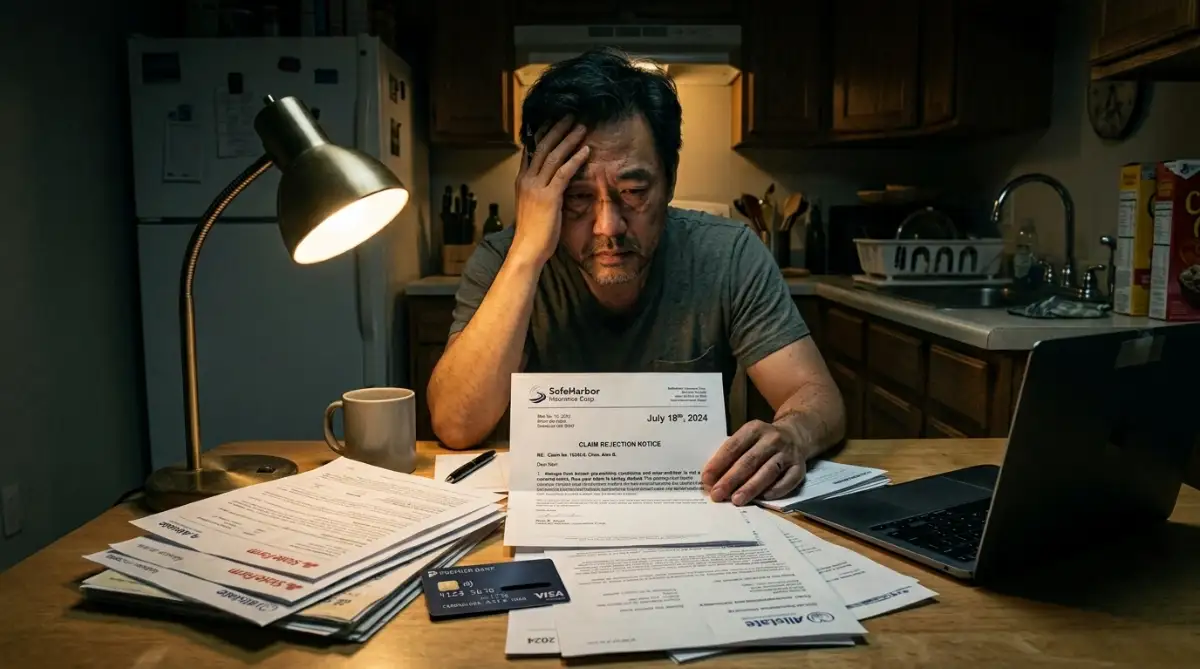
You file your claim immediately, expecting a sympathetic agent and a settlement check to cover your structural repairs. Instead, two weeks later, you receive a cold, formal rejection letter or a partial payout check that doesn't even cover a quarter of the contractor's repair bill. This devastating scenario is the painful reality for thousands of unsuspecting homeowners every single day.
Buying a home is the largest financial investment of your entire life. Yet, a single overlooked clause, a hidden exclusion, or an unfiled policy update can sweep your hard-earned financial security away in seconds. Understanding the hidden traps of home insurance is not about expecting the worst; it is about building an unshakeable shield that protects your home and family when you need help most.
I still vividly remember standing in my basement after a heavy spring rainstorm, watching municipal sewer water back up through the floor drain and ruin our finished living space. I called my insurance company with absolute confidence, assuming my premium covered the damage. Ten minutes into the call, the adjuster politely informed me that my policy excluded sewer backups because I hadn't purchased a $35 annual "water backup rider." Paying $4,000 out of my emergency savings for a cleanup that could have been covered for the cost of a pizza was a painful financial wake-up call. It taught me that the fine print in an insurance contract matters vastly more than the marketing promises on the front page, and I want to share what I learned so you never face that shock.
Why Finding Honest Home Insurance Guidance Is So Hard
Millions of homeowners carry weak or flawed insurance policies, not due to laziness, but because finding honest, objective property insurance guidance is surprisingly difficult:
- Confusing Legal Jargon: Insurance disclosures are intentionally saturated with dense legalese like "subrogation," "coinsurance penalties," and "sub-limits," making it hard for average homeowners to understand what they own.
- Online Misinformation & Generic Blogs: Many digital finance sites offer generic advice that fails to account for regional building codes, localized weather hazards, or specific state insurance regulations.
- Rushing the Closing Process: First-time buyers often purchase the absolute cheapest policy online in a hurry just to satisfy mortgage lender requirements, signing papers without reading the coverage exclusions.
- Misleading Sales Pitches: Commission-driven agents frequently emphasize low monthly premiums while quietly setting sky-high deductibles and dangerous coverage gaps.
The Quiet Mental and Emotional Toll of Policy Uncertainty
Living with an improper insurance policy creates an ongoing background noise of anxiety that slowly erodes your quality of life:
Constant financial worry leaves you living in quiet fear that a single hail storm, grease fire, or guest injury will force your family into severe personal debt. Furthermore, dealing with unexpected claim denials often leads to a profound loss of system trust and deep disappointment in an industry you paid thousands of dollars to protect you.
Decision paralysis is another hidden trap, where homeowners feel so overwhelmed by insurance choices that they avoid reviewing or updating their policy for years, leaving recent home renovations completely uninsured. The invisible stress of being underinsured means your safety net is full of hidden legal holes. When every thunderstorm outside makes you stare at your ceiling wondering if your roof is covered, your home stops providing peace, making a policy audit an absolute necessity.
Visual Insight: Top Mistakes to Avoid When Buying Home Insurance
Watch this expert breakdown from Reed Insurance to learn the top ten mistakes homeowners make when purchasing coverage, how deductibles work, and how to prevent costly claim denials!
Why Market Value Is NOT Rebuilding Cost
One of the most dangerous and expensive traps homeowners fall into is insuring their house for its real estate market value. They reason that if their house is appraised at $450,000, they need a $450,000 insurance policy.
This is a major error. Market value includes the price of the land your house sits on. Land cannot burn down, rot, or get blown away by a hurricane. Therefore, you do not need to pay annual insurance premiums to cover the land value!
The Risk of Skipping Your Annual Policy Review
Your life evolves, and your property changes over time. Yet, millions of homeowners purchase a policy on closing day and never inspect it again for a decade. Consider major home upgrades you have completed recently: did you finish your basement, remodel your kitchen, or install an expensive wooden deck?
The Upgraded Kitchen Disaster: Imagine spending $35,000 upgrading your kitchen with custom cabinetry and quartz countertops. Two years later, a kitchen fire destroys the room. Because you never notified your insurer about the upgrade, your carrier pays out based on the original basic laminate kitchen, leaving you with a $20,000 out-of-pocket loss!
Failing to Create a Complete Digital Home Inventory
If your home burned down today, could you list every shirt, kitchen appliance, book, and tool you owned from memory? Trying to reconstruct a list of hundreds of personal items after a traumatic property disaster is nearly impossible, causing homeowners to miss out on tens of thousands of dollars in legitimate personal property claims.
The 15-Minute Solution: Walk through every room filming open closets, cabinets, and drawers with your smartphone camera while describing high-value electronics and jewelry. Store this video in secure cloud storage so it remains accessible from anywhere!
Underestimating Liability & Specific Policy Exclusions
Standard home insurance covers far more than physical structures—it provides liability protection against guest injury lawsuits. However, hidden traps exist:
- Dog Breed Restrictions: Many carriers enforce strict breed exclusion lists (e.g., Pit Bulls, Rottweilers). If an unlisted dog bites a visitor, your liability coverage may be completely voided!
- Unreported Home Businesses: Running a client-facing business or consulting firm from your dining room without a commercial endorsement voids liability coverage if a client slips on your porch.
- Sewer Backups vs. Rising Floods: Standard policies exclude both sewer backups and natural floods. You must purchase an independent water backup endorsement and a separate FEMA flood policy.
 Strategic Ways to Save Without Sacrificing Safety
Lowering your annual insurance bill doesn't require cutting coverage limits. Smart homeowners utilize strategic risk reduction tactics:
- Multi-Policy Bundling: Insuring auto and home with the same provider slashes annual bills by 15% to 25%.
- Smart Home Leak Detectors: Installing automatic water shutoff valves unlocks immediate safety credits.
To safely choose a higher deductible (like $2,500) that lowers your monthly premium, ensure you focus on building a solid emergency fund fast in a dedicated savings account to cover that deductible comfortably during a claim. If you need help structuring your overall financial health or loans, you can review tips to improve your credit score to secure better terms.
My Personal Pro Tip: When I audited my policies, I realized that bundling my home and auto insurance together saved me enough cash each year to comfortably pay for an upgraded water sensor system. This proactive step not only lowered my monthly insurance premiums instantly, but it also protected my basement from future flooding disasters.
In addition, because insurers use credit-based insurance scores to calculate risk, paying down credit card balances directly lowers your insurance premiums! If high-interest bills are choking your budget, learning how to evaluate your financing options wisely will improve your credit rating and lower your insurance rates over time.
Fatal Blind Spots: Emergency Debt & Vacancy Traps
Avoid these critical borrowing and occupancy mistakes that lead to total policy cancellation:
1. Unreported Vacancy (>30 Days): Leaving your home unoccupied for more than 30 consecutive days without notifying your insurer voids coverage. Vacant homes face high burglary and undetected leak risks.
2. Rushing into Predatory Debt for Repairs: Taking out rushed personal loans to pay for home deductibles without checking interest rates can trigger financial distress. Review standard personal loan mistakes you must avoid before taking on repair debt, and make sure you understand what happens if you miss a personal loan payment to protect your credit health during emergency property repairs.
For additional guidance on maintaining financial stability during major life asset investments, explore essential home policy selection strategies.
Reclaiming Freedom and Family Joy
Protecting your home isn't about worrying over every storm cloud on the horizon—it's about setting up a solid financial wall so you can focus on enjoying life with your family. When you take charge of your policy, insist on Replacement Cost Value (RCV) coverage, and keep a digital video inventory, you take total control of your household security. You can relax, celebrate milestones, and sleep soundly knowing your family is completely safe.
I feel a profound sense of relief knowing my home is properly protected against hidden policy gaps. My personal journey through claim confusion taught me that staying informed is the ultimate defense, and I hope these insights help you safeguard your own household.
Quick Guide: Policyholder Do's and Don'ts
Your Action Plan Checklist for Tomorrow
- Step 1: Check Exclusions Page: Inspect your current policy declarations page for water backup and earthquake exclusions.
- Step 2: Film Video Inventory: Spend 15 minutes filming every room, open closets, and store the file in cloud storage.
- Step 3: Call Your Agent for Discounts: Inquire about smart water leak detector credits, auto-bundling discounts, and RCV coverage endorsements.
Taking care of your home insurance is not an annoying chore—it is an empowering act of financial protection. By avoiding common traps, focusing on physical rebuilding costs, and keeping your policy updated, you build an unshakeable wall around your family's future. Take action today and enjoy your home with total peace of mind!
Frequently Asked Questions
Why shouldn't I insure my home for its real estate market value?
Real estate market value includes the price of the land beneath your home. Because land cannot be destroyed by fire or windstorms, insuring your home for market value means you are paying extra premiums for assets that cannot experience property loss.
Does standard homeowners insurance cover sewer backups?
No, standard home insurance policies explicitly exclude damage caused by backed-up drains or sump pump failures. You must add a specific water backup endorsement to your policy for protection.
What is a digital home inventory and why do I need one?
A digital home inventory is a video or photo record of all your personal possessions. It serves as undeniable proof of ownership and value, dramatically speeding up personal property claim payouts after a disaster.
How do unlisted dog breeds affect my home insurance?
Many insurance companies maintain strict lists of prohibited dog breeds considered high-liability risks. Owning an unlisted or banned breed without proper policy disclosure can lead to immediate claim denials or policy cancellation.
What happens if my home is left vacant for too long?
Leaving a home unoccupied for more than 30 consecutive days typically violates standard insurance terms, as vacant properties face vastly higher risks of undetected maintenance leaks, vandalism, and break-ins.
Disclaimer: This article is published exclusively for educational and informational purposes. It does not constitute professional insurance, legal, or financial underwriting advice. Property insurance laws and coverage rules vary significantly by jurisdiction and carrier. Always consult with a licensed independent insurance agent or certified financial advisor prior to making changes to your home insurance coverage.