The Financial Wake-Up Call Every Founder Faces
I still remember the absolute panic I felt when my first big client paid their $10,000 startup invoice. Because I had not opened a proper business bank account yet, the money went straight into my personal checking account. My bank immediately flagged the large, unusual transfer as suspicious fraud and completely froze my entire account.
I was locked out of my own money for two agonizing weeks. I could not pay my apartment rent, buy weekly groceries, or even cover my basic software server costs. That terrifying financial chokehold nearly killed my dream before it really started.
I quickly realized that mixing personal and business funds is an absolute disaster waiting to happen. To survive and actually scale, I desperately needed a dedicated financial setup designed for entrepreneurs. Once I finally opened a proper startup account, everything changed for the better.
Launching a startup in the United States is an exhilarating journey filled with product innovation and customer discovery. However, before an early-stage company can accept its first dollar or issue payroll, it must establish a dedicated commercial banking infrastructure. Forming an LLC or C-Corporation is only half the battle.
Establishing a separate business bank account is the essential step that maintains your legal corporate liability shield. It safely separates your business revenue from your hard-earned personal assets. Without it, you are putting your own family's financial security at massive risk.
Historically, founders were strictly limited to traditional brick-and-mortar commercial banks. These legacy institutions routinely imposed high minimum daily balance requirements, tedious branch visits, and clunky software interfaces. Today, the modern fintech landscape offers much better, faster alternatives.
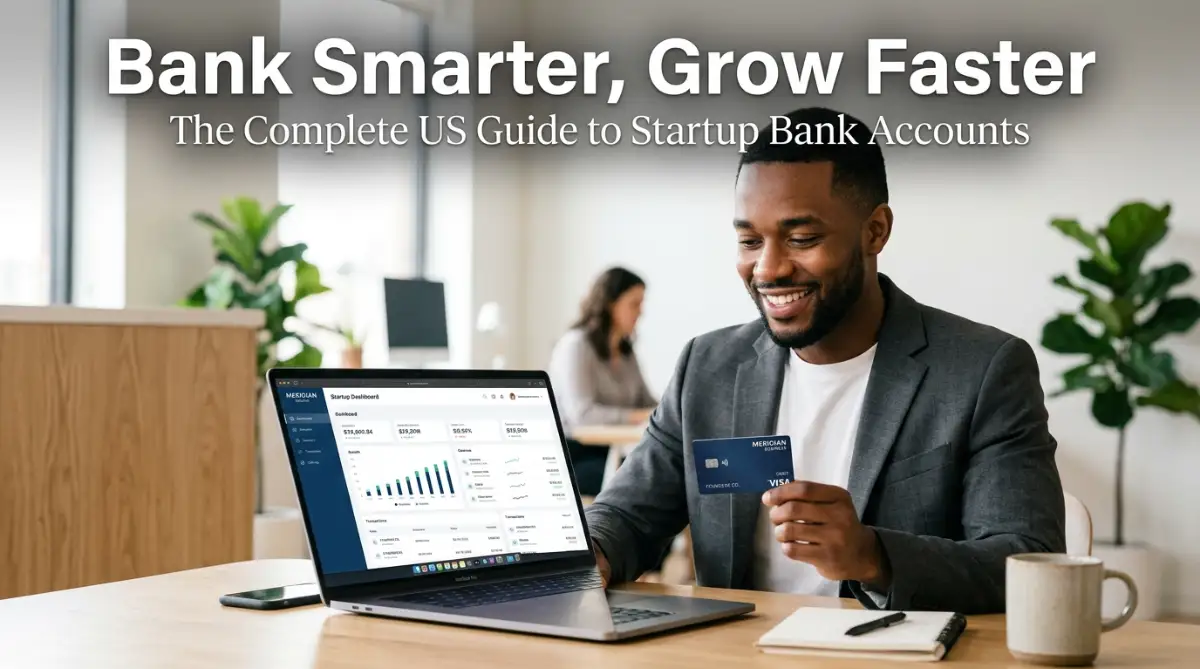
Modern founders can easily choose between established national giants and specialized, tech-forward neo-banks. In this comprehensive guide, we evaluate the absolute best business bank accounts for startups in the US today. Let us break down core evaluation criteria so you can make the perfect choice.
Core Criteria for Choosing Your Startup Bank
Selecting the right banking partner requires evaluating platforms against your company's operational model and capital reserves. Enterprise commercial banks built for legacy corporations often prove ill-suited for lean, high-velocity startups. You need a platform that moves just as fast as you do.
First, always prioritize extended FDIC insurance and strong sweep network coverage. Top startup platforms partner with sweep networks across dozens of partner banks to protect massive cash reserves safely. You also need total fee transparency, seeking out accounts with zero monthly maintenance charges.
Top Startup Bank Accounts Compared
Myth vs Reality in Startup Banking
Myth: Digital neo-banks are unsafe because they do not have physical branch locations.
Reality: Digital platforms partner with fully regulated, FDIC-insured banks to keep your funds completely secure.
Myth: You must keep at least $10,000 in your account to avoid expensive maintenance fees.
Reality: Modern startup platforms like Mercury and Relay completely eliminate minimum balance requirements.
My Personal Pro Tip
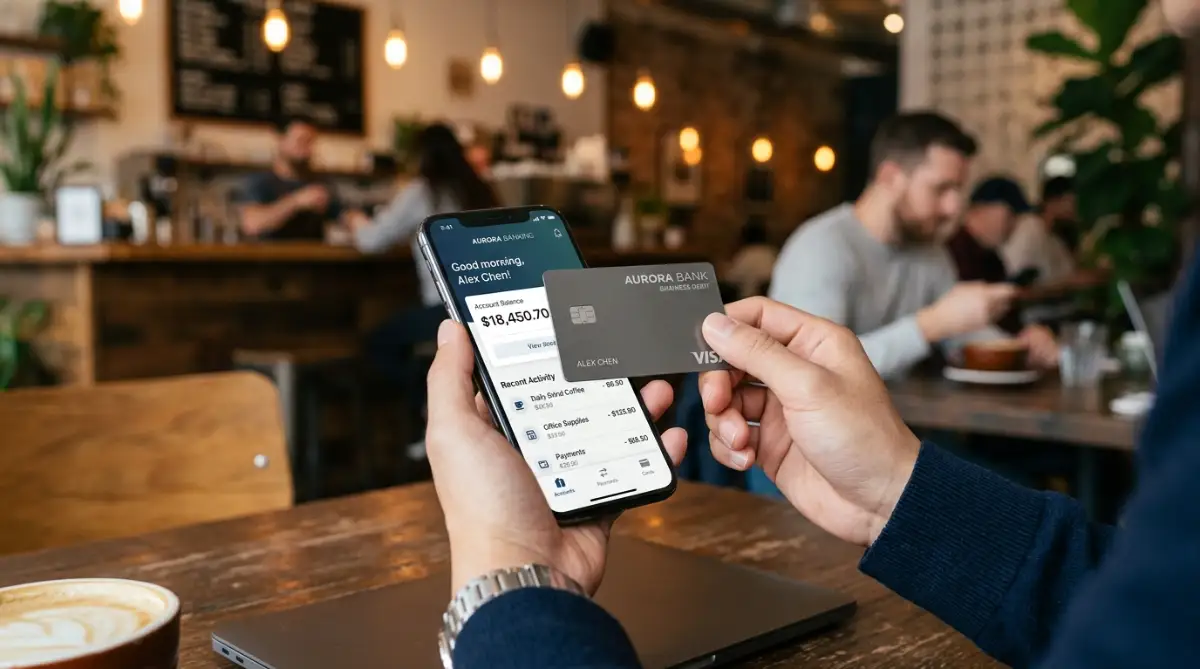
When I finally opened my first neo-bank account, I immediately created separate virtual debit cards for every single software subscription. This simple trick saved me hundreds of dollars when I needed to cancel a specific service instantly without affecting my other automatic payments. I never give out my master physical card number online anymore.
Best Business Bank Accounts for Startups
Watch this expert video breakdown comparing the best startup bank accounts today:
Advanced Banking Strategies for Growing Teams
Once your basic account is open, you must optimize your cash flow management for long-term growth. High inflation means that idle startup cash sitting in checking accounts constantly loses purchasing power over time. Premier platforms offer high-yield business savings tiers or automated treasury sweep accounts.
These treasury accounts earn highly competitive yields on your reserve funds automatically. You should also demand seamless real-time software ecosystem integrations from your chosen bank. Your banking platform must sync instantly with primary accounting platforms like QuickBooks Online or Xero.
If your startup operations include multiple team members, you need a bank that issues instant virtual debit cards. Being able to assign specific spending limits to your lead engineer or marketing director prevents accidental overspending. It also eliminates the need to constantly share physical credit cards around the office.
Many first-time founders struggle with personal finances while building their new business. Navigating federal vs private student loans can help you restructure personal debt before taking on massive business risks. Good personal financial habits directly translate into better corporate financial discipline.
Understanding credit early is important, much like knowing how to improve your credit score before applying for a mortgage. A strong personal credit score allows you to secure higher limits on your initial business credit cards. This gives your startup more breathing room during tight cash flow months.
Once your business banking is properly structured, you can start scaling your online presence efficiently. You can launch marketing pages quickly using easy AI website builders for small businesses. Connecting your new bank account to an automated website store ensures seamless payment processing from day one.
Deciding between a traditional brick-and-mortar bank and a digital fintech platform depends entirely on how you accept payments. If your business accepts physical cash daily, you absolutely need a local traditional bank branch. However, digital agencies and Saabs companies should almost always choose a tech-forward neo-bank.
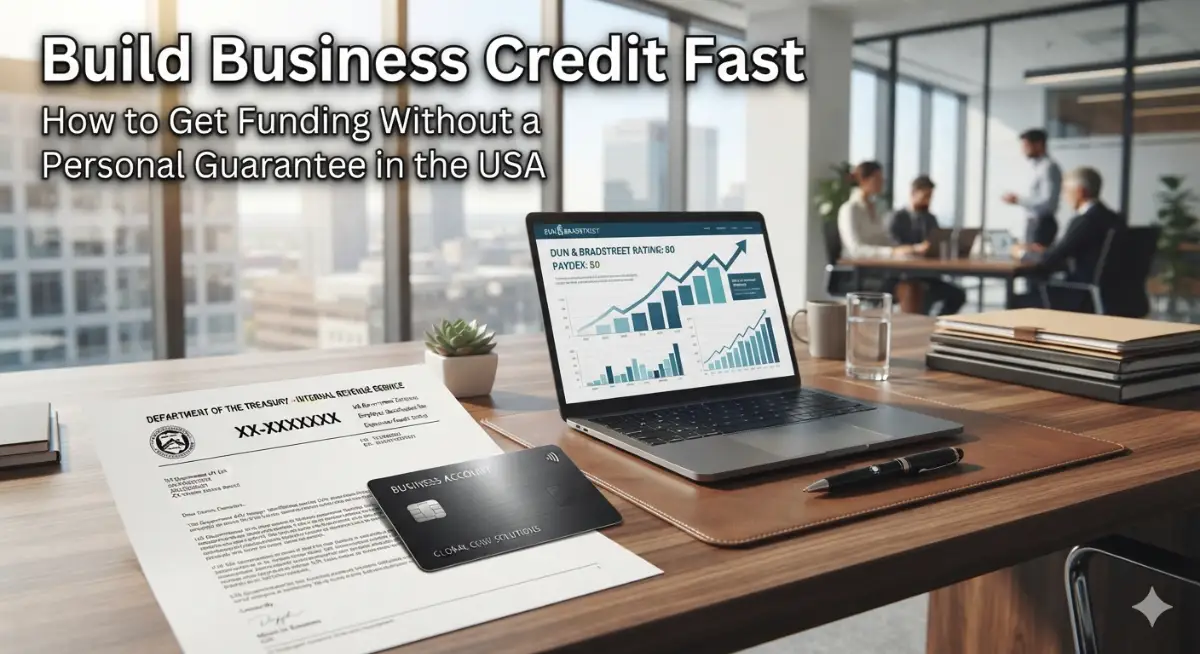
Opening an account online takes less than fifteen minutes if you prepare your documents beforehand. You will need your official IRS EIN letter and stamped state formation paperwork. Keeping digital copies of these documents ready speeds up the compliance review process significantly.

Common Financial Mistakes Founders Make
The most dangerous mistake any founder can make is co-mingling personal and business funds in the same account. Paying for personal groceries with your business debit card instantly breaches your corporate veil protections. If your company gets sued, courts can seize your personal assets because you blurred the financial lines.
Another major trap is ignoring the hidden fees associated with traditional banking structures. Paying fifteen dollars for every outgoing wire transfer to an overseas contractor drains your capital rapidly. You must select an account that offers free domestic and international wire transfers to preserve cash.
Lastly, many founders fail to set aside money for quarterly taxes during their first profitable year. You must create an automated system that sweeps twenty percent of all incoming revenue into a dedicated tax sub-account. Doing this prevents a massive, unexpected tax bill from destroying your cash flow in April.
Securing Your Financial Foundation
Selecting the ideal business bank account establishes the underlying financial architecture for your startup's future growth. The right platform eliminates administrative friction, automates cash management, and integrates seamlessly with your daily software tools. A powerful banking partner actively helps you scale instead of slowing you down.
Do not let legacy banking restrictions prevent you from hiring talent or paying vendors on time. Take charge of your company's finances today by switching to a modern platform built for speed. Gather your corporate paperwork, compare your options, and step confidently into a scalable future.
Looking back at my own bumpy journey, fully separating my finances was the smartest move I ever made. I sleep so much better knowing my personal assets are shielded from my business liabilities completely. Do not wait for a frozen account to force your hand like it forced mine!
Frequently Asked Questions
What do I need to open a startup bank account?
You will need your approved state formation documents, your IRS-issued EIN confirmation letter, and a signed operating agreement. You will also need a valid government ID for all owners with more than twenty-five percent equity.
Are digital neo-banks safe for my startup money?
Yes, leading digital platforms partner with established, heavily regulated partner banks to hold your funds. This ensures your deposits receive standard FDIC insurance protection up to legal limits.
Why should I avoid traditional banks for my tech startup?
Traditional banks often charge high monthly fees, require physical branch visits, and charge heavily for wire transfers. Their legacy software rarely integrates well with modern startup accounting tools like Gusto or Stripe.
Can I open multiple checking accounts for my business?
Platforms like Relay allow you to open multiple free sub-accounts under one single business entity. This is incredibly helpful for isolating payroll funds, operating expenses, and quarterly tax reserves.
What is a treasury sweep account?
A treasury sweep account automatically moves your idle, unspent cash into safe, yield-bearing government funds. This helps your startup earn passive interest on money that would otherwise lose value to inflation.
Financial & Banking Disclaimer: The information provided in this article is for educational, informational, and general operational guidance only and does not constitute formal financial, banking, tax, or legal advice. Financial technology companies (Fintech s) mentioned in this article are not FDIC-insured banks themselves; banking services are provided through FDIC-insured partner banking institutions. APPY s, bonus offers, fee structures, transaction limits, and FDIC sweep coverages are subject to change by financial providers. Founders are strongly advised to review current account disclosures directly on provider websites and consult with a Certified Public Accountant (CPA) or corporate attorney before making financial decisions.