How I Built $50,000 in Business Credit Without Risking My Personal Savings
When I launched my first company, I believed that hard work alone would be enough to secure corporate funding. I walked into my local bank with my company filing papers, ready to open a credit line for inventory.
The loan officer looked over my documents, smiled politely, and handed me a thick credit application. She highlighted a box at the bottom and told me I needed to sign a personal guarantee using my Social Security Number.
When I asked what that meant, she explained that my personal savings, home, and retirement accounts would be on the line if the business ever failed. I felt a cold knot in my stomach because I did not want my family's financial security tied to my company's risk.
I refused to sign the application and walked out of the bank feeling completely trapped and defeated. I knew there had to be a way for American entrepreneurs to build corporate credit that stands entirely on its own.
That rejection forced me to research corporate credit laws, commercial credit bureaus, and vendor reporting systems in America. Through trial and error, I discovered how to build a corporate credit profile completely separate from my personal score.
Within eight months, my business secured over fifty thousand dollars in credit lines without a single personal guarantee. Today, I am going to share that exact step-by-step roadmap with you so you can protect your personal assets while scaling your dream.
Starting a new company in the United States is exciting, but financial stress can quickly drain your enthusiasm. Most small business owners make the mistake of using personal credit cards or personal loans to cover business expenses.

When you mingle your personal assets with company debts, you put your personal credit score at risk every time you make a business purchase. If your company hits a rough patch, your personal FICO score can drop drastically overnight.
Building dedicated corporate credit eliminates that danger completely by creating an independent credit profile for your entity. This process allows your business to qualify for higher credit limits, better payment terms, and unsecured lines of credit based on company performance rather than your personal finances.
The Step-by-Step Blueprint to Build Business Credit Fast in the USA
Building corporate credit without a personal guarantee requires following a structured, step-by-step process. Lenders and credit bureaus evaluate your company against strict compliance standards before approving any credit lines.
If your company fails a single compliance check, your application will be denied automatically by automated underwriting systems. Following the four-tier blueprint below ensures that your entity passes every lender check with ease.
Phase 1: Establish Your Corporate Fundability Foundation
Before you apply for a single credit account, your business must look completely legitimate to commercial lenders and credit reporting agencies. Skipping these initial foundation steps is the number one reason credit applications get rejected.
1. Form a Formal Legal Entity
You cannot build separate business credit as a sole proprietor. You must register your business as a Limited Liability Company (LLC) or a Corporation with your state authority.
Make sure your company name matches across every single document, including state filings, tax records, and banking papers. Even a tiny mismatch like using "Inc." on one document and "Incorporated" on another can cause automated system denials.
2. Obtain a Federal EIN Number
Get a Federal Employer Identification Number (EIN) directly from the official IRS website. Your EIN acts as the Social Security Number for your business entity.
Never pay a third-party service to get an EIN for you because the IRS provides it for free in just a few minutes online. You will use this number on every commercial credit application instead of your personal Social Security Number.
3. Set Up a Physical Business Address and Dedicated Phone Line
Lenders perform automatic database checks to verify your physical location. Using a P.O. Box or a residential home address can raise red flags with commercial underwriting algorithms.
Instead, use a commercial office space or a virtual office service that provides a real commercial street address. Additionally, get a dedicated business phone number and make sure it is listed in the 411 directory.
4. Open a Dedicated Business Checking Account
Open a business checking account in your exact legal company name and deposit your initial capital here. All company revenue and expenses must flow through this dedicated account.
Lenders require a clean, active business checking account to verify cash flow when approving higher credit limits. If you are setting up your online presence at the same time, using easy AI website builders for small businesses helps you launch a professional website quickly to pass lender compliance checks.
5. Register with Commercial Credit Bureaus
Your personal credit is tracked by Equifax, Experian, and TransUnion. Business credit in the US is tracked primarily by three different agencies:
- Dun & Bradstreet (D&B): The largest commercial credit bureau in the world. You must request a free D-U-N-S Number on their website to start your file.
- Experian Commercial: Tracks commercial credit cards, trade lines, and legal filings.
- Equifax Small Business: Monitors corporate financial accounts and banking relationships.
Phase 2: Start with Tier 1 Vendor Net-30 Starter Accounts
Tier 1 accounts are starter vendor accounts that do not require a personal credit check or a personal guarantee. These companies sell everyday office supplies, shipping materials, and cleaning products to businesses on credit.
They offer "Net-30" payment terms, which means you have thirty days to pay your invoice after purchasing products. These vendors report your payment history directly to Dun & Bradstreet, Experian Commercial, and Equifax Small Business.
Top Tier 1 Vendor Accounts to Open:
- Uline: Sells shipping boxes, packaging supplies, and warehouse equipment. They require a small initial order and report monthly to credit bureaus.
- Quill: Sells office supplies, paper, cleaning products, and snacks. Ordering fifty dollars worth of supplies each month builds your payment history quickly.
- Grainger: Sells industrial supplies, tools, and safety gear. They approve new entities easily and report payment activity regularly.
- CEO Creative: Offers office decor, custom branding items, and stationery with instant Net-30 approval for new businesses.
- Summa Office Supplies: Provides digital products and basic office items while reporting consistently to major business credit bureaus.
How to Process Tier 1 Accounts Correctly:
1. Purchase $50 to $100 worth of items you actually need for your business from at least three different vendors.
2. Choose "Net-30 Terms" or "Invoice Me" at the checkout screen.
3. As soon as you receive the invoice, pay it within 10 to 15 days.
4. Repeat this process for two to three billing cycles until you see three to five active trade lines reporting on your credit file.
Phase 3: Move Up to Tier 2 Store Credit Accounts
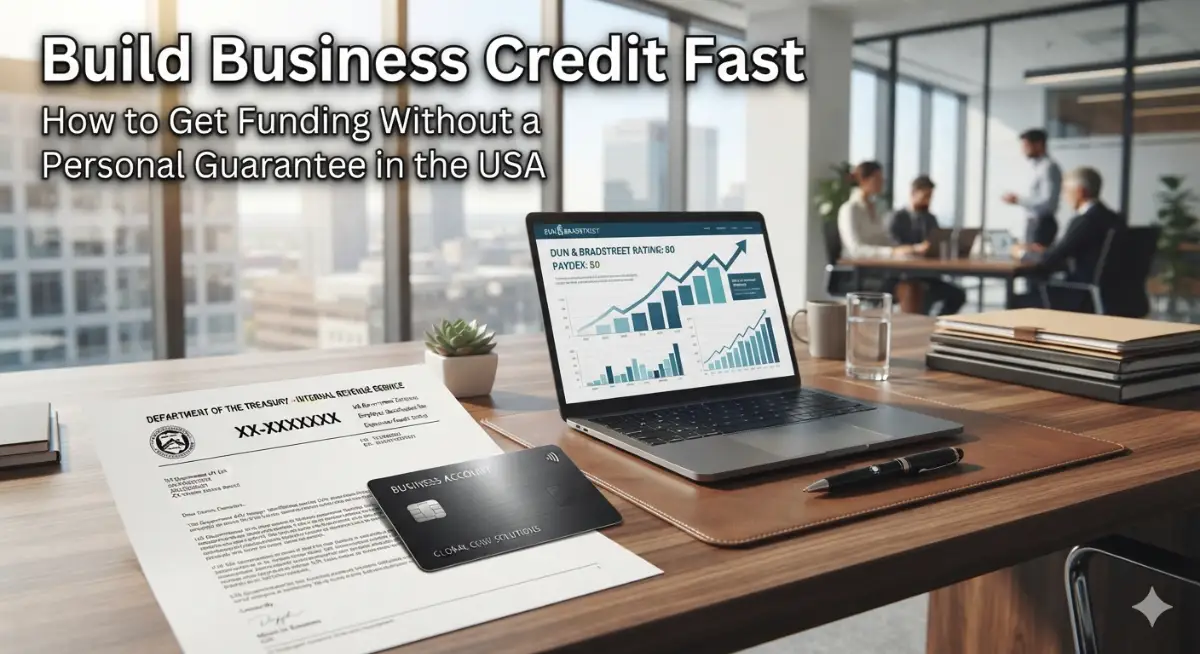
Once you have at least three to five Tier 1 trade lines reporting on your business credit reports, your Dun & Bradstreet Pay dex score will generate automatically. A Pay dex score ranges from 1 to 100, where an 80 score represents perfect on-time payments.
With an 80 Pay dex score established, you can advance to Tier 2 store credit accounts. These accounts give you revolving store credit lines without requiring a personal guarantee.
Top Tier 2 Accounts:
- Home Depot Commercial Account: Offers store credit for building supplies, tools, and maintenance equipment.
- Lowe's Pro Pay: Provides store credit lines for hardware, office maintenance, and supplies.
- Amazon Business Line of Credit: Offers revolving credit terms for purchasing business inventory and equipment on Amazon.
- Sam’s Club or Costco Business Credit: Gives you store credit lines for bulk supplies, electronics, and office food.
Phase 4: Secure Tier 3 Revolving Cash Credit Cards (No Personal Guarantee)
After successfully managing Tier 1 and Tier 2 accounts for ninety days, your business credit file will show strong commercial depth. Now you can apply for Tier 3 corporate cash cards that offer real Visa, Mastercard, or American Express credit lines.
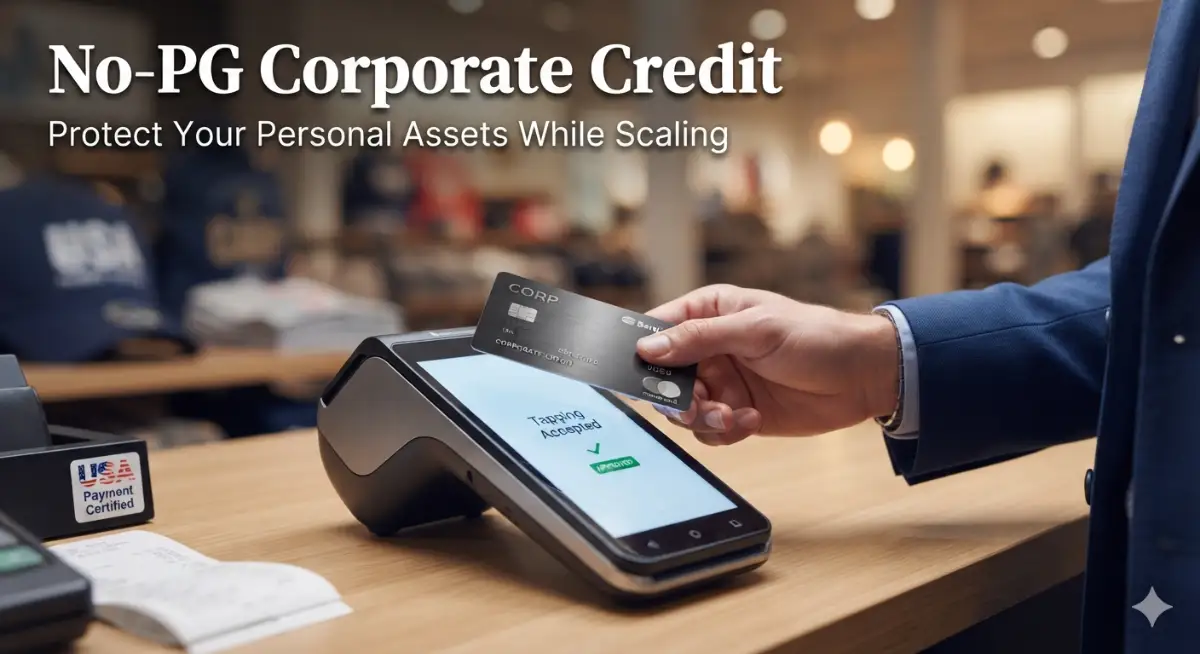
Unlike consumer credit cards, modern financial technology companies issue corporate cards that evaluate your company's revenue and bank balance rather than your personal FICO score.
Top Tier 3 Corporate Cards with No Personal Guarantee:
- Ramp Corporate Card: Offers high credit limits based on your business bank account balance with no personal guarantee or personal credit check.
- BILL Divvy Corporate Card: Provides revolving corporate credit lines based on company cash flow and automated budgeting controls.
- Brex Card: Grants substantial credit limits to incorporated businesses with healthy cash reserves, offering rewards without personal liability.
- Fleet Fuel Cards (WEX / Shell / BP): Provides gas and vehicle maintenance credit lines for company cars without personal guarantees.
Before taking on major corporate debt, learning how to improve your credit score before applying for a mortgage or loan gives you valuable insights into how scoring algorithms evaluate risk.
Summary of Business Credit Tiers
Debunking Myths About Business Credit in the USA
- Myth 1: You must provide your Social Security Number for every business credit application.
- Reality: You only need your SSN if you are signing a personal guarantee. Corporate credit providers like Ramp, Brexit, and Net-30 vendors evaluate your EIN and business cash flow instead.
- Myth 2: Building business credit takes several years to complete.
- Reality: If you follow a structured tier strategy and pay Net-30 invoices early, you can build an 80+ Pay dex score in 60 to 90 days.
- Myth 3: Business credit automatically impacts your personal credit score.
- Reality: Business credit files are completely separate from consumer credit files. Your personal credit score is never affected unless you sign a personal guarantee and default on the debt.
My Personal Pro Tip: Always pay your Net-30 vendor invoices within 10 to 15 days of the invoice date rather than waiting for the 30th day. Dun & Bradstreet calculates your Pay dex score based on payment promptness. Paying 15 days early earns you a perfect 100 Pay dex score, whereas paying on the 30th day only earns you an 80 score!
If you want a step-by-step video breakdown on setting up your business credit accounts, watch this video below:
Advanced Strategies to Scale Your Business Credit Limits to $100,000+
Once you master the basics of building corporate credit, you can use advanced financial strategies to scale your available credit lines to six figures. High credit limits provide your company with the working capital needed to purchase inventory, hire staff, and navigate cash flow fluctuations safely.
The first strategy is optimizing your Standard Industrial Classification (SIC) and North American Industry Classification System (NAICS) codes. Lenders assign risk levels to different industries based on statistical failure rates.
If your business is classified under high-risk industries like real estate investing, trucking, car dealerships, or restaurants, underwriting systems will restrict your credit limits automatically. Choosing a neutral, low-risk classification code like management consulting or computer services keeps your application in low-risk underwriting tiers.
The second strategy is maintaining a healthy bank rating with your commercial bank. Banks assign an internal rating to your business account based on your average daily balance over a 90-day period.
A Low-5 bank rating means you maintain an average balance between $10,000 and $39,999 in your account at all times. Keeping a healthy daily balance proves to credit underwriters that your company has the liquidity needed to service higher credit lines.
If you are balancing personal or student obligations while growing your enterprise, organizing your personal debts is equally important. Reviewing federal vs private student loans: how to choose wisely helps keep your personal cash flow structured while your business scales.
Similarly, many successful business owners got their start by taking low-cost finance courses at the best community colleges in the USA for affordable education to master corporate financial principles.
Finally, protect your physical and digital business assets as your credit profile grows. Just like learning how to choose your first home insurance policy without stress safeguards your personal residence, securing commercial property and liability insurance protects your company's growing physical assets.
Major Mistakes That Destroy Your Corporate Credit Before You Start
Building business credit without a personal guarantee is a rewarding process, but making simple mistakes can stall your progress for months. The most common pitfall is rushing the process and applying for Tier 3 cash cards before establishing starter trade lines.
When automated credit algorithms scan your D&B file and find zero reporting trade lines, your application is rejected instantly. Respect the tier progression and wait until you have at least three to five active vendor trade lines reporting before moving up.
Another major mistake is using personal contact information on business filings. Listing your personal cell phone or home address on credit applications makes your company look like an unestablished hobby rather than a legitimate corporation.
Always use dedicated commercial addresses, business phone numbers, and professional company email domains on every single document.
Lastly, never fall for scams offering to sell "aged shelf companies" or fake credit profiles. Buying an old dormant entity to trick lenders into granting quick credit is considered bank fraud by federal authorities.
Building legitimate business credit takes a little patience, but doing it the right way creates a valuable corporate asset that lasts for the life of your company.
Building Your Corporate Financial Freedom Today
Building business credit without a personal guarantee is one of the most powerful moves you can make as an American entrepreneur. It protects your personal family assets, expands your borrowing power, and gives your business the financial fuel it needs to grow.
By following the four-tier framework, paying your vendor invoices early, and maintaining strict corporate compliance, you can build a strong corporate credit profile in a few short months. Every corporate credit line you secure is another step toward total financial independence for your business.
I hope this guide gives you the confidence to take control of your company's financial future. Start by setting up your corporate foundation today, open your first Net-30 vendor accounts, and watch your business credit score rise!
Frequently Asked Questions About Building Business Credit
Can I build business credit without a personal guarantee if my business is brand new?
Yes, you can build business credit for a new company by starting with Tier 1 Net-30 vendor accounts that do not require a personal guarantee or personal credit check. These vendors evaluate your corporate entity setup and EIN rather than your company's operational age.
How long does it take to get a Pay dex score from Dun & Bradstreet?
It typically takes 60 to 90 days to generate a Pay dex score once you have at least three active Net-30 trade lines reporting payment activity to Dun & Bradstreet. Paying your vendor invoices early accelerates this process.
Will applying for business credit hurt my personal credit score?
No, applying for business credit will not affect your personal credit score as long as you apply for accounts that do not require a personal guarantee or hard inquiry on your personal credit reports.
What is the minimum Pay dex score needed for business store credit?
A Dun & Bradstreet Pay dex score of 80 is considered the standard benchmark for on-time payments. Most Tier 2 store credit providers require a Pay dex score of 80 or higher for approval without a personal guarantee.
Can a single-member LLC build business credit without a personal guarantee?
Yes, a single-member LLC can build business credit independently without a personal guarantee. The key requirement is maintaining strict separation between your personal finances and your corporate LLC bank account.
Category Disclaimer
The information provided in this article is for educational and informational purposes only and does not constitute formal legal, tax, or financial advice. Business credit approval requirements and corporate lending policies vary by financial institution and state regulations. Always consult with a certified public accountant or licensed attorney before making major corporate financial decisions.