Overcoming High US Tuition Barriers Through Smart Planning
When I first looked into studying abroad, the sheer price tag of American universities left me feeling completely defeated. My parents and I calculated the four-year expenses at prominent institutions, and the total crossed $200,000—a sum that would have completely wiped out our life savings and left us trapped in heavy debt. I felt like my dream of experiencing American higher education was slipping away before it even began. Fortunately, I discovered the community college 2+2 transfer system, which allowed me to complete my general education requirements locally at a fraction of the cost before transferring credits smoothly to a major university. That strategic decision saved my family tens of thousands of dollars and taught me that achieving your goals abroad does not require financial ruin, just smart, unconventional planning.
The United States remains the premier global destination for international students seeking world-class academic standards, cutting-edge research opportunities, and vibrant career prospects. However, the dream of earning an American university degree is frequently derailed by a formidable barrier: astronomical tuition costs. Attending a four-year public or private American university can cost anywhere from $35,000 to over $70,000 per academic year when accounting for tuition, mandatory campus fees, room, and board. For middle-class families around the globe, these figures represent an insurmountable financial hurdle.
Fortunately, a smart, legitimate, and highly effective academic model allows international students to cut the total cost of an American bachelor's degree by more than half without sacrificing institutional prestige. This strategic route is known as the Community College 2+2 Transfer Pathway. By completing the first two years of general undergraduate requirements at an affordable community college and transferring those earned credits to a prestigious four-year university, students can earn a diploma from renowned institutions like UCLA, UC Berkeley, Cornell, or the University of Virginia. In this ultimate guide, we will break down how the community college system works, highlight the top institutions in the US, and detail how you can achieve a world-class education within an accessible budget.
 Demystifying Community Colleges: How the 2+2 Transfer Model Works
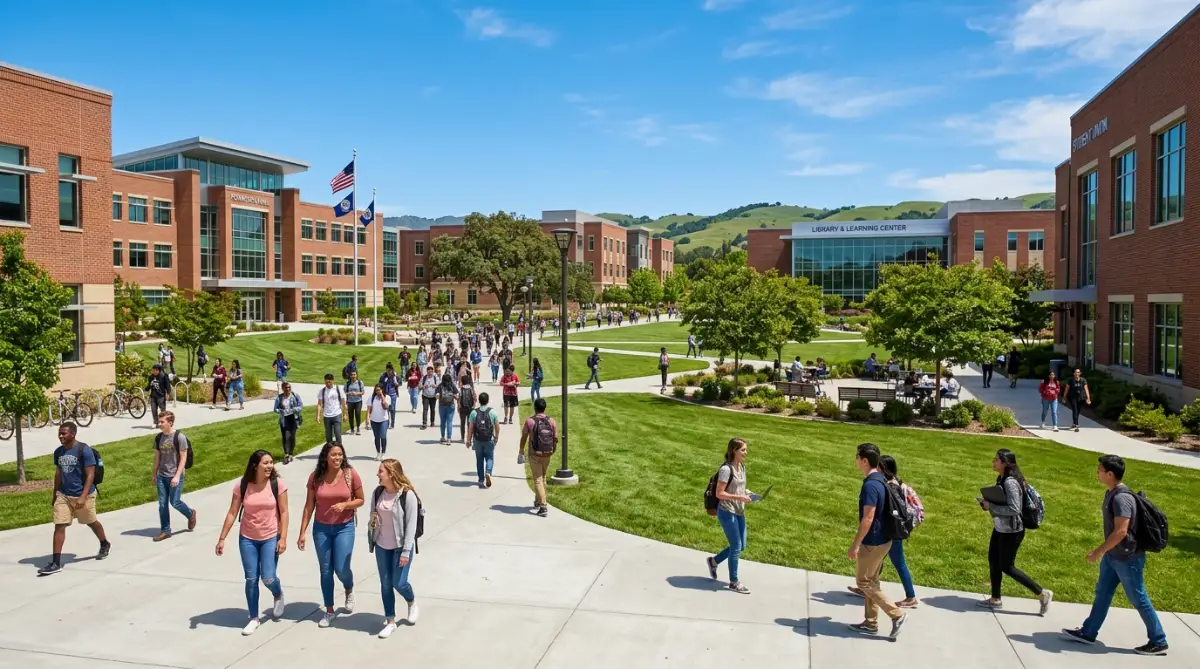
Community colleges—also known as junior colleges—are accredited post-secondary institutions offering two-year academic programs leading to an Associate of Arts or Associate of Science degree. Within the US educational ecosystem, these colleges fulfill two main objectives: providing career-focused vocational training and offering university-parallel transfer tracks.
The 2+2 transfer model operates with seamless efficiency. During your first two years at a community college, you complete lower-division general education coursework along with foundational prerequisite classes in your chosen major—earning approximately 60 transferable academic credits. Upon finishing your associate degree, you transfer those credits to a four-year university, where you complete the remaining 60 credits over your junior and senior years. Crucially, your final bachelor's degree certificate is issued solely by the four-year university, bearing no distinction that you began your academic journey at a community college.
Community College vs. Four-Year University Cost Comparison
My Personal Pro Tip
When selecting a community college, my personal pro tip is to choose an institution located in a state that features formal Transfer Admission Guarantee (TAG) contracts. Securing a TAG agreement locks in your pathway to a top-tier university as long as you maintain the agreed-upon GPA requirements.
Visual Insight: Real Student Experiences at US Community Colleges
Watch this comprehensive video analysis to gain a realistic, firsthand perspective on how international students manage housing, navigate visa interviews, and handle academic workloads at US community colleges!
Five Compelling Advantages of Starting at a Community College
Beyond tremendous financial relief, starting your higher education at a community college offers strategic academic and personal benefits that often surpass the direct university experience:
- Accessible Admission Requirements: Direct freshman admission to elite US universities requires high high-school GPAs, competitive SAT scores, and strict English proficiency results. Community colleges offer flexible admissions, requiring no SAT scores and lower English proficiency benchmarks.
- Guaranteed Transfer Pathways: States like California and Virginia feature formal Transfer Admission Guarantee agreements. By maintaining a specified GPA at a community college, your admission into top university campuses is legally guaranteed.
- Smaller Class Sizes and Direct Professor Access: Introductory freshman lectures at massive public universities frequently seat hundreds of students and are taught by teaching assistants. Community college classes are capped at 25 to 30 students and taught directly by dedicated professors.
- Dual OPT Work Opportunities: Completing an associate degree allows international students to apply for 12 months of Optional Practical Training work authorization, followed by another round after their bachelor's degree.
- Gentle Cultural Adaptation: The supportive, community-focused environment of junior colleges helps international students refine academic skills, adapt to American culture, and build confidence before entering intense university environments.
As you plan your transition into the American academic system, managing your finances and living arrangements responsibly is crucial. Make sure you understand how to protect your personal belongings and living space by reading our guide on how to choose your first home insurance policy to ensure absolute security off-campus.
Building a strong financial foundation also involves monitoring your credit and loan obligations carefully. Review expert strategies on how to improve your credit score to secure better financial terms as you progress in your studies. Furthermore, when evaluating funding options for your final years at a university, understanding the nuances covered in our breakdown of federal vs private student loans will keep you safe from predatory borrowing terms.
Common Mistakes and Pitfalls to Avoid
International applicants can encounter serious transfer hurdles if they fail to plan their course schedules correctly:
- Taking Non-Transferable Courses: Enrolling in vocational or remedial classes that do not count toward university general education requirements.
- Ignoring Major Prerequisite Deadlines: Failing to complete mandatory lower-division major courses during the first two years, delaying university graduation.
- Failing to Maintain GPA Thresholds: Letting grades drop below the minimum GPA required for guaranteed transfer articulation agreements.
- Underestimating Living Expenses: Budgeting solely for tuition while ignoring local housing inflation, food, and mandatory health insurance costs.
Developing practical digital skills and exploring alternative learning methods can also give you a professional edge during your studies. For those looking to build independent side projects or learn remote technical tools, check out our insights on easy ai website builders for small businesses to boost your resume and earning potential affordably.
Strategic Planning for a Bright Future
Higher education is one of the most transformative investments you can make in your future, but it should not require overwhelming debt or crippling financial anxiety. The US community college system offers a proven, highly respected, and remarkably affordable pathway for ambitious international students to reach the pinnacle of global academic success.
Reflecting on my own academic journey, choosing an affordable and strategic entry point made all the difference. I encourage you to explore the community college 2+2 transfer pathway, stay focused on your grades, and unlock your global potential without breaking the bank.
Transfer Pathway Do's and Don'ts
Frequently Asked Questions
What is the 2+2 community college transfer pathway?
The 2+2 pathway allows students to study two years at a community college to earn an associate degree and then transfer to a four-year university to complete their bachelor's degree.
Do universities distinguish community college credits on the final diploma?
No, your final bachelor's degree diploma is issued solely by the graduating four-year university, making your degree identical to that of students who studied all four years on campus.
Are SAT scores required for international students at community colleges?
Most community colleges offer open or flexible admissions policies that do not require SAT or ACT scores, making them accessible to international applicants.
Can international students work while studying at a community college?
Yes, F-1 visa regulations permit international students to work up to 20 hours per week on campus during academic semesters.
How much money can I save using the 2+2 transfer model?
Families can save upwards of $50,000 USD or more during the first two years by paying lower community college tuition rates before transferring to a university.
Disclaimer: The information provided in this article is for educational and informational purposes only. Tuition fees, admission criteria, transfer policies, and visa regulations in the USA are subject to change over time. Readers are strongly advised to verify current details directly with official university portals or consult certified academic advisors before making financial or educational decisions.