Avoiding the Devastating Trap of Unaccredited Degrees
When I first researched online degree programs years ago, I almost enrolled in a fast-track business management course that promised a full bachelor's degree in just 18 months based on work experience. The slick website featured glowing testimonials, professional video clips of campus grounds, and a badge claiming international academic endorsement. Luckily, before I submitted my credit card details for the first tuition installment, a mentor advised me to check the institution's official accreditation standing on government databases. To my shock, the accrediting board listed on their site was a completely fake entity operated out of a post office box, meaning my hard-earned money would have purchased a worthless piece of paper. That terrifying realization changed how I approach education forever, teaching me that verifying accreditation credentials independently is the single most important step you can take before committing your time and finances to any school.
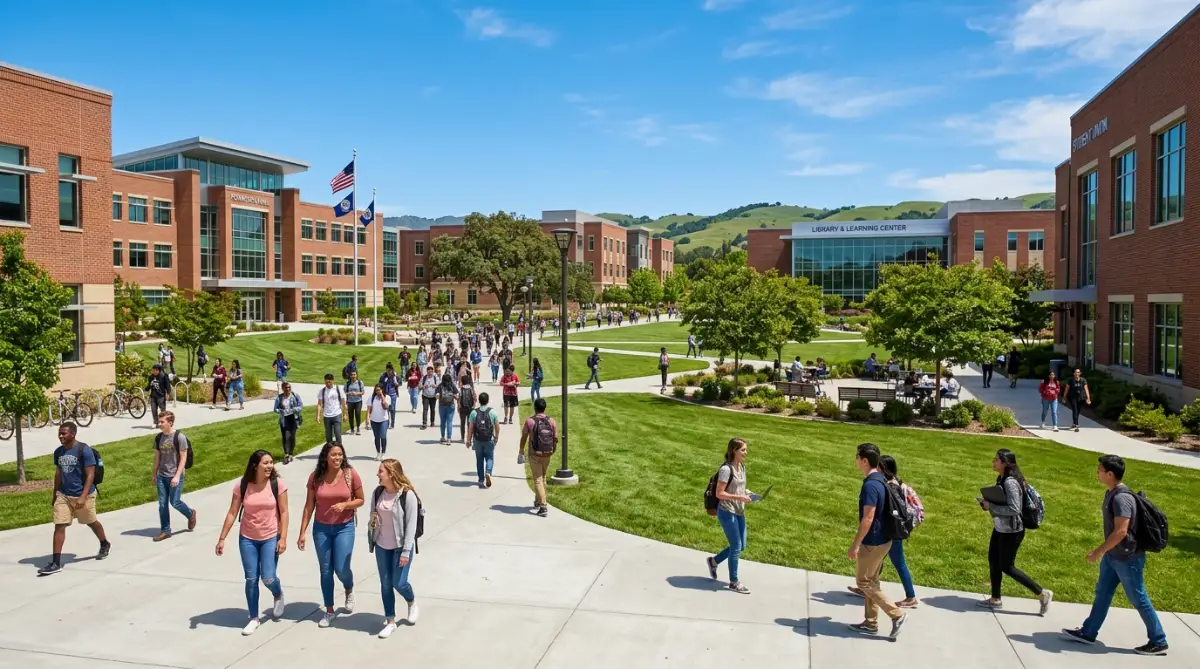
When prospective students research colleges and universities, they are routinely overwhelmed by glossy promotional brochures, impressive campus infrastructure, rankings lists, and marketing promises. Millions of dollars are spent by institutions showcasing athletic facilities, modern residence halls, and state-of-the-art laboratories. However, beneath the surface of campus aesthetics lies a single, invisible factor that ultimately determines whether your degree is a valuable, life-changing credential or an expensive piece of paper: Academic Accreditation.
Accreditation is the foundational pillar of academic integrity, educational quality, and professional validity. It serves as the official seal of approval that tells employers, graduate schools, licensing boards, and government agencies that an institution meets rigorous quality standards. Yet, despite its monumental importance, accreditation remains one of the most misunderstood and overlooked aspects of higher education planning. Enrolling in an unaccredited or improperly accredited institution can lead to devastating financial loss, rejected credit transfers, and an unusable degree. In this comprehensive guide, we will unpack what accreditation actually is, how it functions, the different types of accreditation you must know, and why it is essential for protecting your educational investment.

The Three Levels of Accreditation: Regional vs. National vs. Programmatic
Not all accreditations carry the same weight, authority, or prestige. One of the most common pitfalls for students is assuming that because a school uses the word accredited on its website, its degree will be universally accepted. In reality, higher education features three distinct categories of accreditation, each serving different purposes and carrying vastly different levels of transferability:
Institutional and Programmatic Accreditation Categories
My Personal Pro Tip
When evaluating online or traditional programs, my personal pro tip is to cross-reference the school's accrediting agency directly with the official database managed by the US Department of Education. Never trust a college website at face value; always verify that their listed accreditor is recognized by federal or international academic oversight bodies.
Visual Insight: Understanding College Accreditation Standards
To gain a crystal-clear understanding of how accrediting agencies operate, how to evaluate prospective colleges, and how to protect yourself from predatory institutions, watch this informative video breakdown!
Why Accreditation Is Critical for Your Future
Why should you care about accreditation once you step into the classroom? Because the accreditation status of your institution directly impacts nearly every aspect of your professional, financial, and academic life following graduation:
1. Qualification for Federal Financial Aid and Scholarships
In many countries, including the US, students cannot access federal financial aid, government-backed student loans, or military education benefits unless they are enrolled at an officially recognized accredited institution. Unaccredited colleges cannot participate in federal aid programs, forcing students to pay out-of-pocket or rely on high-interest private credit cards.
2. Seamless Credit Transferability
Life is unpredictable, and many students transfer between institutions, earn associate degrees at community colleges, or pursue advanced graduate degrees later in life. Regionally accredited universities will only accept transfer credits from other regionally accredited institutions. Attending an unaccredited school means every credit hour you complete remains locked, preventing you from building upon your past academic work.
3. Employer Recognition and Career Advancement
Modern corporate human resources departments routinely run automated background checks on job applicants. Employers want confidence that an applicant's degree represents true intellectual mastery and rigorous training. Degrees earned from unaccredited schools or notorious diploma mills are routinely flagged and discarded during hiring processes.
4. Occupational Licensing and Certification
If you aspire to work in licensed fields—such as medicine, nursing, engineering, law, psychology, accounting, or teaching—graduating from a program with appropriate specialized accreditation is an absolute legal requirement. State licensing boards will refuse to issue professional licenses to graduates of unaccredited programs, effectively barring them from practicing their profession.
As you manage your college financing and tuition payments, keeping your overall debt structure organized is vital. Review structured options for funding your education by exploring our insights on federal vs private student loans to avoid costly borrowing mistakes.
Maintaining financial stability also requires protecting your credit history and personal assets. Check out our guide on how to improve your credit score to strengthen your personal financial profile. Additionally, safeguarding your primary household properties through proper planning—such as reading how to choose your first home insurance policy—guarantees comprehensive family security.
 The Danger of Diploma Mills and Fake Accreditation
The rise of online learning has opened extraordinary doors for accessible education, but it has also fueled a dangerous shadow industry: diploma mills. Diploma mills are fraudulent organizations that sell illegitimate degrees and unearned certificates in exchange for cash payments, requiring little to no academic effort.
To trick unsuspecting students, diploma mills often invent fake accrediting bodies with legitimate-sounding names—a practice known as accreditation mill fraud. They create impressive websites claiming to be certified by international boards that hold zero legal recognition.
- Degrees for Cash or Life Experience: Promising a full degree in weeks based entirely on resume reviews or life experience.
- Aggressive Sales Tactics: Pressuring applicants to enroll immediately with today-only tuition discounts.
- Name Similarities to Famous Universities: Adopting names that closely mimic prestigious institutions to confuse applicants.
- Lack of Physical Campus or Verified Faculty: Operating out of a post office box with no permanent faculty members.
Developing practical digital skills and exploring alternative learning methods can also give you a professional edge during your studies. For those looking into alternative career preparation or independent training avenues, reviewing resources on easy ai website builders for small businesses or exploring opportunities at best community colleges in the usa for affordable education provides pragmatic, low-cost pathways to professional success.
Safeguarding Your Academic and Financial Investment
Earning a university degree requires a massive commitment of time, energy, intellectual discipline, and financial capital. It is an investment designed to open professional doors, elevate your earning potential, and broaden your intellectual horizons for the rest of your life. However, all of that effort and financial sacrifice can be rendered meaningless if you fail to verify one fundamental factor: accreditation.
Reflecting on my close encounter with a fake online college years ago, I cannot stress enough how vital independent verification is. Always double-check official government databases, protect your hard-earned money, and ensure your education opens genuine doors for your future.
Accreditation Checklist Do's and Don'ts
Frequently Asked Questions
What is academic accreditation?
Academic accreditation is an independent peer-review process that evaluates and verifies the educational quality and integrity of colleges and universities.
Why is regional accreditation considered the gold standard?
Regional accreditation applies to traditional non-profit and state universities, offering the highest level of credit transferability and employer recognition.
Can I get federal student aid at an unaccredited school?
No, students cannot receive federal financial aid or government-backed student loans unless they attend an officially recognized accredited institution.
What is a diploma mill?
A diploma mill is a fraudulent organization that sells fake degrees and unearned academic credentials for cash without requiring legitimate coursework.
How can I verify if a university is officially accredited?
You can verify a school's accreditation status by searching official government databases such as the US Department of Education DAPIP portal.
Disclaimer: This article is published for educational and informational purposes only. Accreditation statuses, state licensing requirements, institutional policies, and federal recognition of accrediting bodies are subject to change. Readers are strongly advised to verify current accreditation details directly through official government databases or consult certified academic advisors before making educational or financial commitments.