
Mastering Airfare: The Ultimate Insider’s Guide to Finding Cheap Flights from the USA
Tired of watching flight prices fluctuate wildly while you try to plan your next vacation? Securing affordable air tickets doesn't have to feel like a guessing game. In this comprehensive guide, we break down how airline pricing algorithms work, how to leverage powerful search aggregators like Google Flights and Skyscanner, and how to use advanced tricks like positioning flights and mistake fare alerts to slash your travel costs by up to 80%. Take control of your travel budget today and unlock the world for a fraction of the usual price.
Airfare is almost universally the single largest line-item expense on any travel budget. Whether you are planning an international family vacation, returning home to visit relatives abroad, or embarking on a solo adventure, the cost of commercial airline tickets can instantly make or break your trip's feasibility. For millions of travelers departing from airports across the United States, airline pricing feels completely chaotic and arbitrary. Two passengers sitting side-by-side in identical economy seats on the exact same flight from New York to London may have paid radically different amounts—one passenger paying $1,200 while the other paid $350. When I first encountered this massive price gap for my own family travels, I felt deeply frustrated and helpless against complex airline ticketing systems. My monthly bills were already stretching my wallet thin, leaving me to wonder if affordable international travel was completely out of reach. I realized I needed to stop guessing and start treating flight booking as a strategic skill rather than a game of luck. By changing how I searched and tracked airfares, I unlocked a repeatable system that forever eliminated my fear of high ticket prices.
This massive price disparity exists because commercial airlines utilize sophisticated Yield Management Algorithms that dynamically adjust ticket prices thousands of times per second based on historical demand, search volume, seat inventory, competition, and passenger purchasing patterns. Finding cheap flights from the US is not a matter of luck, nor does it require relying on outdated myths like clearing browser cookies.
Instead, finding cheap airfare is an actionable skill grounded in understanding airline algorithms, leveraging modern search tools, mastering timing windows, and applying secret fare strategies. In this ultimate guide, we reveal the exact science of unlocking cheap flights from the USA, breaking down top flight search engines, prime booking windows, positioning flight hacks, and mistake fare opportunities.

1. The Mechanics of Airline Dynamic Pricing
To consistently beat airline prices, you must understand how airline pricing algorithms segment ticket buyers into distinct behavioral groups:
- Leisure Travelers (Price Sensitive): Book months in advance, seek lowest prices, flexible on travel dates. Airlines sell early cheap fare buckets to secure baseline revenue.
- Business Travelers (Time Sensitive): Book last-minute within 14 days of departure, require specific flight times, non-flexible schedules. Airlines spike prices dramatically near departure to extract maximum corporate budgets.
- Dynamic Demand Triggers: If a specific flight route receives a sudden surge in search traffic or booking velocity, automated yield software automatically closes cheap fare buckets and opens higher-tier pricing.
To analyze broader consumer spending economics and leisure travel budgeting strategies, explore our guide on affordable educational options and smart budgeting.
2. Mastering the Premier Flight Search Engines and Aggregators
Never rely on a single flight booking website. Combining multiple search engines takes advantage of their unique algorithmic strengths:
My Personal Pro Tip: Whenever I search for international flights on Google Flights, I always use the grid view to check departure dates shifted by two days in either direction. In my experience, shifting a Friday departure to a Wednesday routinely saves me over $300 on long-haul routes without altering my actual vacation length.
Watch this video guide for a visual walkthrough of flight search applications, fare aggregators, and price tracking tools:
3. The Art of Strategic Timing: When to Book and When to Fly
Timing your ticket purchase is critical to locking in optimal airfare rates across major domestic and international routes:
- The Goldilocks Booking Window: For US domestic flights, book between 28 and 75 days before departure. For international long-haul flights, target between 60 and 180 days out.
- Fly Mid-Week Days: Flights departing on Tuesdays, Wednesdays, and Saturdays are routinely 20% to 35% cheaper than Friday and Sunday peak weekend departures.
- Embrace Shoulder Season Travel: Travel during April–May or September–October. Weather remains ideal across most regions, yet airfares drop significantly compared to peak summer rushes.
4. Advanced Secret Fare Hacks for Maximum Airfare Savings
If standard flight searches yield high prices, apply these advanced flight-finding tactics to slash costs:
- The Positioning Flight Hack: If you live near a regional US airport, international flights can be pricey due to low competition. Search for flights departing from major gateway hubs (JFK, LAX, ORD) and buy a separate cheap budget flight to reach that hub.
- Catching Mistake Fares: Automated airline ticketing systems occasionally experience computational errors or currency glitches, resulting in 70% to 90% discounts. Subscribe to deal alert services to catch these rare windows.
- Leveraging Credit Card Point Transfers: Instead of redeeming bank rewards points at a flat rate, transfer points directly to international airline loyalty programs to book transatlantic flights for a fraction of the usual cash price.
To learn how students and families can save money on educational and recreational travel, explore our guide on improving your credit score before applying for financial products. Additionally, review our tips on managing household protection policies without stress and explore simple website building tools for small businesses if you run a remote side venture.
 5. Common Pitfalls to Avoid When Booking Airfare
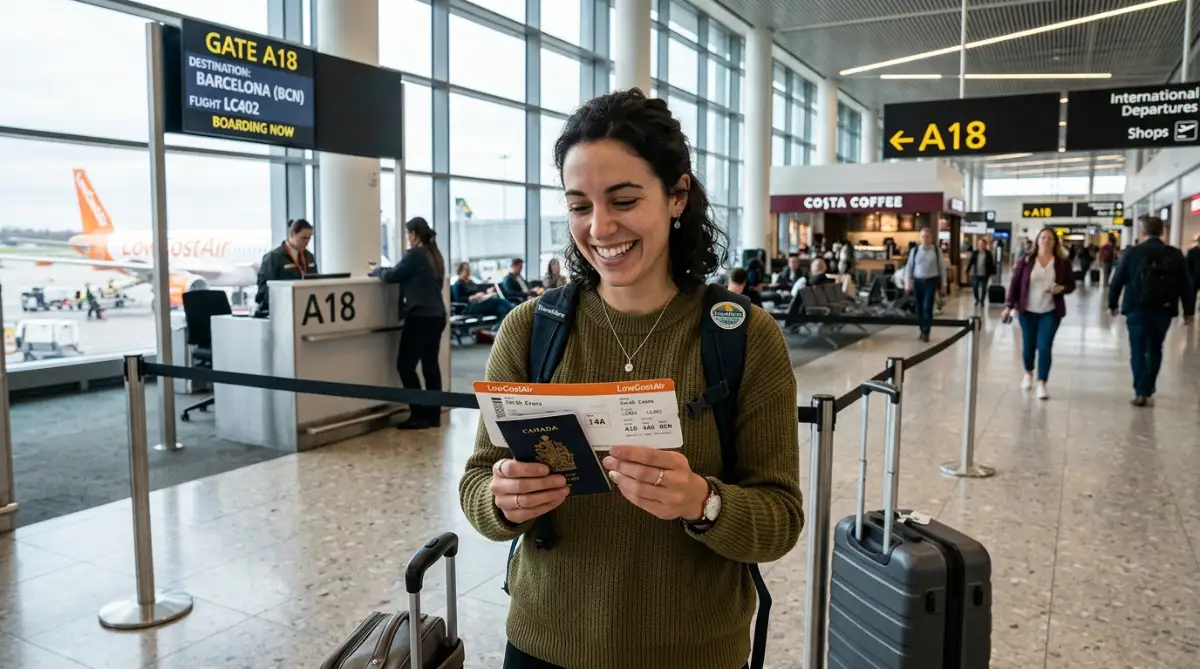
Even seasoned travelers make mistakes that inflate their travel expenses. Avoid booking non-refundable tickets during a mistake fare window before the airline officially honors the price. Another common trap is ignoring baggage fees on ultra-low-cost carriers; a cheap base fare can quickly become expensive once seat selection and checked bags are added. Finally, never assume direct flights are always cheaper; sometimes a short layover saves hundreds of dollars.
6. The 7-Step Cheap Flight Finding Checklist
Execute this master checklist every time you book a flight:
- Start Search 2 to 4 Months Early: Use Google Flights Date Grid to test alternative dates.
- Check Explore Map for Flexibility: Find high-value global destinations with active sales.
- Enable Automated Price Alerts: Let Hopper or Google Flights monitor daily price movements.
- Check Major Gateway Hubs: Compare prices departing from JFK, LAX, ORD, or MIA.
- Cross-Check Skyscanner for Budget Carriers: Ensure regional low-cost carriers aren't cheaper.
- Audit Baggage and Seat Fees: Calculate total all-inclusive cost before purchase.
- Book Directly with the Airline: Finalize purchase on the operating airline’s official website.
7. Final Thoughts and Moving Forward
Finding cheap flights from the USA is not an impossible mystery; it is an accessible, repeatable strategy. By taking advantage of flight aggregators, remaining flexible with travel dates, utilizing positioning flights, and tracking price drops, you regain complete control over your travel spending.
In my own experience, mastering these flight search techniques has opened doors to destinations I once thought were financially out of reach. Never let high airfares prevent you from exploring the world. Set your flight alerts, apply these smart search strategies, and step confidently into an affordable, exciting, and unforgettable journey!
8. Frequently Asked Questions
What is the best day of the week to buy airline tickets?
There is no magic day of the week to purchase tickets; airlines adjust prices dynamically 24/7 based on real-time supply and demand rather than specific calendar days.
Does clearing my browser cookies actually lower flight prices?
No, clearing cookies is a common myth. Airlines price tickets based on seat inventory and overarching demand, not your personal browser history or search frequency.
How far in advance should I book international flights from the US?
For international long-haul flights, the optimal booking window is typically between 60 and 180 days before your scheduled departure date.
What are positioning flights and are they safe to use?
Positioning flights involve booking a separate ticket to a major airport hub to catch a cheaper long-chain flight. They are safe, but you should allow at least 3 to 4 hours of buffer time between separate itineraries.
Should I book through third-party travel agencies or directly with airlines?
It is almost always safer and easier to book directly through the airline's official website to ensure smooth customer support, flight change flexibility, and rebooking protections.
9. Travel & Financial Disclaimer
The information provided in this article is for educational, informational, and recreational guidance only. Airline fare prices, baggage policies, routing schedules, mistake fare recognitions, and credit card transfer ratios are highly volatile and subject to immediate change by commercial travel providers. Travelers are strongly encouraged to verify current terms and conditions directly on official airline portals before booking non-refundable travel.