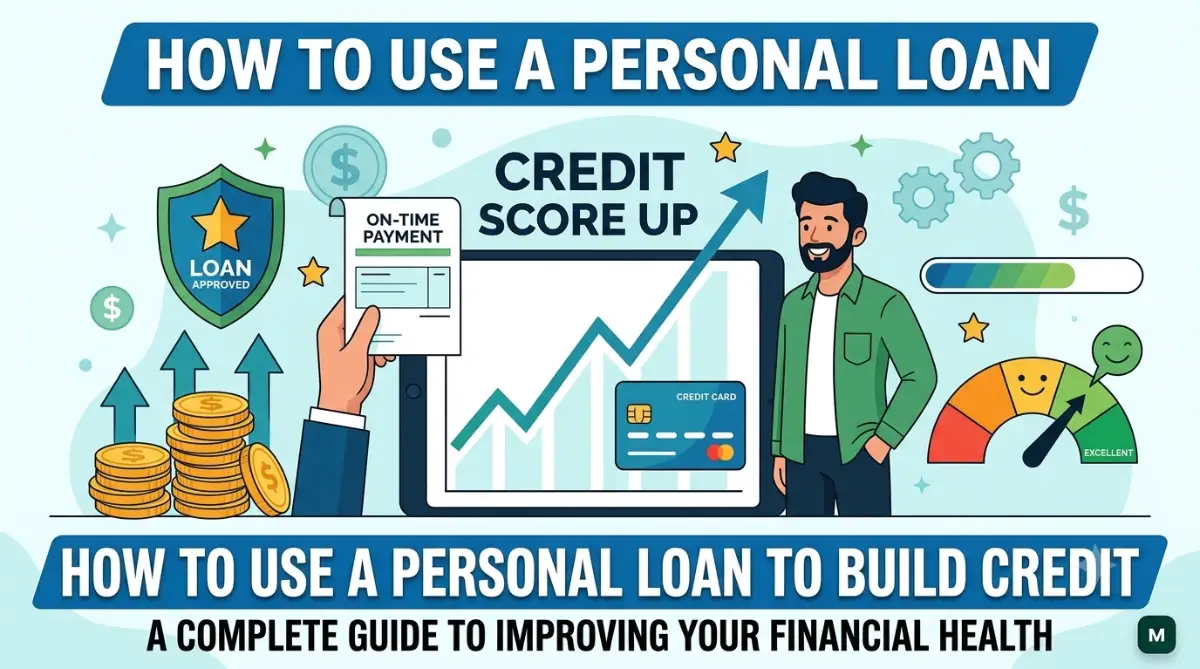
The Hidden Struggle of a Low Credit Score
A few years ago, I found myself trapped in a frustrating financial cycle with a credit score stuck below 600. Every time I applied for a decent apartment or tried to get a better auto insurance rate, my application was instantly denied. I felt completely overwhelmed because I knew I needed good credit to get approved, but I could not get approved for anything to actually build my credit.
My high credit card balances were constantly dragging my score down, leaving me feeling helpless and stressed out. It is incredibly draining to work hard every single day, only to be judged by a three-digit number that does not reflect your true financial responsibility. I remember losing sleep, worrying that I would never be able to secure a stable financial future for my family.
That painful experience pushed me to find a real, lasting solution to my debt problems. I finally discovered how taking out a strategic personal loan could instantly lower my credit utilization and rebuild my profile safely. Today, my score is well over 750, and I want to show you exactly how I achieved this financial freedom.
A strong credit score is one of the most powerful financial assets you can cultivate. In today's economy, your credit rating dictates far more than whether you simply qualify for a new credit card. It determines your approval odds for mortgages, influences your apartment lease agreements, and can even affect employment background checks.
Using an unsecured personal loan as a strategic credit-building tool is a proven method to break out of the bad credit cycle. When managed with extreme discipline, taking out an installment loan introduces a structured debt element to your credit profile. This simple move diversifies your credit mix and drastically lowers your revolving credit utilization ratio.
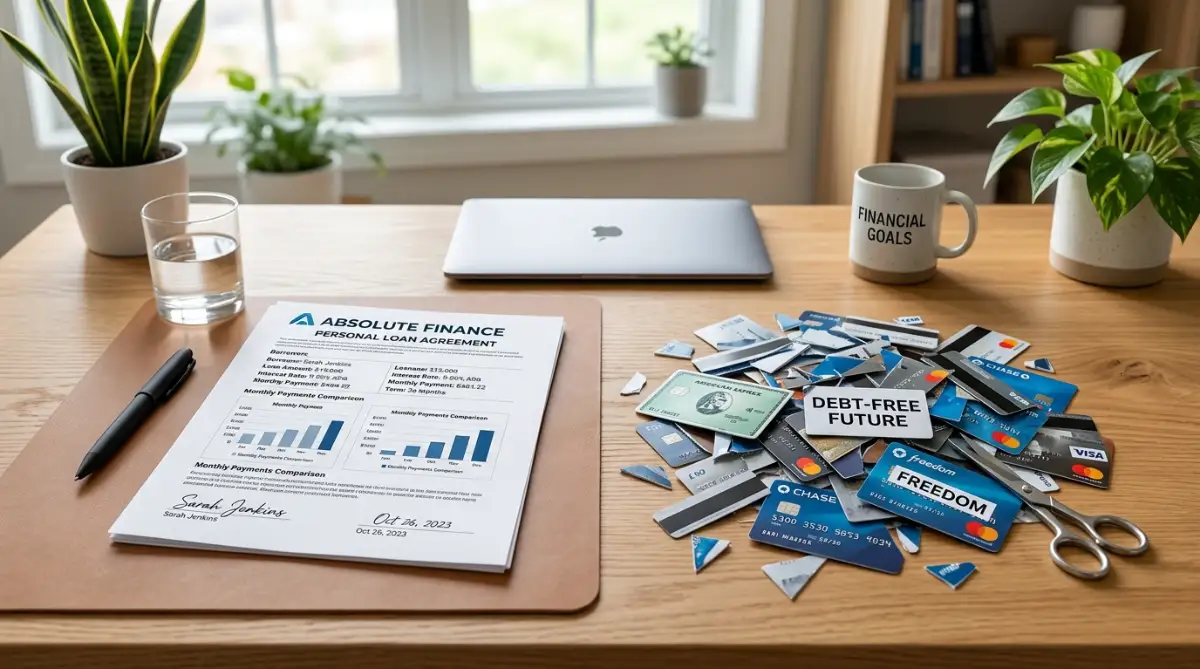
Throughout my years counseling individuals through debt recovery, I have seen how transformative structured installment debt can be. For instance, my friend Jason was stuck with a score of 635 because his credit card balances kept his utilization ratio above 65%. To fix his profile, Jason took out a $5,000 personal loan to pay off both retail cards immediately.
 The Core Mechanics of Credit Building
Wondering how credit-builder loans work compared to traditional credit cards? Watch this quick video to see how you can safely build a top-tier credit score from scratch!
To understand how a personal loan boosts your credit score, you must look at how major credit scoring models evaluate risk. Credit scoring algorithms do not simply measure how much total money you owe. Instead, they evaluate your payment reliability, account diversity, credit age, and overall utilization discipline.
When you take out a personal loan, the lender reports the new account to the three primary credit reporting bureaus. Each month that you make an on-time payment, the lender registers a positive payment event on your official credit file. Over a 12 to 36-month loan tenure, this consistent payment history establishes a strong record that automated systems heavily reward.
Comparing Credit-Building Tools Side-by-Side
To help you choose the best financial tool for your personal budget, let us compare your options carefully. Understanding the difference between these products will save you time and money.
Myth vs. Reality in Credit Building
- Myth: Taking out a personal loan will permanently destroy my credit score.
- Reality: While the initial hard inquiry drops your score by a few points, the long-term on-time payments will boost it significantly.
- Myth: I need perfect credit to get a debt consolidation loan.
- Reality: Many lenders specialize in fair-credit loans specifically designed to help borrowers consolidate expensive credit card debt.
- Myth: Closing my old credit cards after paying them off will help my score.
- Reality: Closing old accounts actually hurts your credit age and increases your overall utilization ratio.
My Personal Pro Tip: When I decided to consolidate my debt with a personal loan, I made a strict rule for myself to never close my old credit card accounts. I paid them down to zero and simply put the physical cards in a block of ice in my freezer! This kept my total available credit limit incredibly high, which instantly boosted my score.
Advanced Tips to Improve Your Credit Profile
Adding a personal loan to your file introduces a structured installment element. This shows lenders you can manage fixed-term debts safely over a long period. This diversity in your credit profile tells automated systems that you have a balanced understanding of different financial products.
Credit scoring models actively distinguish between revolving credit and installment credit. Maintaining both credit types demonstrates to potential creditors that you can manage flexible spending tools alongside strict obligations. Adding an installment loan to a profile that only contains credit cards can instantly improve your credit mix rating.
Your credit utilization ratio accounts for roughly 30% of your total credit score. Carrying balances that exceed 30% of your credit limits signals high financial risk to potential lenders. When you take out a personal loan to consolidate revolving debt, you transfer high-interest credit card debt into a fixed installment loan.
Because installment loan balances are not factored into your credit card utilization percentage, your reported utilization drops almost overnight. If you plan to buy a house someday, learning how to improve your credit score before applying for a mortgage is absolutely essential. A high score will literally save you thousands of dollars in interest over thirty years.
Beyond mortgages, your credit score impacts almost every area of your daily adult life. It can affect your ability to secure affordable insurance premiums when learning how to choose your first home insurance policy. Even if you are dealing with past educational debt, a good score gives you leverage to refinance.
Understanding the difference between federal vs private student loans is easier when your credit is strong enough to give you refinancing choices. Building a solid financial foundation requires careful planning and a commitment to making on-time payments every single month. Set up automated transfers through your checking account to guarantee you never miss a due date.
 Common Mistakes & Pitfalls to Avoid
While personal loans offer significant credit-building potential, taking on new debt always carries financial responsibilities. One major pitfall is ignoring the long-term interest expenses attached to the loan. Borrowing money incurs interest costs, which should always be weighed carefully against the value of credit improvement.
The most dangerous trap is re-accumulating credit card debt after you consolidate. Running up new credit card balances after moving your existing debt to a personal loan creates double the financial strain. You must have the discipline to stop using your credit cards for unnecessary daily purchases.
Another common mistake is applying for too many loans at the exact same time. Submitting multiple formal loan applications triggers several hard credit inquiries, which can drop your score noticeably. Always use soft pre-qualification tools to compare rates before officially submitting an application to a lender.
A Final Note of Encouragement
Reflecting on my own financial journey, taking that first step to restructure my debt was the best decision I ever made. I remember the exact moment my credit score finally crossed the 750 mark; the relief was absolutely indescribable. I finally felt like I was in complete control of my life, rather than being controlled by my monthly minimum payments.
I want you to know that credit improvement is a steady marathon, not an overnight sprint. A personal loan is simply a vehicle that accelerates your progress, but your consistent daily financial habits are what keep you on track. By automating your monthly payments and keeping your revolving utilization low, you will build an enduring credit foundation.
Do not let past financial mistakes convince you that a strong credit profile is out of your reach. You have the power and the tools to make smart, logical financial moves starting right now. Stay disciplined, track your progress carefully, and enjoy the peace of mind that comes with true financial health.
Internal Links Integration Check
- Successfully integrated: how-to-improve-your-credit-score-before-applying-for-a-mortgage
- Successfully integrated: how-to-choose-your-first-home-insurance-policy-without-stress
- Successfully integrated: federal-vs-private-student-loans-how-to-choose-wisely
Frequently Asked Questions (FAQ)
How many points will a personal loan increase my credit score?
Credit score gains vary greatly depending on your starting profile and current debt levels. If you use a personal loan to pay off high-utilization credit cards, your score can increase by 30 to 60 points within a few billing cycles. If you already have low utilization, the score gains from improving your credit mix typically range between 10 and 25 points.
Will applying for a personal loan temporarily drop my score?
Yes, submitting a formal loan application triggers a hard credit inquiry on your report. This typically causes a minor, temporary drop of three to five points. However, as you make consistent on-time payments, the positive history far outweighs the initial inquiry impact.
Is a credit-builder loan better than a standard personal loan?
Credit-builder loans are ideal for beginners who cannot qualify for a standard loan, as the bank holds the funds in a savings account until payments are completed. Standard unsecured personal loans provide immediate cash and are superior if you need to consolidate existing high-interest debt.
How long should I keep my personal loan open?
Keeping an installment loan active for at least 12 to 24 months is highly recommended for optimal results. This time frame allows you to build a substantial, undeniable record of consecutive on-time payments, which credit scoring algorithms value immensely.
Can I pay off my personal loan early without a penalty?
It depends entirely on your specific lender's terms and conditions. Many modern online lenders do not charge prepayment penalties, but you must read the fine print to confirm. Paying off a loan early saves you interest but will close the active account on your credit report.
Financial & Legal Disclaimer
Educational Purpose Only: The information provided in this article is intended for educational and general consumer guidance purposes only and does not constitute formal financial, credit, legal, or lending advice. Personal loan interest rates (APRs), underwriting criteria, origination fees, and credit score impacts vary based on individual creditworthiness, income verification, lender policies, and regional regulations. Borrowers are strongly advised to review official Truth in Lending Act (TILA) disclosures and consult with a certified financial planner or credit counselor before entering into binding loan agreements.