
The Heavy Weight of Rising Bills and How I Reclaimed My Peace of Mind
I still remember standing at my kitchen counter on a Tuesday afternoon, staring at three unopened bill envelopes sitting next to my cold coffee. My electric bill had spiked by over forty percent, my grocery receipt from the weekend looked like a car payment, and my home insurance premium went up without any explanation. My stomach dropped as I realized my paycheck was disappearing faster than I could earn it. I was working long hours, yet my checking account balance dropped close to zero before every single payday. That frustrating moment forced me to sit down with a plain notebook and audit every single dollar leaving my account. I realized I was not broke because of big luxury purchases, but because dozens of small financial leaks were draining my wallet in the background.
Living under the constant pressure of rising household expenses creates a heavy emotional strain that follows you everywhere. You wake up in the morning thinking about upcoming utility deadlines, and you go to bed wondering how you will handle next month's rent or mortgage payment.
Every notification on your phone feels like another automatic subscription renewal or unexpected fee pulling cash out of your pocket. Millions of hardworking families face this exact same emotional grind every single month across the country.
It causes unnecessary arguments at the dinner table, ruins your weekend plans, and steals your peaceful sleep. You constantly feel like you are running on a treadmill that keeps moving faster while your income stays the same.
You deserve to enjoy your home and support your family without feeling trapped by utility companies and recurring billing cycles. The truth is that you do not need to live in the dark, eat boring meals, or sacrifice your happiness to fix this problem.
By making intentional adjustments to your daily environment, you can regain control of your hard-earned cash very quickly.
 Uncovering the Hidden Leaks in Your Monthly Household Budget
Most people assume that saving money requires extreme sacrifices like skipping every social event or living on plain rice. That approach fails quickly because it feels like a punishment rather than a positive upgrade to your life.
The real secret to cutting your expenses in half lies in finding silent power drains and structural waste in your routine habits. You are likely paying premium rates for energy you never consume, services you rarely use, and groceries that end up in the trash can.
Expense Breakdown and Smart Shifts
When you systematically identify and plug these hidden leaks, your monthly outflow drops drastically without changing your quality of life.
Myth vs. Reality: The Truth About Lowering Monthly Expenses
Myth: You must stop buying small daily treats like coffee to build real savings.
Reality: Small treats are rarely the problem; fixed recurring expenses like utilities, high insurance rates, and food waste cause the real damage.
Myth: Leaving ceiling fans running keeps rooms cooler when you are out of the house.
Reality: Fans cool human skin by moving air, not rooms; turning fans off when leaving a space saves power instantly.
My Personal Pro Tip: My biggest financial mistake two years ago was assuming small monthly charges did not matter. I had signed up for two streaming video apps, a digital magazine subscription, and a specialized workout app that I rarely touched. Once I audited my statements and canceled those four unused services, I gave myself an instant cash raise every single month without changing my lifestyle.
Watch this helpful video guide to see practical home energy saving tweaks you can use today:
Smart Thermostat Shifts and Advanced Ways to Cut Household Bills
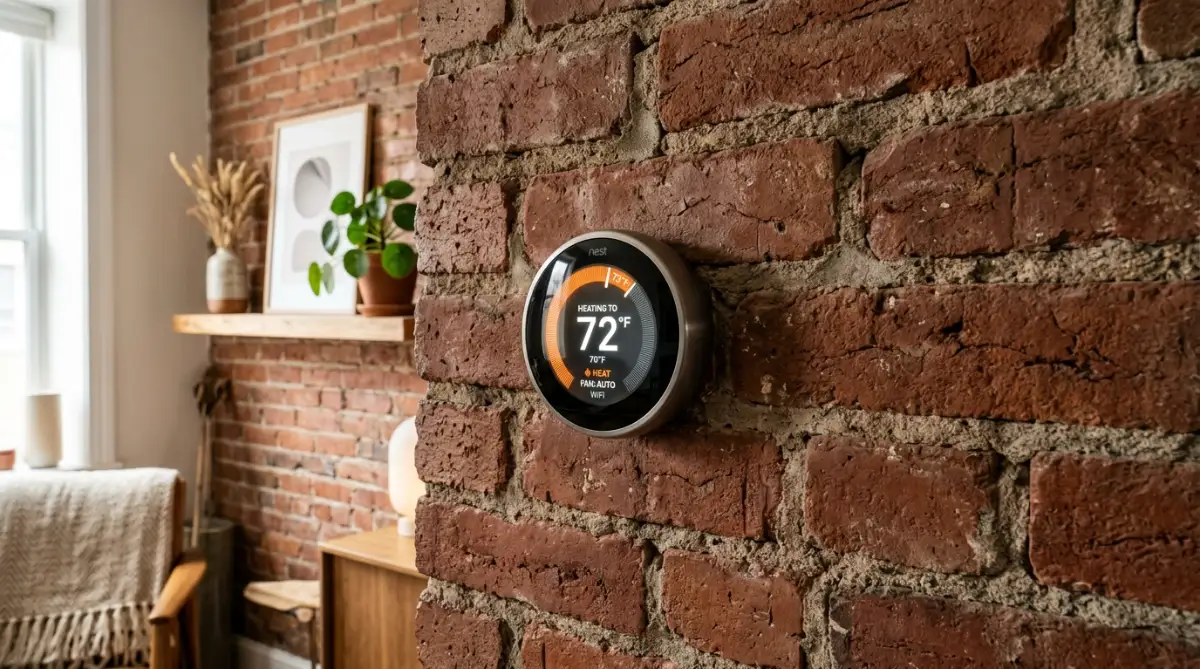
Heating and cooling make up more than half of the average household energy bill every year. You do not need to freeze during winter or suffer through hot summer afternoons to protect your wallet. Shifting your thermostat by just two or three degrees while you are sleeping or away at work creates instant savings. Installing a programmable thermostat automates these temperature shifts so you never have to remember to adjust the dial manually.
Air gaps around exterior doors and old window frames act like open holes pulling money directly out of your house. Installing inexpensive caulk and weather stripping stops conditioned air from leaking into the outdoors. Replacing dirty HVAC air filters every sixty days allows your equipment to run smoothly without pulling extra power. According to energy guidelines, basic air sealing and regular filter changes can lower your annual heating and cooling bills by up to fifteen percent.
When evaluating your long-term housing costs, taking care of your structural foundation and protection is essential. If you are a new homeowner or looking to lower your fixed monthly housing expenses, take time to review our guide on choosing your first home insurance policy to ensure you get full protection without overpaying. Electronics draw power from your wall outlets even when they are completely powered off or placed in standby mode. Chargers, desktop computers, gaming consoles, televisions, and coffee makers are silent energy thieves in almost every room.
This hidden energy draw is known as standby power or a phantom load, and it adds up continuously every hour of the day. Phantom loads can easily account for ten to twelve percent of your monthly electric bill without providing any benefit. Smart power strips solve this problem by automatically cutting power to secondary devices when your main appliance is turned off. Unplugging secondary kitchen appliances and spare bedroom chargers when they are not in use takes only five seconds and keeps your money in your bank account.
Food expenses have become one of the most stressful parts of managing a household budget in recent times. Going to the grocery store without a clear plan usually leads to impulse purchases and spoiled food at the end of the week. Doing a quick pantry and refrigerator audit before writing your shopping list prevents you from buying duplicate items you already own. Planning four or five simple meals for the week keeps your grocery cart focused on items you will actually eat.
Buying store-brand staple foods instead of heavily advertised brand names drops your checkout total immediately. Items like canned vegetables, white rice, oats, pasta, and dry spices taste identical regardless of the colorful brand label on the shelf. Learning proper storage techniques for fresh produce extends its shelf life so you stop throwing expensive fruit and vegetables into the trash. Many families also face large educational costs alongside their daily household expenses. If you or your children are exploring higher education options on a tight budget, explore our resource on affordable community college education to cut tuition expenses significantly while getting a top-tier degree.
 Mistakes That Wreck Your Financial Progress
When trying to cut household expenses, it is easy to make hasty decisions that end up costing you more money in the long run. Recognizing these common traps keeps your financial plan on track and protects your hard-earned savings.
Neglecting Preventative Home and Vehicle Maintenance
Skipping routine oil changes or ignoring a minor roof leak to save a few dollars today is a recipe for financial disaster later. Small mechanical issues in your car or home always grow into massive, expensive repairs if they are left unaddressed.
Falling into the High-Interest Credit Card Trap
Using high-interest credit cards to cover daily household expenses creates an escalating debt cycle that ruins your monthly cash flow. If you are planning to purchase a home or refinance an existing mortgage in the near future, keeping your credit score strong is essential. Take time to read our step-by-step guide on improving your credit score before applying for a mortgage so you qualify for the lowest possible interest rates.
Cutting Quality on Household Essentials
Buying the absolute cheapest version of every household item often backfires because low-quality goods break quickly and require constant replacement. Focus on value rather than lowest price when purchasing essential tools or home equipment.
Your Action Plan for Sustainable Smart Living
Cutting your monthly household bills in half is not a temporary sprint; it is an empowering lifestyle shift that builds long-term wealth. You do not have to overhaul your entire life in a single afternoon. Start by choosing two or three simple changes from this guide and putting them into practice this week.
Once those new habits feel natural and easy, select two more areas of your household budget to optimize next month. Watching your checking account balance grow and seeing your utility bills shrink provides an incredible sense of relief and accomplishment.
In my journey toward managing my household budget, I discovered that taking small daily steps created a snowball effect of savings that changed my life. I encourage you to pick one easy item from this guide today, make the change, and feel the confidence that comes from owning your financial future. You have the power to take charge of your energy habits, food routine, and recurring billing accounts to enjoy true financial freedom.
Recommended Reading Resources
Explore these internal guides to master your overall financial strategy:
- How to Choose Your First Home Insurance Policy Without Stress
- Best Community Colleges in the USA for Affordable Education
- How to Improve Your Credit Score Before Applying for a Mortgage
- Federal vs Private Student Loans: How to Choose Wisely
Frequently Asked Questions
How much money can I realistically save by cutting household bills?
Most households can realistically lower their monthly living expenses by twenty to fifty percent within three months of implementing smart living strategies.
Will using a smart thermostat really lower my monthly electricity bill?
Yes, using a smart or programmable thermostat can lower your annual heating and cooling expenses by ten to fifteen percent through automated temperature adjustments.
What is the fastest way to lower my weekly grocery bill?
The fastest way to lower your grocery spending is doing a thorough pantry audit before writing a shopping list based on a simple weekly meal plan.
How do I know if I am paying too much for home or auto insurance?
If you have not shopped around for competitive insurance quotes in over twelve months, getting quotes from three competing insurance companies ensures the best rate.
How does eliminating phantom power loads help my electric bill?
Phantom power loads from plugged-in devices draw electricity continuously even when turned off, adding up to ten percent to your bill which smart strips eliminate.
Disclaimer: The information provided in this article is for educational, informational, and general consumer guidance only and does not constitute formal financial, tax, legal, or professional home engineering advice. Household energy savings, utility tariff rates, insurance premiums, product durability, and tax credit eligibility criteria vary significantly based on geographic location, individual utility providers, home construction, personal financial history, and tax status. Readers are strongly urged to consult with certified financial planners, licensed insurance agents, and qualified home energy professionals before making major financial or structural decisions.