
The Shock of Hidden Homeownership Costs
I will never forget the mix of sheer excitement and sudden panic I felt on the day I closed on my first house. My husband and I had saved every spare penny for years, skipping vacations and dinners out just to build our down payment. We thought handing over that initial check was the finish line to our financial struggles.
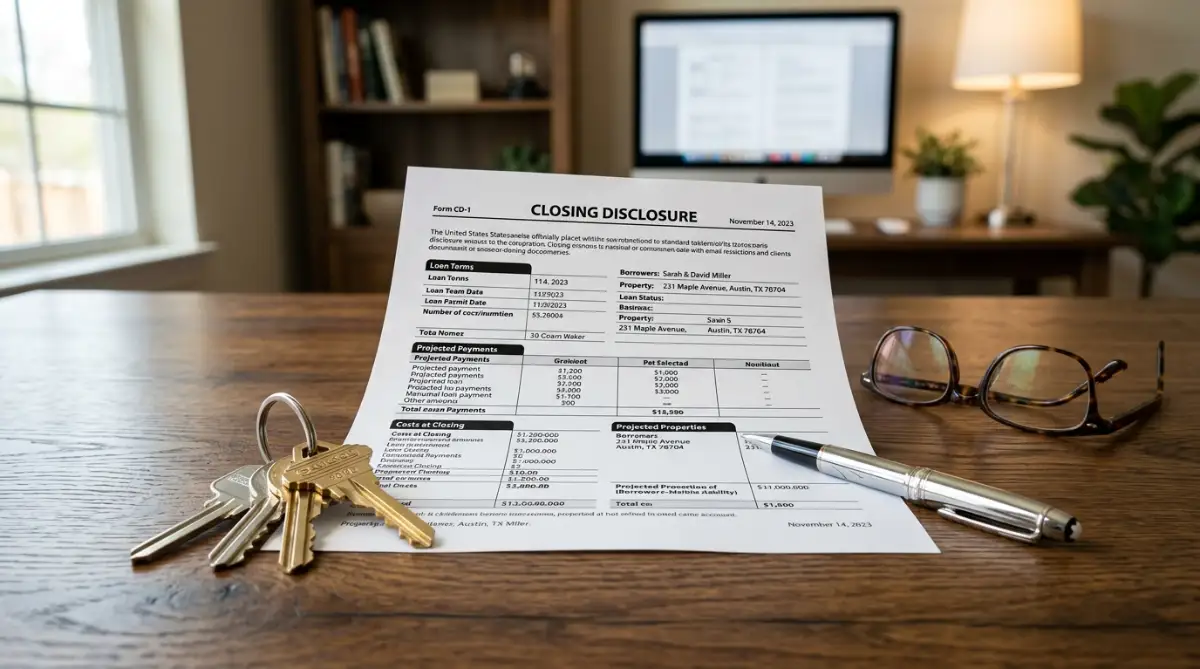
However, my excitement quickly turned to dread when our lender handed me a closing disclosure showing an extra $12,000 in unexpected fees. I felt completely blindsided by these hidden charges that threatened to drain our entire savings account in one afternoon. If we had not kept a small emergency fund on the side, we would have lost our dream home right at the settlement table.
That terrifying experience taught me that buying a house requires looking far beyond the listing price. Saving up enough money to purchase a home in the United States is one of the most celebrated achievements in adult life.
You spend years setting aside hard-earned paychecks, tracking real estate listings, and dreaming of your own front porch. But when you discover thousands of dollars in surprise lender fees and immediate maintenance costs, that joyous moment can turn into sudden panic.
Relying strictly on the purchase price and base mortgage payment is a very dangerous financial mistake. Purchasing a residential property involves a complex web of upfront transaction fees, mandatory insurance reserves, and government taxes.
Understanding the full picture of homeownership expenses is not about discouraging your home buying dream at all. It is about empowering you with total financial clarity so you can step into your new home with dignity and long-term peace of mind.
Decoding Closing Costs and Mortgage Fees
The first major wave of hidden expenses occurs during the home purchase process and at the formal closing table. At settlement, buyers must pay "Closing Costs," which are a collection of administrative, legal, and underwriting fees. On a standard $400,000 home, these costs typically range between $8,000 and $20,000 out-of-pocket.
These fees are entirely separate from your down payment and cannot be ignored. They include loan origination fees, where lenders charge a percentage of the loan amount to process your application. You will also pay for a mandatory home appraisal to verify the property's fair market value.
Additionally, you must cover independent home inspections for structural integrity, roofing, and pest infestations. Finally, title companies will charge search fees and require you to purchase title insurance to protect against future ownership disputes.
Homebuying Expenses: Myth vs. Reality
- Myth: The down payment is the only cash you need to bring to closing.
- Reality: You must also bring an additional 2% to 5% of the purchase price to cover closing costs.
- Myth: The seller always pays for the home inspection and appraisal.
- Reality: The buyer is almost always responsible for paying inspection and appraisal fees upfront.
Expected Costs vs. Hidden Costs
My Personal Pro Tip: When I applied for my mortgage, I specifically asked my lender for a detailed "Loan Estimate" document on day one. I spent hours comparing it line-by-line with quotes from two other banks. Shopping around for my mortgage saved me over $2,500 in junk origination fees that the first lender tried to slip past me!
Watch this practical financial video guide where real estate experts break down the true hidden expenses:
Advanced Tips: Managing Escrows, Taxes, and CapEx
Real estate property taxes are assessed by local governments to fund public infrastructure and schools. Depending on your state, annual property taxes range from 0.3% to over 2.2% of your home's assessed value. At closing, lenders require you to fund an Escrow Account by prepaying several months of future property taxes.
Many new buyers are blindsided by supplemental tax assessments months after closing. Local tax assessors will usually reassess the property value based on your higher purchase price, driving your monthly payment up significantly. Planning for this exact tax hike is essential for your budget.
Lenders also require proof of a fully paid 12-month hazard insurance policy before funding your loan. Knowing how to choose your first home insurance policy without stress helps you avoid overpaying for unnecessary coverage. Homes located in flood zones will also require expensive mandatory supplemental insurance policies.
Navigating HOA Fees and Private Mortgage Insurance
If you put down less than 20% on a conventional loan, lenders mandate Private Mortgage Insurance (PMI). PMI protects the bank if you default, easily adding hundreds to your monthly payment without building equity. Saving a larger down payment is the only way to avoid this annoying fee entirely.
Furthermore, purchasing a property governed by a Homeowners Association (HOA) means paying mandatory monthly dues. While HOA fees cover common area maintenance, the real hidden danger lies in sudden special assessments. If the HOA board needs a new roof, they can legally force you to pay a massive lump-sum repair bill.
Preparing your personal finances before closing is just as important as inspecting the physical house. Just as you might study how to improve your credit score before applying for a mortgage, you must protect your available cash reserves. A higher credit score lowers your interest rate, giving you more breathing room for maintenance.
The Reality of Maintenance and Capital Expenditures
When you rent, your landlord pays for broken water heaters, leaking roofs, and clogged plumbing. As a homeowner, absolutely 100% of physical maintenance costs rest solely on your shoulders. Financial planners recommend budgeting 1% to 2% of your home's total price every year for routine upkeep.
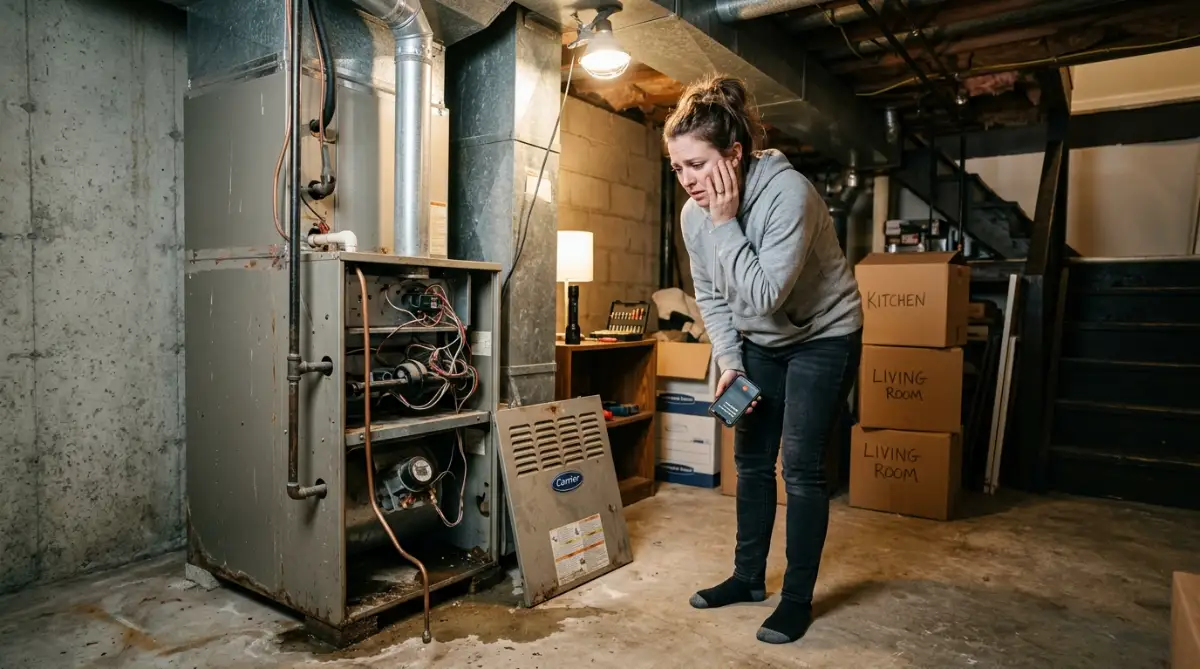
You must also plan for massive Capital Expenditures (CapEx) over the years. Replacing an aging HVAC furnace or putting on a new asphalt shingle roof can cost upwards of $15,000. These major component replacements are not optional if you want your home to remain livable and safe.
Finally, moving from a small apartment into a large house causes dramatic utility bill spikes. Managing these new expenses requires strict discipline regarding your existing debts. Evaluating your monthly payments is much like understanding federal vs private student loans how to choose wisely to keep your family financially secure.
Dangerous Financial Mistakes First-Time Buyers Avoid
Protect your financial security by avoiding critical home buying mistakes during the final stretch of your transaction. The most dangerous error is spending 100% of your available savings on the down payment. Leaving zero cash reserves for post-closing emergencies guarantees you will end up in credit card debt.
Waiving your home inspections in a competitive market is another massive trap. Skipping an inspection leaves you completely exposed to tens of thousands of dollars in hidden foundation or roofing repairs. Always hire an independent professional to verify the bones of the house.
Making major credit purchases before closing is a surprisingly common mistake that ruins deals. Financing new living room furniture or a car on credit before your mortgage officially closes alters your debt-to-income ratio. This action can instantly trigger a mortgage denial just days before settlement.
Lastly, ignoring property tax reassessments will destroy your carefully planned monthly budget. Never assume your future property tax bill will match the previous elderly owner's heavily discounted tax rate. Always call the local county assessor to estimate your true future tax liability.
A Secure Financial Future Awaits: My Final Thoughts
Buying a home in the United States is one of the most effective long-term wealth strategies available today. However, true financial success requires looking far beyond the listing price and preparing for the realities of ownership. By accounting for closing costs, property taxes, and ongoing maintenance, you can build a bulletproof financial plan.
Looking back at my own bumpy journey to homeownership, I am so grateful I learned these tough lessons early. Protecting my emergency fund and budgeting for unexpected repairs saved my family from immense stress during our first year. Knowing the true costs completely removed my anxiety and let me actually enjoy decorating my living room.
I want to personally encourage you to review your budget, ask your lender tough questions, and demand full transparency. Your dream of owning a beautiful, safe home is absolutely within your reach if you plan carefully. Step into your new home with your eyes wide open, and enjoy the incredible pride of homeownership.
Internal Links Integration Check
- Successfully linked: How to choose your first home insurance policy without stress.
- Successfully linked: How to improve your credit score before applying for a mortgage.
- Successfully linked: Federal vs private student loans how to choose wisely.
Frequently Asked Questions
How much should I save for closing costs?
You should generally save between 2% and 5% of the home's total purchase price to cover closing costs. For a $300,000 home, expect to pay anywhere from $6,000 to $15,000 out-of-pocket at the settlement table. This money is entirely separate from your actual down payment.
What is an escrow account and why do I need one?
An escrow account is a special holding account managed by your mortgage lender to pay your property taxes and homeowners insurance. A portion of your monthly mortgage payment is deposited into this account to ensure these massive bills are paid on time. Lenders require it to protect their investment from tax liens or fire damage.
Can I avoid paying Private Mortgage Insurance (PMI)?
Yes, the only way to completely avoid PMI on a conventional loan is to put down at least 20% of the home's purchase price. If you put down less, you will pay PMI until you build up 20% equity in the property. Once you hit that threshold, you can formally request your lender to remove the charge.
What happens if a home appraisal comes in low?
If the independent appraisal comes in lower than your agreed-upon purchase price, your lender will not finance the difference. You can ask the seller to lower the price, or you can pay the cash difference out of pocket. If neither party compromises, you can usually walk away using your appraisal contingency.
How much should I budget for annual home maintenance?
Financial experts highly recommend saving 1% to 2% of your home's total value every single year for maintenance. If your home costs $400,000, you should set aside $4,000 to $8,000 annually. This fund covers routine fixes and builds a reserve for major replacements like roofs or HVAC units.
General Informational & Legal Disclaimer
Disclaimer: The information provided in this article is for general informational, educational, and entertainment purposes only and does not constitute formal real estate, legal, mortgage underwriting, tax, or financial advice. Reading this article or interacting with this website does not establish a professional-client or fiduciary relationship. Real estate closing costs, property tax assessment schedules, title insurance rates, HOA regulations, and mortgage underwriting rules vary significantly across different US states, counties, and local municipalities. If you are preparing to buy a home, you should consult directly with a certified financial planner, licensed mortgage loan officer, real estate broker, and real estate attorney in your area to receive guidance tailored to your specific financial situation.