Best Domain Extensions for US Businesses and Personal Brands: The Ultimate Guide to TLD Authority, Branding Strategy, SEO, and Trust Signals
Choosing the right web address is one of the most critical foundational decisions you will make when launching a business or personal brand in the United States. While the classic .com has historically dominated the digital space, the expansion of modern Top-Level Domains (TLDs) like .co, .ai, .io, and .me has opened up powerful new opportunities for modern branding and tech positioning. In this comprehensive guide, we explore how different domain extensions impact consumer trust, evaluate TLD pricing, debunk common SEO myths, and provide a step-by-step checklist to secure the ideal digital identity for your project.
In the competitive digital ecosystem of the United States, launching a business or personal brand begins long before designing a logo, publishing website pages, or printing corporate business cards. The very first foundational decision every founder, solopreneur, and content creator faces is selecting their official custom web domain address. Your domain extension—known technically as a Top-Level Domain (TLD), the letter suffix following the dot in your web URL (such as .com, .co, .ai, .org, or .me)—serves as your brand's digital address, market positioning signal, and instant credibility badge.
Historically, commercial domain selection was simple: if your business couldn't secure the traditional .com extension, your brand suffered from a lack of legitimacy. Today, however, the global domain registry ecosystem has expanded dramatically. With over 1,500 specialized generic Top-Level Domains (Gtl DS) available—ranging from tech-focused .ai and .io extensions to personal branding .me, e-commerce .store, and corporate .co alternatives—founders no longer have to compromise on awkward, hyphenated domain names just to get a .com. However, choosing the wrong domain extension can confuse customers, lower email deliverability rates, and dilute brand recall. In this comprehensive guide, we evaluate the best domain extensions for US businesses and personal brands, bust common Google SEO ranking myths, compare TLD pricing and trust metrics, and share an actionable branding checklist to secure your ideal digital web address.
David, an AI technology consultant based in Austin, Texas, spent three frustrating weeks trying to purchase a .com domain for his new advisory firm. Domain brokers demanded an astronomical $18,000 for davidconsulting.com because a domain squatter owned the name. Refusing to drain his startup capital, David made a strategic choice: he registered david.ai for $70. His corporate clients in Silicon Valley praised the short, memorable .ai extension, which instantly communicated his firm's focus on artificial intelligence before they even clicked the link. David closed $60,000 in client contracts in his first three months. David reflects: "Modern clients care about domain relevance and clarity far more than legacy extension rules. Choosing a specialized .ai extension saved us $18,000 while establishing our modern tech positioning."
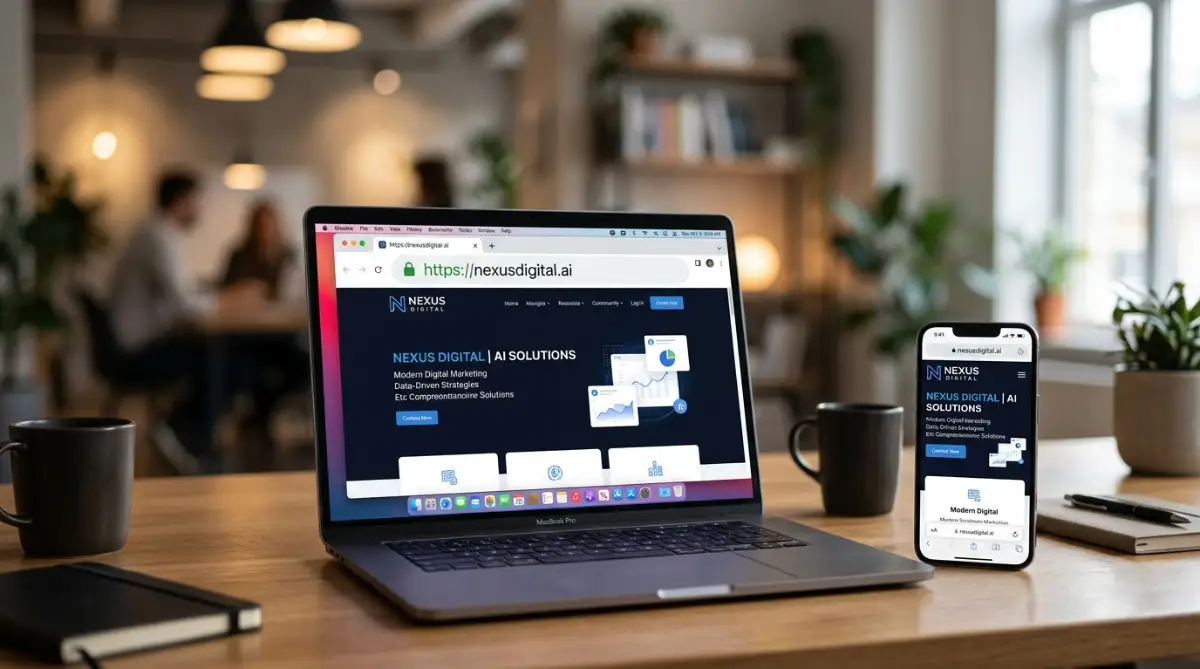
1. Understanding TLD Architecture: Legacy, Category, and Country Codes
Before selecting a domain extension, it is essential to understand how ICANN (the Internet Corporation for Assigned Names and Numbers) classifies different domain extensions:
The 3 Main Categories of Top-Level Domains:
- Legacy Generic TLDs (.com, .org, .net): The original, highly trusted internet extensions created in 1985. The .com extension remains the global commercial standard, accounting for over 50% of all registered websites worldwide.
- Category-Specific Gtl DS (.tech, .store, .app, .agency, .blog): Modern extensions introduced to describe a brand’s specific industry or commercial function instantly.
- Country-Code TLDs (Cc TLDs used as Brand TLDs): Originally assigned to specific geographical nations (such as Anguilla's .ai, Colombia's .co, or the British Indian Ocean Territory's .io), these country-code extensions have been repurposed globally as premier tech and startup brand indicators.
To analyze broader small business software economics and digital asset management strategies, explore our step-by-step guide to registering a secure business domain through easy AI website builders for small businesses.
My Personal Pro Tip (By Md Jahangir Alam): When you cannot secure your exact brand name as a .com, do not panic or settle for a spammy, hyphenated domain. I always recommend choosing a clean modern alternative like .co or .ai. As long as your brand identity is strong and your server infrastructure is fast, modern American consumers embrace clean non-.com extensions effortlessly!
Watch this expert video walkthrough demonstrating domain search tools, TLD extensions, Who is privacy settings, and registrar checkout procedures:
2. Top Domain Extensions for US Commercial Businesses & Startups
For commercial companies, e-commerce brands, and tech startups operating in North America, selecting a domain extension requires balancing consumer trust with availability and industry alignment:
A. The .COM Extension – The Undisputed Commercial Gold Standard
If your exact business name is available as an unhyphenated, reasonably priced .com, buy it immediately. The .com extension commands built-in consumer trust in North America. Furthermore, smartphone keyboards feature a dedicated ".com" button, making mobile direct traffic typing effortless for customers.
B. The .CO Extension – The #1 Modern Corporate Alternative
When your desired .com domain is taken or priced at thousands of dollars by domain brokers, the .co extension (recognized globally as "Company" or "Corporation") stands as the most popular alternative for US startups and e-commerce brands. Major brands like Twitter (t.co) and Angell isn't (angel.co) have popularized .co worldwide.
C. The .AI & .IO Extensions – Tech & Automation Dominance
In the technology, software development, and artificial intelligence sectors, .ai and .io extensions carry immense prestige. In tech hubs like Silicon Valley, Austin, and Boston, having a .ai or .io domain signals to prospective investors and tech-savvy buyers that your platform is a modern, software-driven enterprise.
Elena, a freelance graphic and brand strategist, operated under the lengthy web address elenadesignstudiollc.com for four years. Clients frequently misspelled her URL or forgot the exact phrasing when recommending her services verbally. Seeking a clean, memorable personal brand identity, Elena purchased elena.me. The short, elegant domain name fit perfectly on her business cards, email signatures, and Instagram bio. Within six months of launching her new portfolio link, Elena noticed a 40% increase in direct inquiry leads from prospective design clients. Elena shares: "For personal brands, a short .me extension turns your web link into a personal introduction rather than a clunky corporate address."

3. Top Domain Extensions for Personal Brands, Creators, & Solopreneurs
For executive coaches, freelance consultants, authors, influencers, and creative professionals, your domain name represents your personal reputation:
- .ME Extension (The Personal Branding Champion): Designed specifically for personal websites, online resume portfolios, blogs, and solopreneur services (yourname.me). It creates a natural, conversational brand identity.
- .COM for Personal Names: If your exact first and last name is available as a .com (johnsmith.com), acquire it immediately—even if you aren't ready to launch a site today—to protect your personal online reputation.
- .STORE & .SHOP for Digital Creators: Perfect for creators, podcasters, and influencers launching e-commerce merchandise stores or digital course platforms without cluttering their main brand site.
- .BLOG & .MEDIA for Content Publishers: Ideal for digital journalists, newsletter writers, and media networks building content-first publishing brands.
To prevent performance issues after securing your domain, read our guide on how structural planning protects your digital foundation.
4. Do Domain Extensions Impact Google SEO Rankings? (Busting the TLD Myth)
A widespread concern among new business owners is whether choosing an alternative domain extension (like .co, .ai, or .store) hurts their search engine optimization (SEO) performance on Google.
Google's Official Stance on TLD Extensions and SEO:
Google Search Central has officially confirmed that Google treats all new generic Top-Level Domains (Gtl DS) equally. A website ending in .ai, .co, or .store has the exact same organic search ranking potential as a .com website! Google's algorithm evaluates content quality, back link authority, page load speed, and user experience—not the letter suffix at the end of your web address.
However, domain extensions can impact indirect SEO through Click-Through Rate (CTR). If a consumer views a search result for an unknown extension that looks spammy (like .biz or .info), they may hesitate to click. Choosing recognized, modern extensions like .com, .co, .ai, .org, or .me ensures high user click-through rates.
Learn how to optimize your technical foundation in our essential guide to affordable educational paths and resource management.
If you need assistance building financial security before launching your venture, review our advice on how to improve your credit score before applying for a mortgage.
Marcus, an artisan coffee roaster, launched an online store using the domain marcuscoffee.store. Several colleagues warned him that using a .store domain instead of a classic .com would make it impossible to rank on Google. Marcus ignored the urban myth: he focused on publishing high-quality brewing guides, optimizing his site speed, and securing local news mentions. Within eight months, his .store domain ranked #1 on Google search for regional artisanal coffee keywords, outranking three older .com competitors. Marcus reflects: "Google ranks great content and satisfied customers, not domain extensions. Pick an extension that fits your business model and focus on quality."
5. The Master 5-Step Domain Selection Checklist
Select the perfect domain name and extension using this 5-point evaluation roadmap:
- Step 1: Check .COM Availability First: If your exact brand name is available as a clean .com without hyphens or extra numbers, register it immediately.
- Step 2: Choose Industry-Relevant Alternatives: If .com is taken, select .co for general business, .ai for tech/AI, .io for software, or .me for personal branding.
- Step 3: Keep It Under 15 Characters: Ensure your full domain name is short, easy to spell, and easy to pronounce during phone calls.
- Step 4: Conduct Trademark & USPTO Searches: Verify that your chosen name does not violate active US corporate trademarks.
- Step 5: Enforce Free Who is Privacy & 2FA: Choose an ICANN registrar (like Cloud flare, Name cheap, or Pork bun) that includes free lifetime Who is privacy to block spam and protects logins with Two-Factor Authentication.
6. Final Summary & Path Forward
Your domain name and extension represent the permanent digital address of your brand identity. By choosing a domain extension that aligns with your industry, projects professional credibility, and protects customer trust, you establish a resilient foundation for long-term marketing and business success.
As I reflect on my own journey helping brands establish their digital footprints, I realize that choosing the right TLD sets the tone for your entire online presence. Take charge of your brand identity today by performing your domain searches, evaluating modern extensions, enforcing WHOIS privacy security, and stepping confidently into a professional, secure, and flourishing digital future!
Frequently Asked Questions
Do non-.com extensions like .co or .ai rank lower on Google?
No, Google treats all modern generic Top-Level Domains equally. Content quality, user experience, and back links dictate rankings, not the TLD suffix.
Is a .co domain good for e-commerce stores?
Yes, .co is globally recognized as a trusted corporate alternative to .com, making it ideal for modern e-commerce and retail brands.
Should I register multiple domain extensions for brand protection?
Yes, many businesses secure the .com, .co, and .net variants to protect their brand name from competitors and redirect them to their primary site.
Why is Who is privacy important when buying a domain?
Who is privacy hides your personal phone number, email, and home address from public registries, preventing spam callers and data scrapers.
How long should my custom domain name be?
Ideally under 15 characters, highly memorable, and free of confusing hyphens or numbers so customers can type it easily.
Disclaimer
The information provided in this article is for educational, informational, and general technical guidance only and does not constitute formal legal, trademark, or domain branding advice. Domain extension availability, annual renewal pricing, ICANN policies, and search engine ranking algorithms are subject to change over time by domain registries, registrars, and search providers. Business owners are strongly encouraged to perform independent trademark searches on the official USPTO database and consult with an intellectual property attorney before acquiring brand domain names.