Power Your Home for Less: The Ultimate Guide to the Best Budget Solar Panels for U.S. Homes
Are you tired of watching your monthly electricity bills skyrocket but feel priced out by ridiculously expensive renewable energy quotes? You do not need to spend a fortune to achieve true energy independence. By choosing high-quality, budget solar panels and claiming the 30% federal tax credit, you can drastically lower your installation costs and maximize your return on investment. In this comprehensive guide, we reveal the top Tier-1 affordable solar options for modern homeowners, showing you exactly how to bypass greedy corporate markups, eliminate your utility bills, and permanently secure your home's financial future!
1. My Journey to Finding Affordable Clean Energy
I still remember the exact moment my stomach dropped while opening a massive $350 summer electricity bill, feeling completely trapped by a local utility company that just kept aggressively hiking their seasonal rates. My family's monthly budget was already stretched incredibly thin, and I honestly felt powerless knowing these ridiculous energy costs were only going to increase over the next decade.
Like many stressed homeowners, I immediately looked into residential solar panels as a permanent fix, but a slick door-to-door salesman quoted me a staggering $38,000 setup that absolutely terrified my bank account. I almost gave up on my dream of clean energy independence right then and there, but I refused to let greedy corporate sales middlemen dictate my financial future without a fight.
Instead, I spent several exhausting weeks researching the actual wholesale costs of Tier-1 solar equipment and eventually discovered a massive industry pricing secret that the big companies hide. I realized that by specifically choosing high-quality, budget-friendly panel brands like Hanwha Qcells and partnering directly with an honest local electrician, I could completely eliminate those inflated commissions and cut my initial quote in half.
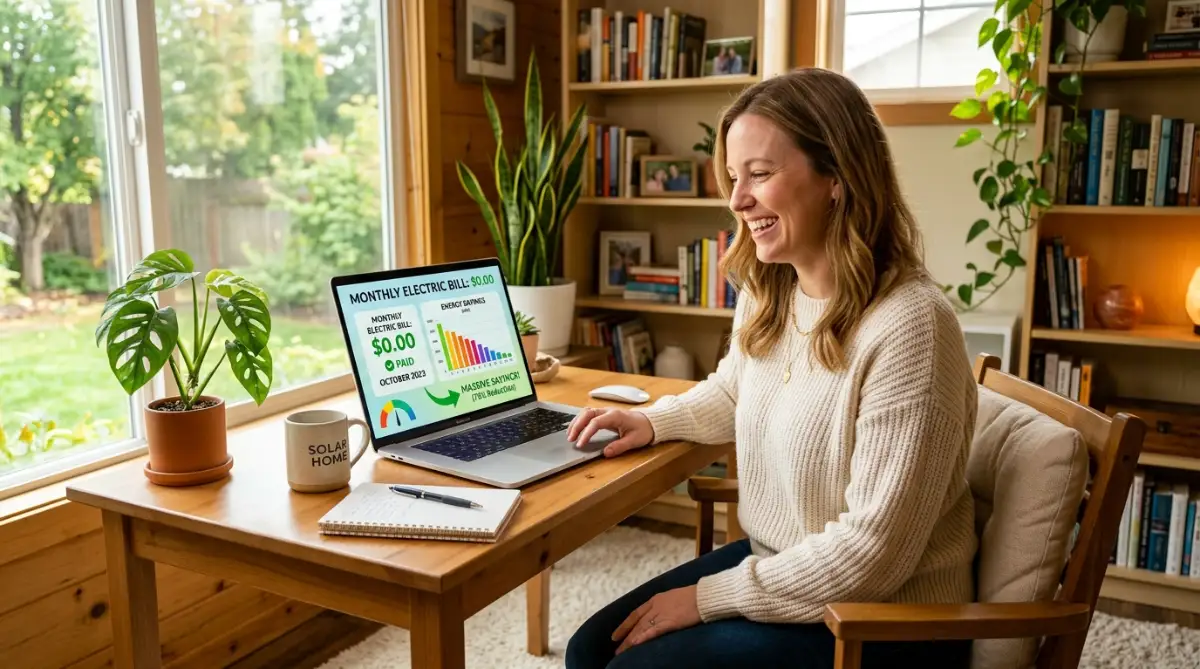
Let me show you exactly how I bypassed the overpriced premium luxury brands to build a highly efficient, affordable rooftop solar system. This simple approach eliminated my power bills and pays for itself in under six years.
You do not need to be wealthy to power your home with the sun. Affordable solar options are everywhere if you know exactly where to look.
Let's break down the best budget residential solar panels and how you can maximize your return on investment today.
2. Top Budget-Friendly Solar Panels in the USA
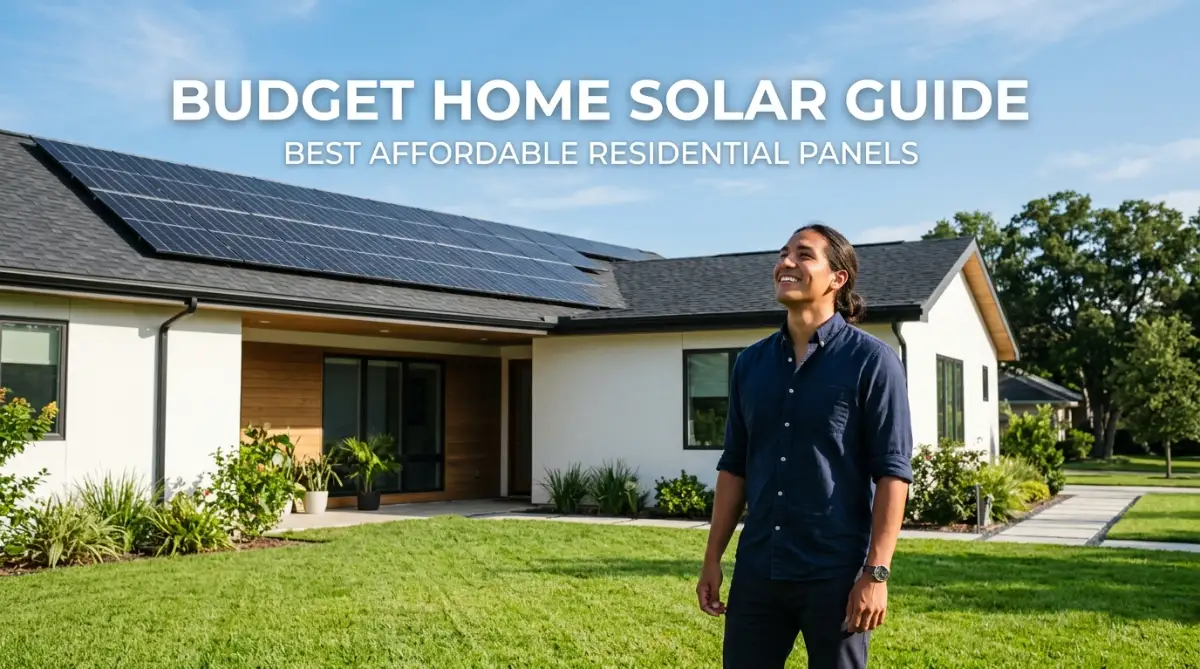
Navigating affordable residential solar requires evaluating equipment based on the price per watt. In the current US market, budget-friendly solar installations average between $2.50 and $2.90 per watt before incentives.
Premium boutique brands easily charge over $3.80 per watt for nearly identical power output. Choosing Tier-1 budget panels gives you 95% of the performance at 40% lower costs.
Sun-Powered Savings: The Ultimate Guide to Budget-Friendly Solar Panels
Are you tired of massive electricity bills draining your monthly budget? Discovering the most affordable residential solar panels can permanently eliminate your utility costs without forcing you into crippling debt. In this exclusive video breakdown, we reveal exactly how modern Tier-1 budget solar equipment delivers premium energy production at a fraction of the price.
Watch this comprehensive whole-home solar review below to uncover hidden federal tax credits, smart installation strategies, and the exact hardware you need to maximize your home equity today!
Value Solar Brand Comparison
Myth vs. Reality: Budget Solar Equipment
Myth: Budget solar panels break easily and will not last a decade on your roof.
Reality: Tier-1 budget brands like Canadian Solar and Qcells come with strict 25-year performance warranties and are engineered to withstand extreme weather conditions.
My Personal Pro Tip: Whenever I talk to local installers, I always demand cash pricing first, even if I plan to finance the project later. This single strategy exposes the hidden 30% "dealer origination fees" that solar loan companies try to sneak into the final bill. By negotiating the base cash price, my overall project cost dropped instantly by thousands of dollars!
3. Advanced Strategies to Maximize Your Solar ROI
Finding the right solar panels is only half the battle when trying to stay on budget. You also need to select the proper inverter technology to convert the sun's energy into usable household electricity.
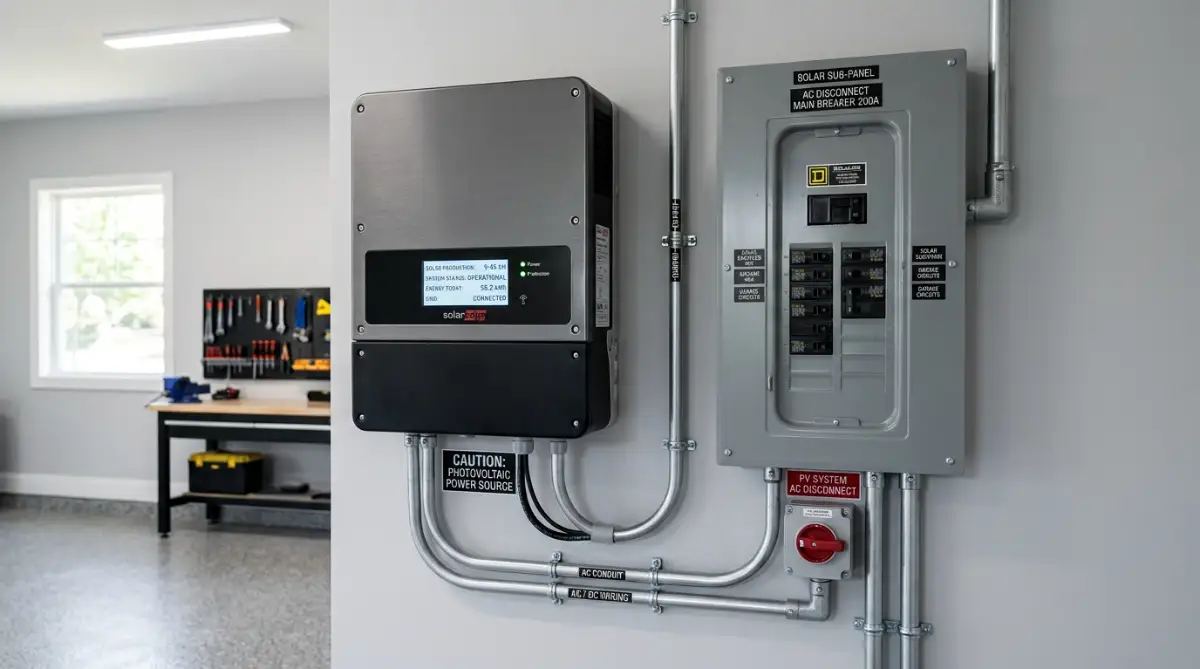
Inverters represent the electronic brain of your entire solar setup. The lowest cost option is a central string inverter, which works perfectly if your roof faces south and receives zero shade from trees.
If you have a roof that gets partial shade during the afternoon, do not immediately buy expensive microinverters. A great budget compromise is pairing a central string inverter with individual DC power optimizers.
Optimizers ensure that if one single panel gets shaded, the rest of the array keeps producing maximum power. This setup gives you premium panel-level performance without the massive microinverter price tag.
Once you nail down the hardware, securing proper financing is essential for maximizing your return on investment. If you need to borrow money for the installation, always check how to improve your credit score before applying for a mortgage or home equity loan.
Local credit unions often provide the absolute best interest rates for home energy improvements. Avoid the shady in-house solar loans that charge massive hidden upfront origination fees.
The biggest financial weapon in your budget solar arsenal is the IRS Section 25D Federal Clean Energy Credit. This federal law allows you to deduct a massive 30% of your total solar installation costs right off your income tax bill.
For example, if your budget system costs $15,000 to install, the federal government hands you a $4,500 tax credit. This immediately drops your net out-of-pocket expense to just $10,500.
Beyond federal credits, you must look into State Solar Renewable Energy Certificates (SRECs). In many eastern states, utility companies will actually pay you cash for every megawatt-hour of electricity your panels produce.
After your new panels are bolted onto the roof, you need to protect that investment from severe weather. Take time to learn how to choose your first home insurance policy without stress so your system is fully covered against hail or wind damage.
Finally, think about how you will use all the money you save from having zero utility bills. Taking that extra $200 a month and redirecting it towards high-interest debts is incredibly smart.
You can aggressively pay down old college debts by mastering the rules of federal vs private student loans and how to choose wisely. Slashing your power bill gives you the total financial freedom to invest in your family's future.
4. The Leasing Trap: Common Solar Mistakes to Avoid
The single most devastating mistake budget-conscious homeowners make is signing a solar lease or Power Purchase Agreement (PPA). Sales reps push these leases by promising "zero dollars down" installations.
When you lease solar panels, a massive third-party corporation actually owns the hardware on your roof. Because you do not own the system, you completely forfeit the 30% federal tax credit to the leasing company.
Leased panels also add absolutely zero appraisal value to your property when it is time to sell. In fact, they often scare away potential buyers who refuse to take over an expensive long-term lease contract.
Always purchase your solar system using cash or a standard transparent loan. System ownership is the only true path to generating permanent home equity and lasting energy savings.
5. Your Path to Affordable Energy Independence
Going solar does not mean you have to drain your savings account or take on crippling, high-interest debt. By selecting Tier-1 budget hardware like Qcells, securing local quotes, and claiming federal tax credits, you can easily achieve true energy independence.
I am so thankful that I took the time to research these affordable options instead of falling for the overpriced corporate sales pitches. My monthly budget is finally under my complete control, and my home's value has increased significantly.
Take charge of your monthly energy expenses starting today. Get quotes from local installers, demand transparent cash pricing, and step confidently into a self-sufficient financial future!
6. Internal Links Check
- Included Link: How to improve your credit score before applying for a mortgage.
- Included Link: How to choose your first home insurance policy without stress.
- Included Link: Federal vs private student loans and how to choose wisely.
7. Frequently Asked Questions
Are budget solar panels actually reliable?
Yes, highly reliable. Tier-1 budget brands like Hanwha Qcells and Canadian Solar come with standard 25-year performance warranties and are built to withstand severe weather.
How does the 30% federal solar tax credit work?
The IRS Section 25D credit allows you to deduct 30% of your total solar installation cost from your federal income taxes. You claim this benefit using IRS Form 5695 when filing your annual taxes.
Should I lease solar panels to save money upfront?
No, you should never lease solar panels. Leasing means you forfeit the 30% federal tax credit, and it adds absolutely zero appraisal value to your home.
What is a solar string inverter?
A string inverter is an affordable, centralized electronic device that converts the DC electricity from your solar panels into usable AC power for your home. It is the most budget-friendly inverter option available.
Why should I use a local solar installer instead of a national brand?
Local installers have significantly lower overhead costs and do not pay massive sales commissions. They usually offer the same Tier-1 equipment for thousands of dollars less than national corporate giants.
8. Home Energy & Financial Disclaimer
The information provided in this article is for educational, informational, and general consumer guidance only and does not constitute formal electrical engineering, financial, legal, or tax advice. Solar energy production estimates, equipment pricing, utility Net Metering credit rates, electricity tariffs, and federal clean energy tax credit eligibility criteria vary significantly based on geographic location and individual tax liability.
Homeowners are strongly urged to consult with a licensed solar contractor and a Certified Public Accountant (CPA) before signing equipment agreements or filing tax returns. Always verify local building codes prior to any home improvement project.