How High Electric Bills Almost Forced Me Out of My Historic Home
I remember sitting at my kitchen table two years ago, staring at a winter electric bill that literally made my stomach turn. I had recently purchased my dream house, a beautiful mid-century property built back in the 1960s. While I absolutely loved the vintage charm and classic architecture, I was completely unprepared for the terrifying utility costs.
Every single month, my bank account took a massive hit just to keep the lights on and the house warm. The old, drafty windows and outdated heating system were draining my hard-earned savings faster than I could replenish them. I was working incredibly long hours, yet I felt like I was just throwing money into a bottomless pit of energy waste.
I started researching renewable energy, but everyone told me that putting modern technology on a sixty-year-old house was a terrible idea. I heard horror stories about roofs collapsing under the weight of heavy equipment and old electrical panels catching fire. The sheer panic of potentially destroying my beautiful historic home kept me paralyzed with fear for months.
The breaking point finally hit when a neighbor installed panels on their new build and showed me their zero-dollar electric bill. That moment of intense jealousy was a massive wake-up call that my fear was holding me back from financial freedom. I realized that keeping my home safe and making it energy independent were not mutually exclusive goals.
I needed a highly strategic plan to modernize my house without ruining its structural integrity or historic appeal. That painful realization pushed me to aggressively explore exactly what is required to retrofit older properties safely. I spent the next six months talking to structural engineers, expert roofers, and top-tier installation teams.
Today, I want to share the exact strategies that helped me successfully modernize my vintage property without a single disaster. Let us explore exactly what to know before adding solar to an older home so you can secure your financial future.
Your Step-by-Step Guide to Preparing an Older Property
Choosing to upgrade a vintage property requires a highly methodical and careful strategy. You cannot simply sign a contract with the first sales company that knocks on your front door.
Older homes come with unique quirks, hidden damages, and outdated building codes that modern houses simply do not have. A good installation requires you to act as the primary project manager for your own property's safety.
If you are serious about securing your monthly budget this year, you need to prepare your house properly. Let us break down the exact, proven steps you need to take to build a safe, highly efficient renewable system.
Step 1: Perform a Ruthless Roof Inspection
The absolute most important part of your entire project sits right above your head. Installing expensive technology on top of a rotting, twenty-year-old roof is a guaranteed recipe for financial disaster.
Most modern panels are designed to last for at least twenty-five to thirty years of continuous daily use. If your current asphalt shingles only have five years of life left, you must replace them before you do anything else.
Removing and reinstalling a solar array later just to fix a leaky roof will cost you thousands of extra dollars. Always hire an independent, licensed roofing contractor to inspect your shingles, flashing, and underlayment thoroughly.
You also need them to inspect the wooden trusses and rafters inside your actual attic space. Ensuring your roof can handle the load is the first step in finding the best residential solar panel options for U.S. homes on a budget.
Step 2: Upgrade Your Outdated Electrical Panel
Vintage homes were built during an era when families owned one television and a single refrigerator. Today, we have smart appliances, electric vehicles, and massive heating systems that require a massive amount of electricity.
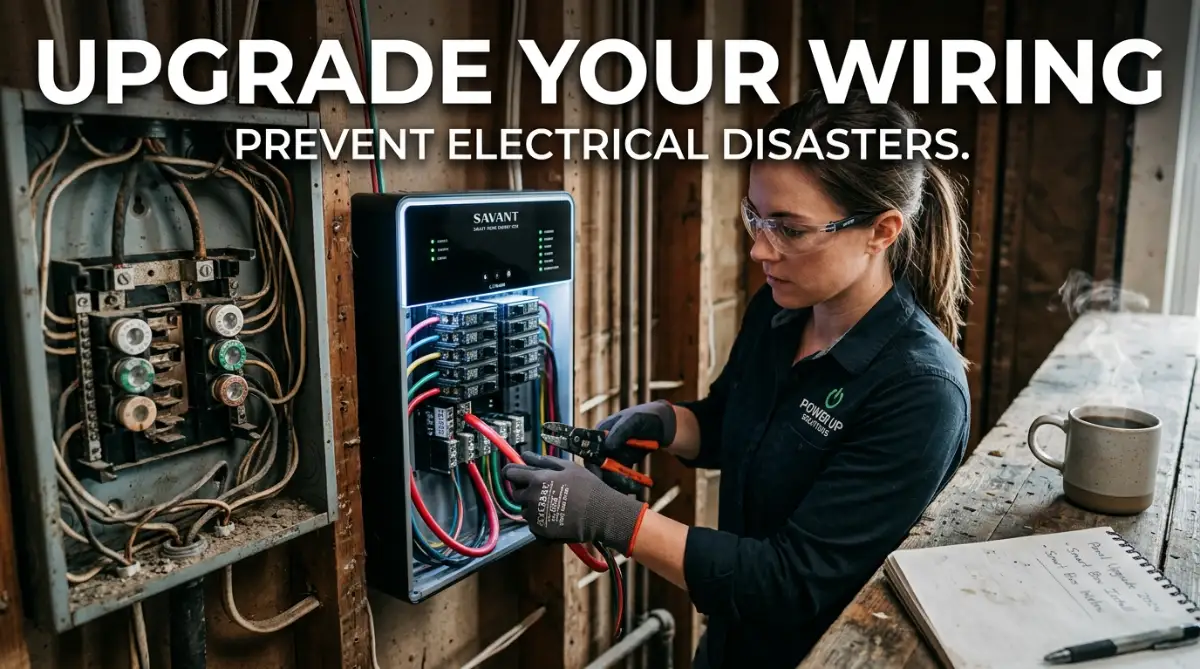
Most houses built before 1980 only have a 100-amp electrical panel, which is completely insufficient for modern renewable systems. When your new system generates peak power during the afternoon, a small panel can easily become overloaded and trip your breakers constantly.
You will almost certainly need to hire an electrician to upgrade your home to a modern 200-amp or 220-amp service box. This upgrade ensures that the massive flow of new electricity can safely enter your home without causing a dangerous fire hazard.
While this adds an extra cost to your project, it dramatically increases the overall safety and value of your property. Completing this electrical work is highly essential when you are exploring solar upgrades that boost your home value significantly.
Step 3: Navigate Historic Districts and HOAs
If your older home is located in a registered historic district, you cannot simply slap shiny black glass on your roof. Local historical societies have incredibly strict rules regarding how modifications alter the visual charm of the neighborhood.
You may be legally required to place the panels exclusively on the back of the house where they cannot be seen from the street. Some districts even require specific low-profile mounting hardware so the system blends seamlessly into your existing roofline.
Similarly, Homeowner Associations (HOAs) often have their own lengthy approval processes that can delay your project by several months. You must submit your engineering blueprints and aesthetic designs to these committees long before you ever sign a final purchase agreement.
Ignoring these local guidelines can result in massive fines or a court order forcing you to remove the entire system entirely. Always secure written permission from your local governing boards to protect your massive financial investment.
Step 4: Conduct a Comprehensive Energy Audit
Generating your own power is an incredible feeling, but wasting it is an absolute tragedy. Older homes are notoriously leaky, meaning your expensive conditioned air is constantly escaping through poor window seals and uninsulated walls.
Before you calculate how many panels you need, you must aggressively reduce your overall home energy consumption. Hire a professional auditor to perform a blower door test and identify exactly where your house is losing heat.
Adding blown-in cellulose insulation to your attic and sealing your drafty doorways is incredibly cheap compared to buying extra solar equipment. When your house requires less energy to stay comfortable, you can purchase a smaller, much cheaper solar system.
This "reduce before you produce" strategy is the golden rule of green building and sustainable living. It is the absolute best way to learn how to make your home more energy independent with solar tech quickly.
Watch the Older Home Solar Guide
Sometimes reading about structural upgrades is not enough to truly grasp how they impact your classic home. Seeing a live walkthrough can instantly clarify how this amazing technology integrates safely.
Watch this comprehensive video guide below to see exactly how to prepare an older home for solar panels:
Understanding the difference between upgrading a vintage property and a new build is highly important for your budget. Here is a clear breakdown of how these two distinct scenarios actually compare in the real world.
| Installation Factor | Older Homes (Pre-1980) | New Builds (Post-2010) |
|---|---|---|
| Electrical Panel | Often requires a costly 200-amp upgrade. | Usually solar-ready out of the box. |
| Roof Structure | May need structural reinforcement or replacement. | Built to carry modern weight loads easily. |
| Energy Efficiency | High leakage; requires major insulation upgrades. | Highly sealed; requires a smaller solar array. |
| Aesthetic Rules | Strict historic society restrictions likely apply. | Standard HOA guidelines apply. |
| Wiring Safety | Old knob-and-tube wiring must be fully replaced. | Modern, safely grounded wiring is standard. |
Myth vs Reality: Solar on Older Properties
- Myth: Older roofs are too fragile to support the heavy weight of modern solar equipment.
Reality: While some reinforcement may be required, structural engineers can easily retrofit older rafters to carry the weight perfectly safely. - Myth: You cannot install green technology if you live in a historic district.
Reality: Most historic districts allow installations as long as the equipment is hidden from the main street view and uses low-profile mounts. - Myth: Adding panels to an old house will instantly cause terrible roof leaks.
Reality: Professional installers use advanced flashing and specialized sealants that actually protect your roof from water damage better than exposed shingles.
My Personal Pro Tip:
I always advise homeowners to request a "structural engineer's stamp of approval" written directly into their installation contract. When my installers tried to skip this step to save time, I firmly pointed to the contract and demanded the official structural review. This simple micro-habit completely eliminated my fear of a roof collapse, and it ensures my classic home remains perfectly safe!
Advanced Strategies for Retrofitting Solar
Purchasing expensive renewable equipment is only the first ten percent of the battle for true home energy independence. If you just mount the hardware on the roof and completely ignore your internal systems, you will leave massive amounts of money on the table.
To ensure long-term success, you must implement highly structured hardware choices and advanced home automation strategies. Let me share some technical operational secrets that helped my family maximize our solar investment completely.
First, you must strongly consider using micro-inverters instead of a traditional string inverter system. Older properties are often surrounded by massive, mature trees that cast heavy shadows across the roof during the afternoon.
A string inverter acts like old Christmas lights; if a shadow covers just one panel, the entire system's energy output drops drastically. Micro-inverters attach directly to each individual panel, allowing them to operate completely independently from one another.
If a giant oak tree shades the left side of your house, the right side will continue generating maximum power effortlessly. Experts consistently recommend micro-inverters for homes with complex rooflines or heavy shading issues.
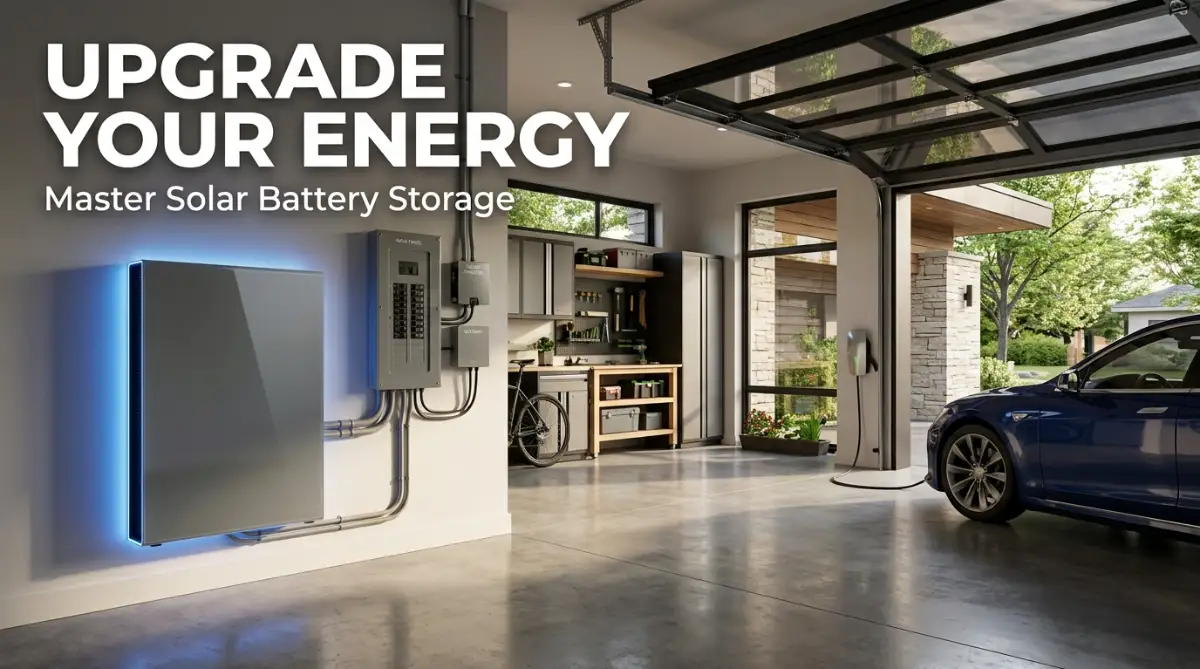
Next, you need to evaluate your overall plans for adding physical battery storage to your property. Older homes often experience more severe issues during neighborhood power outages due to outdated local city grid infrastructure.
A smart battery completely protects you from these annoying blackout events automatically. Your panels charge your battery all day long, providing immediate backup power the second the public grid fails.
This automated shifting process saves homeowners hundreds of dollars a year and prevents expensive groceries from spoiling in the dark. If you want to dive deeper into this safety net, learning how to choose the best home solar battery storage is your best next step.
Another massive strategy is leveraging modern electrical monitoring systems inside your newly upgraded breaker box. Traditional breaker boxes are incredibly dumb; they simply send power blindly to any switch you physically flip.
Adding smart consumption monitors allows you to track exactly which appliances are draining your free energy the fastest. You might discover that your vintage 1980s garage refrigerator is consuming ten percent of your total daily solar production.
Identifying these hidden energy hogs allows you to replace them, drastically increasing the overall efficiency of your new system. This high level of tracking is exactly why ambitious homeowners study how to save big on utility bills with solar battery storage.
You must also focus deeply on taking full advantage of government tax incentives before they expire completely. The federal government offers massive financial credits that cover a huge percentage of your hardware and installation costs.
Interestingly, if your roof requires structural reinforcement specifically to hold the panels, some of those carpentry costs may also qualify for the tax credit. Do not wait until tax season to figure out what forms you need to file with your accountant.
Finally, always perform a strict manual review of your home's internal grounding wire system. Many houses built before the 1960s do not have proper electrical grounding, which is incredibly dangerous for modern, highly sensitive electronic equipment.

Costly Solar Mistakes I Deeply Regret
I have made plenty of embarrassing and incredibly expensive mistakes while trying to upgrade my historic home's energy system. Some of these errors cost me thousands of dollars in lost power and caused severe frustration during the installation process.
My absolute biggest blunder was falling victim to the "Skip the Roof Replacement" trap during my initial planning phase. My asphalt shingles were roughly eighteen years old, but they looked perfectly fine from the ground, so I decided to save money.
I told the installation crew to proceed, and they bolted thirty heavy glass panels directly onto my aging roof deck. Three years later, a massive spring rainstorm revealed a terrible, hidden leak right above my master bedroom ceiling.
I had to pay a specialized crew over three thousand dollars just to temporarily remove all my panels and racking hardware. Then, I had to pay another ten thousand dollars for a brand new roof, before paying the solar crew to reinstall the equipment.
I learned the hard way that trying to squeeze a few extra years out of an old roof is an absolute financial disaster. Trying to cut corners on critical infrastructure always leads to massive regrets when water starts dripping into your house.
Another terrible mistake I made was completely ignoring the hidden costs of updating my vintage interior wiring. I assumed my home's electrical panel upgrade would magically fix all the old wires running through my plaster walls.
However, the city inspector found active knob-and-tube wiring hidden inside my attic, and he immediately failed my entire solar project. I could not turn my system on until I paid a specialized electrician to rip out and replace all the dangerous vintage wires.
Fixing that massive electrical mess took weeks of tedious manual labor and caused a lot of unnecessary, expensive anxiety. You must actively investigate your home's hidden wiring before you ever sign a massive renewable energy contract.
I also deeply regret refusing to involve my local historic preservation society early in the design process. I assumed they would not care because my property was located on a quiet, heavily wooded side street.
They actually forced me to redesign my entire array layout because the original plan allowed two panels to be visible from the public sidewalk. If your home has any historical significance, you must secure official written approvals before buying any hardware.
Industry leaders consistently warn that ignoring local aesthetic guidelines is the fastest way to end up in a nasty legal battle. Treating your local committees with respect is the absolute key to scaling your energy setup safely without looking foolish.
Wrapping Up My Solar Journey
Transforming your older home from a vulnerable, energy-wasting property into a highly efficient green fortress takes real dedication. You do not need to have a perfect, flawless modern house to take advantage of renewable energy today.
Start by simply getting a professional roof inspection and an electrical panel audit to see exactly where your property stands. Once you experience the sheer relief of knowing your home is structurally safe, you will eagerly embrace the rest of the process.
I genuinely hope my past failures and current strategies help you design a modern energy workflow that brings you total peace of mind. I can confidently say that taking the time to prepare my historic house properly completely saved my family from financial stress!
Frequently Asked Questions
Can an older roof actually support the weight of solar panels?
Yes, but it heavily depends on the current health of your wooden rafters and trusses. Modern panels are relatively lightweight, adding about four pounds per square foot to your roof load. However, a licensed structural engineer must evaluate your attic to ensure the vintage wood has not rotted or weakened over the decades.
Why do I need to upgrade my electrical panel for solar?
Most homes built before 1980 use a 100-amp electrical panel, which cannot safely handle the massive flow of power modern solar arrays generate. Upgrading to a 200-amp panel ensures your home's electrical system does not become overloaded and overheat. This upgrade is a necessary safety requirement mandated by almost all modern city building codes.
Are solar panels allowed in historic neighborhoods?
Usually yes, but with very strict aesthetic guidelines attached to the approval process. Most historic societies require that the panels be completely invisible from the main public street or sidewalk. You will likely need to install them on rear-facing roofs or use specialized low-profile mounting hardware to blend in.
Should I replace my roof before installing a new system?
If your roof is more than ten to fifteen years old, it is highly recommended to replace it first. Solar panels last twenty-five years, and removing them later just to fix a failing roof is an incredibly expensive headache. Combining a roof replacement with a solar installation often saves money on overall labor costs.
Will solar panels ruin the classic look of my older home?
Not if you choose the right design and hardware options for your specific architecture. You can request all-black, sleek panels that eliminate the ugly silver gridlines found on older technology. Using black mounting rails and hiding the wiring conduit inside the walls keeps the visual impact extremely clean and modern.
How do I know if my older home uses too much energy?
The absolute best way to check is by hiring a professional to conduct a comprehensive home energy audit. They will use specialized infrared cameras and blower doors to find hidden drafts and missing insulation. Fixing these leaks first ensures you do not waste money buying a massive solar system just to power a leaky house.
Category Disclaimer:
The information provided in this article is for educational and general informational purposes only. It does not constitute formal structural engineering, electrical, or financial tax advice. Equipment capabilities, local utility rates, and historical building codes are subject to rapid change. Always verify current local guidelines and consult with licensed contractors before modifying an older property.
https://youtu.be/xIseH9cAIE4?si=q7gzM4wbA2ggyhPG