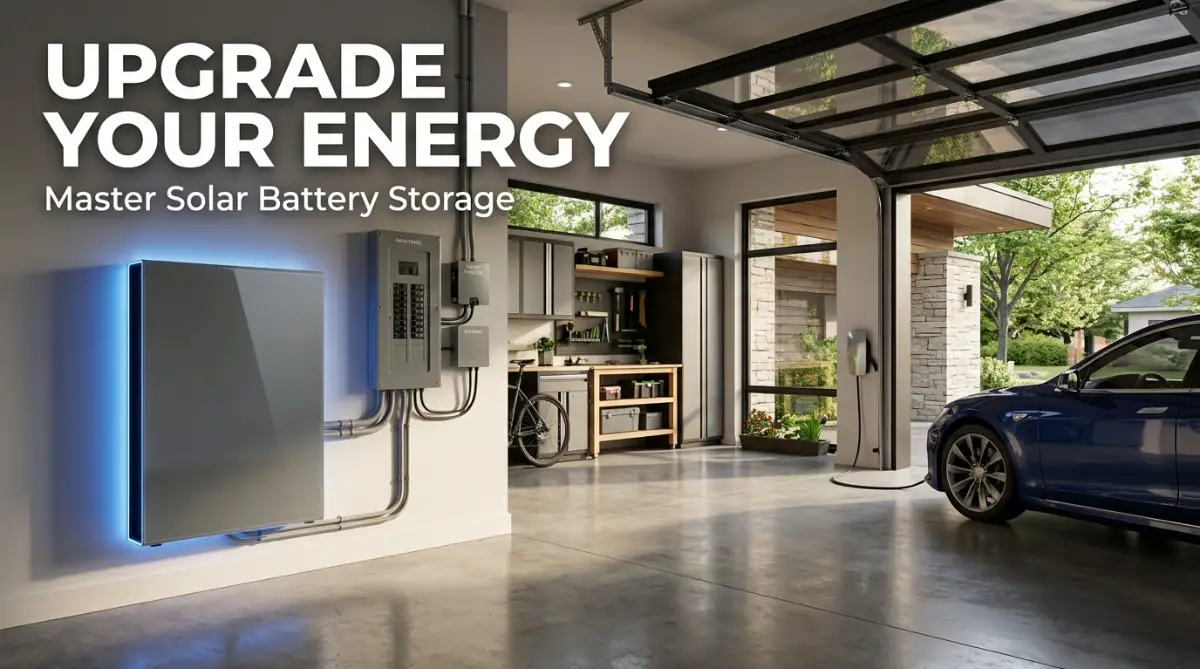
How High Energy Bills Almost Ruined My Winter
I remember tearing open my winter electric bill two years ago and feeling an instant, heavy knot of panic in my stomach. The total due was over four hundred dollars, which was completely devastating for my tight family budget at the time. I actually thought the utility company had made a massive billing error, so I spent an hour angrily waiting on hold.
When the representative calmly explained that the charges were perfectly accurate, I felt completely defeated and exhausted. My old, drafty house was literally pulling hard-earned money right out of my bank account every single day.
I was working long hours just to pay for heat that was immediately escaping through my poorly sealed windows. That terrifying financial hit became a massive wake-up call for me to take back control of my property.
I could not keep throwing my money away on wasted electricity while my family shivered in the cold during the evenings. The physical and emotional stress of constantly nagging my kids to turn off the lights was ruining our dinners together.
I felt like a grumpy security guard patrolling my own hallways just to save a few pennies every night. The entire situation was incredibly draining and highly unsustainable for my mental health.
I realized that yelling about light switches was not a real strategy to fix a fundamentally broken home energy system. I needed to find permanent, reliable upgrades that would stop the financial bleeding without requiring my constant, daily supervision.
I spent the next six months testing simple, highly effective ways to dramatically lower my monthly utility costs forever. Let me show you exactly how to transform your drafty house into a highly efficient, money-saving sanctuary today.
Building a Highly Efficient Home Environment
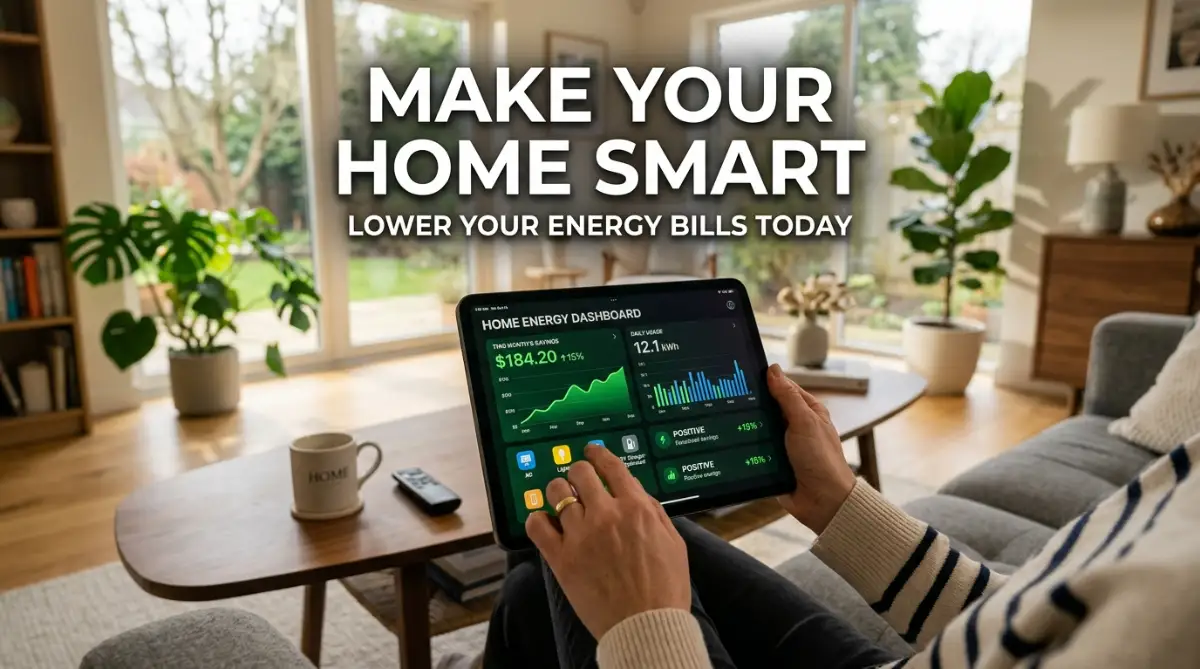
Choosing to upgrade your home requires a solid, easy-to-understand strategy rather than just guessing what might work. You cannot simply buy a single smart plug and expect your massive heating bills to magically disappear overnight.
You need to find specific weak points in your house that are actively leaking your expensive conditioned air. A highly efficient house acts like a perfectly sealed thermos, keeping the hot air inside during winter and outside during summer.
If you are serious about securing your monthly budget this year, you need a highly methodical approach to energy planning. Let us break down the exact, proven steps you need to take to build a comfortable, cost-effective living space.
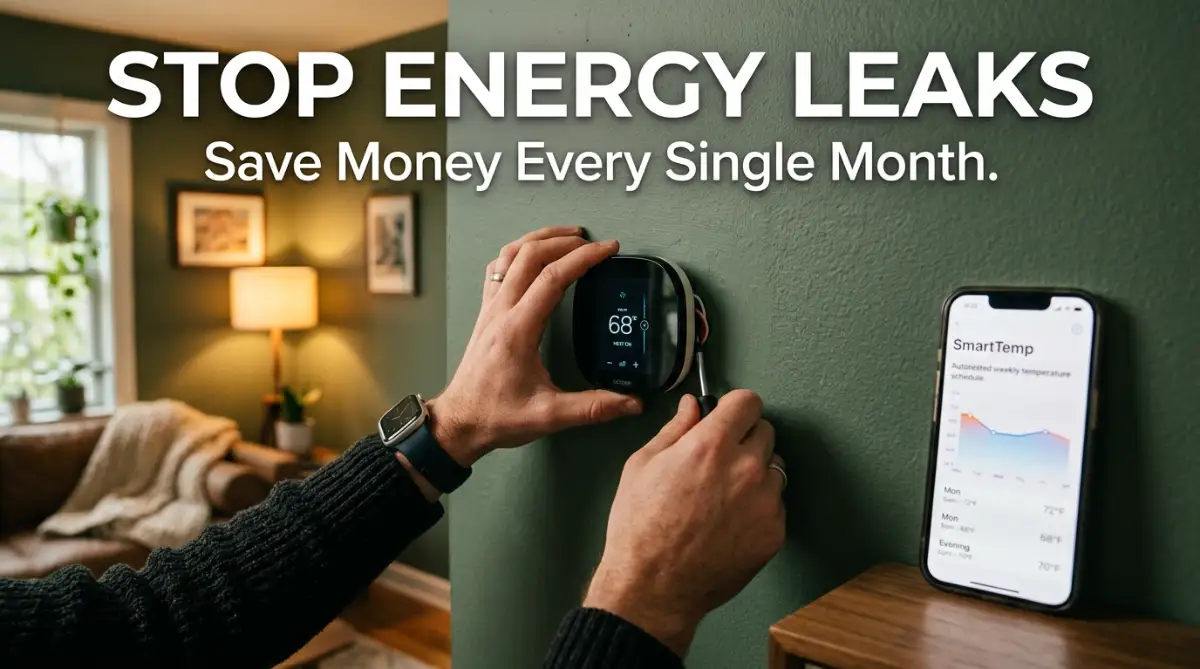
Step 1: Install a Smart Thermostat Immediately
Heating and cooling your house accounts for nearly half of your entire monthly utility bill. If you are still using a manual, outdated thermostat, you are practically throwing twenty-dollar bills directly into the garbage.
A smart thermostat completely automates your home's temperature based on your family's actual daily schedule. It learns when you leave for work and automatically lowers the heating or cooling to save massive amounts of power.
When you head home, the system uses your phone's location data to turn the system back on so your house is perfectly comfortable. Taking this step is a huge part of learning how to save big on utility bills with solar battery storage and automated tech.
Step 2: Switch Everything to LED Smart Lighting
Old incandescent light bulbs are incredibly inefficient because they release ninety percent of their energy as pure heat, not light. This means you are paying mostly to heat up the glass bulb rather than actually illuminating your living room.
Replacing every single bulb in your house with modern LED lighting is the fastest, cheapest upgrade you can possibly make. LED bulbs use up to eighty percent less energy and easily last twenty-five times longer than traditional, outdated bulbs.
You should take this upgrade a step further by investing in smart LED bulbs that connect to your home Wi-Fi network. You can set them on an automated schedule so your porch lights automatically turn off exactly when the sun rises.
You will never have to yell at your children for leaving the bathroom lights on ever again. You simply open an app on your phone and tap a single button to turn off every light in the entire house.
Step 3: Seal Up Drafts and Hidden Air Leaks
You can buy the most advanced heating system in the world, but it is totally useless if your house is full of holes. Tiny gaps around your doors and windows let your expensive, conditioned air escape straight into the neighborhood.
Take ten minutes this weekend to walk around your house and feel for cold breezes near the edges of your windows. Buy a cheap tube of silicone caulk and tightly seal any cracks you find along the exterior frames.
Next, install thick weatherstripping tape along the bottom edges of your front and back doors to stop heavy drafts. This incredibly cheap hardware store project will make your home feel noticeably warmer within just a few hours.
Step 4: Utilize Smart Power Strips
Did you know your television and computer continue to draw electricity even when they are completely turned off? This annoying phenomenon is known as phantom power or vampire energy, and it secretly drains your monthly budget.
Items with digital clocks, standby lights, or remote controls are constantly sucking a tiny trickle of power twenty-four hours a day. Over an entire year, this wasted phantom power can easily add up to a hundred dollars on your utility bill.
To fix this quickly, plug your entertainment centers and home office setups into an advanced smart power strip. These strips automatically detect when a device goes into standby mode and physically cut the electrical current to save you money.
Watch the Energy Upgrade Process in Action
Sometimes reading about home upgrades is not enough to truly grasp how easily they connect to your daily routine. Seeing a live installation walkthrough can instantly clarify how this amazing technology operates safely.
Watch this comprehensive visual guide below to see exactly how these energy-saving upgrades work:
Home Efficiency Comparison Overview
Understanding the difference between an outdated setup and a highly efficient smart home is highly important for your budget. Here is a clear breakdown of how these two distinct choices actually perform in the real world.
Myth vs Reality: Home Energy Efficiency
- Myth: Making a house energy efficient requires spending tens of thousands of dollars on massive renovations.
- Reality: Basic upgrades like LED bulbs, weatherstripping, and smart plugs cost under a hundred dollars but provide immediate, noticeable monthly savings.
- Myth: Leaving the heating on low all day is significantly cheaper than turning it off and reheating the house later.
- Reality: Your house constantly loses heat; it is always cheaper to turn the system completely down while you are away at work.
- Myth: Closing air vents in unused, empty rooms saves a massive amount of money on central heating.
- Reality: Closing vents actually increases severe pressure inside your ductwork, causing dangerous HVAC leaks and forcing your system to work significantly harder.
My Personal Pro Tip:
I highly recommend buying a cheap, handheld thermal leak detector gun online before you start buying weatherstripping tape. I simply walked around my house on a cold night and aimed it at the edges of my windows to find the exact spots where cold air was rushing in. This simple micro-habit saved me hours of guessing, and it ensured I only applied expensive silicone caulk where I actually needed it!
Advanced Strategies for Long-Term Home Independence
Purchasing cheap weatherstripping tape is only the first ten percent of the battle for true home energy independence. If you just change a few light bulbs and completely ignore your massive appliances, you will leave serious money on the table.
To ensure long-term financial success, you must implement highly structured audits and advanced home automation strategies. Let me share some technical operational secrets that helped my family maximize our property investment completely.
First, you must strongly consider scheduling a professional home energy audit with an accredited local technician. A certified auditor will literally pressurize your entire house using a specialized blower door to find invisible structural air leaks.
They use advanced infrared cameras to look straight through your drywall and see exactly where your insulation is failing. This professional report gives you a highly accurate, prioritized roadmap of what exactly you need to fix first.
Next, you need to seriously evaluate the current state of your attic insulation before the heavy winter arrives. Heat naturally rises, meaning a massive amount of your expensive winter warmth escapes directly through a poorly insulated roof.
Upgrading your attic insulation to modern fiberglass or blown-in cellulose standards provides an incredibly fast return on your investment. During the scorching summer months, thick insulation also prevents the hot sun from baking your interior ceilings.
Another massive strategy is leveraging modern solar technology to generate your own private, clean electricity daily. If you are tired of renting power from a greedy utility company, installing rooftop panels changes the game completely.
Solar panels allow you to lock in your energy costs for the next twenty-five years, protecting you from endless inflation. Exploring the best residential solar panel options for U.S. homes on a budget is a fantastic way to start this journey affordably.
During bright sunny days, you can actually spin your electrical meter backward and force the utility company to credit your account. Adding these systems is one of the smartest solar upgrades that boost your home value significantly.
You must also focus deeply on upgrading your heavy, outdated home appliances to modern Energy Star certified models. That noisy, fifteen-year-old refrigerator sitting in your kitchen is likely consuming three times more power than a modern equivalent.
When it is finally time to replace your old washer, dryer, or dishwasher, never buy the absolute cheapest model you find. Spending a little extra on a highly efficient machine saves you hundreds of dollars in operational electricity costs over its lifespan.
Finally, always perform a strict manual review of your heating, ventilation, and air conditioning (HVAC) system every single spring. Changing your air filters every ninety days ensures your blower motor does not have to work incredibly hard to push air around.
If your HVAC system is suffocating through a wall of thick dust, your energy bills will naturally skyrocket immediately. A simple, five-minute filter change keeps your expensive equipment running smoothly entirely for the long term.
Costly Energy Upgrade Mistakes I Deeply Regret
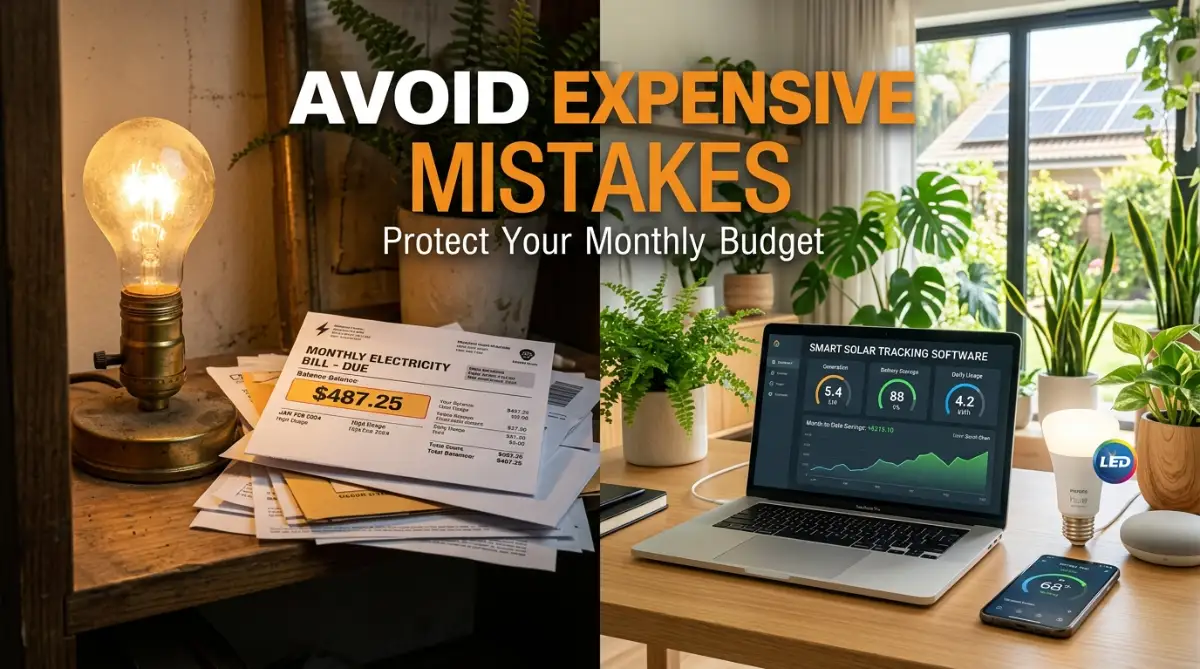
I have made plenty of embarrassing and incredibly expensive mistakes while trying to organize my home's energy efficiency plan. Some of these errors cost me thousands of dollars in lost power and caused severe frustration during extreme winter weather.
My absolute biggest blunder was falling victim to the window replacement myth during my very first year of homeownership. I spent nearly eight thousand dollars replacing perfectly fine double-pane windows because a salesperson convinced me it would slash my heating bills.
When the first major winter storm hit, my house was still freezing cold because the real problem was my completely empty attic insulation. I had shiny new windows, but my expensive heat was still escaping directly through my roof because I made a terrible, uneducated decision.
I learned the hard way that you must always prioritize sealing and insulating your attic and basement before you ever touch your windows. Trying to cut corners on invisible infrastructure always leads to massive regrets when you finally see the utility bill.
Another terrible mistake I made was completely ignoring the importance of proper ventilation when I sealed up my house. I aggressively caulked every single crack and gap I could find, turning my home into an airtight, highly sealed plastic bag.
However, because my home could no longer breathe properly, moisture began building up inside the walls, causing dangerous mold to grow. Fixing that massive health hazard took weeks of tedious manual correction and caused a lot of unnecessary, expensive anxiety.
You must actively balance air sealing with mechanical ventilation to ensure fresh, healthy air constantly circulates through your living spaces. Providing excellent indoor air quality is a major step in preventing structural rot and maintaining high personal health.
I also deeply regret refusing to upgrade my main electrical panel before trying to add heavy, advanced smart appliances. I tried to squeeze new, high-efficiency systems into an overcrowded, thirty-year-old electrical box to save a few hundred dollars.
The old panel could not handle the new digital load safely, causing frequent, highly annoying tripped breakers every time the washing machine started. Upgrading your home's main electrical brain is an absolute necessity before adding advanced digital energy equipment.
If you are planning to add renewable energy, learning how to make your home more energy independent with solar tech requires a safe electrical foundation first. Treating your home's wiring carefully is the absolute key to scaling your energy setup safely without looking foolish.
Embracing a Highly Sustainable Future
Transforming your home from a vulnerable, wasteful money pit into a highly synchronized energy fortress takes real dedication. You do not need to have a perfect, flawless green home setup on day one of your efficiency journey.
Start by simply changing out your most heavily used light bulbs and installing a basic smart thermostat this weekend. Once you experience the sheer relief of seeing your utility bill drop by twenty dollars, you will eagerly embrace the rest of the system.
I genuinely hope my past failures and current strategies help you design a daily energy workflow that brings you total peace of mind. I can confidently say that taking the time to master my home efficiency completely saved my family from stress and protected my monthly budget!
Read More Useful Guides
If you are looking to further optimize your home energy setup, check out these helpful resources below:
- Smart Guide to Choosing the Best Home Solar Battery Storage
- How to Save Big on Utility Bills with Solar Battery Storage
- Best Residential Solar Panel Options for U.S. Homes on a Budget
- Solar Upgrades That Boost Your Home Value: A Complete Guide
- How to Make Your Home More Energy Independent with Solar Tech
Frequently Asked Questions
Do smart thermostats really save that much money?
Yes, they absolutely do provide a highly noticeable return on your investment over time. By automatically turning off the heating and cooling systems when your house is completely empty, they stop massive amounts of daily energy waste. Most homeowners typically earn back the cost of the device in lower utility bills within the very first year.
What is the absolute cheapest way to make my home more efficient?
The cheapest, highest-impact upgrade is swapping out all your old incandescent light bulbs for modern LED bulbs. Following closely behind is buying a ten-dollar tube of silicone caulk to seal the drafty gaps around your window frames. Both of these simple, weekend projects require zero technical skills and immediately lower your monthly electric costs.
Are solar panels worth the expensive upfront cost?
If you plan to stay in your current house for more than five years, they are an incredibly smart financial decision. They protect you from rising utility rates and significantly boost the overall resale value of your property. Furthermore, federal tax incentives currently cover a massive portion of the initial hardware and installation costs.
How do I stop my appliances from draining phantom power?
The easiest solution is to plug your television, gaming consoles, and computer monitors into a high-quality smart power strip. These clever strips sense when a device goes to sleep and physically cut the electrical current to the outlet automatically. This prevents those devices from slowly sucking expensive background power twenty-four hours a day.
How often should I change my home air filter?
You should physically inspect your HVAC air filter every thirty days, especially during the heavy summer and winter months. A standard fiberglass filter generally needs replacing every ninety days to ensure proper, healthy airflow. Running a system with a clogged, dirty filter forces the motor to work harder, which drastically increases your energy bill.
Does closing air vents in empty rooms save money?
No, this is a very common, highly destructive myth that can actually damage your heating system permanently. Your HVAC blower is designed to push a specific amount of air; blocking vents increases internal pressure and causes massive ductwork leaks. Always keep your vents fully open to ensure your system operates at its peak intended efficiency.
Category Disclaimer:
The information provided in this article is for educational and general informational purposes only. It does not constitute formal electrical engineering or financial tax advice. Equipment capabilities, local utility rates, and federal tax codes are subject to rapid change. Always verify current building codes and consult with a licensed contractor before upgrading your home energy strategy.