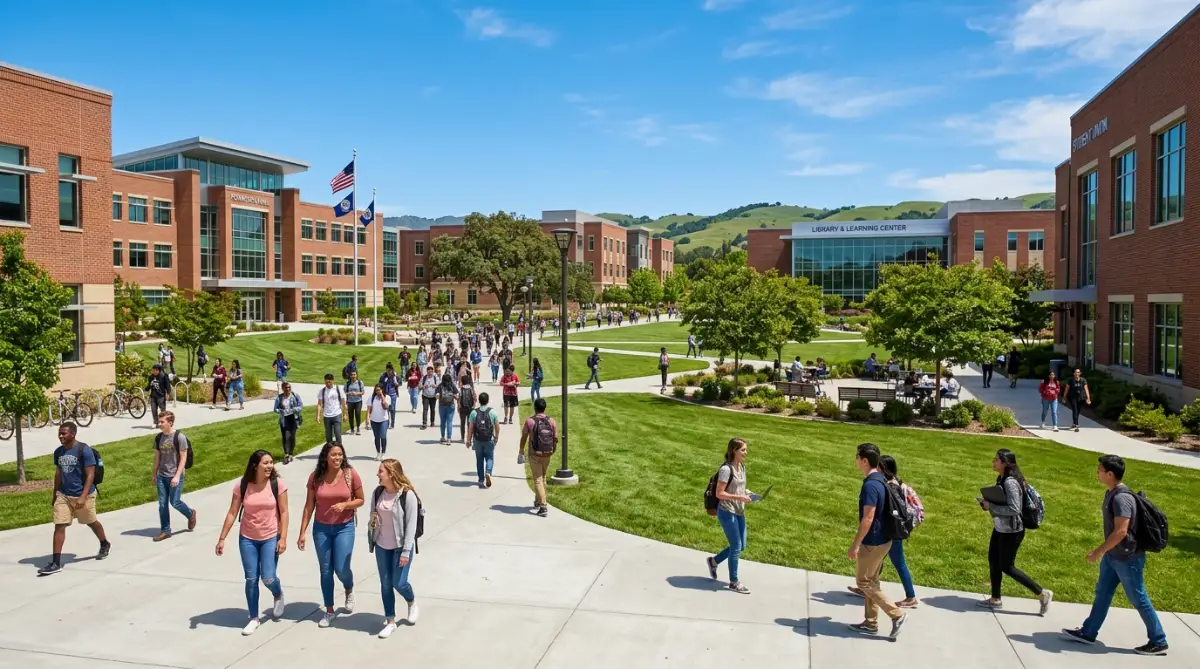
Navigating the Crucial Decision Between Two-Year and Four-Year Schools
When I stood at the crossroads of high school graduation, I felt crushed by the invisible weight of expectations telling me that only an expensive four-year residential university could validate my intelligence. My peers were rushing to sign housing contracts for private out-of-state campuses, while my family and I silently stared at tuition invoices that would have required taking on crushing private student loans. I remember lying awake at night, terrified that choosing a cheaper local option would ruin my career before it even started. Fortunately, I took a pragmatic leap, enrolled in my local community college for general education credits, and later transferred seamlessly to a flagship state university. That choice saved me tens of thousands of dollars in debt and gave me the academic confidence I needed. Stepping back to look at the big picture taught me that your ultimate success is driven by your personal drive and strategic planning, not by the brand name printed on your freshman dorm acceptance letter.
As high school graduation approaches or adult learners consider returning to school, one of the most significant decisions they face is selecting the right higher education institution. In the United States, the post-secondary landscape is broadly divided into two major pathways: two-year community colleges and traditional four-year universities. For decades, popular culture and societal expectations romanticized the four-year university experience—complete with dormitories, Greek life, large sports stadiums, and sprawling campuses—as the only true college experience.
However, amid soaring tuition inflation, nationwide student loan debt concerns, and evolving workforce demands, the narrative has shifted dramatically. Today, millions of students and families recognize that higher education is an investment where financial practicality, academic environment, and long-term career outcomes matter far more than social prestige. Both community colleges and universities offer unique advantages, distinct academic structures, and differing social environments. In this comprehensive comparison guide, we analyze tuition costs, academic instruction, campus culture, admission flexibility, and career prospects to help you determine which higher education path fits your personal goals and financial budget best.

Financial Reality Check: Tuition, Fees, and Living Expenses
The most immediate and impactful difference between community colleges and four-year universities lies in tuition costs and associated living fees. Understanding these financial structures is crucial for avoiding unnecessary student loan debt.
Community colleges are largely funded by local tax revenues, allowing them to offer subsidized tuition rates designed to serve regional populations. Furthermore, because most community college students commute from home, they save tens of thousands of dollars on university meal plans and campus dormitories.
Community College vs. University Expense Breakdown
My Personal Pro Tip
When weighing your options, my personal pro tip is to map out your intended major's course requirements before enrolling anywhere. If you are undecided, community college provides a low-risk, economical environment to explore different academic fields without wasting expensive university tuition.
Visual Insight: Comparing Community Colleges vs Universities
For an in-depth visual comparison detailing real student experiences, cost analyses, and transfer strategies across US institutions, watch this expert overview!
Academic Environment and Teaching Philosophies
Beyond tuition differences, community colleges and universities offer fundamentally distinct classroom experiences and instructional models.
Class Size and Professor Accessibility
At major four-year public research universities, introductory general education classes often take place in massive lecture halls seating 200 to 400 students. In these settings, lectures are frequently delivered by senior research professors, while smaller discussion groups and grading are handled by Graduate Teaching Assistants. At a community college, classes are capped at 25 to 30 students. Every course is taught directly by dedicated faculty whose primary mandate is classroom teaching rather than publishing research.
Admissions Requirements and Flexibility
Community colleges maintain an open-enrollment policy, requiring only a high school diploma or GED certificate for entry. There are no competitive SAT cutoffs or complex essay requirements, making them accessible to non-traditional adult learners, students seeking a second chance after low high school grades, or international students improving their English skills. Four-year universities employ selective admissions criteria evaluating high school GPA, test scores, and personal essays.
As you plan your educational route, keeping your long-term household budget balanced is essential. Review structured guidelines on managing credit liabilities by checking our expert advice on how to improve your credit score.
Maintaining financial preparedness also involves understanding broader student loan options if campus housing or university costs require financing. Review details in our analysis of federal vs private student loans. Additionally, protecting your living situation through proper planning—such as reading how to choose your first home insurance policy—guarantees full peace of mind during relocation.
Common Mistakes and Pitfalls to Avoid
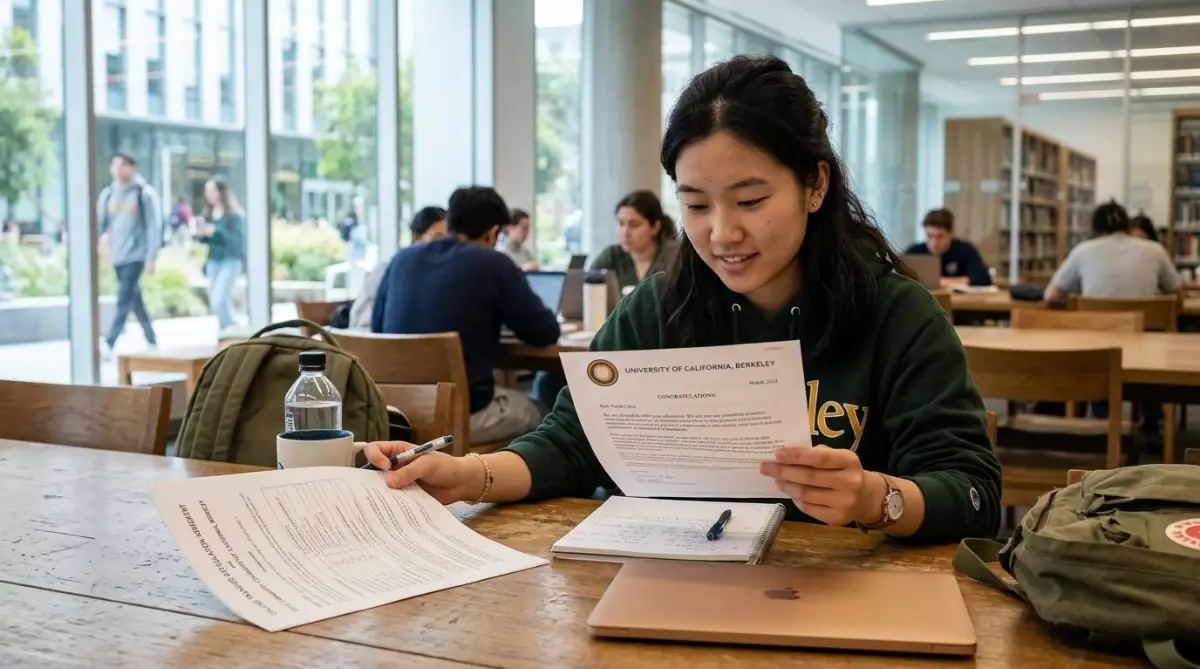
Students and parents frequently make avoidable errors when deciding between community colleges and four-year universities:
- Failing to Check Transfer Articulation Agreements: Enrolling in community college classes without verifying whether they transfer cleanly into your target university major.
- Chasing Social Prestige Over Financial Health: Committing to high-cost private universities out of social pressure rather than evaluating personal budget limits.
- Ignoring Career-Specific Laboratory Needs: Choosing a community college when your specific technical major requires specialized flagship university lab equipment from day one.
- Not Utilizing Academic Advising Early: Waiting until the final semester to speak with transfer coordinators, leading to missed prerequisites.
Building practical digital skills and exploring alternative education pathways can also give you a professional edge. For those looking into alternative career preparation or independent training avenues, reviewing resources on easy ai website builders for small businesses or exploring opportunities at best community colleges in the usa for affordable education provides pragmatic, low-cost pathways to professional success.
Choosing Your Ideal Educational Journey
There is no universally correct educational path—only the path that best fits your individual academic goals, financial situation, and personal circumstances. Community colleges offer unmatched affordability, small class sizes, flexible schedules, and debt-free pathways. Four-year universities provide immersive residential life, direct research opportunities, specialized four-year majors, and strong corporate recruiting networks.
Reflecting on my own educational choices, I want you to know that prioritizing your financial health is never a compromise. Evaluate your options honestly, take confident ownership of your schooling, and step forward into a bright, successful future!
Community College vs University Do's and Don'ts
Frequently Asked Questions
Is a community college education lower in quality than a university?
No, community college courses adhere to strict regional accreditation standards, and classes are often taught by dedicated professors rather than graduate teaching assistants.
What is a 2+2 transfer pathway?
A 2+2 pathway allows you to complete two years of general education at a community college to earn an associate degree before transferring to a university for two years to finish your bachelor's.
Are community colleges cheaper than universities?
Yes, community colleges charge a fraction of university tuition rates, and commuting from home saves thousands of dollars on room and board expenses.
Do employers care if my degree started at a community college?
No, your bachelor's degree diploma is issued solely by the four-year university where you graduate, and employers focus primarily on your final credential.
What are the admission requirements for community colleges?
Most community colleges maintain an open-enrollment policy, requiring only a high school diploma or GED certificate to gain admission.
Disclaimer: The information provided in this article is for educational, informational, and career planning purposes only. Tuition rates, housing costs, admission criteria, credit transfer policies, and financial aid availability vary significantly by academic institution and state jurisdiction. Readers are strongly encouraged to verify details directly with official university and community college admissions and financial aid offices before making enrollment commitments.