
The Journey to Achieving Financial Freedom Through Credit Mastery
I still remember staring at my very first credit report years ago, feeling completely overwhelmed by how many invisible factors controlled my financial life. My initial score was far from impressive, and every time I thought about applying for a major loan, a wave of anxiety washed over me. I knew that having a low score meant paying higher interest rates, which felt like an unfair penalty for simply trying to build stability. That frustrating realization pushed me to study every single rule, metric, and algorithm behind credit scoring systems. Once I began applying consistent, disciplined habits to my daily routine, my score climbed steadily into the top tier. That personal transformation showed me that mastering your credit profile does not require expensive repair companies or paid programs, but rather a clear understanding of the fundamentals.
Managing your financial reputation should feel empowering rather than like an endless guessing game filled with penalties. Instead, watching your score fluctuate without knowing why leaves you feeling stressed and powerless.
Many consumers work hard to pay bills on time, yet small reporting errors or high utilization ratios still drag their ratings down. Facing unexpected credit roadblocks puts major life plans on pause, whether you are trying to rent an apartment, buy a car, or secure a mortgage.
Why everyday consumers struggle with credit growth:
- Misinterpreting how credit utilization is calculated across active credit card accounts.
- Closing old credit accounts under the false impression that it cleans up their report.
- Fearing that checking their own credit report will trigger a hard inquiry drop.
- Waiting until the last minute before a major loan application to check their credit standing.
The emotional and financial toll of a low credit score:
- Constant anxiety over loan rejections makes every major life milestone feel uncertain.
- Wasting thousands of dollars in high-interest rates drains monthly household savings.
- Feeling trapped by complex financial criteria leaves you unable to control your future.
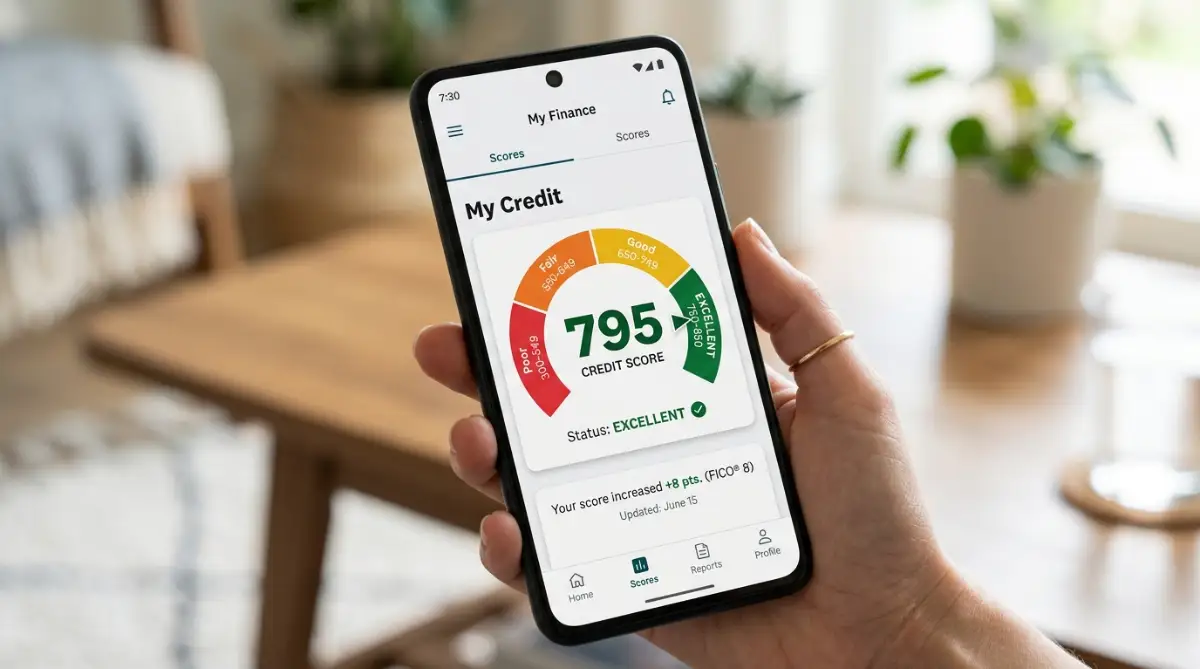
When lenders evaluate your profile, they rely strictly on mathematical formulas and historical data points. They do not see your daily work ethic or your personal dedication to financial responsibility.
They only look at risk scores, payment trends, and debt ratios displayed on a computer screen. Closing the gap between your actual financial health and what the credit bureaus see is the true key to success.
Once you learn how to adjust your habits to match credit scoring models, you can elevate your score completely for free. Let us look at the actual facts together and build your path to top-tier financial health.
Understanding Credit Score Tiers and How the System Works
Your credit score tells third-party lenders how likely you are to pay back what you borrow based on historical credit report data. Knowing where you stand on the scoring spectrum helps you target the right financial moves.
Let us break down the exact credit score ranges and what they mean for your borrowing power.
Core Credit Score Tiers
Borrowers are generally divided into sub-prime, prime, and super-prime categories, each dictating the kind of treatment and interest rates you receive.
Comparing Credit Score Ranges and Benefits
Myth vs Reality: Credit Score Management
Myth: "You need to maintain active loans across every single credit category—like auto loans, mortgages, and retail cards—to achieve a top score."
Reality: You can easily reach a super-prime credit score using only well-managed credit cards paid in full every month; diversifying loan types accounts for only 10% of your total score.
My Personal Pro Tip: One of the most effective habits I developed was making multiple smaller credit card payments throughout the month rather than waiting for a single monthly due date. This keeps my reported credit utilization exceptionally low on statement closing dates, which has consistently protected and boosted my credit score over the years.
Watch this helpful video guide to learn how credit scores are calculated and how you can boost your rating step by step:
Advanced Strategies to Optimize and Maintain a Super-Prime Score
Once you understand the basic mechanics of credit scoring, you can use advanced methods to elevate your profile into the super-prime category. Mastering your credit score is a lot like training for a marathon; consistency, patience, and avoiding unneeded strain yield the best long-term results. The most influential category in your credit score is your payment history, making up thirty-five percent of your total rating. Building a flawless history of on-time payments demonstrates to lenders that you possess a strong track record of financial reliability. To ensure your credit profile meets lender standards before applying for major financing, you can review our guide on how to improve your credit score to prepare your file effectively.
Another critical strategy involves managing your credit utilization ratio, which accounts for thirty percent of your score. Credit utilization measures how much of your available revolving credit you are actively using at any given time. Keeping this percentage low signals to lenders that you are not overextended or reliant on debt to survive. If you are balancing student debt or educational financing alongside your credit growth, you can check out insights on federal vs private student loans to see how installment liabilities affect your broader financial profile. For students or young adults looking into affordable ways to continue their education without accumulating toxic debt, exploring resources on best community colleges in the USA offers budget-friendly academic pathways.
Furthermore, managing the length of your credit history—which comprises fifteen percent of your score—requires keeping your oldest accounts open and active. Closing old credit cards reduces your total available credit limit and shortens your average account age, which can inadvertently cause your score to drop. If you run a small business or manage freelance income streams, you can review our tutorial on easy AI website builders for small businesses to establish professional online branding and extra revenue channels. For related insights on safeguarding your household budget from unexpected liability and maintaining overall financial stability, check out tips on how to choose your first home insurance policy without unnecessary anxiety.
Additionally, being strategic about new credit inquiries protects your score from temporary drops caused by hard pulls. By taking a disciplined, highly educated approach to your credit report, you harness all the advantages of super-prime status while avoiding unnecessary financial stress.
 Mistakes and Pitfalls to Avoid With Credit Building
Building and maintaining a high credit score requires vigilance against common misconceptions and traps. Recognizing these frequent errors protects your financial standing from unexpected setbacks.
Closing Down Unused Credit Cards
Many consumers close old credit cards they no longer use, mistakenly believing it helps clean up their profile. In reality, this reduces your total available credit and spikes your credit utilization ratio.
Incurring Too Many Hard Inquiries in a Short Span
Applying for multiple credit cards or loans across different institutions within a few weeks creates a cluster of hard inquiries, signaling financial distress to lenders.
Simple Do's and Don'ts for Credit Success
- Do pay your credit card bills in full and on time every single month.
- Do keep your oldest credit accounts open and active with small recurring purchases.
- Do check your official credit reports regularly for clerical errors or fraudulent entries.
- Don't close unused credit cards unless they carry exorbitant annual membership fees.
- Don't apply for multiple types of credit simultaneously just to boost your credit mix.
- Don't carry a high credit utilization ratio above thirty percent on your revolving accounts.
Your Action Plan for Long-Term Credit Excellence
Reaching a top-tier credit score is entirely achievable when you follow a structured, disciplined system. You do not have to feel intimidated by credit bureaus or complex scoring formulas anymore.
- Prioritize On-Time Payments: Set up automatic bill pay to protect your 35% payment history weight.
- Optimize Utilization: Keep your revolving balances below 10% to 30% of your total limits.
- Monitor Reports Regularly: Request free copies of your credit reports to catch and dispute errors early.
Looking back at my own early credit struggles, I realize how much peace of mind comes from understanding how the system works. My personal journey taught me that financial literacy is the most powerful tool for overcoming debt stress. I want you to feel that same absolute confidence when managing your credit profile. Stay strong, keep practicing smart financial habits, and take control of your financial future today.
Recommended Reading Resources
Explore these internal guides to master your overall financial strategy:
- How to Improve Your Credit Score Before Applying for a Mortgage
- Federal vs Private Student Loans Guide
- How to Choose Your First Home Insurance Policy Without Stress
- Best Community Colleges in the USA for Affordable Education
Frequently Asked Questions
How can I get a perfect credit score for free?
You can build a top-tier credit score for free by consistently paying all your bills on time, keeping credit utilization below 10%, and maintaining old accounts.
Does checking my own credit score hurt my rating?
No, checking your own credit score is a soft inquiry, which has zero negative impact on your credit rating.
How long do late payments stay on a credit report?
Late payments typically remain on your credit report for up to seven years, though their negative impact fades over time with steady on-time behavior.
What is a good credit utilization ratio?
A credit utilization ratio below 30% is considered good, while keeping it under 10% is ideal for achieving a super-prime credit score.
Should I close credit cards that I no longer use?
No, keeping unused credit cards open helps preserve your total available credit limit and keeps your credit utilization ratio low.
Disclaimer: The information provided in this article is for educational and informational purposes only and does not constitute formal financial, legal, or credit counseling advice. Credit scoring algorithms and lender requirements vary depending on individual financial profiles, financial institutions, and credit reporting agencies. Always consult with a qualified financial advisor or certified credit counselor before making major credit decisions.