Cut Your Power Bill: The Practical Guide to Home Solar Systems
Are you exhausted by skyrocketing electricity rates draining your monthly budget? You do not have to remain a victim to endless utility price hikes. Installing a practical home solar system is the most effective way to eliminate your power bills and take back control of your finances. From understanding how high-efficiency rooftop solar panels work to selecting the right solar inverter and battery storage, this beginner-friendly guide breaks down exactly how to design a profitable clean energy setup. Learn how to navigate net metering, claim massive federal tax credits, and turn your roof into a reliable, money-saving power plant today!
1. Finding Relief from Skyrocketing Utility Bills
I remember staring at my July utility statement in absolute disbelief. My power bill had surged past $400 for a single month of air conditioning, completely wrecking my household budget.
I felt completely trapped by my local utility company, watching my hard-earned money vanish just to keep my family comfortable. Every summer felt like a massive financial penalty that I simply could not escape.
It was incredibly stressful trying to balance energy costs with other living expenses. I knew I needed a permanent fix, but all the technical solar jargon online honestly intimidated me.
Salesmen were aggressively pushing complex leases, making the entire process feel like a scam. Finally, I decided to take control, ignore the noise, and learn how residential solar systems actually work from the ground up.
I quickly discovered that home solar is not a confusing science experiment at all. Instead, it is a simple, highly automated appliance that works quietly on your roof every single day.
By installing an affordable 8 kW system and a central inverter, I completely eliminated those stressful power bills. My monthly electricity cost dropped to a flat $14 grid connection fee, saving me thousands of dollars every single year. Let me show you exactly how to cut through the confusion and design a practical, money-saving solar setup for your own home.

2. How a Practical Home Solar System Works
A residential solar power installation is simply an automated electrical system. It is engineered to generate, convert, and route clean electricity into your home seamlessly.
Understanding how the hardware components work together instantly simplifies the technology. It all starts with your rooftop photovoltaic (PV) panels converting sunlight into direct current (DC) electricity.
Watch this step-by-step breakdown of how home solar systems actually work before you buy!
If you are confused by technical jargon like inverters, net metering, and time-of-use rates, this expert video explains everything simply. Watch this complete beginner's guide to see exactly how solar energy powers your home and saves you money every month.
Solar Inverter Architectures Compared
Myth vs. Reality: Solar Power Outages
Myth: If the utility grid goes down, my solar panels will keep my house powered automatically.
Reality: Standard grid-tied solar systems shut down during blackouts for safety reasons. You must add a battery storage system if you want backup power during a grid failure.
My Personal Pro Tip: When I was selecting my equipment, a salesman tried to push expensive microinverters on me. Since my roof faces perfectly South and has zero trees shading it, I knew I did not need them. I chose a budget-friendly central string inverter instead, which saved me over $3,500 on my total installation cost while giving me the exact same power output!
3. Mastering Net Metering and Federal Tax Credits
To truly maximize your financial return on a solar system, you need to understand how your local utility company handles billing. This process is called Net Energy Metering (NEM).
Under traditional Net Metering, when your panels produce more power than your house needs on a sunny afternoon, the excess energy flows backward into the grid. Your utility company then gives you a retail credit for that power, which you can use to offset the energy you consume at night.
However, many states are moving to updated policies, like NEM 3.0 in California. Under these new rules, utility companies drastically reduce the credit they give you for sending them daytime solar power.
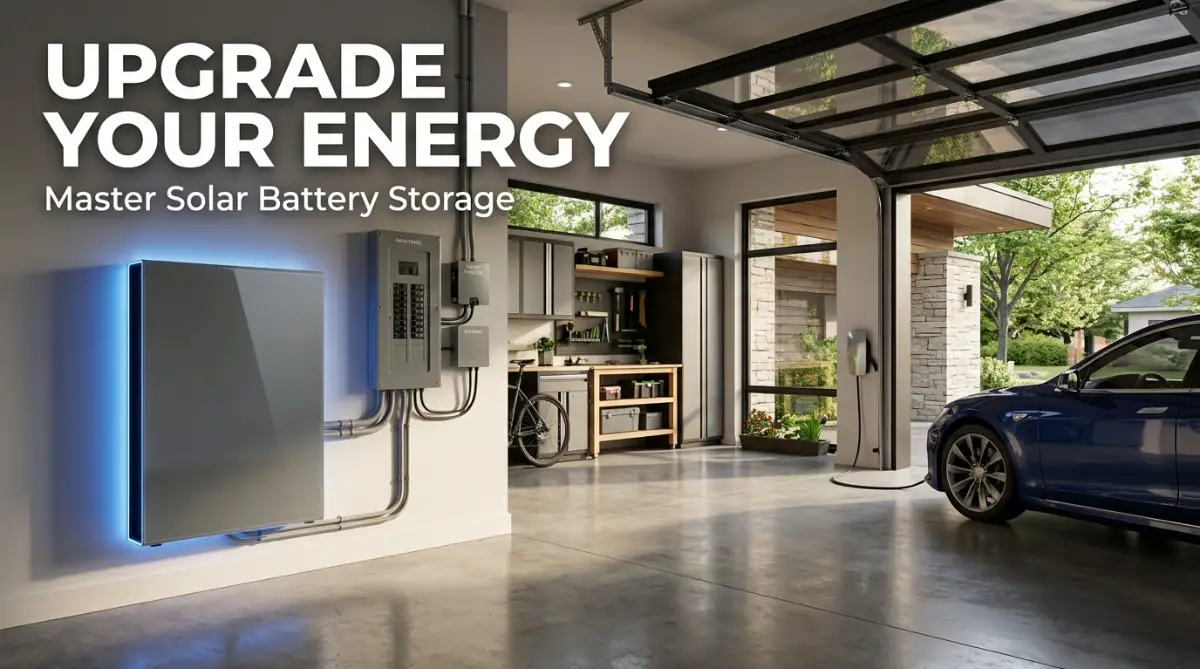
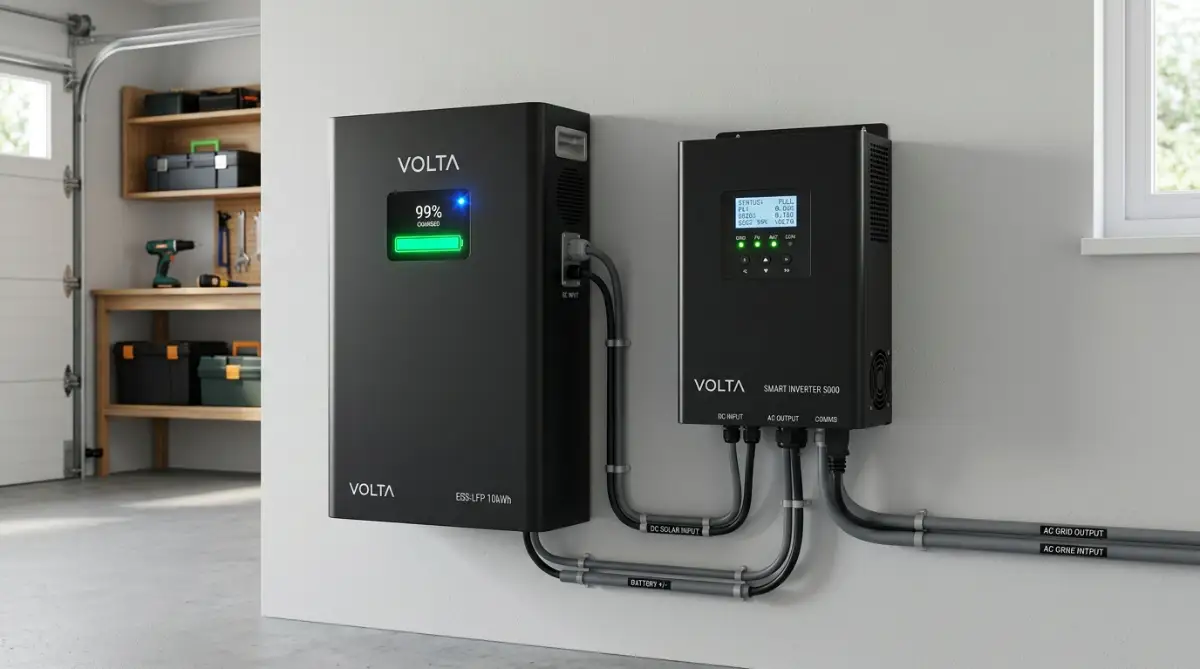
If you live in a state with reduced export rates, adding a lithium battery (LiFePO4) is highly recommended. Instead of sending your extra power to the grid for pennies, you store it in your wall battery.
You can then use that stored energy to power your home during the evening when electricity rates are the most expensive. This strategy, known as battery arbitrage, protects you from greedy utility rate hikes.
Financing your solar system properly is just as important as the hardware you choose. If you are planning to take out a loan for your installation, you must prepare your finances first.
It is always a smart idea to learn how to improve your credit score before applying for a mortgage or a home equity solar loan to secure the lowest possible interest rate.
The single biggest financial tool at your disposal is the IRS Section 25D Federal Clean Energy Tax Credit. This federal program allows you to deduct 30% of your entire solar installation cost from your federal income taxes.
This includes the panels, the inverter, battery storage, and all installation labor. For example, a $20,000 system gets a massive $6,000 tax discount, dropping your real cost to just $14,000.
With those incredible savings, you can reallocate your budget to other pressing financial goals. Freeing up hundreds of dollars a month makes it much easier to tackle obligations, similar to figuring out federal vs private student loans and how to choose wisely.
Before your system is officially turned on, you must ensure your investment is protected from severe weather. Take the time to understand how to choose your first home insurance policy without stress so your panels are covered against hail and wind damage.
A practical home solar setup is an asset that pays you back every single day. Combining the right hardware with smart tax strategies guarantees the best possible return on your investment.
4. Costly Pitfalls to Avoid When Going Solar
One of the biggest mistakes homeowners make is failing to inspect their roof before installing solar panels. If your asphalt shingle roof is older than 12 years, you must replace it before adding solar.
Removing and reinstalling a solar array to fix an old, leaky roof later will cost you thousands of dollars in unnecessary labor. Always align your roof replacement schedule with your solar installation.
Another major trap is falling for "free solar" advertisements on social media. There is no such thing as a free solar system.
These ads are designed to lock you into a 25-year Power Purchase Agreement (PPA) or a predatory lease. When you lease, you lose the 30% federal tax credit and add zero appraisal value to your home.
Always purchase your system with cash or a transparent, low-interest loan. Owning the hardware is the only way to generate true, long-term wealth from your roof.
5. Taking Ownership of Your Power Bills
A practical home solar system is far more than an environmental statement. It is a highly reliable financial tool that puts energy independence completely back into your hands.
I can honestly tell you that installing my own solar array was the greatest home upgrade I have ever made. Watching my electric bill drop to nearly zero gave my family an incredible sense of financial security.
Take charge of your monthly budget starting today. Audit your electric bills, request competitive cash quotes, claim your federal tax credits, and step confidently into a self-sufficient energy future!
6. Internal Links Check
- Included Link: How to improve your credit score before applying for a mortgage.
- Included Link: Federal vs private student loans and how to choose wisely.
- Included Link: How to choose your first home insurance policy without stress.
7. Frequently Asked Questions
How many solar panels do I need to power my house?
The number of panels depends entirely on your historical annual electricity usage. A standard American home typically requires an 8 kW to 10 kW system, which equals about 20 to 25 modern solar panels.
What happens to my solar power at night?
At night, your solar panels stop producing power. You will either pull electricity from the utility grid using your earned net metering credits or draw power directly from your home battery storage.
Do I have to clean my solar panels regularly?
In most climates, natural rainfall is enough to keep your solar panels clean. However, if you live in a very dusty area or experience heavy pollen, gently hosing them off once a year can maintain peak efficiency.
Can I run my air conditioner on solar power?
Absolutely. A properly sized home solar system generates more than enough AC electricity to run heavy appliances, including central air conditioners, electric water heaters, and pool pumps.
How long does it take for a home solar system to pay for itself?
When you combine monthly utility savings with the 30% federal tax credit, most residential cash-purchased solar systems pay for themselves in 5 to 8 years.
8. Home Energy & Financial Disclaimer
The information provided in this article is for educational, informational, and general consumer guidance only and does not constitute formal electrical engineering, financial, legal, or tax advice. Solar energy production estimates, equipment pricing, utility Net Metering credit rates, electricity tariffs, and federal clean energy tax credit eligibility criteria vary significantly based on geographic location, local utility policies, and individual tax liability.
Homeowners are strongly urged to consult with a licensed solar contractor and a Certified Public Accountant (CPA) before signing equipment agreements, taking out loans, or filing tax returns.