
Introduction: Why First-Time Homebuyers Need a Strategic Blueprint
Purchasing your very first home is one of the most emotional, proud, and defining moments of your adult life. When I began my own home buying journey years ago, I felt completely overwhelmed by confusing mortgage jargon, hidden closing fees, and competing lender offers. It is the physical realization of years of hard work, disciplined budgeting, skipping weekend splurges, and holding onto the dream of creating a safe sanctuary for your family. Stepping across the threshold of a property that belongs entirely to you represents true independence and stability. Yet, navigating the home buying maze in the United States—from understanding mortgage terminology to negotiating purchase contracts—can provoke intense fear of making an expensive error. You wonder if your credit score is high enough, whether your down payment will stretch far enough, or if a hidden property defect will drain your savings. Approaching first-time home buying with a clear, step-by-step blueprint eliminates the guesswork, protects your life savings, and empowers you to step into homeownership with complete confidence and peace of mind.
In the United States real estate market, buying a home is likely the single largest financial transaction you will ever execute. While homeownership remains the premier vehicle for building long-term wealth across generations, the path to closing day is filled with potential financial, legal, and structural landmines.
First-time buyers are particularly vulnerable to costly oversights—such as underestimating closing costs, overstretching debt-to-income ratios, waiving property inspections, or accepting unfavorable mortgage terms. According to real estate industry statistics, over 40% of new homeowners express regret over at least one major financial aspect of their purchase. By following a structured, step-by-step home buying blueprint, you can eliminate hidden surprises, maximize your equity growth, and navigate the housing market with total clarity. This ultimate guide details every essential phase of purchasing your first home without making costly mistakes.

Part 1: Credit Optimization, Affordability Math, Down Payments, and Pre-Approval
The journey to successful homeownership begins long before attending open houses or viewing property listings online. Part 1 covers personal credit audits, calculating true housing affordability, exploring down payment programs, and securing a rock-solid mortgage pre-approval.
1. Step 1: Audit and Optimize Your Credit Profile and FICO Scores
Your credit profile is the primary factor mortgage underwriters evaluate when determining your loan eligibility and interest rate. Months before contacting a real estate agent, request free official credit reports from Experian, Equifax, and TransUnion via AnnualCreditReport.com.
Mortgage lenders do not use standard consumer scoring models; they utilize specialized residential scoring versions: Equifax Beacon 5.0 (FICO 5), Experian FICO 2, and TransUnion FICO 4. Review your reports for inaccurate late payments or outdated collection accounts and file formal disputes to remove errors. Aim to drive your revolving credit card utilization below 10% across all open cards to maximize your qualifying middle FICO score.
2. Step 2: Determine Real Housing Affordability Beyond the Listing Price
A widespread mistake first-time buyers make is calculating housing affordability based strictly on the listing price and baseline principal and interest (P&I) loan estimates. In reality, your actual monthly housing check consists of PITI plus additional operational expenses.
Adhere strictly to the 28/36 Budgeting Rule: keep your total monthly housing costs (PITI + HOA) below 28% of your gross monthly income, and your total monthly debt payments (housing + student loans + car loans + credit card minimums) below 36%. To prepare your credit and finances for this milestone, you can review how to improve your credit score before applying for a mortgage.
3. Step 3: Explore Down Payment Programs and Dispel the 20% Myth
One of the most persistent real estate myths is that first-time buyers must save a 20% down payment to purchase a home. In reality, several low-down-payment loan options exist for first-time buyers.
Conventional conforming loans allow as little as 3% down, while FHA loans require 3.5% down for eligible borrowers. State and local housing finance agencies also offer down payment assistance grants to ease initial buyer expenses.
4. Step 4: Secure a Fully Underwritten Mortgage Pre-Approval
Do not confuse a basic Pre-Qualification with a Fully Underwritten Pre-Approval. A pre-qualification is merely an unverified estimate based on self-reported financial details. In competitive real estate markets, seller real estate agents will ignore offers backed only by a basic pre-qualification letter.
Insist on securing a formal Pre-Approval Letter. A pre-approval requires the lender to pull your official credit reports, run your application through automated underwriting systems, and verify your W-2s, pay stubs, tax returns, and bank statements.
5. Step 5: Build Cash Reserves and Emergency Funds Before Shopping
Never deplete 100% of your liquid savings paying off low-interest debts or funding down payments. Mortgage lenders require post-closing liquid cash reserves held safely in your bank account.
If you need guidance on student loan management while saving, check federal vs private student loans how to choose wisely. Additionally, protecting your property later involves reading how-to-choose-your-first-home-insurance-policy-without-stress.
Quick Comparison: Loan Pre-Qualification vs. Pre-Approval
Myth vs. Reality in Down Payments
- Myth: You must put down 20% to avoid being rejected by home sellers.
- Reality: Many competitive offers use 3% to 5% down conventional or FHA financing backed by a solid pre-approval letter.
My Personal Pro Tip: When I secured my first mortgage, I nearly accepted the first lender quote I received. My biggest advice is to obtain official Loan Estimates from at least three different financial institutions; comparing them line by line allowed me to negotiate lower origination fees and save hundreds of dollars.
Managing household expenses while gathering stacks of tax returns, pay stubs, and bank statements for mortgage pre-approval requires patience and mental resilience. Balancing daily family budgets, credit card dues, and moving expenses while waiting for loan officers to review your application can cause sleepless nights. The emotional comfort comes when you line up competing Loan Estimates side-by-side and discover that shopping around just saved your family thousands of dollars in origination fees. Taking charge of your mortgage selection grants you the peace of mind needed to keep your monthly housing payments affordable and secure.
Watch this expert video guide to help you navigate your first home purchase:
House Hunting, Negotiations, Property Inspections, Debt Protection, and Closing
Once your mortgage pre-approval is secured, the focus shifts toward assembling your real estate team, evaluating properties, conducting physical inspections, and closing safely. Part 2 details these critical steps.
6. Step 6: Assemble Your Real Estate Dream Team
Buying a home requires a team of specialized, independent professionals working exclusively on your behalf. Hire an independent buyer's agent who represents your interests rather than working directly with the listing agent, which creates dual agency conflicts. Choose an independent home inspector with structural experience and partner with a responsive mortgage broker who communicates clearly.
7. Step 7: Evaluate Neighborhoods and Properties Objectively
Separate your emotional wants from your practical needs. Remember that you can renovate a kitchen later, but you cannot change a property's physical location. Visit candidate neighborhoods at different times of day to evaluate traffic noise, street lighting, parking availability, and commercial development plans.
8. Step 8: Make Strategic Offers and Negotiate Assertively
Work with your buyer's agent to perform a Comparative Market Analysis evaluating recent sales of similar homes in the immediate neighborhood. Structure your offer with essential protective contingencies, including a Home Inspection Contingency, an Appraisal Contingency, and a Mortgage Financing Contingency.
9. Step 9: Protect Your Equity with Comprehensive Home Inspections
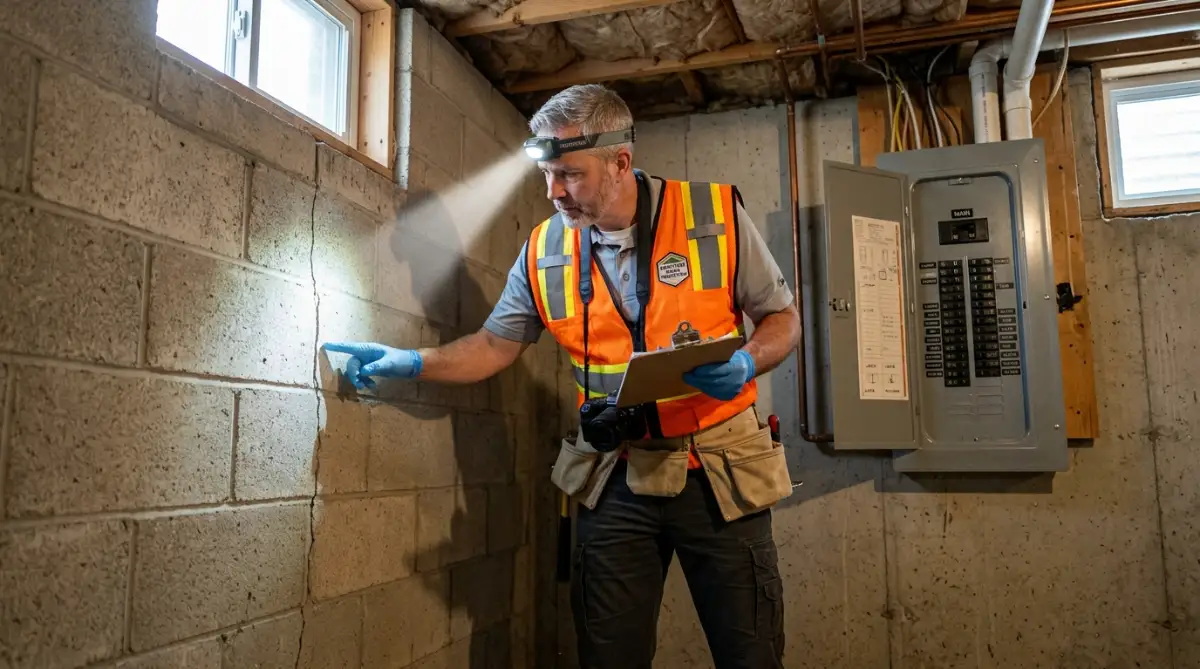
Never waive a professional home inspection, even in competitive seller's markets. A certified inspector evaluates structural foundation soundness, roof life expectancy, electrical panels, plumbing lines, and HVAC functionality. For older properties, invest in specialized testing such as sewer scope video inspections and radon evaluations.
10. Step 10: Manage Existing Debts and Protect Credit Ratings Prior to Closing
Managing personal loan installments and credit card balances while undergoing mortgage approval is critical to preserving your qualifying Debt-to-Income ratio. If income disruption causes you to fall behind, handle obligations proactively. For alternative business income setup, you can check easy ai website builders for small businesses simple setup guide, or review best community colleges in the usa for affordable education for local district insights.
Dangerous Mistakes First-Time Homebuyers Must Avoid
Protect your transaction by watching out for these critical homebuyers traps:
- Changing Jobs or Buying Cars on Credit Before Closing: Taking on new debt or changing employment during escrow ruins your qualifying DTI ratio and triggers loan denial.
- Waiving Property Inspections: Waiving inspections leaves you exposed to tens of thousands of dollars in hidden foundation or roofing repairs.
- Spending 100% of Available Cash Savings: Leaving zero cash reserves for post-closing emergencies or initial utility setup fees.
- Working Directly with the Seller's Listing Agent: Failing to hire an independent buyer's agent leaves you without dedicated representation during contract negotiations.
Actionable First-Time Home buyers Master Checklist
- Check Credit Profiles: Pull official reports from AnnualCreditReport.com and optimize credit scores.
- Establish Budget Caps: Keep total housing costs below 28% of gross monthly income.
- Build Liquid Reserves: Save funds for down payment, closing costs, and a 3-month emergency cushion.
- Secure Pre-Approval: Apply with 3+ lenders to gather official 3-page Loan Estimates.
- Hire Buyer's Agent: Partner with an experienced independent real estate agent.
- Conduct Full Home Inspections: Hire licensed inspectors for structural, roof, plumbing, and sewer testing.
- Lock Interest Rate: Instruct your lender to execute a formal 30 to 60-day rate lock once under contract.
- Review Closing Disclosure (CD): Verify final closing fees 3 days prior to settlement.
- Conduct Final Walkthrough: Inspect the home 24 hours before closing to confirm repair completions.
- Close and Receive Keys: Sign closing documents, disburse funds safely, and receive your home keys.
Summary of Key First-Time Buying Steps
Buying your first home in the United States is an incredible financial milestone that can transform your family's future. By securing an underwritten pre-approval early, adhering to strict budgeting rules, insisting on thorough home inspections, avoiding major credit changes during escrow, and partnering with an independent buyer's agent, you can avoid costly home buying mistakes and enjoy the pride of homeownership with total peace of mind.
Standing at the closing table and putting my signature on my first set of home loan documents remains one of the proudest moments of my life. When you take the time to compare lenders, negotiate origination fees, and secure a low interest rate, you are actively protecting your family's hard-earned wealth. Every lower monthly mortgage payment you secure frees up money for your children's education, family vacations, and future retirement savings. I encourage you to step across the threshold into your new home with complete confidence, knowing you made a smart, informed financial choice.
Frequently Asked Questions
What credit score is needed to buy a first home?
Most conventional loans require a minimum FICO score of 620, while FHA loans can accept scores down to 580 with a 3.5% down payment. Higher credit scores secure lower interest rates.
How much should I save for closing costs?
Buyer closing costs typically range between 2% and 5% of the total purchase price. It is essential to save these funds in addition to your down payment and emergency reserves.
What is a mortgage pre-approval letter?
A mortgage pre-approval is a formal written commitment from a lender stating how much money they are willing to lend you based on verified financial documentation.
Can I buy a home with a 3% down payment?
Yes, conventional programs like Fannie Mae Home ready and Freddie Mac Home Possible allow qualified first-time homebuyers to purchase properties with only 3% down.
Why is a home inspection necessary?
A home inspection uncovers hidden structural, electrical, or plumbing defects that could cost thousands of dollars to fix after you move in.
Disclaimer: The information provided in this article is for general informational, educational, and entertainment purposes only and does not constitute formal real estate, financial, legal, tax, or mortgage underwriting advice. Reading this article or interacting with this website does not establish a professional-client or fiduciary relationship. Real estate disclosure statutes, home inspection standards, mortgage lending guidelines, property tax rules, and contract contingencies vary significantly across different US states, counties, and local municipalities. If you are preparing to buy a home, you should consult directly with a licensed real estate broker, certified financial planner, licensed mortgage loan officer, and real estate attorney in your area to receive guidance tailored to your specific situation.