Introduction: What Is Workers' Compensation and How Does It Work?
Suffering a sudden injury at work is a deeply shocking and vulnerable experience. Whether you fell from a scaffold, slipped on an uncleaned warehouse floor, or developed crippling wrist pain from repetitive assembly work, your world instantly shifts from earning a living to fighting for your health. When I faced a sudden repetitive strain injury years ago that threatened my ability to work, I remember sitting in a clinic waiting room clutching a corporate incident report while an overwhelming wave of anxiety washed over me. I worried constantly about job security, how my supervisor would react, and whether my family would survive on a reduced income. Realizing that I had to navigate complex insurance regulations while managing physical pain felt exhausting. It is essential to remember that you are not begging for a favor—workers' compensation is a legal right created specifically to protect hardworking employees like you during life's most challenging moments.
Workers' compensation (commonly known as workers' comp) is a mandatory state-mandated insurance program designed to provide financial and medical benefits to employees who suffer job-related injuries or occupational illnesses. In the United States, workers' comp operates as a no-fault legal compromise created over a century ago.
Under this no-fault framework, an injured worker does not need to prove that their employer was negligent to receive medical treatment and wage replacement benefits. In exchange for these guaranteed benefits, the employee generally surrenders their legal right to sue their employer in civil court for non-economic damages like pain and suffering. While the system sounds straightforward, navigating insurance paperwork, strict reporting deadlines, and company-approved doctors can be extremely frustrating. Understanding your statutory rights is vital to securing full coverage.
Eligibility, Reporting Deadlines, Benefits, and Medical Treatment
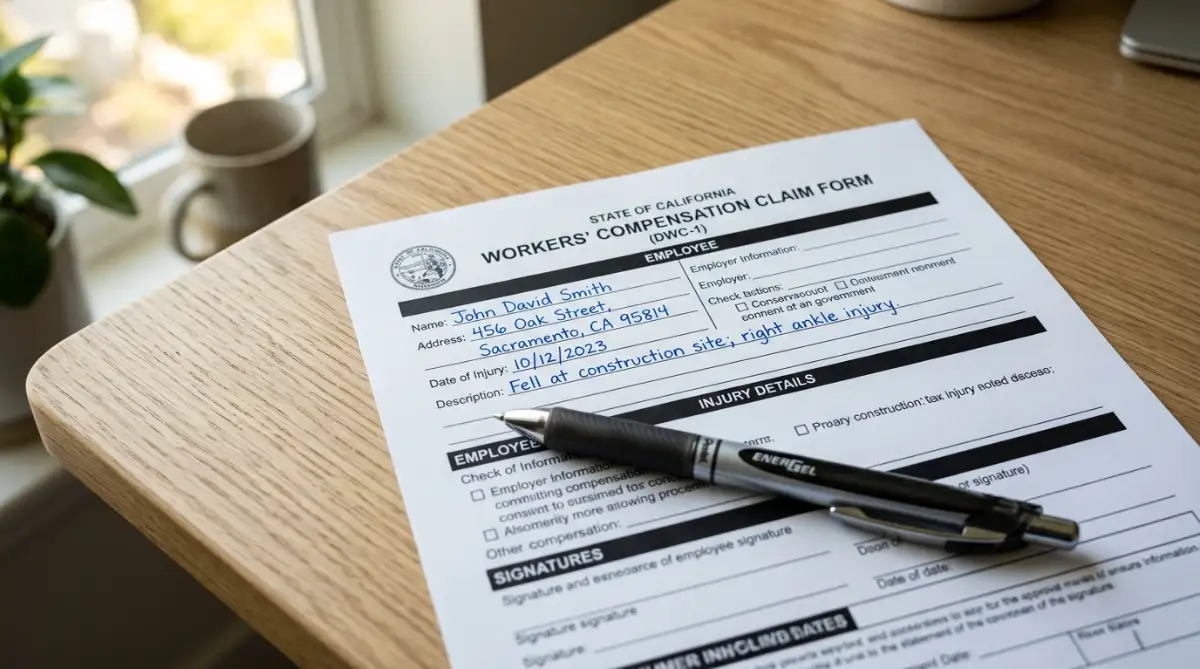
The first stage of any workplace injury claim involves establishing coverage, meeting strict state notice deadlines, and accessing authorized medical care. This section breaks down these essential components:
- Who and What Is Covered Under Workers' Compensation?: Most employees are covered for acute traumatic injuries and repetitive occupational illnesses occurring within the course and scope of employment.
- Reporting the Injury: Strict State Deadlines: Failing to report a workplace injury promptly in writing within state-mandated windows (ranging from 3 to 30 days) is the top reason valid claims get denied.
- Understanding Key Workers' Compensation Benefits: Insurance covers 100% of reasonable medical bills and provides temporary disability checks replacing roughly two-thirds of average weekly wages.
- Navigating Authorized Treating Physicians (ATP): Many states require employees to select doctors from approved employer medical provider networks to ensure bills are covered.
- Managing Financial Stability During Work Disability Leave: Living on reduced disability checks requires careful budgeting. If you need financial guidance during recovery, read our guide on improving your credit score before applying for a mortgage or learn about choosing financial loans wisely.
Workers' Compensation Benefits Comparison Matrix
Myth vs. Reality of Workers' Compensation
- Myth: If you were even slightly at fault for your workplace accident, you cannot collect workers' compensation benefits.
- Reality: Workers' comp is a no-fault system; minor employee mistakes or clumsiness do not legally disqualify you from receiving medical and wage benefits.
- Myth: Your employer has the right to fire you immediately after you file a formal workers' compensation claim.
- Reality: State and federal laws strictly prohibit employer retaliation or termination for filing a legitimate job injury claim.
My Personal Pro Tip: When I was navigating my workplace injury recovery, I made the mistake of relying on casual verbal chats with my supervisor rather than submitting written incident reports immediately. My advice to you is to always document your injury in writing via email or formal company forms on day one to prevent future claim disputes.
Visual Insight: What Should You Do If You Get Injured at Work?
Watch this practical video guide where an experienced employment and injury lawyer explains the essential steps to take after a job injury. Learn how to properly report your accident, protect yourself from employer retaliation, and navigate the workers' compensation system to ensure your medical treatment and disability benefits are fully covered.
Denied Claims, Employer Retaliation, Third-Party Lawsuits, and Legal Advice
Unfortunately, insurance companies frequently deny valid workplace injury claims or cut off benefits prematurely. This section details how to fight claim denials, protect yourself from employer retaliation, and pursue third-party lawsuits:
Fighting Claim Denials and Appealing Decisions:
Insurance adjusters are trained to minimize payout costs by claiming injuries occurred outside of work, stemming from pre-existing conditions, or missing state notice deadlines. If your claim is denied, you have the statutory right to file a formal appeal with your state's Workers' Compensation Board or Industrial Commission, where an attorney can gather medical proof and represent you at hearings.
Pursuing Third-Party Personal Injury Lawsuits:
While workers' comp prevents you from suing your employer for pain and suffering, you can file a separate personal injury lawsuit if a negligent third party caused your injury. Examples include product liability lawsuits against defective machinery manufacturers or premises liability claims against negligent property owners on multi-company construction sites.
As your case proceeds through administrative hearings or court litigation, managing your household credit health remains vital. If income interruption causes financial strain, explore additional educational guides such as how to choose your first home insurance policy without stress or review insights on affordable educational options if you need career upskilling. Furthermore, utilizing smart digital tools for your personal records can be streamlined via easy AI website builders for small businesses.
Ultimately, knowing when to hire an experienced workers' comp attorney ensures that you are never forced into a low-ball lump-sum settlement or pushed back to heavy physical labor before your body has fully healed.
 Red Flags to Avoid When Handling a Workplace Injury Claim
Protect your rights by watching out for these critical warning signs during your workers' comp claim:
- Failing to Document Everything in Writing: Relying on verbal conversations with supervisors without written incident reports or email records.
- Missing Official Notice Deadlines: Waiting more than state limits (often 30 days) to formally notify your employer about a work-related injury.
- Signing Insurance Settlement Documents Early: Signing full release waivers before your doctor determines your long-term disability status.
- Posting Physical Activities on Social Media: Insurance investigators routinely monitor injured workers' social media accounts to discredit injury claims.
Protect Your Rights and Secure Your Recovery
Suffering an injury at work can temporarily disrupt your life, but state workers' compensation laws provide essential medical and financial protections for injured workers. By reporting your injury promptly in writing, seeking authorized medical care, understanding your disability benefits, and partnering with an experienced attorney when disputes arise, you can navigate the workers' comp system with confidence and secure the full recovery you deserve.
Step-by-Step Emergency Action Plan After a Job Injury
- Seek Immediate First Aid or Medical Care: Tell attending medical staff that your injury occurred on the job so records reflect a work-related condition.
- Notify Your Employer in Writing: Submit an official written accident report to your supervisor or HR department immediately.
- Follow Medical Restrictions Strictly: Comply with all doctor work restrictions and attend every physical therapy session.
- Keep a Detailed Injury Journal: Record work days missed, medical appointments attended, out-of-pocket expenses, and daily pain levels.
- Consult an Attorney Before Settling Your Case: Seek legal advice if your benefits are delayed, denied, or if your employer demands you return to work too early.
Reclaiming your health and professional life after a workplace injury requires courage, patience, and resilience. Your worth as a person is not defined by an accident or a temporary physical limitation. Healing from an injury takes time, and carrying the burden of an insurance battle alone can feel overwhelming. Partnering with a dedicated workers' comp lawyer gives you a steadfast advocate who will fight for your statutory benefits while shielding you from corporate insurance pressure. Achieving full medical recovery and financial justice is the foundation upon which you can step back into your career with confidence and peace of mind.
Reflecting on my own worries during my injury recovery, I know how frightening it is to wonder about your financial future. I want you to spare yourself months of stress by taking decisive action and documenting everything early. If you ever feel pressured by employers or insurers, remember that your health comes first and the law is there to protect you.
Additional Financial & Legal Resources
Managing recovery and financial stability requires comprehensive planning. Explore our approved guides:
- Learn how to manage credit standings through improving your credit score before mortgage applications.
- Review funding options by reading federal vs. private student loans and how to choose wisely.
- Understand property protection principles via how to choose your first home insurance policy without stress.
- Discover digital management tools via easy AI website builders for small businesses.
- Explore alternative skill development through the best community colleges in the USA for affordable education.
Frequently Asked Questions (FAQs)
Do I have to prove my employer was at fault to get workers' comp?
No, workers' compensation is a no-fault system, meaning you receive medical and wage benefits regardless of who caused the accident.
What should I do if my employer refuses to file a workers' comp claim?
You can file a claim directly with your state's Workers' Compensation Board or Industrial Commission and consult an attorney immediately.
Can my employer fire me for filing a workers' compensation claim?
No, state and federal labor laws strictly prohibit employers from firing or retaliating against employees for filing legitimate job injury claims.
Will workers' compensation pay for all of my medical bills?
Yes, authorized medical treatments related to your work injury—including surgeries, doctor visits, and medications—must be covered 100% with no co-pays.
Can I sue my employer in court for pain and suffering after a work injury?
Generally no, because workers' comp is the exclusive remedy against employers, though you can sue negligent third parties through separate personal injury lawsuits.
Disclaimer: The information provided in this article is for general informational, educational, and entertainment purposes only and does not constitute formal legal, financial, or medical advice. Reading this article or interacting with this website does not establish an attorney-client or fiduciary relationship. Workers' compensation statutes, disability benefit calculations, notice deadlines, and administrative procedures vary significantly across different US states and local jurisdictions. If you have been injured on the job, you should consult directly with a licensed workers' compensation attorney and certified financial professional in your area to receive guidance tailored to your specific situation.