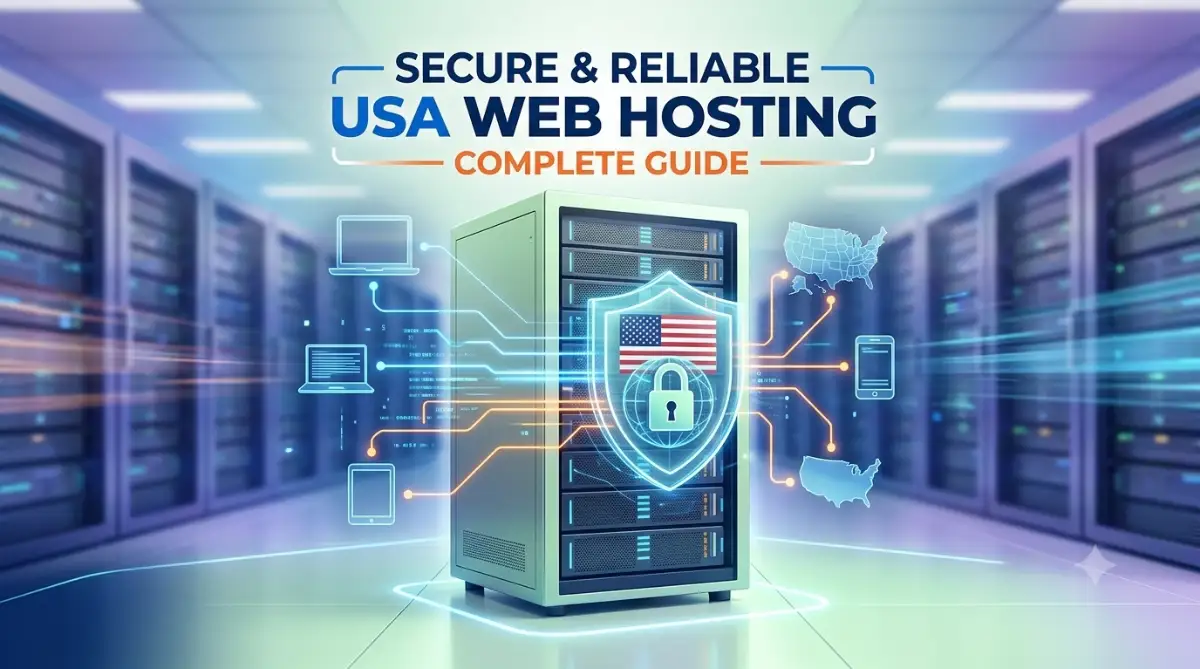
Secure and Reliable USA Web Hosting: The Ultimate Guide to Server Security, 99.99% Uptime Slash, NVM e Speed, and Infrastructure Compliance
In the modern, highly competitive American digital economy, operating a business website, e-commerce platform, or corporate web portal requires establishing an unshakeable digital foundation. A company's website is no longer merely a marketing channel; it is the 24/7 central nervous system of modern commercial operations. Customer inquiry forms, payment processing gateways, client consultation bookings, and brand credibility all depend on a web hosting server that operates with lightning speed, impenetrable cyber security defenses, and zero unplanned downtime.
However, the global cyber security landscape in North America presents unprecedented threats. Cyber-attack statistics show that small-to-midsize US businesses face thousands of automated hacking attempts every single day—including Distributed Denial of Service (Dados) flood attacks, brute-force credential stuffing, cross-site scripting (X SS), malware injections, and SQL database breaches. Furthermore, relying on budget, low-quality web hosting infrastructure frequently results in unexpected server crashes, high latency, slow page loading speeds, and dropping Google search rankings. Selecting a Secure and Reliable USA Web Hosting Provider is not just an IT department preference—it is a core risk management strategy that safeguards your corporate reputation and bottom-line profitability. In this ultimate guide, we evaluate the core components of secure US web hosting, dissect 99.99% uptime Service Level Agreements (Slash), compare Web Application Firewalls (WAF), explore regulatory compliance standards (PCI-DSS, SOC 2, HIPAA), and share a practical checklist to fortify your digital presence.
David, founder of a specialized legal consulting firm in Texas, experienced a nightmarish wake-up call when his website suffered a coordinated brute-force cyber attack on a busy Tuesday morning. Because David’s firm used a budget shared hosting provider with no active Web Application Firewall (WAF) or account isolation, hackers compromised a neighboring site on his server, injected malicious redirect code into his domain files, and took his online appointment booking portal offline for 36 hours. Over twenty prospective corporate clients received browser malware warnings when visiting his URL, damaging his firm's hard-won professional reputation. Devastated, David migrated his website to an enterprise-grade US cloud host featuring containerized account isolation, automated daily off-site backups, and an active Web Application Firewall. When automated bots attempted a secondary attack two months later, the host’s edge security firewall blocked the malicious traffic in real-time with zero impact on site performance. David reflects: "Cheap web hosting is an illusion of savings. Investing in secure, 99.99% reliable hosting is the single most important move we made to protect our client relationships."
In today’s hyper-connected American digital economy, operating a business website requires far more than basic file storage—it demands an unshakeable foundation built on ironclad security, lightning-fast performance, and absolute reliability. With cyber threats multiplying daily and consumers expecting instant page loads, choosing a sub-par web host exposes your brand to costly downtime, data breaches, and falling search rankings. In this comprehensive guide, we explore the core pillars of secure U.S. web hosting, dissecting 99.99% uptime Service Level Agreements (Slash), Web Application Firewalls (WAF), NVM e hardware speeds, and enterprise compliance standards (PCI-DSS, SOC 2, HIPAA) to fortify your online presence.

1. The Four Non-Negotiable Pillars of Web Hosting Security
True web hosting security operates as a multi-layered defense architecture designed to intercept cyber threats at the network edge before they ever touch your application code or customer database:
Core Security Features Every US Business Host Must Include:
- 1. Web Application Firewall (WAF) & Dados Mitigation: An enterprise-grade WAF inspects incoming HTTP/HTTPS traffic at the edge, utilizing real-time threat intelligence to automatically block malicious SQL injections, cross-site scripting (X SS), and high-volumetric Dados flood attacks.
- 2. Containerized Account Resource Isolation: Modern secure hosting isolates each website within its own protected virtual container (LX c / Cloud Linux). This prevents "bad neighbor" cross-contamination, ensuring a malware infection on one website cannot breach adjoining accounts on the physical server.
- 3. Automated Off-Site Encrypted Backups: Secure hosts execute automated daily (or hourly) database and file backups stored on separate, geographically isolated cloud storage locations with one-click disaster recovery restoration.
- 4. Automated SSL/TLS Encryption Enforcement: Free, auto-renewing SSL/TLS certificates (Let's Encrypt or Wildcard SSL) encrypt all customer data in transit, ensuring 100% HTTPS security compliance and protecting checkout payment forms.
To analyze broader small business software economics and digital asset management strategies, explore our comprehensive analysis of small business software economics and digital asset management.
My Personal Pro Tip (By Md Jahangir Alam): When choosing a U.S. web host, never rely solely on your CMS security plugins. I always verify that the host provides a native Web Application Firewall (WAF) and server-level IP blocking at the network edge. Stopping brute-force attacks before they hit your WordPress or e-commerce login page preserves server CPU resources and guarantees maximum uptime!
Watch this expert video walkthrough explaining different web hosting architectures, server resource isolation models, hardware performance benchmarks, and security trade-offs:
2. Decoding Uptime Reliability: What Does a 99.99% SLA Really Mean?
All web hosting companies market "high reliability," but understanding the mathematical difference between standard uptime percentages reveals why enterprise SLA guarantees matter:
A reliable US web hosting provider backs its 99.99% uptime promise with a formal Service Level Agreement (SLA) contract. If server hardware failures or network outages breach the SLA threshold, the hosting provider issues direct financial account credits to compensate for lost operational time.
Elena ran an online fashion store serving shoppers across the United States. She noticed that while her East Coast customers enjoyed snappy 1.2-second page loads, West Coast visitors complained that her site felt sluggish, taking over 3.8 seconds to load product images because her old web host operated from a single legacy data center in North Carolina. Recognizing that network latency was hurting her West Coast conversion rates, Elena migrated her store to a managed US host with multi-region US cloud data centers (Dallas, Chicago, Oregon) paired with Cloud flare Enterprise Edge Caching. Static product images were instantly served from the nearest local edge data center, dropping West Coast load speeds to 0.7 seconds. Elena’s West Coast sales conversion rate increased by 34% within two months. Elena shares: "Hosting on a high-speed, multi-region US network eliminated distance lag and dramatically improved our sales revenue."
3. US Data Center Geographic Placement and Low-Latency Infrastructure
The physical geographic location of your web hosting data center introduces network latency—the physical time required for data packets to travel across optical fiber lines from the server to your visitor's device.
- Strategic US Regional Data Center Selection: Choose web hosting providers offering primary Tier-3 and Tier-4 US data centers located near major commercial internet exchange points:
- US-East: Northern Virginia (Ashburn) / New Jersey (EWR) / Atlanta (ATL).
- US-Central: Dallas-Fort Worth (DFW) / Chicago (ORD).
- US-West: Oregon (PDX) / Silicon Valley (SJC) / Los Angeles (LAX).
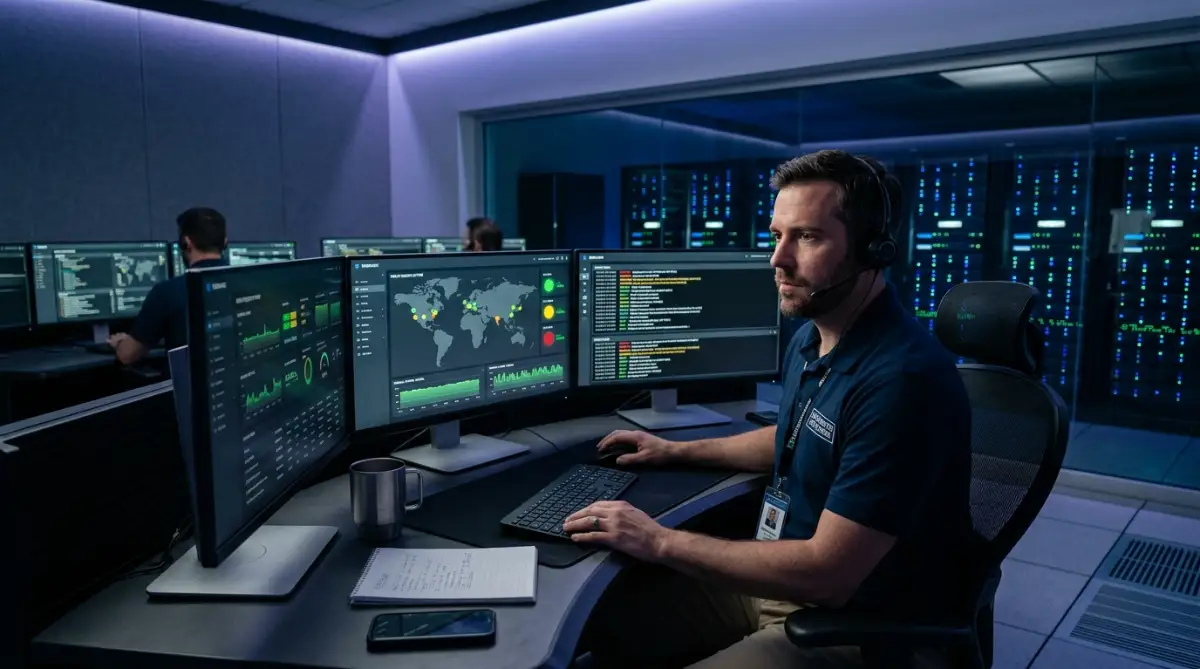
- Redundant Power & Network Infrastructure: Tier-3 and Tier-4 US data centers feature dual-powered equipment, redundant N+1 diesel generator backup units, redundant HVAC cooling loops, and multi-carrier BGP fiber internet backbones, guaranteeing physical server survival during regional power grid blackouts.
To discover strategies for sourcing small business grants and founder funding, read our guide on proven strategies for sourcing small business grants and founder funding.
4. Regulatory Compliance & Enterprise Security (PCI-DSS, SOC 2, & HIPAA)
Depending on your business industry and the sensitivity of the user data you process, your web hosting environment must comply with official US regulatory security frameworks:
Mandatory Web Hosting Compliance Standards:
- PCI-DSS Compliance (Payment Card Industry Data Security Standard): Mandatory for any e-commerce website accepting or processing credit card transactions. Requires encrypted databases, hardened firewalls, and quarterly vulnerability network scans.
- SOC 2 Type II Certification: Independent third-party audit reports verifying that a web hosting provider’s physical and digital data center operations meet strict standards for security, availability, and processing integrity.
- HIPAA Compliant Web Hosting: Mandatory for healthcare platforms, medical practices, and digital health apps handling protected health information (PHI). Requires signed Business Associate Agreements (BAAs) and hardware-level encryption at rest and in transit.
Learn how to optimize financial workflow automation and business banking operations in our essential guide to financial workflow automation and business banking management.
If you are exploring career opportunities in remote small business operations or system administration, review our guide to the best high-paying remote roles and small business operations careers.
Marcus, co-founder of a digital health startup developing a patient intake portal, was pitching a major hospital network for a corporate contract. During the technical security review, the hospital’s IT security board required proof of HIPAA compliance and SOC 2 Type II data center certification before passing any patient data through the portal. Because Marcus had built his software on a certified compliant US cloud host offering signed Business Associate Agreements (BAAs), he presented the compliance documentation immediately. The hospital board approved his contract in three days, securing a $140,000 recurring client contract. Marcus reflects: "Choosing a secure, compliant web host wasn't just a technical requirement—it was the commercial credential that unlocked enterprise deals."
5. The Master 6-Step Secure USA Hosting Selection Checklist
Evaluate prospective US web hosting providers using this technical 6-point checklist before signing a contract:
- Step 1: Require NVM e SSD Storage & Sub-200ms TTFB: Verify the host utilizes modern NVM e storage drives to process database queries instantly.
- Step 2: Insist on a Written 99.99% Uptime SLA: Ensure the provider backs up uptime promises with financial credit guarantees for unplanned downtime.
- Step 3: Confirm Containerized Resource Isolation: Verify your website operates in an isolated virtual container protected from neighboring accounts.
- Step 4: Verify Built-In Web Application Firewall (WAF) & Free SSL: Ensure real-time malware scanning, Dados protection, and automated SSL/TLS encryption are included out-of-the-box.
- Step 5: Confirm Automated Off-Site Encrypted Backups: Verify daily backups are stored on separate cloud hardware with 1-click disaster recovery.
- Step 6: Test 24/7 US-Based Technical Support Response Times: Open a live chat support ticket during non-business hours to test connection speeds and technical expertise.
6. Final Summary & Path Forward
In the modern digital business ecosystem, secure and reliable web hosting is not a luxury administrative expense; it is the fundamental bedrock upon which your brand reputation, customer trust, search engine visibility, and monthly revenue depend. Selecting a web host that combines NVM e storage speed, 99.99% uptime Slash, containerized security isolation, and enterprise compliance transforms your website from a vulnerable digital address into a resilient growth engine.
As I reflect on how critical server security is for protecting online businesses, I always urge founders to invest in robust infrastructure from day one. Take charge of your technical digital infrastructure today by auditing your server response times and security protocols, upgrading to a secure US cloud web host, protecting your customer data, and stepping confidently into a safe, fast, and highly successful digital future!
Frequently Asked Questions
What makes a web host truly secure for U.S. businesses?
A secure host features edge Web Application Firewalls (WAF), containerized account isolation, automated off-site backups, and free SSL encryption to block cyber threats proactively.
What is a 99.99% uptime SLA guarantee?
A 99.99% uptime Service Level Agreement guarantees your website will experience no more than 52 minutes of unplanned server downtime per year, backed by financial service credits.
Why is U.S. data center location important for SEO?
Hosting your website in regional U.S. data centers reduces network latency and improves Time to First Byte (TTFB), which directly boosts your Google Core Web Vitals rankings.
What is HIPAA compliant web hosting?
HIPAA compliant hosting provides encrypted servers and signed Business Associate Agreements (BAAs) required legally for medical and healthcare apps handling patient health data.
How do NVM e SSD s improve website performance?
NVM e drives use high-speed PCI e lanes to deliver read/write data transfer speeds up to 10x faster than legacy SATA drives, accelerating database and e-commerce transactions.
Disclaimer
The information provided in this article is for educational, informational, and general technical guidance only and does not constitute formal software endorsement, IT engineering, or legal compliance advice. Web hosting security features, uptime Slash, data center locations, pricing plans, and regulatory compliance rules (PCI-DSS, HIPAA, SOC 2) are subject to change by web hosting vendors and regulatory bodies over time. Website owners are strongly encouraged to perform independent speed testing, audit server security logs, and consult with a qualified cyber security specialist or legal counsel before completing host migrations.