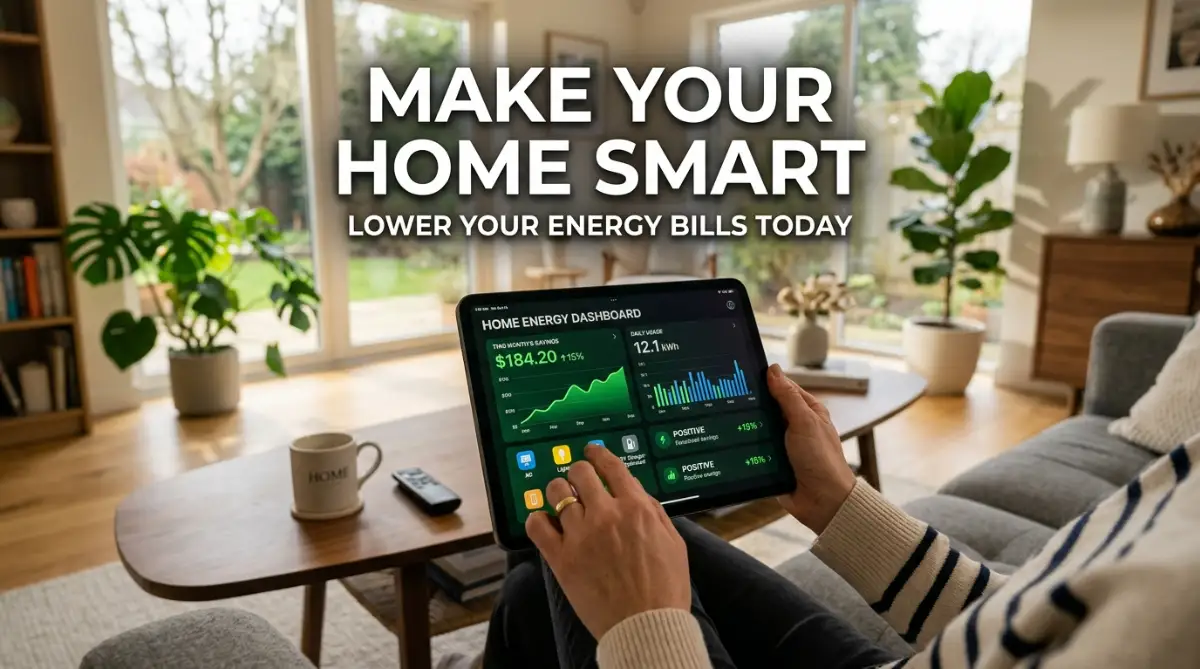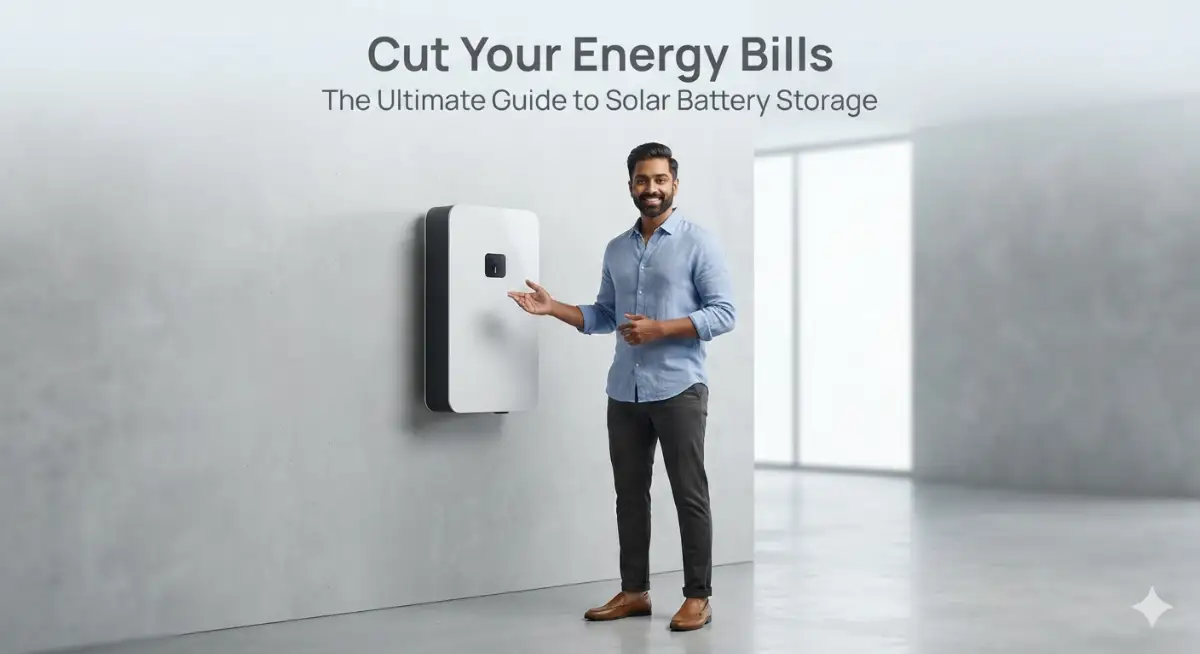
Smart Guide to Choosing the Best Home Solar Battery Storage
Are you worried about escalating electric bills and unpredictable grid blackouts leaving your family in the dark? Simply having rooftop solar panels is no longer enough to secure your home's energy future. By upgrading to a high-capacity home solar battery storage system, you can instantly protect your household from extreme weather outages while slashing peak-hour utility rates. From understanding ultra-safe LiFePO4 chemistry to properly sizing your kilowatt-hour capacity, this complete guide reveals exactly how to choose the best solar battery. Discover how to claim massive 30% federal tax credits and achieve true energy independence today!
1. My Wake-Up Call During a Freezing Winter Blackout
I will never forget the sheer panic I felt when a sudden winter ice storm knocked out our neighborhood's power grid for three freezing days. My family huddled together under thick blankets while I watched hundreds of dollars worth of groceries slowly spoil in our thawing refrigerator.
The absolute worst part was feeling completely helpless. I knew my expensive rooftop solar panels were sitting uselessly in the snow because they legally had to shut down without an active grid connection.
I knew I had to find a permanent solution to protect my family from future blackouts and those rapidly rising evening utility rates. That is when I discovered the incredible financial and safety benefits of modern home solar battery storage.
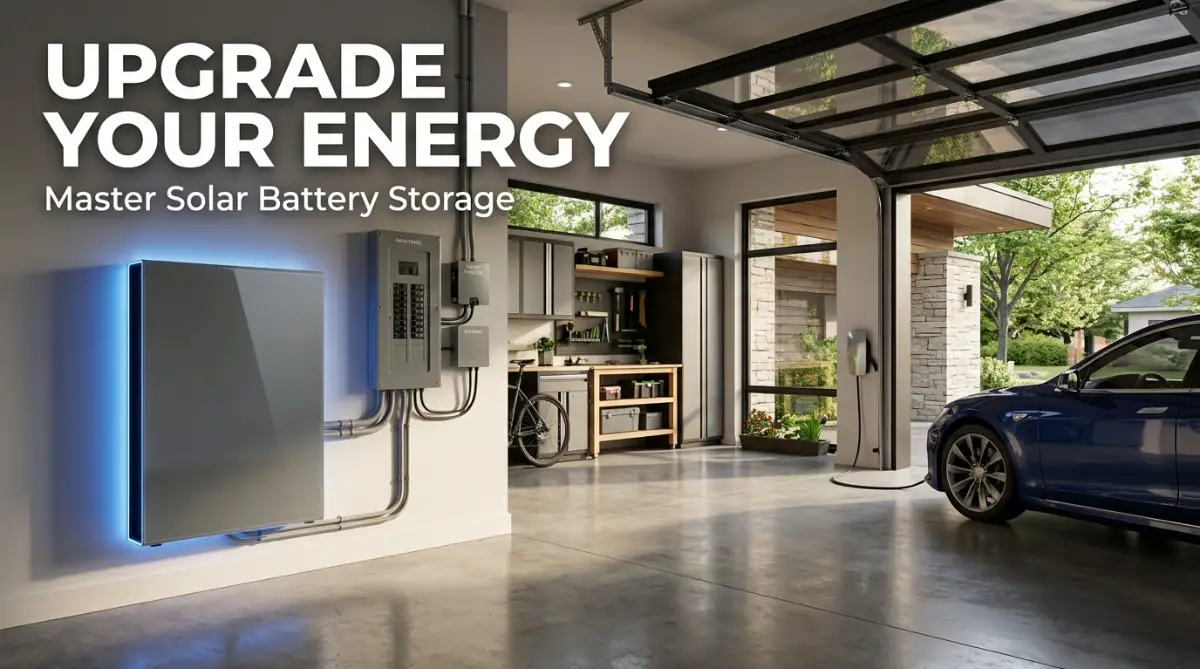
By pairing my solar array with a smart lithium wall battery, I finally transformed my house into an independent, self-sufficient energy fortress. My battery system not only keeps our lights and heater running during severe storms, but it also slashes my monthly electric bill to nearly zero.
You do not need to be a wealthy tech billionaire to afford this amazing home technology. Home batteries have become incredibly accessible for normal, middle-class families across the country.
With the right planning and smart tax incentives, you can easily secure your home's energy future today.

2. Understanding Core Battery Specifications
Selecting the perfect home solar battery requires understanding a few basic technical metrics. These numbers dictate how long your battery will run and what appliances it can successfully power.
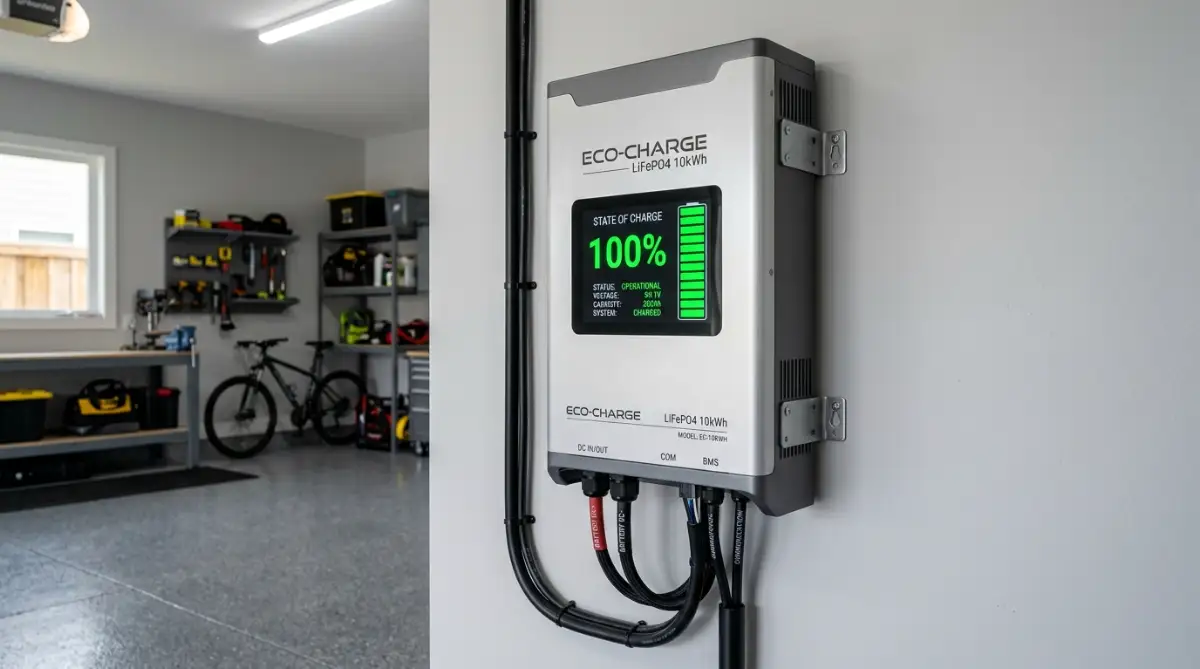
First, you must look at Usable Energy Capacity, which is measured in kilowatt-hours (kWh). A standard 13.5 kWh battery provides exactly 13,500 watt-hours of usable power to run your household devices.
Next, pay attention to the Continuous Power Output (measured in kW). This represents the maximum heavy electrical load the battery can push to your home at one time to start big appliances like air conditioners.
Watch This Complete Guide to Solar Battery Storage Systems!
Are you tired of losing power during unexpected storms and paying outrageous Time-of-Use utility rates? Watch this expert video review to see exactly how home battery systems operate during outages and how they silently save you money every single day.
Top Residential Battery Technologies Compared
Myth vs. Reality: Solar Batteries
Myth: You can only use a home battery when the utility grid goes down.
Reality: Smart home batteries cycle every single day, storing free solar power in the morning and discharging it at night to shield you from expensive evening peak rates.
My Personal Pro Tip: When I installed my battery system, I insisted that my installer use Lithium Iron Phosphate (LiFePO4) chemistry instead of older NMC batteries. LiFePO4 batteries are 100% non-flammable and last for over 6,000 charge cycles, giving me total peace of mind knowing my family is safe from thermal fires!
3. Sizing Your Battery and Maximizing ROI
Choosing the right battery chemistry is only the first step in your clean energy journey. The residential storage industry has shifted entirely toward safer Lithium Iron Phosphate (LiFePO4) chemistry for a very good reason.
Unlike older electronics batteries, LiFePO4 contains absolutely zero toxic cobalt. They are incredibly thermally stable, meaning they will not overheat during intense summer heat waves.
Once you select a safe battery brand, you must decide how to size your system. Sizing depends entirely on whether your main goal is daily financial utility savings or extended off-grid storm backup.
A partial home backup uses a single 10 kWh to 13.5 kWh battery connected to a dedicated critical loads panel. This smaller setup easily powers your refrigerator, home lighting, Wi-Fi router, and medical equipment during an outage.
If you want a whole-home backup capable of running heavy 240V appliances like a 5-ton central air conditioner, you will need to stack multiple battery modules. This usually requires 20 kWh to 30 kWh of total storage paired with an automated smart electrical panel.
If you plan to take out a loan for a massive whole-home backup system, you must prepare your personal finances first. It is always a smart idea to learn how to improve your credit score before applying for a mortgage or a specialized solar equity loan.
The single greatest financial tool to lower your battery cost is the IRS Section 25D Federal Clean Energy Tax Credit. This federal law allows you to deduct an uncapped 30% of your total equipment and installation costs right off your income taxes.
This massive 30% discount applies to standalone battery storage installations as well. You can claim it even if you are just adding a battery to a rooftop solar array you installed five years ago.
Protecting this expensive new backup equipment should be your next immediate priority. Take the time to understand how to choose your first home insurance policy without stress so your battery is fully covered against unexpected storm or lightning damage.
You can also enroll your new battery in local Virtual Power Plant (VPP) programs. Utility companies will actually pay you hundreds of dollars in direct cash credits for pulling tiny amounts of your stored power during regional grid emergencies.
The extra monthly cash flow generated by battery savings and VPPs can completely change a household budget. You can use that extra money to tackle other financial goals, much like figuring out federal vs private student loans and how to choose wisely.
By properly sizing your system and stacking these incredible tax credits, your new solar battery will easily pay for itself in just a few short years.
 4. Common Battery Buying Mistakes to Avoid
One of the most frequent mistakes homeowners make is buying a battery based solely on usable kWh capacity while totally ignoring the Continuous kW Output rating. If your continuous output is too low, the battery simply cannot start heavy appliances like your central AC.
You must ensure your installer calculates the Locked Rotor Amps (LRA) of your air conditioner before designing the system. If it draws too much power, they will need to install an inexpensive soft-start device on your AC unit.
Another major trap is ignoring your local utility's Time-of-Use (TOU) rates when programming the battery. If you leave the battery in standard backup mode, it will sit idle instead of actively discharging during peak evening hours to save you money.
Always have your installer configure your smart battery app for "Time-Based Control" or "Cost-Saving Mode." This ensures the battery automatically attacks those expensive evening grid rates every single day.
5. Securing Your Family's Energy Future
Selecting and installing the right home solar battery storage system is one of the most proactive, high-yielding investments you can possibly make. By storing clean solar power locally, you eliminate peak utility bill inflation and secure absolute blackout resilience.
I can confidently say that installing my own LiFePO4 battery was the smartest safety decision I ever made for my family. We never fear severe weather forecasts anymore, and our monthly budget is entirely predictable.
Take control of your home utility budget today. Audit your electric bills, claim your 30% federal tax credits, and step confidently into a safe, clean, and energy-independent future!
6. Internal Links Check
- Included Link: How to improve your credit score before applying for a mortgage.
- Included Link: How to choose your first home insurance policy without stress.
- Included Link: Federal vs private student loans and how to choose wisely.
7. Frequently Asked Questions
What is the best battery chemistry for a home?
Lithium Iron Phosphate (LiFePO4) is currently the absolute best chemistry for residential battery storage. It is completely non-flammable, highly thermally stable, and lasts thousands of charge cycles longer than older NMC batteries.
Will a 13.5 kWh battery run my entire house?
No, a single 13.5 kWh battery is generally designed for a partial home backup. It will easily run your refrigerator, lights, and Wi-Fi, but you will need multiple stacked batteries to run a central air conditioner.
Do I qualify for the 30% federal tax credit?
Yes, any homeowner who installs a residential battery storage system with a capacity of 3 kWh or greater qualifies for the IRS Section 25D clean energy tax credit. This applies to both standalone batteries and solar-paired systems.
How does a solar battery save me money on my electric bill?
The battery stores your free daytime solar energy instead of sending it to the grid for low credits. It then discharges that free energy into your home between 4:00 PM and 9:00 PM, shielding you from expensive peak utility rates.
Can I charge my home battery directly from the utility grid?
Yes, modern smart inverters allow you to charge your battery from the grid during cheap overnight off-peak hours. This feature is incredibly useful during dark winter months when solar production is low.
8. Home Energy & Financial Disclaimer
The information provided in this article is for educational, informational, and general consumer guidance only and does not constitute formal electrical engineering, financial, legal, or tax advice. Solar energy production estimates, battery storage capacities, utility Net Metering credit rates, Time-of-Use electricity tariffs, and federal clean energy tax credit eligibility criteria vary significantly based on geographic location and individual tax liability.
Homeowners are strongly urged to consult with a licensed electrical contractor and a Certified Public Accountant (CPA) before signing battery equipment purchase agreements or filing tax returns.