
Introduction: Why Home buying Oversights Carry High Financial Consequences
Searching for a home is a deeply emotional chapter filled with dreams of building a life, putting down deep roots, and creating a safe sanctuary where your children can grow up. But in the excitement of browsing beautiful online photo galleries, visiting weekend open houses, and envisioning your family in a new kitchen, I learned the hard way how easily emotion can cloud rational judgment. When I purchased my first property years ago, my rushing and lack of structural foresight nearly cost me my savings through unexpected repairs. A single hasty decision—such as overstretching your housing budget, waiving a property inspection, or ignoring neighborhood traffic patterns—can turn your dream sanctuary into an exhausting financial burden. Learning to identify and avoid these home buying pitfalls is not about dampening your enthusiasm; it is about protecting your hard-earned life savings, securing your family's financial peace, and stepping into homeownership with complete confidence and pride.
In the United States real estate market, purchasing a residential home is likely the single largest financial transaction you will ever execute. While homeownership remains the premier strategy for building wealth across generations, the buying process itself is filled with financial, legal, and structural landmines.
Unlike renting where a landlord absorbs maintenance expenses and structural risks, owning a home means that every unexpected roof leak, broken HVAC unit, low property appraisal gap, or rising property tax assessment comes directly out of your pocket. According to real estate industry statistics, over 40% of first-time homebuyers regret at least one major aspect of their purchase—ranging from overpaying for the property to underestimating monthly maintenance costs. By understanding the most common home buying mistakes before submitting an offer, you can protect your equity and enjoy a seamless transition into homeownership.
Part 1: Mortgage Pitfalls, Overextending Budgets, and Inspection Oversights
The initial phase of home buying involves establishing clear financial boundaries and conducting thorough property due diligence. Part 1 breaks down pre-approval errors, budgeting traps, and inspection mistakes.
1. Mistake #1: House Hunting Before Securing a Fully Underwritten Pre-Approval
One of the most frequent errors home buyers make is falling in love with properties online before consulting a mortgage lender. Browsing Zillow or attending open houses without knowing your actual borrowing limit leads to heartbreak when you discover you cannot qualify for the homes you toured.
Furthermore, do not confuse a basic Pre-Qualification with a Fully Underwritten Pre-Approval. A pre-qualification is merely an unverified estimate based on self-reported income. In competitive housing markets, sellers will reject purchase offers that lack a formal pre-approval letter backed by verified credit reports, W-2s, and bank statements.
2. Mistake #2: Becoming "House Poor" by Maxing Out Your Mortgage Approval Limit
Just because a mortgage lender approves you for a $500,000 loan does not mean you should spend $500,000. Lender approval limits represent the maximum amount a bank is legally willing to risk on you, not what comfortably fits your daily lifestyle.
Focus on your total monthly housing payment (PITI), which includes principal, interest, real estate property taxes, homeowners insurance, and HOA dues. Adhere to the classic 28/36 Rule: keep your total monthly housing cost below 28% of your gross monthly income, and your total debt obligations (housing + student loans + car payments + credit cards) below 36%. Borrowing below your maximum limit leaves breathing room for entertainment, travel, and unexpected life events.
3. Mistake #3: Underestimating Hidden Closing Costs and Move-In Outfitting
Many buyers save diligently for a 5% or 10% down payment, only to be blindsided at the settlement table by Buyer Closing Costs. Lenders, title companies, and local governments charge administrative fees ranging from 2% to 5% of the total purchase price (an additional $8,000 to $20,000 on a $400,000 home).
Additionally, initial move-in expenses—including lawn maintenance gear, major appliances, window blinds, locks, and utility deposits—can easily add $3,000 to $8,000 during your first month of ownership.
4. Mistake #4: Waiving Home Inspections and Specialized Testing
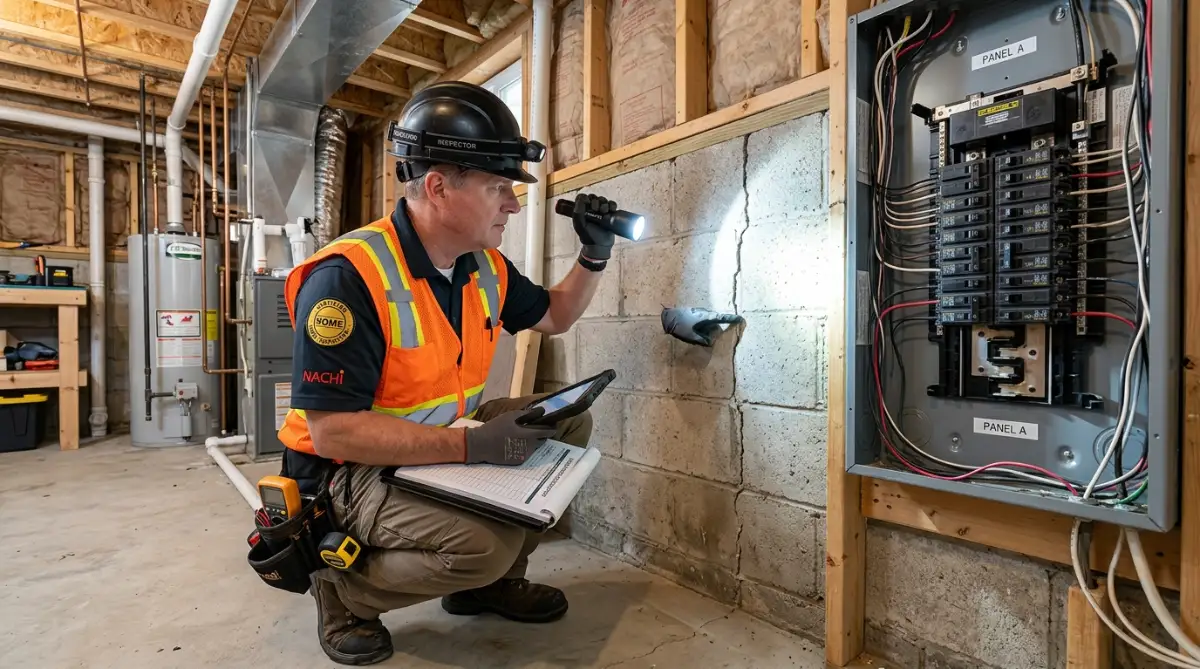
In hot seller's markets, desperate buyers often waive home inspection contingencies to make their offers stand out. This is a catastrophic financial risk. A home may look immaculate on the surface while hiding tens of thousands of dollars in structural foundation settling, severe roof damage, outdated electrical wiring, or plumbing failures.
Always make your offer contingent on a satisfactory Professional Home Inspection. For older properties, hire specialists to perform sewer scope video tests, radon gas testing, and mold evaluations. An inspection report gives you the leverage to negotiate repair credits or walk away safely with your earnest money intact.
Quick Comparison: Pre-Qualification vs. Pre-Approval
Myth vs. Reality in Mortgage Shopping
- Myth: Checking your credit score while looking for a mortgage ruins your rating permanently.
- Reality: Multiple mortgage inquiries made within a targeted 14-to-45-day window count as a single inquiry to credit scoring models.
My Personal Pro Tip: When I shopped for my mortgage, I made the mistake of contacting only one local bank. My biggest recommendation is to always request official Loan Estimates from at least three different lenders simultaneously. Comparing these side-by-side saved me over $3,500 in lender origination fees alone!
To learn how to protect your personal finances before house hunting, review how to improve your credit score before applying for a mortgage. If you need temporary personal loan options to manage upfront home transition expenses, consult federal vs private student loans how to choose wisely to understand loan structures, or explore how to choose your first home insurance policy without stress for property protection insights.
Financial panic during home purchase negotiations can weigh heavily on your heart. Balancing earnest money wire transfers, appraisal charges, inspection costs, and moving company deposits while waiting for mortgage underwriting approval can cause intense stress. Watching your bank account balance drop while managing daily family budgets is frightening. Maintaining a dedicated emergency reserve fund gives you the emotional comfort needed to navigate escrow smoothly, knowing your family is financially secure no matter what happens.
Watch this expert video guide on avoiding first-time home buyer mistakes:
Location Oversights, Credit Sabotage, Bidding Wars, and Debt Protection
Once you narrow down target properties, avoiding operational traps, managing credit stability, and keeping emotions in check becomes paramount. Part 2 details these critical strategies.
5. Mistake #5: Buying the House and Ignoring the Neighborhood
You can renovate a kitchen, upgrade bathrooms, or paint walls, but you cannot change your home's physical location. A common homebuyer regret is falling in love with a renovated house while failing to evaluate the surrounding neighborhood.
Visit the property at different times of day (morning commute, late evening, and weekends) to check for heavy traffic noise, airport flight paths, or street parking shortages. Research local public school district ratings, crime statistics, and proximity to grocery stores or medical facilities. Review Homeowners Association (HOA) covenants, conditions, and restrictions (CC&Rs) to ensure pet rules, rental restrictions, or vehicle parking policies fit your lifestyle.
6. Mistake #6: Making Major Credit Changes During Mortgage Underwriting
Mortgage pre-approval is conditional until final closing day. Between contract signing and closing day, mortgage underwriters re-verify your credit scores, bank balances, and employment status.
Making major financial moves during escrow—such as buying new furniture on store credit, financing a new car, opening credit cards, co-signing loans, or changing jobs—can instantly ruin your qualifying Debt-to-Income (DTI) ratio, triggering loan denial right before closing.
7. Mistake #7: Overpaying in Emotional Bidding Wars
Getting caught up in competitive bidding wars can cause buyers to offer significantly higher prices than the home is actually worth. If your offer exceeds fair market value, the lender's appraisal will come in low, creating an Appraisal Gap.
If an appraisal gap occurs, you must bring the difference in cash at closing or convince the seller to lower the purchase price. Never allow emotional frustration to drive you into overpaying beyond your long-term financial comfort zone.
8. Managing Existing Debts and Protecting Credit Ratings Prior to Closing
Managing monthly credit card obligations and personal loan payments alongside your upcoming mortgage responsibilities is essential to maintaining long-term financial health.
If income disruption causes you to fall behind on monthly credit payments, you need clear strategies to stay afloat. Furthermore, if high-interest credit card debt and personal loan balances accumulate, explore strategic solutions to consolidate multiple debts without hurting your credit score to optimize your DTI ratio before final loan underwriting.
9. Mistake #8: Working Directly with the Listing Agent (Dual Agency Traps)
When viewing a property, contacting the listing real estate agent directly might seem convenient. However, the listing agent owes a legal fiduciary duty to the seller to obtain the highest possible price and best terms.
Hire your own independent Buyer's Real Estate Agent. A dedicated buyer's agent represents your interests exclusively, analyzing neighborhood comparable sales, spotting property defects, and aggressively negotiating price reductions and seller repair credits on your behalf.
For small business owners or freelancers navigating non-traditional income documentation during home searches, looking into easy ai website builders for small businesses simple setup guide can help establish side income legitimacy, while exploring options like best community colleges in the usa for affordable education can give perspective on local district community investments.

Red Flags and Warning Signs to Watch For During Home Searches
Protect your investment by watching out for these critical property red flags during your physical tours:
- Fresh Paint in Isolated Areas: Freshly painted basement walls or ceilings often hide recent water damage or active mold growth.
- Sticking Doors and Slanted Floors: Interior doors that drag on carpets or uneven flooring indicate potential foundation settling issues.
- Low HOA Cash Reserves: Condominiums or communities with underfunded HOA reserves will likely pass large special assessments to owners for future roof or elevator repairs.
- Unpermitted Work: Renovations completed without municipal building permits can result in code violations, insurance denial, or forced removal.
Actionable 10-Step Homebuyer Survival Checklist
- Check Credit Reports: Pull official reports from AnnualCreditReport.com and optimize credit scores.
- Get Pre-Approved: Secure a fully underwritten pre-approval letter from a trusted mortgage lender.
- Establish Budget Caps: Stick strictly to housing costs below 28% of gross monthly income.
- Hire an Independent Buyer's Agent: Partner with an experienced real estate agent to represent your interests.
- Research Target Neighborhoods: Visit areas at different times of day and evaluate school district quality.
- Conduct Full Home Inspections: Hire licensed inspectors for structural, roof, plumbing, and sewer testing.
- Maintain Financial Freeze: Do not open new credit cards, finance cars, or change jobs during escrow.
- Review Closing Disclosure (CD): Verify final closing fees 3 days prior to settlement.
- Conduct Final Walkthrough: Inspect the home 24 hours before closing to ensure all agreed repairs are complete.
- Close and Receive Keys: Sign closing documents, disburse funds safely, and receive your home keys.
Summary of Key Home buying Takeaways
Buying a home in the United States is an incredible financial milestone that can transform your family's future. By securing an underwritten pre-approval early, adhering to strict budgeting rules, insisting on thorough home inspections, avoiding major credit changes during escrow, and partnering with an independent buyer's agent, you can avoid costly homebuying mistakes and enjoy the pride of homeownership with total peace of mind.
Standing on your new front porch, holding the keys to a home that belongs entirely to your family, is a moment of pure, earned fulfillment. When I finally unlocked the door to my own house years ago, all the stress of paperwork, property inspections, and credit checks instantly faded away. Every monthly mortgage payment you make builds tangible equity and wealth for your children rather than paying off a landlord's mortgage. I encourage you to embrace homeownership with pride, knowing you made smart, informed choices every step of the way.
Frequently Asked Questions
What is the 28/36 rule in home buying?
The 28/36 rule states that your total housing expenses should not exceed 28% of your gross monthly income, and total debt service should stay under 36%. This formula keeps you from becoming house poor.
Why should I avoid waiving a home inspection?
Waiving a home inspection exposes you to hidden structural damage, electrical hazards, and plumbing failures that can cost thousands of dollars to fix out of pocket.
What is an appraisal gap?
An appraisal gap happens when a home's appraised value comes in lower than the agreed purchase price, meaning you must bring extra cash to cover the difference or renegotiate.
Can I buy furniture on credit while waiting to close on a house?
No, opening new lines of credit or financing major purchases during mortgage underwriting alters your debt-to-income ratio and can cause your loan to be denied.
Should I use the listing agent when buying a house?
You should avoid dual agency because the listing agent legally represents the seller. Hiring an independent buyer's agent ensures your individual interests are protected.
Disclaimer: The information provided in this article is for general informational, educational, and entertainment purposes only and does not constitute formal real estate, financial, legal, tax, or mortgage underwriting advice. Reading this article or interacting with this website does not establish a professional-client or fiduciary relationship. Real estate disclosure statutes, home inspection standards, mortgage lending guidelines, property tax rules, and contract contingencies vary significantly across different US states, counties, and local municipalities. If you are preparing to buy a home, you should consult directly with a licensed real estate broker, certified financial planner, licensed mortgage loan officer, and real estate attorney in your area to receive guidance tailored to your specific situation.