Slashing Utility Bills: The Ultimate Guide to Smart Home Solar Automation
Are you tired of massive electricity bills even after installing rooftop solar panels? As utility companies switch to expensive Time-of-Use (TOU) rates, simply generating daytime solar energy is no longer enough to save money. By combining your solar panels with intelligent smart home automation and battery storage, you can transform your house into an automated energy-saving machine. From upgrading to a smart electrical panel to programming smart thermostats, this guide reveals exactly how to align your home's power consumption with free solar generation. Discover how to beat peak utility rates, claim major federal tax credits, and cut your monthly power bills down to zero!
1. The Day I Took Control of My Utility Bills
I still remember staring at my June electricity bill and feeling a massive knot form in my stomach. The total was over $300, even though I already had solar panels sitting right on my roof!
My local utility company had quietly switched me to a Time-of-Use (TOU) rate plan. This heavily penalized me for using any grid power during the late afternoon and evening hours.
I felt completely frustrated and cheated by the entire system. I spent my nights constantly yelling at my kids to turn off the lights and TVs just to save a few pennies.
My solar panels were generating plenty of free power during the day while my family was away at work and school. Unfortunately, all of that beautiful clean energy was going completely to waste.
That is when I realized I needed a smarter way to manage my home's energy consumption. I decided to take matters into my own hands by integrating smart home automation directly with my solar setup.
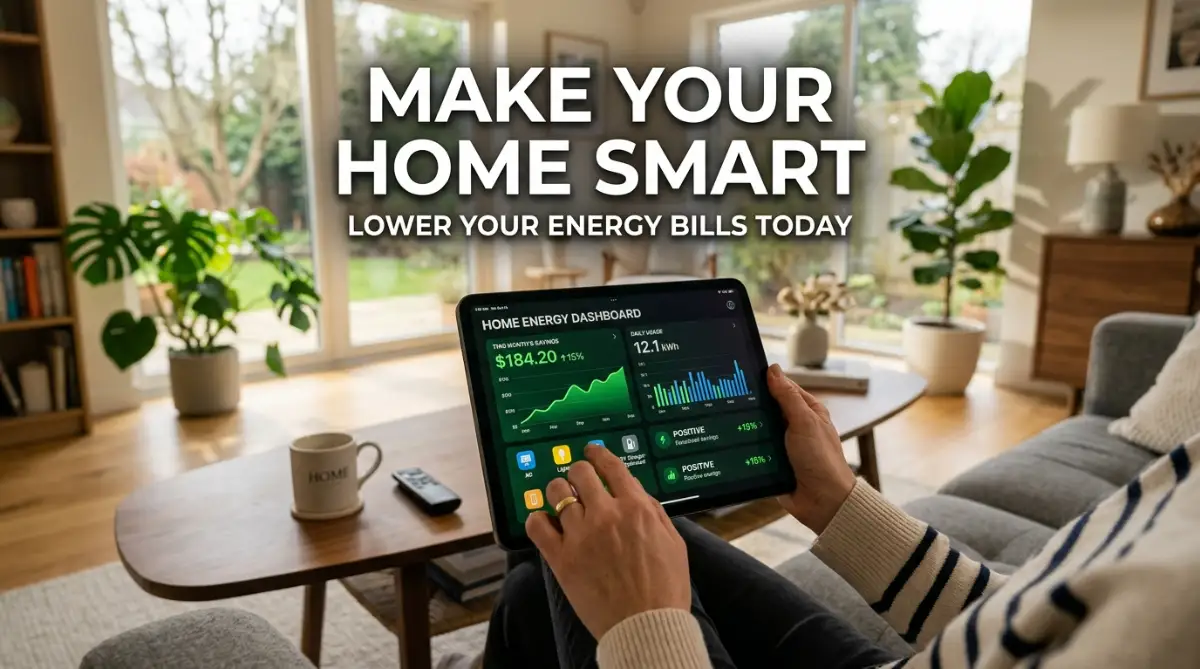
By adding a smart thermostat, a few Wi-Fi plugs, and a smart electrical panel, I turned my house into an automated, energy-saving machine.
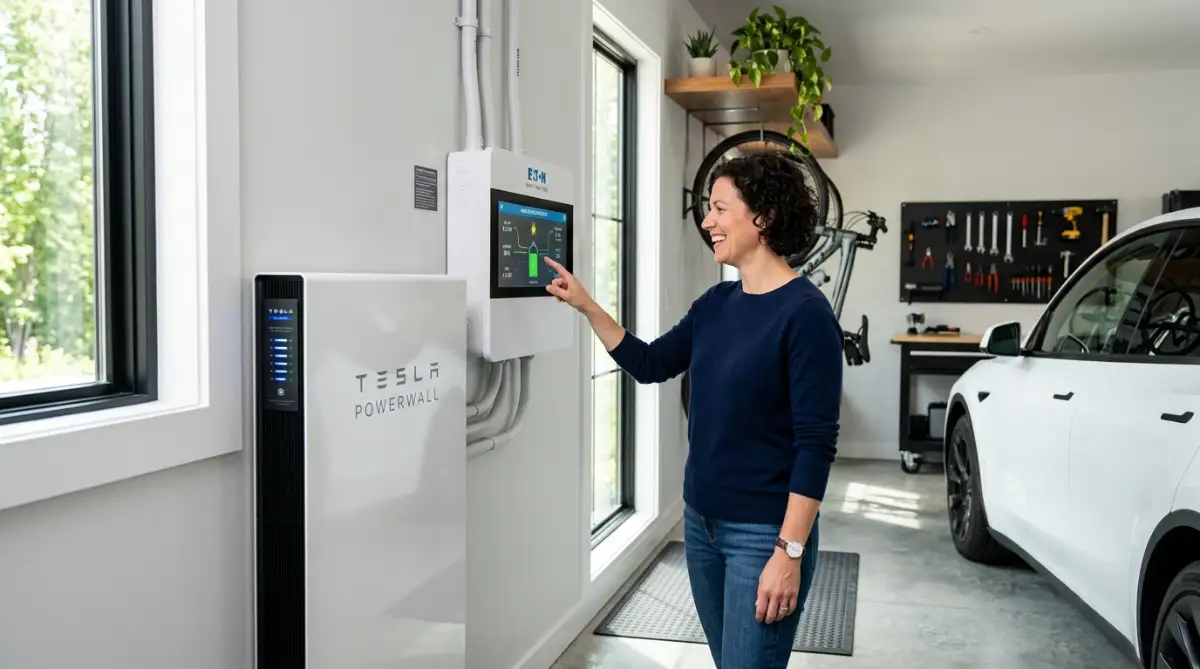
Today, my home automatically runs on free solar power and my utility bills have dropped to practically zero. I never have to nag my family about turning off appliances anymore.
If you are tired of playing a losing game with your utility provider, you are in the perfect place. Let me show you exactly how to automate your solar savings effortlessly.
2. Building Your Smart Solar Ecosystem
Building a smart solar-powered home requires creating a connected digital architecture. Your smart devices must communicate in real-time with your solar inverter and battery storage system.
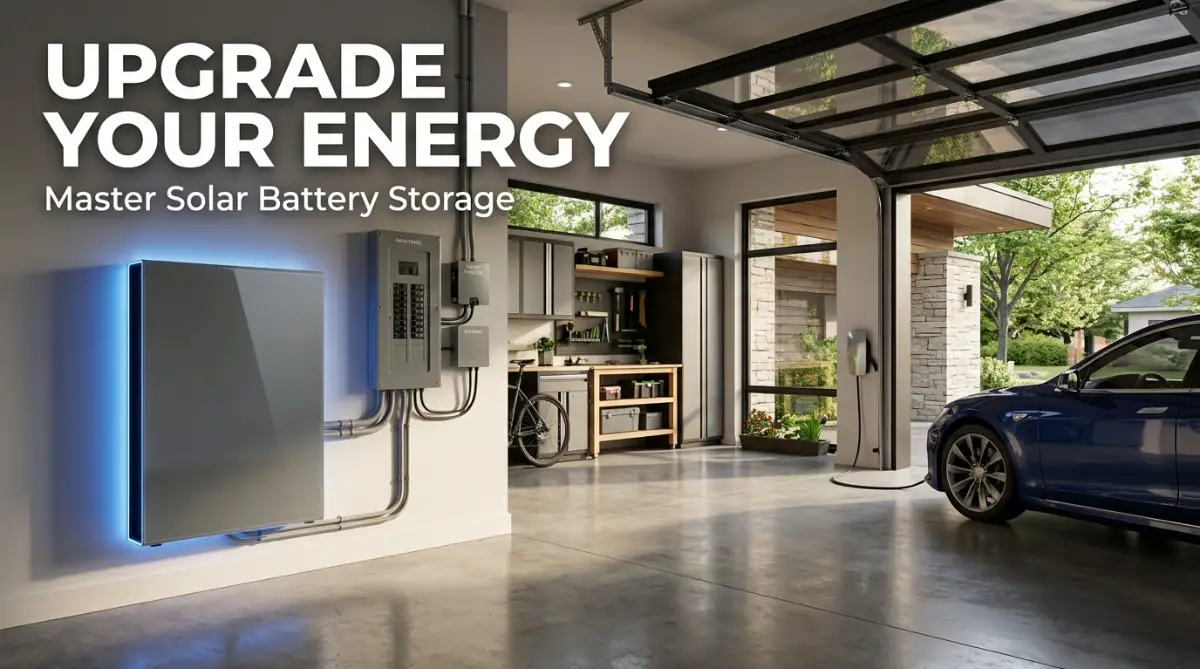
The core of this ecosystem involves upgrading your old breaker box to a Smart Electrical Panel. These digital panels allow you to monitor and control individual circuits straight from your phone.
Watch This Complete Smart Electrical Panel Review Before You Buy
Are you wondering if upgrading to a smart electrical panel is actually worth the investment? Watch this detailed video review to see exactly how it tracks energy, integrates with solar batteries, and automatically sheds power loads to save you money.
Understanding Time-of-Use (TOU) Rates
Myth vs. Reality: Smart Home Energy
Myth: You have to manually turn off devices every day to save energy.
Reality: A true smart home energy system uses automated schedules and weather data to shift your energy usage into the background without you doing a thing.
My Personal Pro Tip: When I started my smart home journey, I did not buy everything at once. I simply bought a $130 smart thermostat and programmed it to pre-cool my house during the day when my solar was peaking. That one tiny tweak dropped my bill by $45 the very first month!
3. Advanced Automation Hacks for Maximum Solar Yield
Transforming your living space into a high-efficiency smart home means finding creative ways to use energy when it is cheapest. The most effective strategy is called thermal mass pre-cooling.
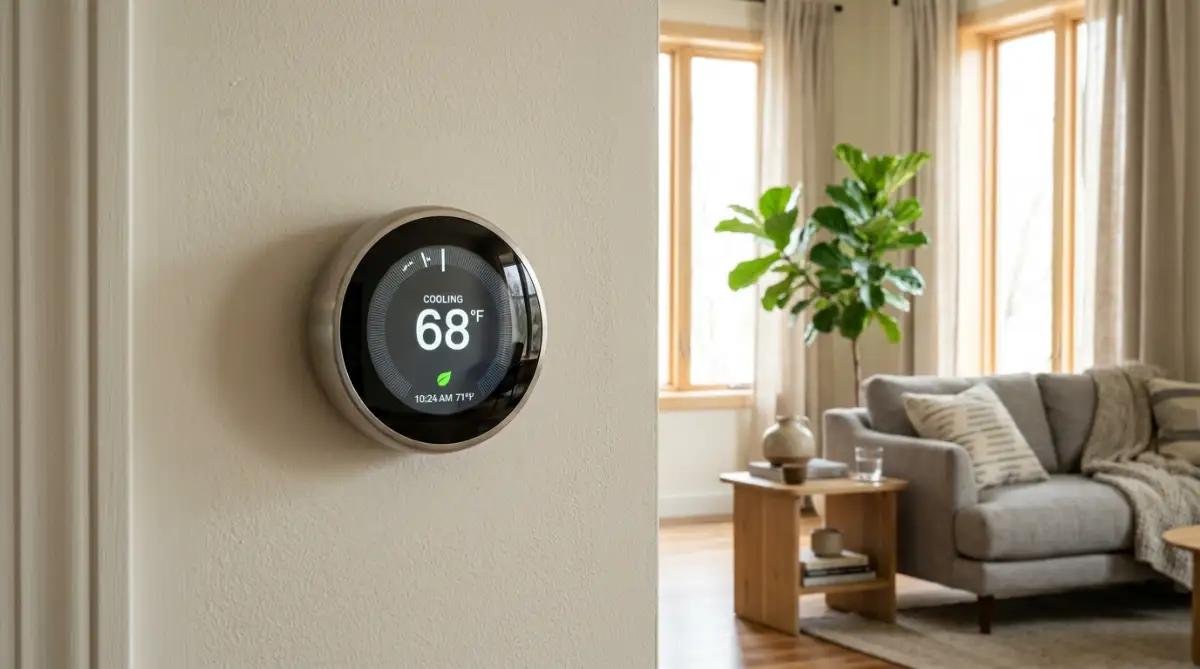
You can program your smart thermostat to cool your home to 67°F during the early afternoon. Because your solar panels are producing massive power at this time, the cooling process is completely free.
When peak utility rates begin at 4:00 PM, your thermostat automatically sets itself back to 74°F. Your home's pre-cooled walls and furniture will keep the living space perfectly comfortable through the evening without the AC turning on.
Water heaters are another massive drain on your wallet. By connecting your heat pump water heater to a Wi-Fi smart timer, you can force it to heat water exclusively during mid-day solar hours.
If you drive an electric vehicle, dynamic solar-only charging is an absolute game changer. You can configure a smart EV charger to communicate directly with your solar inverter.
The charger will adjust its speed to match your exact excess solar wattage in real-time. This guarantees you are charging your car on 100% free, clean sunshine.
If you plan to take out a loan to fund these major smart home upgrades, you should prepare your finances early. Take a moment to learn how to improve your credit score before applying for a mortgage or home equity loan to secure the best rates.
You must also remember to tackle phantom power loads. Home entertainment centers and gaming rigs quietly drain electricity 24/7, even when turned off.
Plugging these devices into smart Wi-Fi power strips allows you to cut standby power completely overnight. This tiny automation hack easily eliminates $20 a month in vampire power drain.
Protecting your new digital hardware is incredibly important for long-term peace of mind. Make sure you learn how to choose your first home insurance policy without stress to cover your solar array against storm damage.
Automating your home creates incredible cash flow flexibility. Freeing up hundreds of dollars a month on electricity gives you extra cash to tackle other life goals.
You can use that saved money to pay down debt rapidly. It is a brilliant financial move, much like deciding between federal vs private student loans and how to choose wisely.
4. Common Automation Mistakes to Avoid
The biggest mistake homeowners make is buying cheap, incompatible smart plugs and devices. You must ensure all your smart hardware operates on the same digital ecosystem, like Apple HomeKit or Google Home.
Another common pitfall is forgetting to adjust automation schedules when the seasons change. Your solar panels produce much less power in December than they do in June.
If you leave your summer cooling schedules running into the fall, you might accidentally pull expensive power from the grid. Always review your smart thermostat and EV charging schedules every three months.
Finally, never ignore the massive financial benefits of the IRS Section 25D tax credit. Upgrading your electrical panel alongside your solar installation qualifies you for a 30% federal tax deduction.
5. Stepping Into an Automated Energy Future
Slashing your monthly utility bills no longer requires living in the dark or constantly stressing over thermostat settings. By merging rooftop solar with smart home automation, you create an effortless living ecosystem.
I can honestly say that automating my home's energy was one of the most rewarding financial projects I have ever completed. My family lives comfortably, and I never have to worry about peak-rate pricing again.
Take charge of your home's energy future today. Upgrade your climate controls, optimize your solar usage, claim your federal tax credits, and step confidently into an affordable, automated lifestyle!
6. Internal Links Check
- Included Link: How to improve your credit score before applying for a mortgage.
- Included Link: How to choose your first home insurance policy without stress.
- Included Link: Federal vs private student loans and how to choose wisely.
7. Frequently Asked Questions
What is a smart electrical panel?
A smart electrical panel replaces your traditional breaker box with digital circuits. It allows you to monitor energy usage in real-time and control individual breakers directly from your smartphone.
How does a smart thermostat save money with solar?
Smart thermostats can pre-cool or pre-heat your home during the day when your solar panels are producing free energy. This prevents your HVAC system from turning on during expensive evening peak hours.
Can I charge my electric vehicle using only solar power?
Yes, many smart Level 2 EV chargers feature a solar matching mode. This mode adjusts the charging speed to match your exact solar output, ensuring zero grid electricity is used.
What are Time-of-Use (TOU) utility rates?
TOU rates mean your electricity company charges different prices based on the time of day. Power is usually cheapest overnight and most expensive during the late afternoon and evening.
Do smart home upgrades qualify for federal tax credits?
Yes, when installed alongside a solar or battery system, smart electrical panels qualify for the 30% IRS Section 25D clean energy tax credit. Smart thermostats also qualify for smaller tax incentives.
8. Home Energy & Financial Disclaimer
The information provided in this article is for educational, informational, and general consumer guidance only and does not constitute formal electrical engineering, smart home contracting, legal, or tax advice. Solar energy production estimates, smart panel installation costs, utility Net Metering credit rates, and federal clean energy tax credit eligibility criteria vary significantly based on geographic location and individual tax liability.
Homeowners are strongly urged to consult with a licensed electrician, certified solar contractor, and Certified Public Accountant (CPA) before undertaking smart electrical panel or solar installations.