
Introduction: The High-Risk, High-Reward Landscape of Digital Assets
Entering the world of cryptocurrency for the first time is a thrilling yet deeply nerve-wracking experience. When I first ventured into digital assets years ago, I fell straight into the trap of buying speculative tokens based purely on social media hype without understanding fundamental security. Watching headlines about Bitcoin, Ethereum, and digital asset adoption fills new investors with excitement, curiosity, and the hope of building true financial independence. But stepping into a market that operates 24/7/365 without traditional banking safety nets, FDIC insurance, or fraud protection can quickly feel overwhelming. In the rush to participate, a single hasty decision—such as falling for social media hype, ignoring wallet security, or risking capital needed for household bills—can turn your financial dreams into sudden stress. Learning to identify and avoid these common crypto pitfalls is not about dampening your enthusiasm for innovative technology; it is about building a disciplined, secure framework that protects your hard-earned wealth while navigating the future of digital finance.
In recent years, cryptocurrency has evolved from a niche technology experiment into a mainstream asset class within the United States financial ecosystem. With the approval of spot Bitcoin and Ethereum ETFs by the Securities and Exchange Commission (SEC) and institutional adoption growing nationwide, millions of everyday Americans are adding digital assets to their investment portfolios.
However, unlike traditional stock exchanges or bank savings accounts, the cryptocurrency market is characterized by extreme price volatility, rapid innovation, complex tax regulations, and sophisticated cyber security threats. First-time US crypto investors frequently make avoidable mistakes that cost them thousands of dollars in lost capital, unexpected tax penalties, or security breaches. By understanding the core pitfalls of digital asset investing before deploying your capital, you can protect your portfolio and build long-term wealth with peace of mind. This ultimate guide details the top crypto investment mistakes new US investors must avoid.
Part 1: Psychological Traps, Security Failures, Leverage Hazards, and Risk Management
The initial phase of crypto investing requires establishing strict emotional discipline and airtight security protocols. Part 1 covers emotional trading traps, self-custody rules, leverage dangers, and building essential financial buffers.
1. Mistake #1: Buying Based on FOMO (Fear Of Missing Out) and Hype
The single most common mistake new crypto investors make is buying digital assets during rapid price surges driven by social media hype, viral trends, or celebrity endorsements. This psychological impulse—known as FOMO—causes beginners to purchase tokens at market tops right before major price corrections.
Avoid buying an asset simply because its price green candle is surging or because viral videos claim it will skyrocket. Instead, commit to conducting rigorous personal due diligence by analyzing a project's white paper, underlying utility, development team transparency, tokenomics, and real-world adoption metrics before investing a single dollar.
2. Mistake #2: Leaving Assets Long-Term on Centralized Exchanges
When you purchase cryptocurrency on major centralized exchanges (such as Coinbase, Kraken, or Binance.US), the exchange holds the underlying private cryptographic keys on your behalf. In the crypto community, the foundational motto is clear: "Not your keys, not your coins."
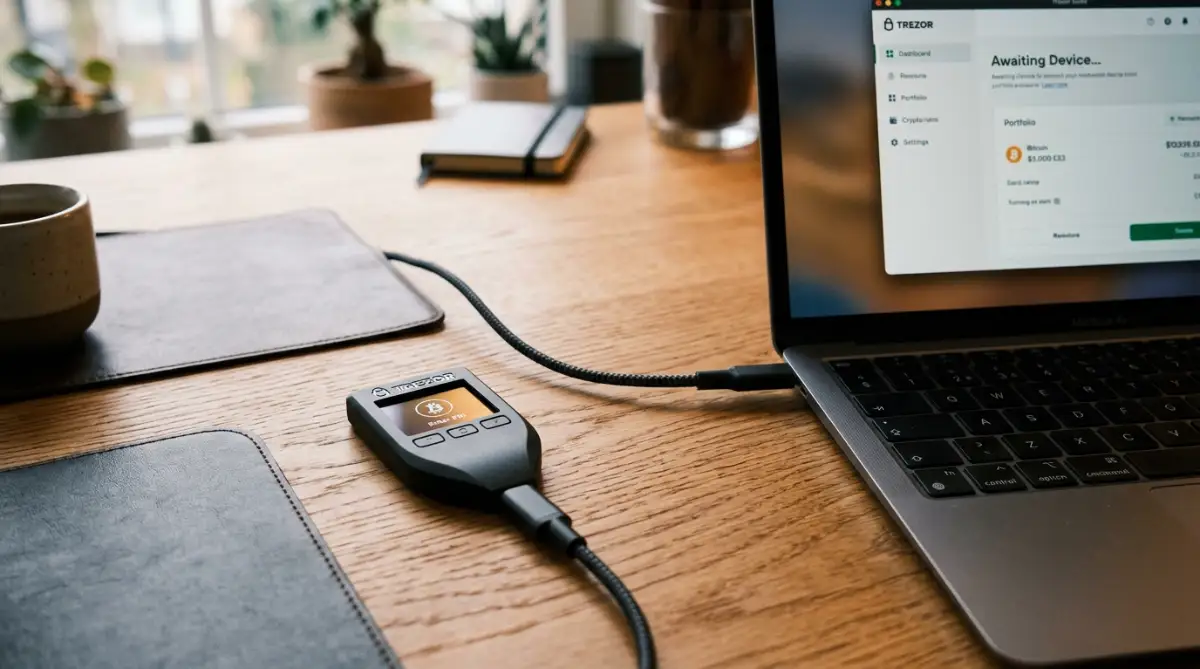
While centralized exchanges are convenient for buying and selling, holding large balances on an exchange exposes you to exchange insolvency risks, account freezes, and platform hacks. For long-term holding, transfer your digital assets to a self-custody hardware wallet where you retain 100% control over your private seed phrase.
3. Mistake #3: Poor Cyber security and Seed Phrase Mismanagement
In the decentralized crypto ecosystem, you act as your own bank. This personal responsibility means that if you fall victim to a cybersecurity scam or lose your private recovery phrase, no bank manager or customer support desk can recover your stolen funds.
Common cyber security mistakes include storing seed phrases digitally in unencrypted notes apps, falling for phishing scams via fake direct messages, and clicking sponsored search ads that lead to malicious clone websites.
4. Mistake #4: Trading with High Margin Leverage and Futures Contracts
Many new crypto investors are tempted by offshore or specialized trading platforms offering high leverage margin trading. Leverage allows traders to borrow capital to amplify trade sizes.
In the highly volatile crypto market, trading with high leverage is a direct path to financial ruin. A minor price movement against your position will trigger an automatic forced liquidation, wiping out your entire account balance instantly.
5. Building Emergency Cash Reserves Before Investing in Crypto
Crypto markets experience severe cyclical bear markets where prices can drop drastically from peak levels. Never invest money that you will need for rent, mortgage payments, or living costs within the next few years.
To learn how to protect your household finances before allocating capital to high-risk digital assets, review how to improve your credit score before applying for a mortgage. If you need temporary financing options to manage household liquidity expenses, consult federal vs private student loans how to choose wisely, or explore how to choose your first home insurance policy without stress for risk management tips.
Quick Comparison: Centralized Exchanges vs. Self-Custody Wallets
Myth vs. Reality in Crypto Investing
- Myth: Cryptocurrency transactions and wallet balances are completely anonymous and untraceable.
- Reality: Public blockchains are fully transparent, and tax authorities utilize advanced chain-analytics tools to track transactions.
My Personal Pro Tip: When I started managing my crypto portfolio, I made the mistake of keeping all my assets on a single exchange. My biggest recommendation is to never store your tokens online; investing in a dedicated hardware cold storage device gave me absolute peace of mind knowing my investments were safe from online hackers.
Experiencing your first major crypto market drawdown can feel stomach-churning. Watching your portfolio value drop by 30% or 40% in a single week causes intense anxiety, making you want to panic-sell at the absolute bottom. The emotional stress of managing living costs while watching speculative investments drop is exhausting. The secret to emotional peace in crypto is simple: only invest discretionary funds that you can afford to hold through multi-year market cycles. Maintaining a strong cash reserve and keeping your household debt under control gives you the calm confidence needed to ignore short-term market noise and think long-term.
Watch this expert video guide on avoiding beginner crypto mistakes:
IRS Tax Traps, Asset Allocation, Scam Avoidance, Debt Protection, and Best Practices
Once basic security and risk boundaries are set, navigating US tax compliance, portfolio diversification, avoiding rug pulls, and executing smart long-term strategies is vital. Part 2 details these essential areas.
6. Mistake #5: Ignoring IRS Tax Compliance and Reporting Rules
A dangerous myth among beginner investors is that cryptocurrency transactions are completely anonymous and untaxed. In reality, the Internal Revenue Service (IRS) treats virtual currency as property for federal income tax purposes.
Every US taxpayer must answer the mandatory digital asset question on Page 1 of IRS Form 1040. Taxable crypto events include selling crypto for USD at a profit, trading one cryptocurrency directly for another, using crypto to purchase goods, or earning staking rewards.
7. Mistake #6: Over-Concentration in Speculative Micro-Cap Altcoins
New investors often skip established market leaders like Bitcoin and Ethereum because they want to find the next unknown token that will explode in price. They allocate 100% of their capital into low-market-cap altcoins or meme coins.
Industry data shows that over 90% of speculative altcoins from previous market cycles never recover or reach new all-time highs. Build a resilient portfolio using a core-and-satellite model by allocating the majority of capital to established blue-chip assets.
8. Mistake #7: Falling for High-Yield DeFi Ponzi Schemes and "Rug Pulls"
Be extremely cautious of decentralized finance platforms or staking programs promising fixed annual yield rates of 100% or more. Unsustainable yield promises are almost always backed by inflationary token printing or Ponzi mechanics.
Additionally, beware of rug pulls where malicious developers create a hyped token, attract investor funds, and suddenly drain all liquidity from the smart contract pool, leaving investors with worthless assets.
9. Managing Existing Debts and Protecting Credit Ratings Prior to Crypto Investing
Never borrow money on credit cards or take out personal loans to purchase speculative digital assets. Managing existing debt commitments responsibly is essential to preserving your long-term financial security.
For individuals expanding professional portfolios or small businesses into digital tech, understanding tools like easy ai website builders for small businesses simple setup guide helps establish legitimate web ventures, while reviewing best community colleges in the usa-for-affordable-education provides smart educational budgeting frameworks.

Red Flags and Warning Signs of Crypto Scams to Avoid
Protect your capital by watching out for these critical red flags:
- Guaranteed Returns: Any platform or individual offering guaranteed daily profits or zero-risk returns is operating a scam.
- Unsolicited Investment Advice on Social Media: Direct messages on Telegram, Discord, or X offering trading signals or investment management.
- Requests for Remote Screen Access: Fake support technicians asking you to install screen-sharing software to help fix your wallet.
- Un-audited Smart Contracts: New DeFi protocols that lack independent security audit reports from reputable blockchain security firms.
Actionable 10-Step Crypto Security & Investment Checklist
- Build Emergency Fund: Secure 3 to 6 months of liquid living expenses in cash before buying crypto.
- Choose Reputable US Exchanges: Use fully regulated US fiat-onramps featuring 2FA authentication.
- Enable Hardware 2FA: Use YubiKey or authenticator apps instead of SMS-based 2FA to prevent SIM-swapping.
- Acquire a Hardware Wallet: Move long-term holdings off exchanges into a cold storage hardware wallet.
- Secure Seed Phrase: Write down seed phrases on physical paper or metal and store safely offline.
- Focus on Core Assets: Allocate the majority of your crypto capital to Bitcoin and Ethereum.
- Implement Dollar-Cost Averaging (DCA): Invest small, fixed dollar amounts on a scheduled weekly or monthly basis.
- Track Tax Transactions: Connect exchange APIs to crypto tax software to track capital gains automatically.
- Beware of External Links: Bookmark official exchange URLs and never click on sponsored search ads.
- Set Profit Targets: Define clear profit-taking goals during bull market cycles.
Summary of Key Crypto Investment Takeaways
Investing in cryptocurrency offers exciting opportunities for forward-thinking US investors, but navigating the market successfully demands risk discipline, technical security awareness, and strict adherence to tax laws. By avoiding FOMO buying, keeping long-term assets in self-custody wallets, reporting trades accurately to the IRS, and managing household financial health, you can participate in the digital asset revolution safely and build lasting wealth.
Looking back at my own evolution as an investor, learning to respect risk management and secure my assets completely changed my financial journey. When you take the emotion out of trading and build a disciplined framework, the daily market stress disappears. I encourage you to approach the digital asset market with patience, caution, and continuous education so you can protect your hard-earned capital and build a secure financial future.
Frequently Asked Questions
Do I have to pay taxes on cryptocurrency trades in the US?
Yes, the IRS treats cryptocurrency as property, meaning selling crypto for cash or trading one coin for another are reportable taxable events.
What is a cold storage hardware wallet?
A hardware wallet is an offline physical device used to store your private cryptographic keys securely away from online hackers and internet threats.
Is it safe to leave my crypto on Coinbase or Kraken?
While major US exchanges are regulated, holding large long-term balances on them exposes you to counterparty risks. Self-custody is recommended for long-term storage.
What does "DYOR" mean in crypto?
DYOR stands for "Do Your Own Research," emphasizing the importance of independently analyzing a project before investing money.
What is Dollar-Cost Averaging (DCA)?
DCA is an investment strategy where you purchase fixed dollar amounts of an asset at regular intervals regardless of price fluctuations to minimize volatility impact.
Disclaimer: The information provided in this article is for general informational, educational, and entertainment purposes only and does not constitute formal financial, investment, legal, or tax advice. Reading this article or interacting with this website does not establish a professional-client or fiduciary relationship. Cryptocurrency investments are subject to extreme market volatility, total loss of principal, regulatory changes by the SEC and CFTC, and complex IRS tax reporting rules. Past performance of any digital asset does not guarantee future results. If you are preparing to invest in cryptocurrency, you should consult directly with a certified financial planner, licensed investment advisor, and certified public accountant in your jurisdiction to receive guidance tailored to your specific financial situation.