Overcoming Generational Barriers Through Dedicated Funding Pathways
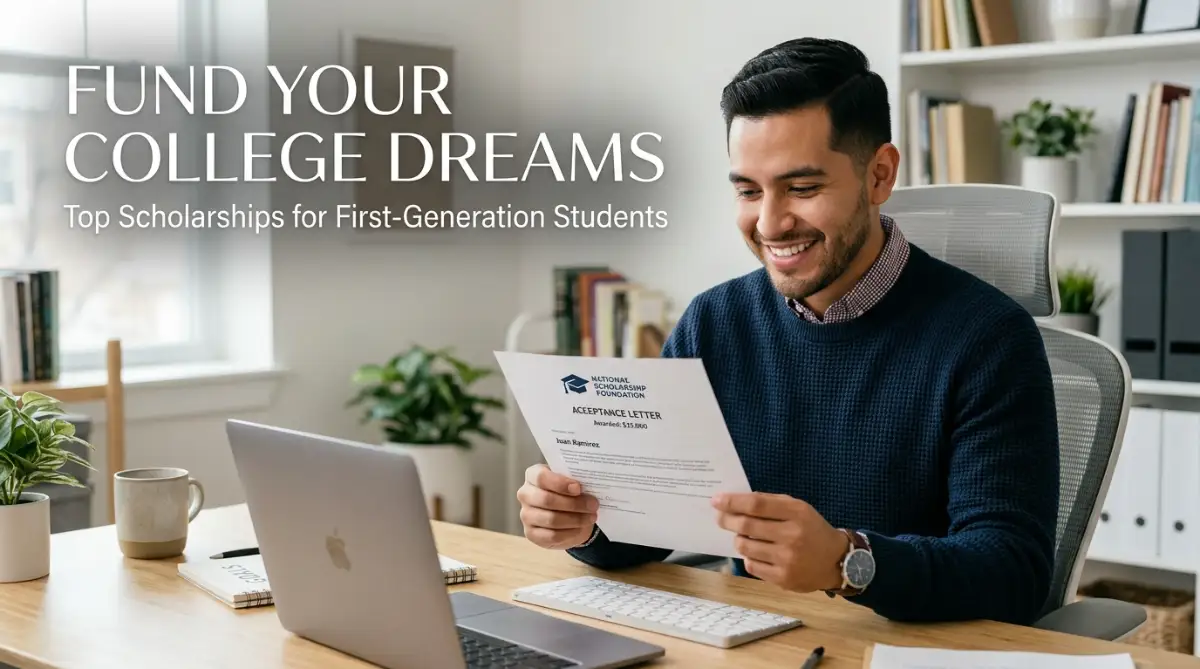
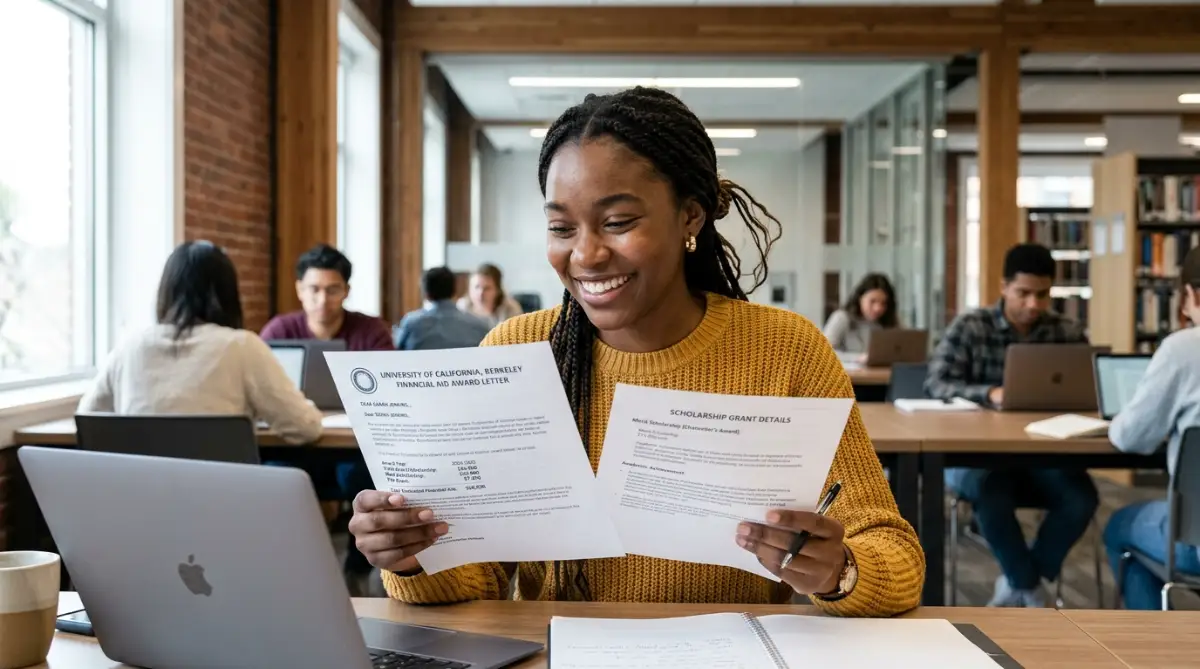
When I first received my college acceptance letter, excitement quickly turned into a knot of anxiety in my stomach because neither of my parents had attended university, and we had zero savings set aside for tuition. Navigating complex financial aid forms without familial guidance felt like trying to decode an unfamiliar foreign language while walking blindfolded. I spent late nights sitting at our kitchen table researching grants, feeling overwhelmed by unfamiliar terms like expected family contribution and subsidized loans. Realizing that I had to take matters into my own hands, I sought out school counselors, connected with community mentors, and spent my weekends applying meticulously to specialized first-generation awards. Winning my first major scholarship was a life-altering moment that lifted an unbearable weight off my family's shoulders and proved that breaking generational barriers is entirely possible with the right roadmap.
Stepping onto a university campus as a first-generation college student—defined generally as an individual whose parents or legal guardians did not complete a four-year bachelor's degree—is an extraordinary milestone. It represents the courage to break generational barriers, forge new economic opportunities, and rewrite the future trajectory of an entire family. However, this pioneering journey is often accompanied by unique, daunting challenges. First-generation students frequently navigate the intimidating college admissions process without internal family guidance, confronting complex financial aid terminology, high tuition invoices, and a persistent feeling of imposter syndrome.
Financial obstacles remain the single largest barrier preventing talented first-generation students from earning their degrees. Fortunately, higher education institutions, philanthropic foundations, federal programs, and private corporations increasingly recognize the immense value and resilience that first-gen students bring to academic campuses. Today, billions of dollars in dedicated scholarships, full-ride grants, and holistic support fellowships are earmarked specifically for first-generation trailblazers. In this comprehensive guide, we explore the top first-generation scholarships available, break down eligibility guidelines, and reveal proven strategies to secure transformational funding for your college education.

Premier National Scholarships for First-Generation Trailblazers
National scholarship programs offer some of the most generous financial awards in the country. Many of these awards are full-ride or full-need scholarships that cover 100% of demonstrated educational expenses.
Top National First-Generation Scholarship Programs
My Personal Pro Tip
When drafting your first-generation essays, my personal pro tip is to avoid focusing solely on hardships or disadvantages. Instead, highlight your resourcefulness, self-reliance, and problem-solving skills, showing scholarship committees how you actively overcome obstacles to achieve your academic goals.
Visual Insight: How to Find and Win First-Gen Scholarships
For expert advice on identifying niche scholarships, meeting deadlines, and standing out in application pools, watch this comprehensive video breakdown from higher education financial advisors!
Defining First-Generation Status and Understanding Eligibility
Before applying for specialized awards, it is essential to understand how scholarship committees define first-generation status. While definitions can vary slightly between organizations, the most widely accepted standard classifies a student as first-generation if neither parent nor legal guardian earned a four-year baccalaureate degree in the United States.
It is important to note certain nuances within eligibility definitions:
- Older Siblings in College: Having an older sibling who is currently attending or has graduated from a four-year college generally does not disqualify you from first-generation status, provided your parents did not earn a four-year degree.
- Associate Degrees and Trade Certificates: If your parents earned a two-year associate degree from a community college, vocational certificate, or trade diploma, you are still considered a first-generation college applicant for almost all major scholarship programs.
- Foreign Degrees: Some scholarship programs consider students first-generation if their parents earned degrees outside the United States that are not recognized in the American employment market, though requirements should always be verified per program.
As you navigate your college financing strategy, keeping your overall financial liabilities organized is vital. Review structured options for funding your education by exploring our insights on federal vs private student loans to avoid costly borrowing mistakes.
Maintaining financial stability also requires protecting your credit history and personal assets. Check out our guide on how to improve your credit score to strengthen your personal financial profile. Additionally, safeguarding your primary household properties through proper planning—such as reading how to choose your first home insurance policy—guarantees comprehensive family security.
Common Mistakes and Pitfalls to Avoid
First-time scholarship applicants frequently make avoidable errors that reduce their chances of winning financial awards:
- Waiting Until Senior Year to Start: Delaying scholarship searches until the final semester of high school, missing priority early-action deadlines.
- Submitting Generic Personal Essays: Reusing the exact same essay without tailoring your personal narrative to fit specific scholarship prompts.
- Ignoring Local and Regional Awards: Focusing exclusively on massive national contests while ignoring smaller local grants with much higher win rates.
- Failing to Proofread Application Materials: Submitting essays or forms containing grammatical errors, typos, or incorrect personal details.
Developing practical digital skills and exploring alternative learning methods can also give you a professional edge during your studies. For those looking into alternative career preparation or independent training avenues, reviewing resources on easy ai website builders for small businesses or exploring opportunities at best community colleges in the usa for affordable education provides pragmatic, low-cost pathways to professional success.
Claiming Your Seat at the Academic Table
Being a first-generation college student is not a disadvantage—it is a testament to your courage, ambition, and strength of character. You are blazing a trail that will inspire your siblings, honor your parents' sacrifices, and open doors for generations to come. While navigating financial aid can feel overwhelming at times, remember that billions of dollars in dedicated scholarships and grants exist specifically to help you succeed.
Reflecting on my own journey through financial aid applications, I want you to know that persistence pays off. Organize your application portfolio, share your authentic story, and claim the bright educational future you deserve!
First-Generation Scholarship Do's and Don'ts
Frequently Asked Questions
What defines a first-generation college student?
A first-generation college student is generally defined as an individual whose parents or legal guardians did not complete a four-year bachelor's degree.
Does having an older sibling in college disqualify me from first-gen status?
No, having an older sibling currently attending college does not disqualify you as long as your parents do not hold a four-year baccalaureate degree.
Are associate degrees considered when determining first-gen status?
No, if your parents earned a two-year associate degree or trade certification, you are still considered a first-generation college student for most major programs.
What are some of the top national first-generation scholarships?
Prestigious national programs include the QuestBridge National College Match, The Dell Scholars Program, The Gates Scholarship, and the Horatio Alger Scholarship.
How can I find local first-generation scholarships?
You can find local awards through your high school guidance counselor, community foundations, local credit unions, and regional philanthropic organizations.
Disclaimer: This article is published for educational and informational purposes only. Scholarship award amounts, eligibility criteria, application deadlines, and institutional policies are subject to change by award providers. Applicants are strongly advised to verify current requirements directly on official scholarship provider websites or consult with certified academic advisors before submitting applications.