Introduction: Why Immediate Post-Accident Actions Determine Your Legal Outcome
A car accident happens in a split second, but its emotional and physical aftermath can echo for months or years. The sudden screech of brakes, the violent jolt of impact, and the loud pop of deploying airbags leave even the most experienced drivers in a state of deep shock. When I was involved in a highway collision years ago, I remember standing on the side of a busy road surrounded by shattered glass and twisted metal, with my mind racing in total panic. I worried constantly about my physical injuries, my vehicle damage, and how I would manage everyday life while dealing with insurance adjusters. Knowing the right emergency steps to take in those chaotic moments brought me a sense of control and protected my health, my family, and my legal rights under US law.
According to the National Highway Traffic Safety Administration (NHTSA), millions of motor vehicle traffic crashes occur across the United States every year, resulting in over two million injuries and billions of dollars in property damage. Whether you are involved in a minor parking lot fender-bender or a multi-vehicle highway collision, the actions you take immediately following a crash dictate your legal and financial future.
Navigating the aftermath of a US traffic accident involves fulfilling legal duties imposed by state motor vehicle codes, interacting with law enforcement, gathering objective evidence, and dealing with aggressive insurance claims adjusters. Making simple mistakes at the crash scene—such as apologizing out of politeness or failing to call the police—can be weaponized by insurance carriers to deny your compensation claims. This comprehensive guide outlines the exact, step-by-step procedures every American driver must follow after a collision.
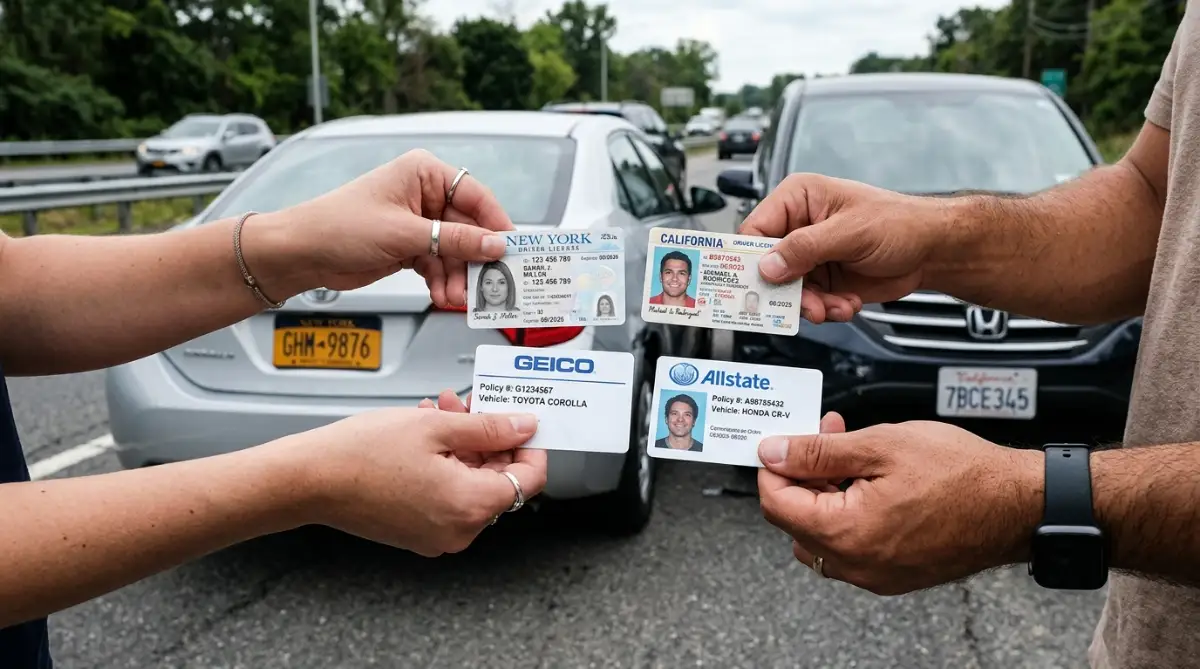 On-Scene Safety Protocols, Police Reports, and Evidence Preservation
The first 30 minutes following a vehicle collision are critical for establishing safety and securing crucial physical proof. This section covers emergency scene procedures, law enforcement protocols, and evidence collection:
- Ensure Immediate Scene Safety and Move to a Secure Zone: Assess for physical injuries, move operational vehicles off active traffic lanes onto shoulders to avoid secondary crashes, and switch on hazard lights or flares.
- Call 911 and Request Law Enforcement Response: Report accidents involving injury or major property damage immediately to manage traffic, secure medical help, and create an official police report.
- Exchange Essential Driver and Insurance Information: Share legal names, contact numbers, driver's licenses, insurance policies, and vehicle details while strictly avoiding apologies or admissions of fault.
- Document the Accident Scene and Preserve Evidence: Take wide-angle and close-up photographs of vehicle damage, skid marks, road conditions, and gather eyewitness contact information.
- Managing Immediate Financial Strain and Emergency Expenses: Handle towing charges and initial co-pays safely. If you need financial guidance during recovery, read our guide on how to choose your first home insurance policy without stress or learn about choosing financial loans wisely.
Car Accident Action Step Comparison Matrix
Myth vs. Reality of Post-Accident Procedures
- Myth: If the police do not issue a traffic citation to the other driver at the scene, you cannot win an insurance claim or injury lawsuit.
- Reality: Police citations are separate from civil liability; civil fault is established through comprehensive evidence, witness accounts, and expert reconstruction.
- Myth: Your own insurance company will automatically look out for your best financial interests without needing careful review.
- Reality: Even your own insurer operates as a business focused on minimizing payouts, requiring you to stick strictly to basic factual reporting.
My Personal Pro Tip: When I was dealing with my car crash aftermath, I made the mistake of not taking photos of the surrounding intersection signs and traffic lights immediately. My advice to you is to use your smartphone to record a quick panoramic video of the entire scene—including weather and traffic controls—before moving your vehicle, as this detail proves invaluable during insurance disputes.
Visual Insight: What To Do After a Car Accident
Watch this practical video guide prepared by consumer safety experts walking you through the essential steps to take immediately following a vehicle collision. Learn how to stay safe at the scene, exchange driver information properly, document physical evidence, and contact your insurance carrier correctly to protect your claim.
Medical Evaluations, Insurance Claims, Overcoming Traps, and Legal Representation
Once you leave the accident scene, the focus shifts toward comprehensive medical evaluations, navigating state insurance systems, and protecting your claim from insurance defense strategies:
Seeking Immediate Medical Attention for Delayed Symptoms:
Even if you feel fine or think you only suffered minor bruises, seek a professional medical evaluation at an emergency room or urgent care clinic immediately following the crash. During traumatic events, the body releases massive amounts of adrenaline and endorphins that mask severe pain and injury symptoms for hours or days. Common collision injuries with delayed symptoms include whiplash, soft-tissue tears, spinal disc herniations, internal bleeding, and traumatic brain injuries. Seeking prompt medical care establishes an official medical paper trail linking your physical injuries directly to the collision.
Navigating State Insurance Systems (Tort vs. No-Fault):
Understanding whether your state operates under an at-fault (tort) system or a no-fault insurance framework dictates how your medical bills and property damages are handled. In no-fault states like Florida, New York, and Michigan, drivers turn first to their own Personal Injury Protection (PIP) coverage regardless of who caused the crash, whereas at-fault states require pursuing claims against the negligent driver's liability insurance.
As your recovery progresses over coming months, managing your household credit health remains vital. If income interruption causes financial strain, explore additional educational guides such as improving your credit score before mortgage applications or review insights on affordable educational options if you need career upskilling. Furthermore, utilizing smart digital tools for your personal records can be streamlined via easy AI website builders for small businesses.
Ultimately, knowing when to hire an experienced personal injury attorney ensures that you are protected against lowball settlement offers, recorded statement traps, and blanket medical release waivers designed to minimize your rightful financial recovery.
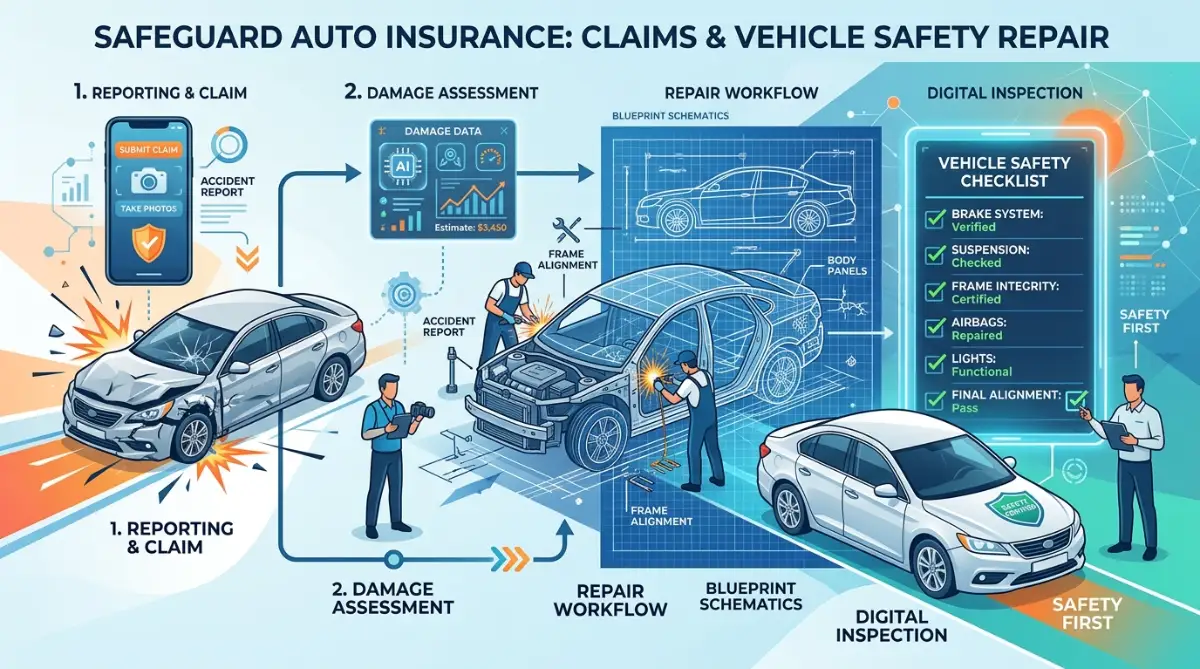
Critical Mistakes to Avoid After a Car Accident
Protect your legal claim by watching out for these common post-crash mistakes:
- Admitting Fault or Apologizing at the Scene: Saying "I'm sorry" or "I didn't see you" will be used by defense lawyers as an admission of legal guilt.
- Leaving the Scene (Hit and Run): Leaving the crash scene before police arrive or information is exchanged is a serious criminal offense in every US state.
- Delaying Medical Care: Waiting days or weeks to visit a doctor creates gaps in treatment that insurance companies use to dispute your injury claim.
- Giving Recorded Statements to the Other Driver's Insurer: Adjusters use trick questions to get drivers to admit partial fault or minimize physical symptoms.
Take Charge of Your Rights and Recovery
A car accident can happen in an instant, but knowing how to respond protects your health, your family's finances, and your legal rights under United States law. By prioritizing scene safety, gathering objective evidence, seeking immediate medical care, and partnering with an experienced attorney when disputes arise, you can navigate the insurance claims process with confidence and secure the full compensation you deserve.
Step-by-Step Emergency Glovebox Checklist for US Drivers
- Step 1: Check for Injuries & Ensure Scene Safety: Turn on hazard lights and move vehicles to the shoulder if safe.
- Step 2: Call 911 Immediately: Request police and emergency medical responders.
- Step 3: Exchange Information: Get driver's license, insurance policy numbers, and license plate details.
- Step 4: Take Photos & Video: Photograph vehicle damage, road conditions, skid marks, and visible injuries.
- Step 5: Seek Medical Evaluation: Visit an urgent care clinic or ER promptly to document injuries.
- Step 6: Notify Your Insurance Company: Report basic crash facts within required policy timeframes.
- Step 7: Consult a Lawyer Before Signing Releases: Speak with a personal injury attorney before accepting settlement checks or signing waivers.
Rebuilding your life and peace of mind after a major motor vehicle collision takes time, patience, and resilience. Your health and emotional well-being are far more valuable than any insurance dispute or property damage claim. Healing from traumatic physical injuries is a slow process, and carrying the burden of an insurance battle alone can feel overwhelming. Partnering with a dedicated personal injury lawyer gives you a steadfast advocate who will stand up to insurance corporate tactics on your behalf. Achieving full financial recovery and justice is the foundation upon which you can step back behind the wheel with confidence and security.
Reflecting on my own stressful experience after my collision, I know how frightening it is to face insurance paperwork while hurting. I want you to spare yourself months of frustration by following these safety steps and securing trusted guidance early. If you ever feel overwhelmed by the process, remember that taking calm, controlled action protects your future.
Additional Financial & Legal Resources
Managing recovery and financial stability requires comprehensive planning. Explore our approved guides:
- Learn how to manage credit standings through improving your credit score before mortgage applications.
- Review funding options by reading federal vs. private student loans and how to choose wisely.
- Understand property protection principles via how to choose your first home insurance policy without stress.
- Discover digital management tools via easy AI website builders for small businesses.
- Explore alternative skill development through the best community colleges in the USA for affordable education.
Frequently Asked Questions (FAQs)
What should I do immediately after a car accident?
Ensure safety, call 911 for police and medical assistance, exchange basic insurance details, and photograph the scene before leaving.
Should I call the police for a minor parking lot fender-bender?
Yes, calling the police ensures an official crash report is created, which is frequently required by insurance companies to process claims accurately.
Do I have to give a recorded statement to the other driver's insurance adjuster?
No, you are not legally required to provide a recorded statement to the opposing insurer; it is best to let your attorney handle all communications.
What if my pain symptoms do not appear until two days after the crash?
Delayed injuries like whiplash are extremely common due to adrenaline; visit a doctor immediately to establish a medical record linking the injury to the crash.
When should I hire a personal injury lawyer after a crash?
Consult an attorney if you suffered significant injuries, liability is disputed, or the insurance company offers an unreasonably low settlement.
Disclaimer: The information provided in this article is for general informational, educational, and entertainment purposes only and does not constitute formal legal, financial, or medical advice. Reading this article or interacting with this website does not establish an attorney-client or fiduciary relationship. Motor vehicle laws, insurance claim procedures, statutes of limitations, and comparative negligence rules vary significantly across different US states and local jurisdictions. If you have been involved in a traffic collision, you should consult directly with a licensed personal injury attorney and certified financial professional in your area to receive guidance tailored to your specific situation.