
Introduction: Why Commercial Truck Accidents Are Legally Different
A collision with an 80,000-pound commercial tractor-trailer is one of the most terrifying events a person can experience on a United States highway. In a single terrifying second, the massive physical force of a semi-truck can crush a standard passenger vehicle, changing your life forever. When I sat by a hospital bed years ago watching a loved one recover from a devastating trucking collision, the feeling of absolute helplessness was suffocating. It felt deeply intimidating to realize that while our family was fighting for survival, multi-million-dollar trucking corporations and aggressive corporate adjusters were already deployed at the scene to shield themselves from liability. I learned quickly that you cannot navigate a commercial truck crash like a normal fender-bender; you need specialized federal insights, immediate evidence preservation, and a fierce legal advocate who refuses to let corporate giants sweep negligence under the rug.
Every year, over 500,000 commercial truck accidents occur across interstate corridors and highways in the United States, according to the Federal Motor Carrier Safety Administration (FMCSR). Due to the massive size, weight, and momentum of 18-wheelers, tractor-trailers, and tanker trucks, these collisions almost always result in catastrophic injuries or wrongful death for occupants of smaller passenger vehicles.
From a legal standpoint, a commercial truck accident is vastly more complex than a typical passenger car accident. Trucking operations are governed by strict federal and state regulations, involve multi-million-dollar commercial liability insurance policies, and feature complex corporate ownership structures. While an ordinary car crash usually involves two drivers and their respective insurance companies, a truck crash lawsuit often involves multiple corporate defendants, specialized black box digital data, and teams of defense lawyers. Understanding your legal rights under US federal and state laws is the critical first step toward securing full financial compensation for your injuries.
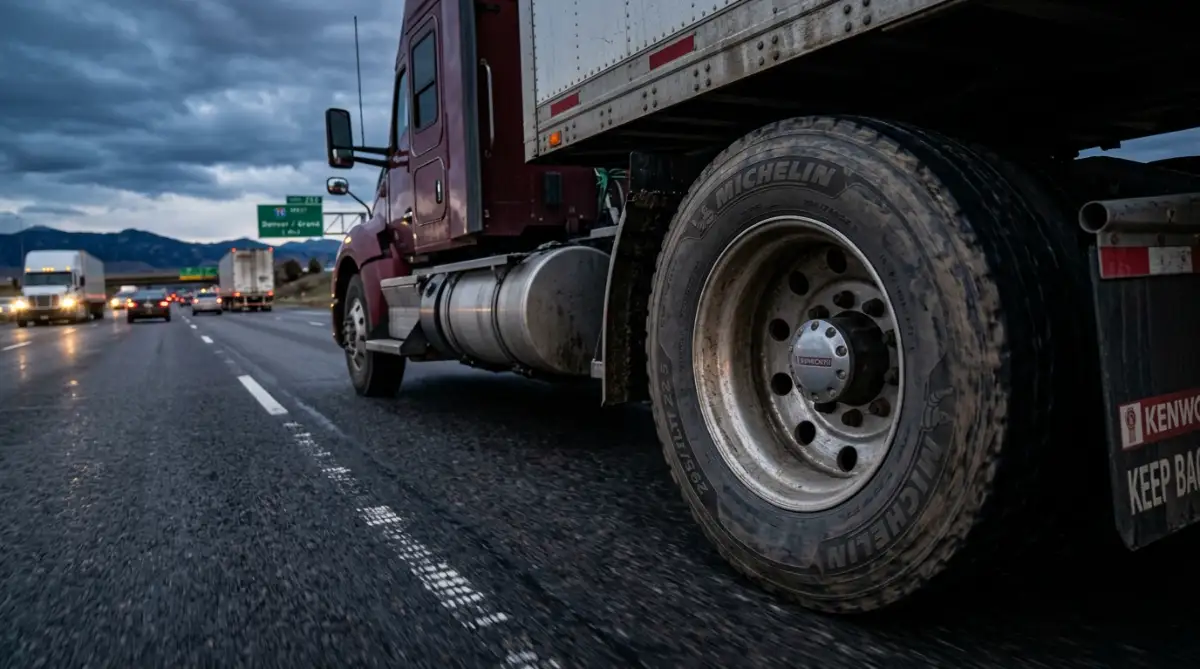 Federal Trucking Regulations, Liable Parties, and Evidence Preservation
Securing justice after a commercial truck accident requires navigating complex federal safety statutes and taking immediate steps to preserve electronic and physical evidence before it is destroyed. This section breaks down these crucial legal frameworks:
- Federal Motor Carrier Safety Regulations (FMCSRs): Commercial interstate trucking is regulated under Title 49 of the Code of Federal Regulations, establishing strict limits on driver hours of service, mandatory drug testing, cargo weight limits, and vehicle maintenance.
- Identifying Multiple Liable Corporate Defendants: Unlike typical car accidents, truck crash claims allow victims to pursue financial recovery from the driver, the motor carrier company, cargo loading facilities, maintenance contractors, and truck parts manufacturers.
- Preserving Black Box and Electronic Evidence: Modern commercial trucks feature Electronic Logging Devices (ELDs) and Engine Control Modules (ECMs) that record precise data on speed, braking, and hours driven leading up to a crash.
- Emergency Spoliation of Evidence Letters: Because trucking companies are permitted by law to overwrite driving logs and repair records after several months, your attorney must issue formal legal notices immediately to prevent data destruction.
- Managing Immediate Financial Trauma and Building Cash Reserves: Catastrophic truck crashes cause immediate income loss while medical bills soar. Establishing financial resilience early protects you against corporate pressure. If you need financial guidance during recovery, read our guide on improving your credit score before applying for a mortgage or learn about choosing financial loans wisely.
Commercial Truck vs. Standard Car Accident Comparison Matrix
Myth vs. Reality of Truck Accident Claims
- Myth: If the truck driver received a traffic ticket at the scene, the trucking company's insurance will automatically pay your full claim.
- Reality: Trucking companies deploy massive legal teams to contest liability, often attempting to shift blame or hide corporate safety violations.
- Myth: You can wait several months after a truck crash before hiring a lawyer or gathering evidence.
- Reality: Electronic black box data and driver logs can be legally overwritten within weeks if preservation letters are not sent immediately.
My Personal Pro Tip: When dealing with commercial trucking cases, time is literally evidence. My advice to you is to ensure your attorney dispatches an independent accident reconstructionist and issues a federal spoliation letter within 48 hours of the crash to secure vital black box telemetry before trucks are moved or repaired.
Visual Insight: Truck Accident Lawyer Answers FAQs About Trucking Lawsuits
Watch this detailed legal insight video where an experienced personal injury attorney answers common questions about commercial truck accident lawsuits. Learn how truck crashes differ from ordinary car accidents, who can be held responsible under federal law, and what critical mistakes you must avoid to protect your legal claim.
Compensation Rights, Defense Playbooks, Trial Strategy, and Debt Management
Once federal safety violations are established and black box data is preserved, winning a full financial recovery requires defeating corporate defense strategies, utilizing expert witness teams, and calculating lifetime economic losses:
Defeating Corporate Rapid Response Teams and Insurance Traps:
Major commercial trucking lines maintain corporate rapid response teams—consisting of defense attorneys, private investigators, and insurance adjusters—who arrive at catastrophic crash scenes within hours. Their goal is to gather defense evidence and look for ways to blame the passenger vehicle driver. Corporate adjusters frequently call injured victims in the hospital, offering quick settlement checks in exchange for signing full liability releases that are a fraction of the claim's true value.
The Crucial Role of Expert Witnesses in Trucking Litigation:
Winning a high-stakes truck accident lawsuit requires assembling a team of credentialed expert witnesses who can prove liability and calculate lifetime damages to a jury. This includes truck accident reconstruction engineers, digital forensics specialists who extract raw black box telemetry, life-care planning experts who itemize future medical costs, and forensic economists.
As your litigation proceeds through federal or state courts over many months, keeping your household financial records organized is critical. If medical balances or credit card dues accumulate during recovery, explore additional educational guides such as how to choose your first home insurance policy without stress or review insights on affordable educational options if you need career upskilling. Furthermore, utilizing smart digital tools to manage personal assets can be streamlined via easy AI website builders for small businesses.
Ultimately, navigating strict state statutes of limitations and preparing every case with meticulous expert testimony places maximum leverage on commercial carriers. This comprehensive preparation forces corporate insurers to offer full, life-changing compensation rather than risking a public jury verdict.

Red Flags to Avoid When Hiring a Truck Accident Attorney
Handling a commercial truck accident claim requires specialized federal knowledge and substantial financial resources. Watch out for these warning signs when choosing legal representation:
- Lack of Specific Trucking Experience: Avoid general personal injury lawyers who primarily handle minor car fender-benders and have never litigated federal FMCSR safety violations.
- Inability to Advance Expert Costs: Trucking litigation requires investing tens of thousands of dollars in reconstruction and medical experts. Ensure the firm has the financial muscle to advance these expenses.
- No Jury Trial Experience: Insurance companies maintain records on lawyers. If your attorney always settles and never goes to court, the insurance carrier will offer lower settlement amounts.
- Poor Communication: If an attorney or paralegal fails to return your calls promptly during initial consultation meetings, expect similar neglect throughout your lawsuit.
Enforce Your Legal Rights and Secure Your Future
A catastrophic commercial truck accident can alter your life in an instant, but US law provides powerful statutory rights and remedies for victims of trucking negligence. By understanding federal FMCSA safety rules, identifying all liable corporate defendants, securing ELD black box evidence, and partnering with an experienced trial lawyer, you can hold negligent motor carriers accountable and secure the full financial compensation required to heal and move forward.
Emergency Action Checklist After a Commercial Truck Crash
- Call 911 Immediately: Request police, state highway patrol, and emergency medical personnel at the crash scene.
- Seek Immediate Medical Evaluation: Allow paramedics to transport you to a trauma center or hospital emergency room right away.
- Gather Driver and Carrier Details: Photograph the truck driver's commercial driver's license, USDOT number, MC number, and trucking company name printed on the cab.
- Take Scene Photos & Video: Photograph vehicle damage, tire skid marks, road conditions, and corporate logos if physical injuries permit.
- Never Give Recorded Statements to Corporate Adjusters: Politely decline to speak with the trucking company's insurance representatives until you consult a lawyer.
- Hire a Board-Certified Truck Accident Lawyer Immediately: Act quickly so your attorney can issue spoliation letters and preserve black box data before it is erased.
Reclaiming your life and health after a catastrophic truck collision is a long journey that requires immense patience, courage, and resilience. Recovering from severe physical trauma is physically and emotionally exhausting, and carrying the weight of a legal battle against a billion-dollar trucking enterprise can feel impossible on your own. But you do not have to fight this battle alone. Partnering with a dedicated, board-certified truck accident attorney gives you a fierce shield and a tireless voice in court. Achieving justice is not just about a financial recovery—it is about restoring your dignity, holding negligent corporations accountable, and securing the resources needed to build a safe, stable future for your family.
Reflecting on my own family's experience navigating the aftermath of a trucking crash, I know firsthand how intimidating it is to stand up to billion-dollar shipping corporations. I want you to save yourself months of stress by partnering with trusted legal professionals from day one. If you ever feel overwhelmed by medical treatments or corporate insurance pressures, remember that your rights are powerful and you deserve absolute justice.
Additional Financial & Legal Resources
Managing recovery and financial stability requires comprehensive planning. Explore our approved guides:
- Learn how to manage credit standings through improving your credit score before mortgage applications.
- Review funding options by reading federal vs. private student loans and how to choose wisely.
- Understand property protection principles via how to choose your first home insurance policy without stress.
- Discover digital management tools via easy AI website builders for small businesses.
- Explore alternative skill development through the best community colleges in the USA for affordable education.
Frequently Asked Questions (FAQs)
Who can be held liable in a commercial truck accident?
Liability can extend to the truck driver, the trucking company, cargo loaders, independent maintenance contractors, and commercial vehicle or parts manufacturers.
What are Hours of Service (HOS) regulations?
Federal rules established by the FMCSA that limit the maximum number of consecutive hours a commercial truck driver can operate a vehicle without mandatory rest breaks.
What is a truck's black box, and why is it important?
The truck's black box (ECM and ELD) records critical pre-crash telemetry data such as vehicle speed, braking, engine hours, and driver rest periods, proving negligence.
Why should I hire a lawyer immediately after a truck accident?
Immediate legal representation allows your attorney to issue spoliation letters, preventing trucking companies from legally destroying or overwriting critical black box data.
What types of damages can I recover in a truck accident lawsuit?
Victims can recover economic damages for medical costs and lost wages, non-economic damages for pain and suffering, and punitive damages for gross corporate negligence.
Disclaimer: The information provided in this article is for general informational, educational, and entertainment purposes only and does not constitute formal legal, financial, or medical advice. Reading this article or interacting with this website does not establish an attorney-client or fiduciary relationship. Federal trucking regulations, state motor vehicle codes, statutes of limitations, and comparative negligence rules vary significantly across different US states and federal jurisdictions. If you or a family member has been injured in an accident involving a commercial vehicle, you should consult directly with a licensed personal injury attorney and certified financial professional in your area to receive guidance tailored to your specific circumstances.