
Annual Health Checkup Checklist Every Adult Should Follow 1. Why Your Annual Physical Exam Matters
In my line of work, I frequently encounter people who neglect routine medical care because they feel completely fine on a day-to-day basis. Between demanding career schedules, family responsibilities, and everyday financial pressures, scheduling an annual doctor's visit often feels like an exhausting chore. However, waiting until you feel sick or experience obvious physical symptoms can lead to missing crucial windows for early intervention. I have watched numerous patients discover serious metabolic shifts only after hidden conditions progressed for years without warning signs.
Many of the leading causes of long-term disability and death in the United States—including hypertension, high cholesterol, type 2 diabetes, and early-stage cellular changes—develop silently. An annual health checkup provides a proactive opportunity to review vital signs, evaluate comprehensive blood panels, and adjust lifestyle habits. By prioritizing routine preventive visits, I ensure that my health stays on track before minor imbalances turn into complex medical emergencies.
Viewing an annual health checkup as an empowering investment rather than an inconvenience is the first step toward lifelong vitality. Establishing a consistent checkup routine offers profound biological, emotional, and financial benefits. Under the US Affordable Care Act (ACA), most commercial health insurance plans and Medicare cover an annual preventive wellness exam at 100% with no copays or deductibles when using an in-network primary care provider.
Core Reasons to Schedule Your Annual Wellness Visit
- Early Detection of Asymptomatic Conditions: Catching prediabetes, mild hypertension, or elevated liver enzymes allows for early lifestyle interventions before irreversible organ damage occurs.
- Establishing a Personal Health Baseline: Year-over-year laboratory testing creates a personalized medical baseline, enabling your physician to spot subtle trend shifts long before they cross diagnostic thresholds.
- Building a Strong Doctor-Patient Relationship: Developing a trusting relationship with a Primary Care Physician ensures you have an advocate who understands your complete medical history.
To analyze broader healthcare spending metrics and economic policies, read our comprehensive analysis of healthcare economics and preventative care savings.
2. The Master Pre-Exam Checklist: How to Prepare
To maximize the value of your annual physical exam, go to your appointment organized and prepared. Complete this preparation checklist before stepping into the exam room:

My Personal Pro Tip
When I prepare for my own annual checkup, I always write down my questions and symptoms on a notepad the night before. In my experience, it is very easy to blank out once the doctor walks into the room, so having a physical list ensures I address every single concern.
Watch: Preventative Healthcare Screenings Overview
To gain further clinical insights on age-appropriate checkups and preventative screening guidelines, watch this expert overview featuring leading medical contributors:
3. The Physical Exam Checklist: What Your Doctor Evaluates
During your annual wellness visit, your primary care physician conducts a systematic hands-on physical assessment to evaluate major organ systems and vital sign health.
A. Vital Signs Audit
- Blood Pressure: Normal resting blood pressure is below 120/80 mmHg. Readings between 120–129/<80 are elevated, while readings 130/80 or higher indicate stage 1 hypertension.
- Heart Rate & Respiratory Rate: Resting heart rate typically ranges between 60–100 beats per minute. Irregular rhythms require further ECG evaluation.
- Body Mass Index (BMI) & Waist Circumference: Measuring height, weight, and abdominal circumference assesses visceral fat levels, a key indicator for metabolic syndrome.
B. Head-to-Toe Physical Examination
- Heart and Lung Auscultation: Using a stethoscope to listen for heart murmurs, valve irregularities, or lung congestion/wheezing.
- Abdominal Palpation: Checking for abdominal tenderness, fluid retention, or enlargement of the liver and spleen.
- Head, Neck, and Lymph Node Check: Inspecting throat, ears, eyes, thyroid gland, and palpating neck lymph nodes for swelling or nodules.
- Dermatological & Neurological Assessment: Inspecting skin for suspicious moles or lesions and testing deep tendon reflexes and joint mobility.
Core Annual Blood & Urine Panels
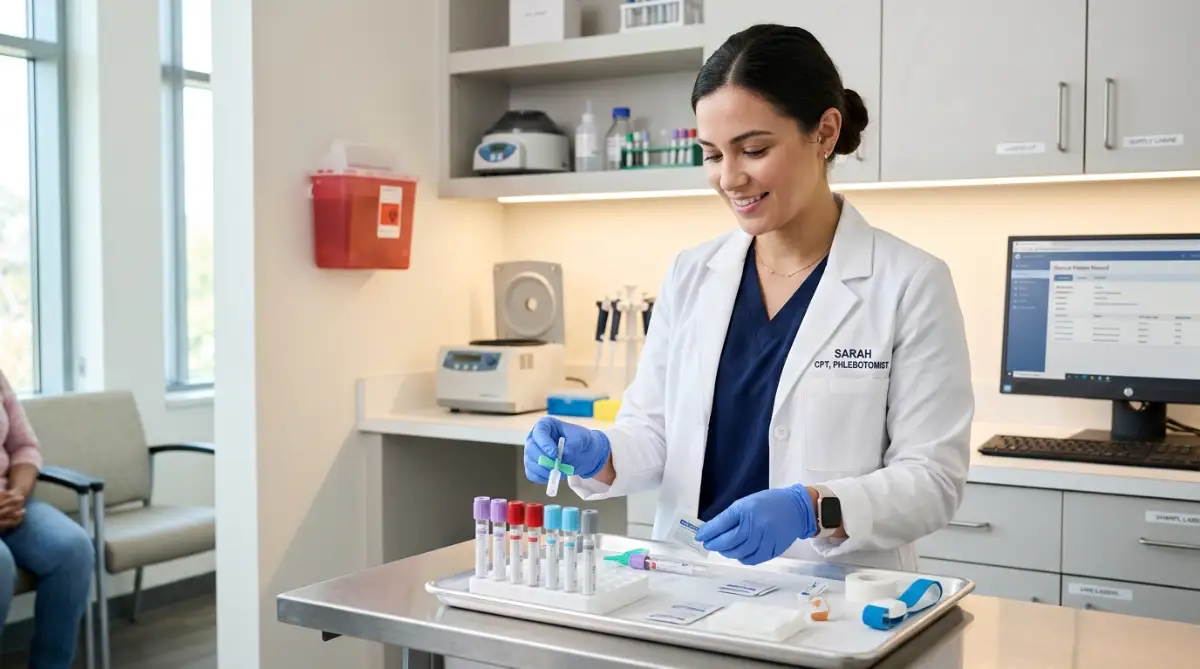
Laboratory blood and urine tests provide an objective, cellular window into your internal organ health, metabolic function, and nutritional status.
- Complete Blood Count (CBC): Measures red blood cells, white blood cells, hemoglobin, and platelets to screen for anemia, immune disorders, infection, and clotting issues.
- Comprehensive Metabolic Panel (CMP): Evaluates kidney function, liver enzymes, blood glucose, protein levels, and electrolyte balance.
- Lipid Panel: Measures total cholesterol, HDL, LDL, and triglycerides to calculate cardiovascular disease risk.
- HbA1c (Glycated Hemoglobin): Evaluates average blood sugar control over the past 3 months to screen for prediabetes and type 2 diabetes.
- Thyroid Panel (TSH): Evaluates thyroid gland activity to screen for hypothyroidism or hyperthyroidism.
- Vitamin D & B12 Levels: Identifies nutritional deficiencies that impact bone health, immune function, and daily energy.
To learn how to manage your personal health insurance records and lab results effectively, read our essential guide to health insurance navigation and medical record management.
4. Age-Specific and Gender-Specific Screening Checklist
In addition to universal physical exams and blood panels, specific preventive screenings are recommended based on age milestone guidelines.
A. Women's Health Screenings
- Pap Smear & HPV Co-Testing: Cervical cancer screening recommended every 3 to 5 years for women aged 21 to 65.
- Screening Mammogram: Breast cancer screening recommended annually or biennially starting between ages 40 and 45.
- DEXA Bone Density Scan: Osteoporosis screening recommended for women aged 65 and older or younger women with high fracture risk.
B. Men's Health Screenings
- Prostate Cancer Screening (PSA Test): Prostate-Specific Antigen blood test and shared decision-making starting at age 50 or age 45 for high-risk men.
- Testicular Exam: Routine clinical exam and self-examination awareness for young and middle-aged men.
- Abdominal Aortic Aneurysm Screening: One-time ultrasound screening for men aged 65 to 75 who have a history of tobacco smoking.
C. Universal Colorectal Cancer Screening
All adults of average risk should begin routine colorectal cancer screenings at age 45. Options include colonoscopies every 10 years or non-invasive stool-based tests like Cologuard or FIT every 1 to 3 years.
To discover lifestyle and stress-management practices that complement routine checkups, explore our guide on proven wellness strategies for managing stress and academic health.
5. Taking Ownership of Your Lifelong Health
Your body is the most valuable asset you will ever own, and caring for it requires proactive attention, regular maintenance, and informed advocacy. An annual health checkup is not merely an administrative appointment; it is a powerful, life-saving habit that protects your future, gives you peace of mind, and extends your healthy lifespan.
I always remind my peers that waiting for pain or illness to force a medical visit is a risky gamble. In my personal health journey, keeping up with routine evaluations has given me complete confidence in my daily wellness. Take control of your well-being today, call your primary care doctor, schedule your annual preventive checkup, and use this checklist to take confident ownership of your health!
6. Additional Resource Navigation
To further support your personal wellness and planning goals, check out our recommended resource hub:
- Planning major life investments and health financing
- Accessing community health education and affordable resources
7. Frequently Asked Questions
What should I bring to my annual physical exam?
Bring a valid photo ID, your current health insurance card, a complete list of all medications and supplements you take, and a written list of questions for your doctor.
Are annual physical exams completely free under insurance?
Under the Affordable Care Act, preventive care visits with an in-network primary care provider are typically covered at 100% with no copays or deductibles.
What is the difference between an annual physical and an office visit?
An annual physical focuses strictly on preventive care, screenings, and baseline health checks, whereas an office visit addresses specific acute illnesses or chronic symptom management.
At what age should adults start regular cholesterol screening?
Cardiovascular risk assessments and lipid panels should generally begin around age 20 and be repeated regularly depending on individual risk factors.
How can I prepare for fasting blood work before my exam?
Most comprehensive metabolic and lipid panels require fasting for 8 to 12 hours prior to your blood draw, though water is typically permitted.
8. Disclaimer
The information provided in this article is for educational and informational purposes only and should not be construed as professional medical advice, diagnosis, or treatment. Always seek the advice of your physician or qualified health provider with any questions you may have regarding a medical condition, diagnostic testing, or specific screening guidelines. Never disregard professional medical advice or delay in seeking it because of something you have read in this article.