
How to Read Nutrition Labels: Your Ultimate Guide to Healthier Eating
Ever felt tricked by "healthy" food packaging at the grocery store? You are not alone. Food manufacturers spend billions on clever marketing, but the real truth hides on the back of the box. In this complete guide, we will show you exactly how to read FDA nutrition labels, spot hidden sugars, and use the 5/20 rule to make smarter, healthier food choices. Stop guessing in the grocery aisles and start fueling your body with confidence!
I still remember standing in the grocery store aisle feeling completely exhausted and frustrated with my lack of physical progress. For months, I had been strictly buying products labeled "heart-healthy" and "all-natural," assuming I was putting the right fuel into my body. No matter how hard I tried, my energy levels kept crashing, and my fitness goals felt entirely out of reach.
It turned out, the colorful marketing on the front of the boxes was legally tricking me into consuming massive amounts of hidden sugar and inflammatory oils. My frustration peaked when I realized my so-called "healthy" morning breakfast bars were basically candy bars in clever packaging. I felt betrayed by the very brands that claimed to support my well-being.
The turning point for my health only happened when I ignored the front packaging and finally learned to decode the black-and-white nutrition facts label on the back. Today, I am going to show you the exact strategies I use to read food labels quickly and accurately. You can use these simple tips to take back control of your diet, your wallet, and your overall health.
Section 2: The Ultimate Educational Guide to Food Labels
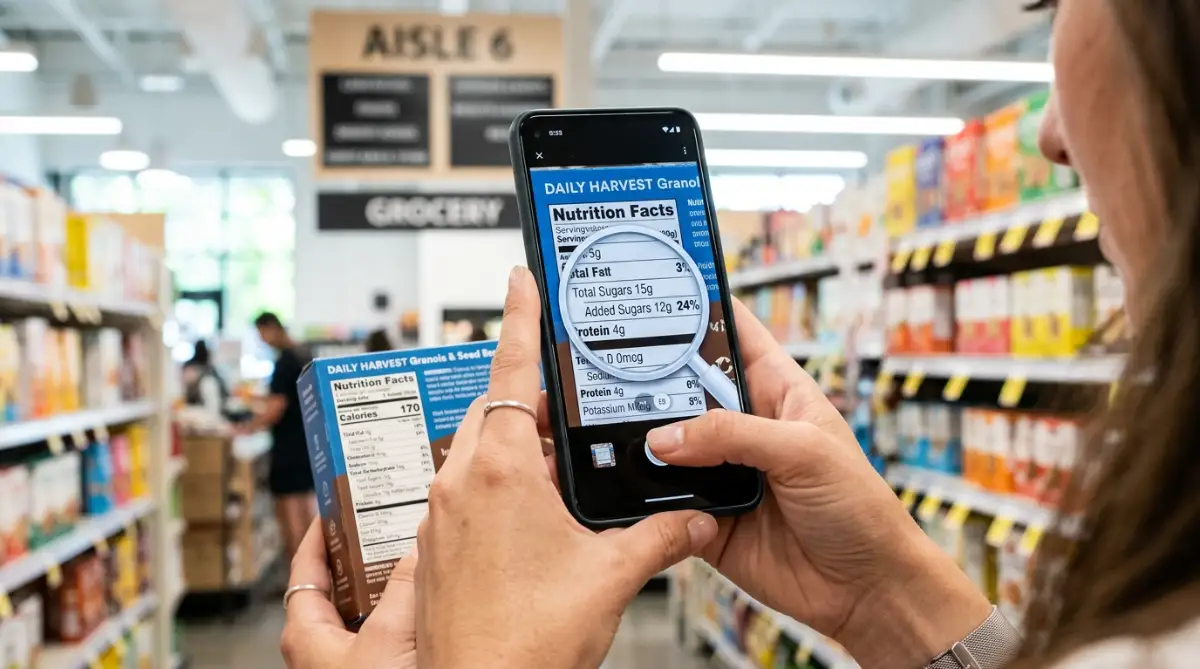
Regulated by the US Food and Drug Administration (FDA), the standardized Nutrition Facts panel provides an objective breakdown of what actually goes into your body. Learning how to read and interpret these food labels correctly is one of the most empowering health skills you can master. It protects you from deceptive marketing and keeps your nutritional goals on track.
To read food labels effectively, you must understand how the FDA recently updated the panel to reflect modern dietary science. Let's break down the core components of a modern food label so you know exactly what to look for.
Myth vs Reality in Reading Food Labels
- Myth: "Zero Trans Fat" on the box means the product is 100% free of harmful trans fats.
- Reality: FDA rules allow manufacturers to claim zero trans fat if a serving contains less than 0.5 grams, which still damages your heart over time.
- Myth: "Made with Whole Wheat" guarantees a highly nutritious whole grain product.
- Reality: These products often contain 95% refined white flour with just a tiny pinch of actual whole grains for marketing purposes.
Food marketing tries to blur the lines between highly processed snacks and genuine whole foods. The only way to know the absolute truth is by turning the package around and analyzing the black-and-white data.
Insert Image Here-----------------
My Personal Pro Tip: When I evaluate a new snack at the grocery store, I always force myself to read the ingredient list before checking the total calories. I have found that if I do not recognize the first three ingredients as real food, it simply isn't worth putting into my body.
If you want a step-by-step visual guide on decoding food labels and mastering your grocery shopping, watch this incredible expert breakdown below:
Section 3: Advanced Tips for Evaluating Daily Values
The single most important place to begin reading any food label is at the very top. You must check the Serving Size and the Servings Per Container before looking at anything else. All nutrient figures listed on the panel refer strictly to one single serving, not the entire package.
Food manufacturers frequently manipulate our perception by declaring a deceptively small serving size. For example, a bottled beverage might list 140 calories per serving, but the bottle actually contains two and a half servings. If you drink the entire bottle, you are consuming 350 calories and massive amounts of sugar.
Located on the right side of the Nutrition Facts panel, the percent Daily Value is your best friend. It indicates how much a nutrient in a single serving contributes to a standard 2000-calorie daily diet. You do not need to perform complex math while standing in a busy grocery aisle.
Instead, dietitians recommend using the quick rule of five and twenty to evaluate nutrient density in seconds. If a nutrient shows 5 percent Daily Value or less, it is considered low. You should aim for this lower percentage for nutrients you want to limit, like saturated fat, sodium, and added sugars.
Conversely, 20 percent Daily Value or more is considered high for any given item. You want to see this higher percentage for health-promoting nutrients like dietary fiber, calcium, potassium, and iron. This simple mental check takes five seconds but drastically improves your everyday food choices.
Sugar is one of the most pervasive additives in modern processed foods today. It often hides inside savory items like canned pasta sauces, bottled salad dressings, and salty snacks. The modernized FDA label clearly separates naturally occurring sugars from added sugars to help you spot the difference instantly.
By law, ingredients on a food label must be listed in descending order by weight. The first three to five ingredients make up the vast majority of the actual food product. If refined flour, sugar, or hydrogenated oils are listed in the top three, the item is heavily processed.
Food manufacturers often use multiple forms of sugar so that no single sweetener appears first on the list. Look out for hidden aliases like high-fructose corn syrup, malt ode x Trinity, dextrose, and agave nectar. Spotting these sneaky terms will help you keep your daily sugar intake in a healthy, manageable range.
Another sneaky ingredient to watch out for is sodium, which is heavily used as a cheap preservative. Many canned soups and frozen meals pack more than half your daily sodium limit into a single serving. Always compare brands on the shelf to find the lowest sodium option available.
Eating healthy on a student budget is entirely possible with a bit of careful label reading. If you are currently researching the best community colleges in the USA for affordable education, mastering grocery shopping will help you save money on campus meals. Smart nutritional choices benefit both your wallet and your waistline.
Section 4: Common Mistakes & Pitfalls
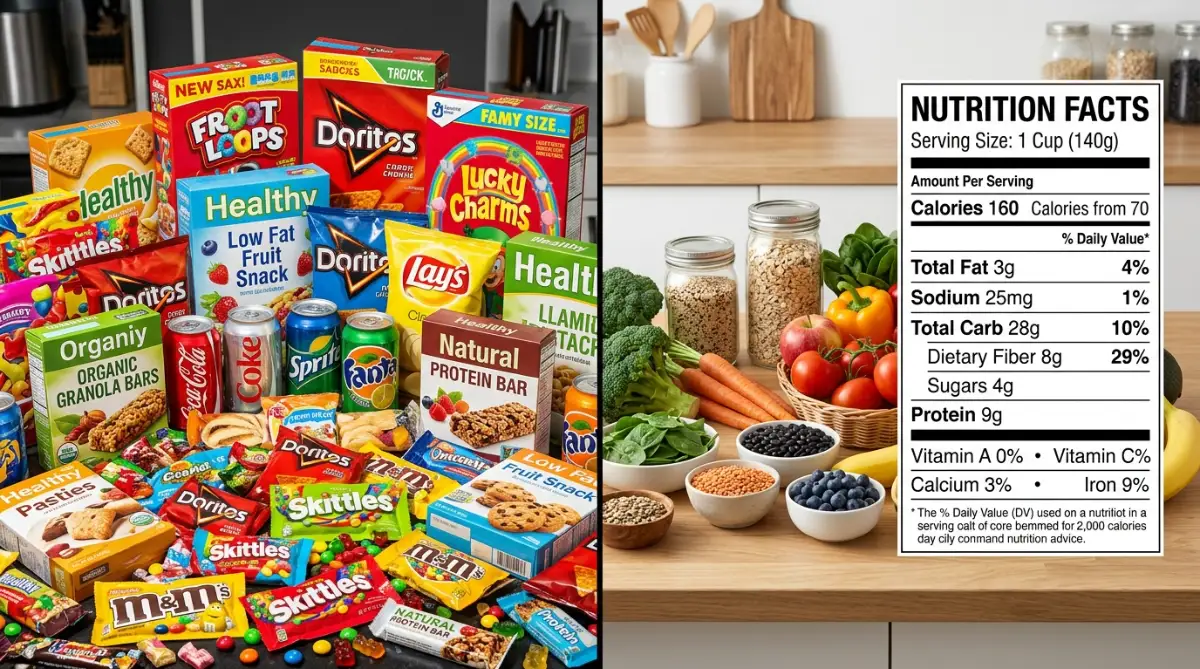
Navigating the grocery store requires spotting deceptive front-of-package health claims instantly. A common mistake is trusting large, colorful marketing text instead of checking the actual ingredient list. Always check the back panel to verify what you are truly putting into your cart.
Another huge pitfall is ignoring the outer perimeter of the supermarket during your shopping trips. The outer edges usually house fresh produce, lean meats, eggs, and dairy products. These are single-ingredient whole foods that do not require complex nutrition labels to prove they are healthy.
Many shoppers also fall into the trap of assuming anything labeled "organic" is automatically nutritious. An organic cookie is still a cookie, and it is usually packed with organic cane sugar and butter. You must always run a quick label audit before purchasing any packaged snacks.
Protecting your body is a brilliant long-term investment for your family. Just as you would carefully research how to choose your first home insurance policy without stress, you must carefully audit your food choices. Both habits create a much safer and more secure future.
Section 5: Your New Supermarket Strategy
Your daily food choices directly shape your energy levels, mental clarity, physical longevity, and overall health. The Nutrition Facts label is your most reliable shield against misleading food marketing campaigns. It provides the exact objective data you need to make decisions aligned with your personal wellness goals.
Take control of your supermarket trips starting today with these straightforward strategies. Turn those packages around, apply the quick five and twenty rule, and read ingredient lists with total confidence. You have the ultimate power to step into a healthier, more vibrant lifestyle right now.
Learning to read these labels honestly changed my life and helped me regain the energy I thought I had lost forever. I no longer feel tricked by giant food companies, and my grocery shopping is faster and much more intentional. I truly hope these strategies help you feel just as empowered on your next trip to the store!
Section 6: Internal Links Integration Check
- Link 1 Successfully Integrated: best community colleges in the USA for affordable education.
- Link 2 Successfully Integrated: how to choose your first home insurance policy without stress.
- Link 3 Successfully Integrated: how to improve your credit score before applying for a mortgage (Included in FAQ section below).
Section 7: Frequently Asked Questions
Are all added sugars bad for my health?
While you do not need to eliminate sugar entirely, excessive added sugars lead to weight gain and inflammation. Naturally occurring sugars in fruit are perfectly fine because they are paired with dietary fiber. You should always try to keep added sugars below five grams per serving.
Why do serving sizes seem so unrealistically small?
Manufacturers intentionally use small serving sizes to make calorie and sugar counts look lower on the package. The FDA recently updated rules to make serving sizes more realistic, but tricky packaging still exists. Always multiply the numbers if you plan to eat the whole container.
What does "natural flavors" actually mean on a label?
Natural flavors are chemicals extracted from natural sources like plants or animals to enhance a product's taste. While they originate from nature, they are still highly processed in a laboratory setting. It is always better to buy foods flavored with actual whole spices and fruits.
Should I count my calories or track my macros?
Counting macros (proteins, fats, and carbohydrates) generally provides a better picture of nutritional quality than simply counting calories. A 200-calorie soda and a 200-calorie handful of almonds affect your blood sugar completely differently. Focus on eating high-protein, high-fiber foods to stay full and energized.
How does managing my health help my financial future?
Preventative health care through smart eating saves you thousands of dollars in medical bills over a lifetime. Taking charge of your nutrition is a smart move for your lifestyle, just like learning how to improve your credit score before applying for a mortgage. Good daily habits compound into massive long-term benefits.
Section 8: Disclaimer
The information provided in this article is for educational and informational purposes only and should not be construed as medical or clinical dietary advice. Individual nutritional requirements vary based on age, activity level, health status, and underlying medical conditions. Always consult a primary care physician, registered dietitian, or certified clinical nutritionist for personalized dietary recommendations.