Understanding and Overcoming Modern Pressure
In my journey through managing heavy professional workloads and everyday responsibilities, I used to believe that chronic stress was simply a normal price to pay for ambition. Whenever pressure mounted, I would double down, skip meals, sacrifice sleep, and push my mind and body past sensible limits. This relentless cycle caught up with me when I started experiencing persistent tension headaches, racing heartbeats, and overwhelming mental fatigue that refused to go away. I felt trapped in an endless loop where my own thoughts and endless to-do lists controlled my daily existence instead of the other way around. Realizing that my long-term health was at stake, I knew I had to make a fundamental shift in how I approached daily pressure. I began exploring simple, science-backed nervous system regulation habits that eventually transformed my relationship with stress. Now, I want to share those very lessons with you so you can reclaim your peace and well-being.
In our modern society, stress has evolved from an occasional survival mechanism into a chronic, daily reality for millions of adults. According to nationwide surveys, over 75% of adults report experiencing physical or emotional symptoms of stress on a regular basis. From demanding career expectations and financial worries to constant digital notifications, the sources of modern pressure seem endless. While stress is often discussed as a purely psychological condition, medical science emphasizes that stress is fundamentally a whole-body biological event.
When you experience chronic stress, your autonomic nervous system remains locked in a continuous state of heightened alertness, flooding your bloodstream with stress hormones. Over time, unmanaged stress acts as a silent biological toxin, damaging cardiovascular health, disrupting gut function, weakening immune defenses, and accelerating cognitive burnout. The encouraging reality is that you do not need to make drastic life overhauls to reclaim your peace of mind. By mastering simple, daily nervous system regulation techniques, you can interrupt the stress response and protect your body against long-term illness.
1. The Physiology of Stress: What Happens to Your Body Under Pressure
Understanding how stress affects your body requires examining your autonomic nervous system, which operates through two main branches:
When a perceived threat occurs, your hypothalamus triggers your adrenal glands to release adrenaline and cortisol. In acute situations, this response is life-saving. However, when work deadlines, traffic jams, and financial worries keep your SNS continuously activated, high circulating cortisol levels lead to severe physical consequences.
Cardiovascular strain involves persistent vascular constriction and elevated resting blood pressure that damage arterial walls over time. Gastrointestinal dysfunction alters gut motility, disrupts the microbiome, and exacerbates conditions like acid reflux. To analyze broader healthcare spending metrics and preventative wellness benefits, read our comprehensive guide on federal vs private student loans.
Metabolic impairment occurs when cortisol signals the liver to release stored glucose into the bloodstream, contributing to insulin resistance. Meanwhile, prolonged stress suppresses immune cell activity, making you significantly more susceptible to infections and slow wound healing.
2. The Core Pillars of Nervous System Regulation
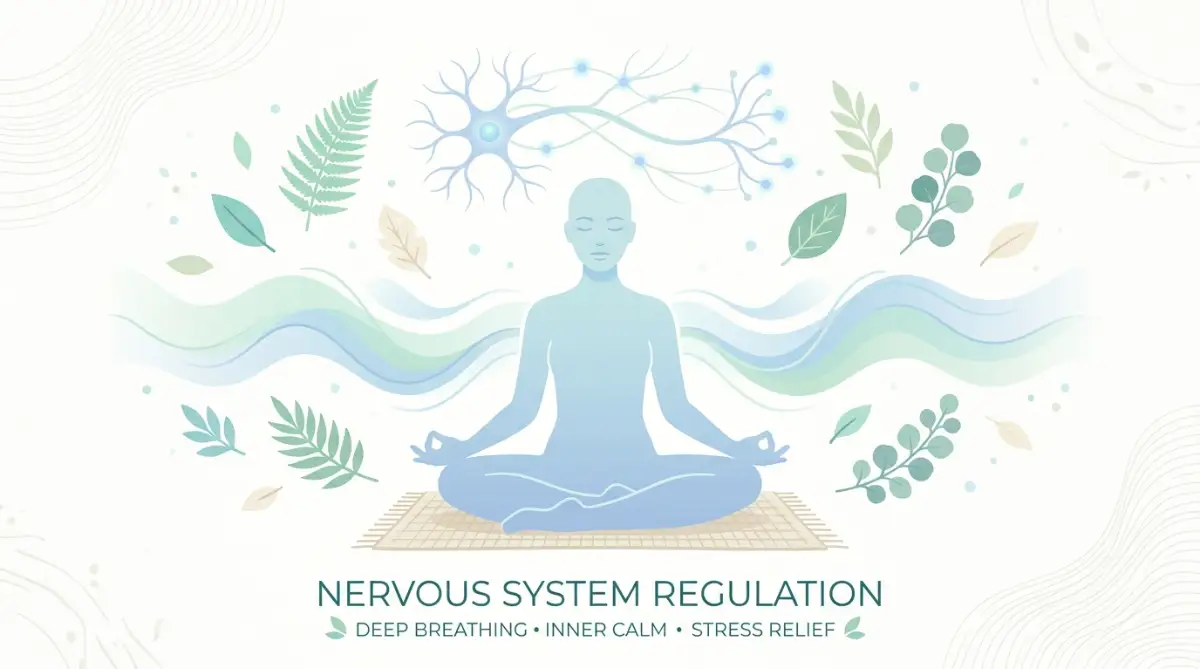
Effective stress management is not about avoiding all life challenges; it is about training your body to return to a calm state after a challenge occurs. Somatic breath work acts as your primary somatic tool, since slow, deep diaphragmatic breathing directly stimulates the vagus nerve and triggers recovery mode.
Physical movement is another powerful mechanism designed to mechanically burn off stress hormones and release endorphins. Cognitive reframing anchors your awareness in the present moment, interrupting negative thought loops before they spiral out of control. To discover structured emotional regulation practices tailored for professional success, read our guide on improving credit scores.
My Personal Pro Tip
Whenever I feel an abrupt wave of panic or mental overload hitting me during a busy workday, I pause everything and use the physiological sigh technique. I take two quick inhales through my nose followed by one long, slow exhale through my mouth, repeating this for just sixty seconds. I have found that this simple habit serves as an immediate emergency brake for my nervous system, instantly clearing mental fog and grounding me back into reality.
Watch this helpful video guide on effective stress reduction strategies and lifestyle changes:
3. Eight Simple Daily Habits to Lower Stress and Build Resilience
Incorporate these evidence-based, simple habits into your daily routine to keep your stress levels under control:
- Practice Box Breathing: Inhale for 4 seconds, hold for 4 seconds, exhale for 4 seconds, and hold empty for 4 seconds to calm your mind.
- Take a Daily Nature Walk: Spending 15 minutes in green spaces lowers cortisol levels and improves overall mood.
- Establish an Evening Screen-Free Curfew: Turn off news feeds and social media at least 60 minutes before bedtime.
- Prioritize Quality Sleep: Getting 7 to 9 hours of rest helps regulate emotional processing centers in the brain.
- Limit Caffeine and Refined Sugar: High intake of stimulants can mimic biological symptoms of anxiety.
- Keep a Gratitude Journal: Spending a few minutes writing down positive aspects rewires your brain away from threat-spotting.
- Connect with Loved Ones: Meaningful social interaction releases oxytocin, which naturally counteracts cortisol.
- Schedule Micro-Breaks: Take a short 2-minute break every hour to stretch and reset your posture.
For more insights on building balanced routines and managing lifestyle changes, explore our resource on choosing home insurance without stress.

4. Common Mistakes and Pitfalls in Stress Management
Many individuals try to combat burnout by adopting overly complex routines that become chores in themselves. Another common pitfall is expecting instant perfection, leading to frustration when old anxiety patterns resurface. True resilience is built through small, consistent, and compassionate adjustments rather than rigid overhauls.
Additionally, ignoring physical symptoms while relying entirely on mental distraction delays true healing. Acknowledging physical tension and addressing it early prevents minor everyday pressures from turning into chronic physical exhaustion.
5. Navigating Chronic Stress and Knowing When to Seek Professional Support
While daily self-care habits are powerful, chronic or severe stress may require professional mental health support. Recognizing when to seek help is a sign of wisdom and strength. Persistent feelings of overwhelm, physical symptoms that won't go away, or emotional detachment indicate that guidance from a licensed therapist can be immensely beneficial.
If you are exploring professional career pathways or looking into administrative health resources, review our helpful guides on AI website builders and affordable education options.
Reflecting on my own wellness path, I want to leave you with this final thought: asking for help and slowing down are never signs of weakness. Whenever you feel like the weight of the world rests entirely on your shoulders, remember to extend grace to yourself, protect your personal boundaries, and take things one breath at a time.
Frequently Asked Questions
What is the fastest way to calm an active stress response?
Controlled breathing techniques, such as box breathing or physiological sighs, stimulate the vagus nerve and signal your nervous system to relax within minutes.
How does sleep deprivation affect anxiety levels?
Lack of adequate rest significantly increases amygdala reactivity in the brain, making you far more sensitive to stress and emotional triggers.
Can physical exercise actually reduce mental stress?
Yes, physical movement helps burn off excess adrenaline and cortisol while simultaneously releasing endorphins that elevate mood.
How long does it take to build stress-reduction habits?
Consistency matters more than intensity; practicing small mindfulness or breathing exercises daily can yield noticeable emotional improvements within a few weeks.
When should professional therapy be considered for stress?
If stress begins interfering with your daily work, relationships, or physical health despite self-care efforts, consulting a licensed mental health professional is recommended.
Disclaimer
The information provided in this article is for educational and informational purposes only and should not be construed as individualized medical or mental health advice. If you are experiencing overwhelming anxiety, depression, or thoughts of self-harm, please contact a healthcare professional immediately or call the 988 Suicide & Crisis Lifeline by dialing 988 for free, confidential support.