Securing Your Digital Wealth with True Self-Custody
I still remember leaving my crypto portfolio sitting on a popular centralized exchange during my first year of investing. One morning, news broke that a competing platform had halted all user withdrawals overnight, trapping millions of dollars of customer capital. I felt a cold wave of panic wash over me. That exact afternoon, I ordered my first hardware cold wallet. Setting up the device, writing down my 24-word recovery seed phrase on paper, and transferring my assets off the exchange felt terrifying at first—but holding that physical hardware device in my hand gave me an unmatched sense of financial ownership and peace of mind.
Entering the cryptocurrency market as a US investor is an exciting financial milestone, but purchasing your first Bitcoin or Ethereum is only half the battle. The most critical decision you will make as a digital asset investor is how and where you store your digital wealth. Leaving your crypto currencies sitting long-term on centralized exchange platforms exposes your capital to exchange hacks, corporate insolvencies, frozen accounts, and unexpected regulatory lockouts.
The golden rule of digital asset security is simple: Not your keys, not your coins. A cryptocurrency wallet does not actually store physical digital coins inside a chip; rather, it securely holds your private keys—the mathematical cryptographic signatures required to access, authorize, and transfer your assets on public blockchain networks.
From beginner-friendly mobile software apps to ultra-secure offline hardware devices, choosing the right storage solution is essential for protecting your investments against online hackers and phishing scams. Let us explore the best crypto wallets for US investors and learn how to set up self-custody security step-by-step!

Hot Wallets vs. Cold Wallets: Understanding the Division
Before selecting a specific software app or physical device, US investors must understand the two fundamental categories of crypto storage:
- Hot Wallets (Software / Mobile / Browser Extensions): Hot wallets are software applications connected to the internet 24/7 (such as Exodus, Trust Wallet, or Phantom). They are free to download, easy to set up on smartphones, and convenient for daily trading, Web3 dApp interaction, and NFT purchases. However, because hot wallets run on internet-connected devices, they carry higher vulnerability to malware and malicious browser extensions.
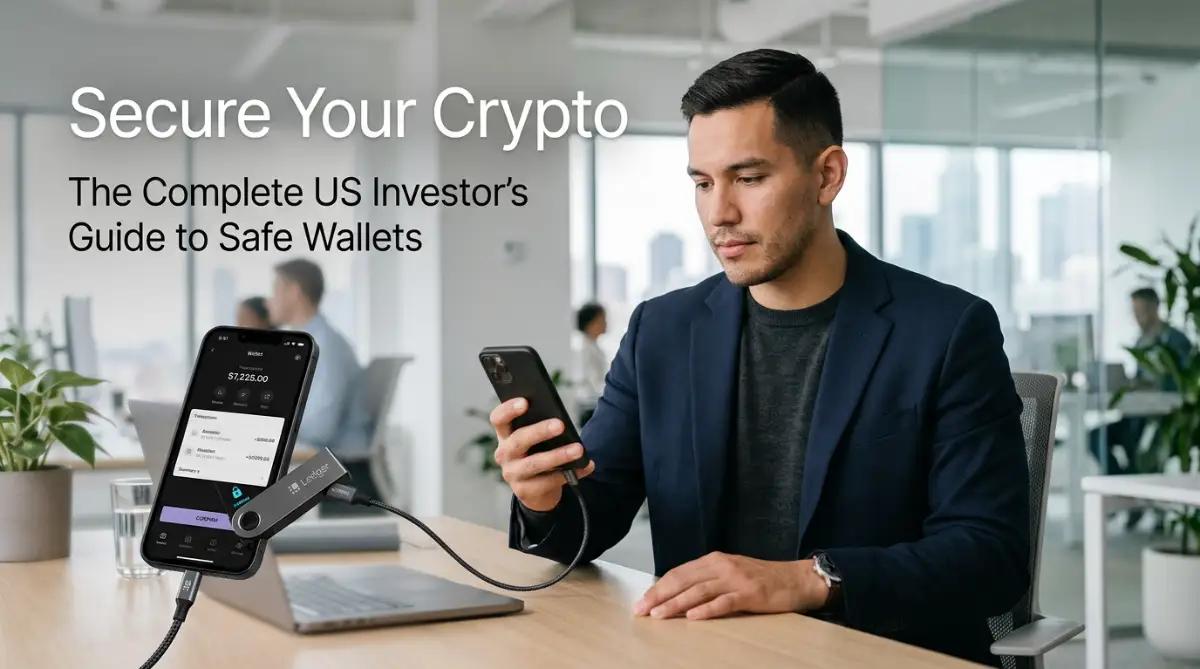
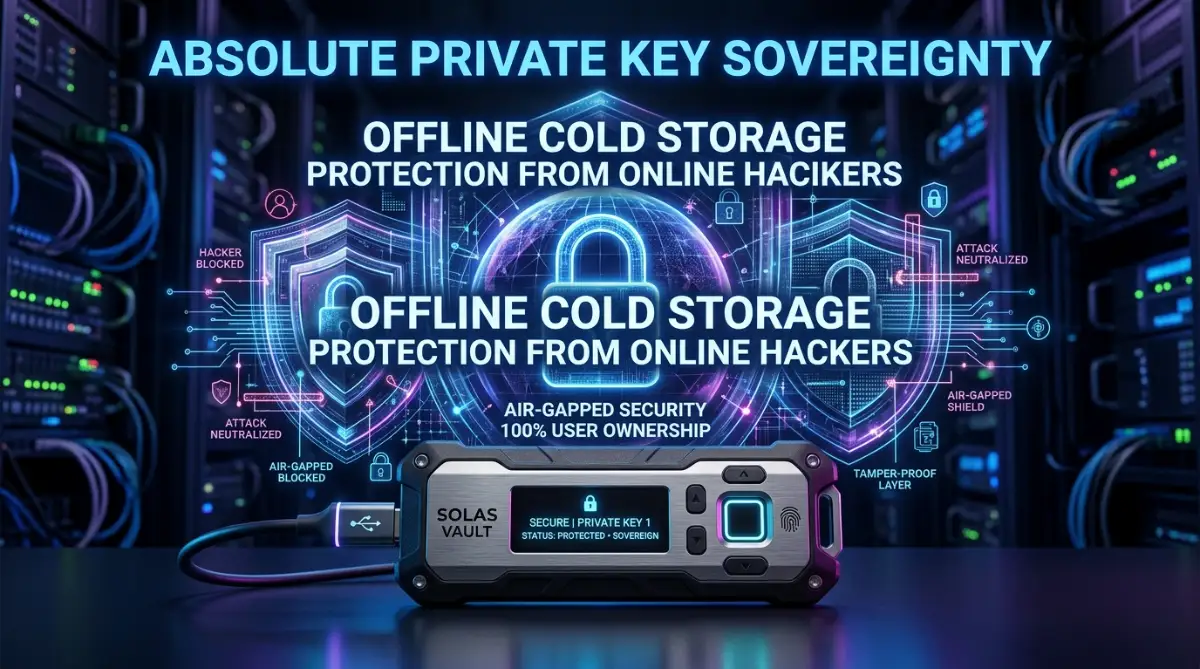
- Cold Wallets (Hardware Devices / Offline Storage): Cold wallets are physical hardware devices (like Trezor, Ledger, or Tangem) that store your private keys completely offline in an isolated, tamper-proof chip environment. When you execute a transaction, the hardware wallet signs the data internally without exposing your private keys to the internet, making cold storage virtually immune to online hackers.
Top 5 Crypto Wallets for US Investors Compared
My Personal Pro Tip
When handling hardware cold wallets, my personal pro tip is to never accept a device whose packaging arrives pre-sealed with a pre-written recovery phrase card. Always initialize a brand-new hardware wallet yourself, generate a fresh seed phrase directly on the physical device screen, and double-check that you are buying strictly from the official manufacturer store.
Visual Insight: Top 5 BEST Crypto Hardware Wallets
Watch this detailed, hands-on review to compare the top 5 crypto hardware cold wallets, explore air-gapped security features, and learn how to back up your seed phrase safely!
Deep Dive: Selecting and Protecting Your Self-Custody Setup
Evaluating hardware and software wallets requires looking closely at how private keys are generated, verified, and backed up. Here is a closer look at the top storage options available for US investors:
1. Trezor Safe 5 / Model One — Best Overall Open-Source Cold Wallet
Trezor is the gold standard for security-focused investors. As a 100% open-source hardware wallet, Trezor's code is audited independently by security researchers worldwide. Featuring offline seed phrase generation, PIN protection, passphrase masking, and the clean Trezor Suite desktop app, it provides maximum cold storage safety.
2. Ledger Nano Gen 5 / Nano X — Best Multi-Asset Hardware Ecosystem
Ledger offers sleek hardware wallets paired with the powerful Ledger Live mobile and desktop application. Ledger devices feature certified Secure Element chips, Bluetooth connectivity for mobile devices, support for thousands of tokens, and native in-app staking yields.
3. Exodus Wallet — Best Beginner Software Hot Wallet
Exodus is the ultimate hot wallet for absolute beginners. Available on desktop and mobile, Exodus features a stunning visual dashboard, one-click staking rewards, built-in token swaps, and seamless native integration with Trezor hardware wallets for easy security upgrades.
4. Coinbase Wallet — Best Mobile Self-Custody App for Web3
Coinbase Wallet is an independent, non-custodial mobile app completely separate from the Coinbase exchange. It allows US users to retain full custody of their private keys while providing a user-friendly Web3 browser for interacting with DeFi protocols, NFTs, and decentralized exchanges.
5. Tangem Wallet — Best Card-Shaped Seedless Hardware Wallet
Tangem revolutionizes cold storage by replacing traditional paper seed phrases with encrypted NFC smart cards. Simply tap the durable, waterproof credit-card-sized device against your smartphone to approve transactions securely in seconds.
When setting up these self-custody systems, managing your broader household financial standing ensures your investments are backed by a solid foundation. Make sure you maintain liquid emergency reserves by following our guidance on federal vs private student loans to manage educational or consumer obligations without straining your monthly cash flow.
Maintaining financial clarity also protects your credit profile against unexpected economic shocks. You can review strategies outlined in our guide on how to improve your credit score to optimize your borrowing capacity. Furthermore, shielding your home and personal properties through dependable planning—such as reading how-to choose your first home insurance policy—ensures overall household stability.
Common Mistakes and Pitfalls to Avoid
Self-custody offers incredible financial sovereignty, but it also places 100% of the security responsibility onto you. Avoid these dangerous mistakes:
- Saving Digital Seed Photos: Taking a screenshot or digital photograph of your recovery seed phrase and storing it in cloud drives, email drafts, or phone photo albums makes it instantly vulnerable to online malware.
- Buying Used Hardware Wallets: Purchasing hardware devices from unauthorized third-party resellers on auction sites can result in receiving compromised devices with pre-set recovery keys.
- Skipping Small Test Transfers: Moving your entire life savings to a new wallet address on the first attempt without verifying receipt via a small $10 test transaction risks permanent loss due to copy-paste errors or network mismatches.
- Falling for Support Phishing Scams: Sharing your recovery phrase with anyone online claiming to be official wallet customer support will lead to immediate theft of your funds.
Maintaining balanced financial habits across digital assets and everyday life is key to long-term success. For those expanding into digital ventures or small side businesses while managing their wealth, utilizing resources on easy ai website builders for small businesses or exploring options like best community colleges in the usa for affordable education can support ongoing professional and financial growth safely.
Reclaiming True Financial Sovereignty
At the end of the day, securing your digital assets in a self-custody wallet isn't just about technical safety—it is an act of personal freedom. When you hold your private keys, you take full responsibility for your financial future. You build an unshakeable wall around your hard-earned wealth, ensuring that your family's assets remain secure, private, and accessible whenever you need them.
Reflecting on my own transition from risky exchange accounts to secure hardware cold storage, I encourage you to take your time, practice proper seed phrase backups, and embrace the peace of mind that comes with true self-custody.
Crypto Wallet Do's and Don'ts
Frequently Asked Questions
What is the safest type of crypto wallet for US investors?
Hardware cold wallets (such as Trezor and Ledger) are the safest storage choice because they keep your private keys offline and isolated from internet-connected malware.
What happens if I lose my hardware crypto wallet?
If your physical hardware device is lost or broken, you can completely recover your funds on a new device using your secret 12, 18, or 24-word recovery seed phrase.
Should I store my crypto seed phrase online?
No, you should never store your recovery seed phrase digitally in cloud storage, phone notes, or photos. It must be recorded exclusively on physical paper or steel.
What is the difference between a hot wallet and a cold wallet?
Hot wallets are software apps connected to the internet for convenient daily trading, while cold wallets are offline physical hardware devices built for maximum security.
Can an exchange freeze funds held in a self-custody wallet?
No, centralized exchanges have zero control over self-custody wallets because you hold the private keys and direct ownership of the underlying blockchain addresses.
Disclaimer: This article is published exclusively for educational and informational purposes. It does not constitute formal financial, tax, or cyber security advice. Digital asset storage and self-custody carry inherent technical responsibilities. Losing your recovery seed phrase means permanent loss of access to your digital assets. Always follow official hardware manufacturer security guidelines.