
Easy Ways to Cut Your Home Insurance Bill and Stay Protected
Every single year, millions of homeowners face a familiar, deeply stressful moment of financial shock. You open your annual home insurance renewal statement, quietly hoping for a stable rate, only to see a massive price increase staring right back at you. You have never filed a claim, you keep your roof in perfect condition, and you pay your bills on time, yet your annual premium continues to climb relentlessly.
You desperately want to find simple, reliable ways to reduce this monthly bill, but the thought of lowering your coverage limits leaves you feeling terrified. You worry that if a sudden windstorm, fire, or pipe burst occurs, you will be left without enough financial protection to rebuild your life and home.
When looking for a way to lower their insurance costs safely, homeowners often run into a wall of confusion and bad advice. The commercial insurance market is engineered to keep you paying top dollar for basic peace of mind. But taking control of your policy structure and claiming hidden discounts allows you to slash your annual bill while keeping your home 100% secure.
I still vividly remember opening my home insurance renewal statement last spring and seeing a $620 sudden annual price hike. I called my insurer immediately, assuming there was an error since I hadn't filed a single claim in seven years. The agent politely informed me that regional storm damage and material inflation had triggered statewide rate increases. Feeling helpless and frustrated, I decided to stop accepting automatic rate hikes and spend an afternoon auditing my policy. That decision saved me over $750 the very next week, and I want to share how you can achieve those same savings.
Why Lowering Your Home Insurance Costs Feels So Difficult
Homeowners struggle to find honest ways to trim insurance costs, not due to a lack of diligence, but because the industry is saturated with misleading advice and structural hurdles:
- Confusing Policy Disclosures: Insurance documents are written in dry, dense legalese that makes it hard to understand which coverages you can safely adjust and which must remain untouched.
- The Low-Coverage Trap: Shady brokers often push you to drop vital safety protections—like water backup or flood riders—just to show you a cheaper monthly quote.
- Biased Comparison Sites: Many online finance portals only recommend insurance companies that pay them high affiliate referral fees, rather than sharing objective ways to save.
- Hidden Discount Opportunities: Insurance companies rarely advertise their available discounts, leaving policyholders to discover and request them on their own.
The Emotional and Psychological Toll of Unchecked Premium Hikes
Living with escalating home protection costs erodes your confidence as a homeowner, turning your largest physical asset into a source of daily worry:
Constant premium anxiety—worrying about whether you can afford rising home insurance alongside increasing utility and grocery bills—is physically exhausting. Furthermore, feeling forced to pay whatever price your current insurer demands creates a deep sense of helplessness and loss of financial control.
The hardest part of dealing with rising insurance premiums isn't just writing the bigger check—it's the feeling that your home is holding your household budget hostage. It's cutting back on family weekend trips or delaying basic home maintenance just to cover an inflated renewal statement. But once you learn how to claim safety credits and structure deductibles strategically, you take back complete control over your home's financial future.
Visual Insight: Homeowners Insurance Explained for Beginners
Watch this clear financial literacy guide from Easy Peasy Finance to understand how homeowners insurance works, core coverage pillars, and smart ways to lower your costs!
A Practical Blueprint to Cut Your Bill Safely
Reducing your annual home insurance bill does not mean you have to compromise your family's safety. Focus on these four proven structural adjustments:
Step 1: Maximize Home Security and Safety Discounts
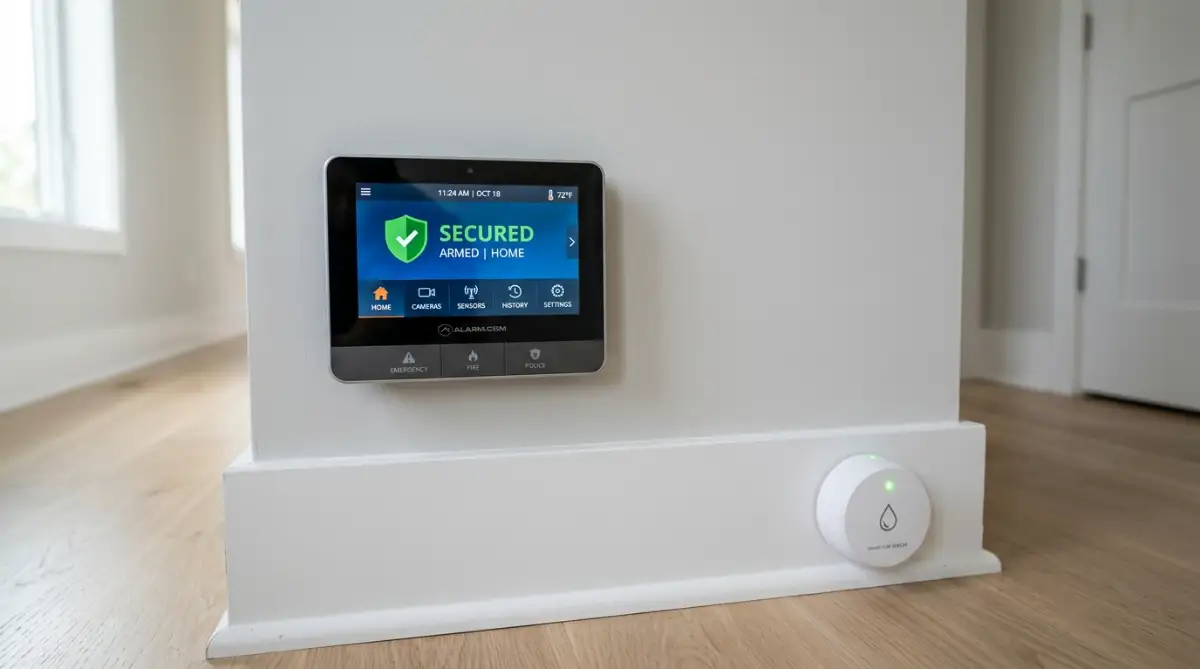
Insurers calculate premiums based on risk probability. Installing smart smoke detectors, deadbolt locks, and professionally monitored alarm systems triggers automatic premium discounts of up to 15%. Adding smart water leak shutoff sensors yields even larger credits!
Step 2: Leverage Multi-Policy Bundling
Purchasing your homeowners and auto insurance from the exact same provider unlocks instant multi-policy bundling discounts of 15% to 25% across both accounts. In many cases, car insurance savings completely offset a chunk of your home insurance cost.
Step 3: Audit Rebuilding Cost vs. Market Value
Insuring your house for its real estate market value wastes money because market value includes land value! Land cannot burn down or get stolen. Adjust your dwelling limit to match actual local physical reconstruction costs (materials + contractor labor). For more insights on asset management, explore our advice on comprehensive property protection strategies.
Step 4: Request a Wind Mitigation Inspection
If you live in a storm-prone region, order a professional wind mitigation inspection. Verifying that your roof features hurricane clips, modern shingle underlayment, and impact-resistant materials can trigger massive state-mandated discounts of up to 30%!
Advanced Premium Optimization: The Break-Even Math
To evaluate whether raising your deductible makes financial sense, perform a simple Break-Even Calculation:
Low Deductible Plan: $1,000 Deductible | Premium: $1,200/year
High Deductible Plan: $2,500 Deductible | Premium: $900/year
Annual Premium Savings: $300 | Extra Out-of-Pocket Risk: $1,500
Break-Even Math: $1,500 Risk ÷ $300 Annual Savings = 5 Years
If you remain claim-free for five years, your accumulated premium savings completely cover your extra out-of-pocket risk. Every year after year five is pure savings!
My Personal Pro Tip: When I adjusted my deductible from $1,000 to $2,500, I immediately transferred the $1,500 difference into a separate high-yield savings bucket. This kept my financial risk fully covered while securing my annual premium discount without exposing my family to unexpected debt.
However, never raise your deductible unless you maintain liquid cash in reserve. Read our comprehensive guide on improving your financial footing and credit health to establish a cash shield before increasing deductible limits.
If you are managing other forms of personal debt or alternative expenses, reviewing smart borrowing and repayment frameworks will help you protect your total net worth.

Severe Premium Traps That Can Drain Your Savings
Protect your household budget from these dangerous policy traps:
The Cumulative Deductible Illusion: Property deductibles apply per claim incident, NOT per calendar year! Three storm claims in a single season require paying three full deductibles.
Filing Small Claims Near Deductibles: Filing a $1,200 claim with a $1,000 deductible nets you $200 from your insurer but triggers multi-year rate surcharges that cost thousands overall.
Because credit-based insurance scores heavily influence premiums, paying down high credit card balances directly lowers your home insurance bills! Studying smart management tools and digital efficiency tactics allows you to streamline administrative tasks and improve your financial profile.
Furthermore, taking out high-interest credit lines to pay for home repairs during emergency claim delays can trigger severe financial stress. Review standard personal loan mistakes you must avoid before taking on repair debt, and make sure you understand what happens if you miss an EMI payment to protect your credit health during unexpected home repair periods.
Reclaiming Freedom and Family Peace
At the end of the day, your home should be a place of relaxation, warmth, and family joy—not a constant trigger for financial anxiety. When you take charge of your policy, claim all available safety discounts, and maintain proper replacement cost coverage, you take total control of your household security. You can relax, celebrate milestones, and sleep soundly knowing your sanctuary is 100% safe.
I feel a profound sense of peace knowing my home is well-protected without overpaying on bills, and I want you to experience that exact same financial freedom in your own life.
Quick Guide: Policy Deductible Do's and Don'ts
Helpful Q&A for Policyholders
What is the most common deductible for standard homes?
A flat $1,000 deductible is the most popular choice for standard single-family homes, offering a healthy balance between affordable monthly premiums and manageable out-of-pocket risk.
Does raising my deductible always guarantee lower premiums?
Yes! Raising your deductible will always reduce your premium, though savings vary based on regional storm risks and your home's age.
How do smart security systems lower my insurance bill?
Insurers offer discounts because monitored security and water shutoff systems drastically lower the probability of catastrophic fire or indoor flooding losses.
What is a wind mitigation inspection?
It is a certified inspection that checks your roof's construction features to see how well it withstands high winds, qualifying you for major insurance discounts in coastal or storm-prone states.
Can I change my home insurance deductible at any time?
Yes, you can request a deductible change mid-term or at policy renewal, though changes made mid-term may require carrier underwriting approval.
Disclaimer: This article is published exclusively for educational and informational purposes. It does not constitute professional insurance, legal, or financial underwriting advice. Property insurance regulations and policy terms vary by state and carrier. Always consult with a licensed independent insurance agent or certified financial advisor prior to making changes to your coverage.