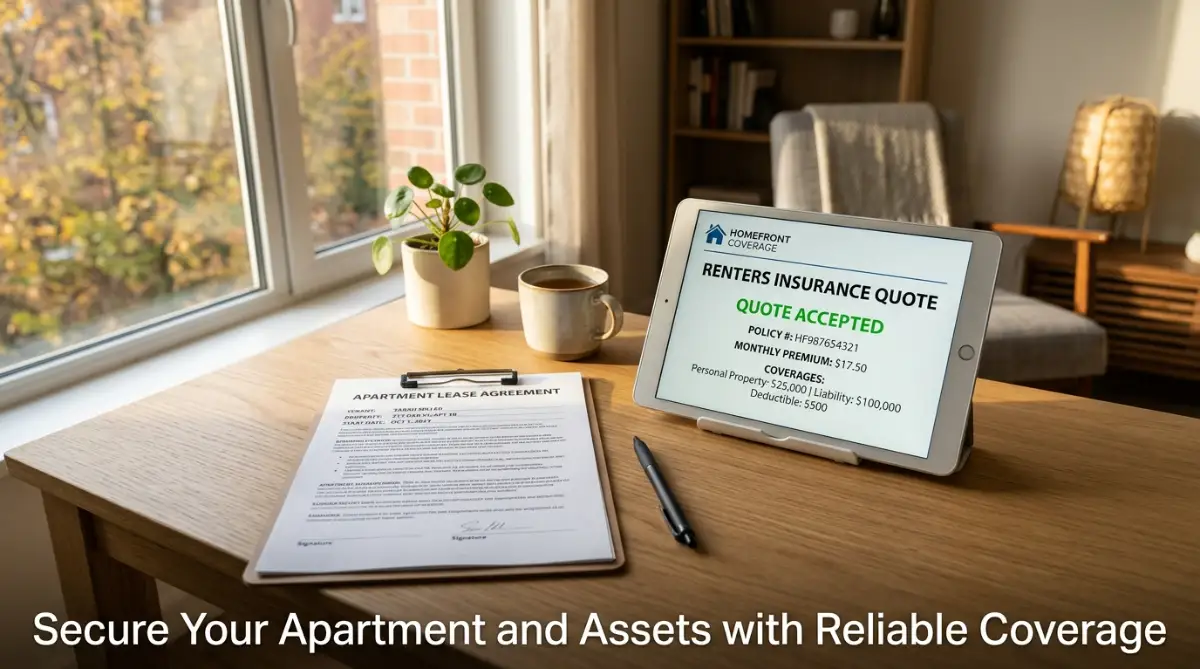
Simple Ways to Find Cheap and Reliable Renters Insurance
Moving into a new apartment or leased home is one of the most refreshing milestones in adult life. Whether you are settling into a cozy studio, renting a townhome with friends, or leasing a house, filling your living space with personal furniture, artwork, clothing, and electronics transforms those physical walls into your sanctuary. It is where you unwind after long workdays, host friends, and build your life.
However, millions of renters live under a dangerous, expensive financial misconception. They mistakenly assume that if an upstairs neighbor's plumbing leaks, a kitchen fire breaks out, or a burglar breaks through a window, their landlord's property insurance policy will automatically pay to replace their personal belongings. In reality, a landlord's insurance policy covers strictly the physical building structure—it pays zero dollars for your laptop, furniture, clothing, or television!
Without dedicated renters insurance, a single unexpected apartment disaster can wipe out your personal net worth in minutes. The good news is that securing reliable, cheap renters insurance is remarkably simple and costs less than the price of a couple of coffees each month. Let us explore the easiest ways to shop for affordable coverage and protect your personal space with total confidence.
I still remember coming home from work during my second year of renting, opening my front door, and seeing water dripping steadily from my living room ceiling light fixture. A pipe in the unit above had burst, soaking my couch, rug, and work laptop. When I called my building manager, he bluntly informed me, "Our master policy fixes the dry ceiling, but your personal stuff isn't covered." Standing in water holding a ruined laptop was a painful wake-up call. The very next morning, I purchased a $14 monthly renters policy, promising myself I would never leave my hard-earned possessions unprotected again, and I want to help you secure that same safety net today.
Why Finding Cheap and Reliable Coverage Feels Confusing
Despite being one of the most affordable financial safety nets in existence, many tenants hesitate to buy renters insurance due to common industry roadblocks:
- The Landlord Insurance Illusion: Property managers rarely explain that building insurance excludes tenant property, leaving renters falsely assuming they are protected under their lease agreement.
- Roommate Policy Misunderstandings: Tenants often assume a single renters policy automatically covers everyone living in the apartment, leading to denied claims when an unlisted roommate's gear is stolen.
- Valuation Type Confusion: Many renters don't know the difference between Actual Cash Value (ACV) and Replacement Cost Value (RCV), unknowingly choosing cheap policies that pay pennies on the dollar for damaged belongings.
- Redundant Device Warranties: People spend hundreds of dollars annually on individual store protection plans for smartphones and laptops, unaware that a standard $15/month renters policy covers ALL personal devices simultaneously!
The Emotional Toll of Unprotected Rental Living
Living without a dedicated renters policy creates an underlying background noise of financial vulnerability that drains your peace of mind:
Vacation and travel anxiety—leaving your apartment empty during holidays or business trips—triggers constant worry about burglaries, electrical fires, or sudden water leaks. Furthermore, the fear of personal liability (worrying that a visitor slipping on a rug or a pet nip will lead to thousands of dollars in medical bills and personal lawsuits) adds immense stress.
The true value of renters insurance isn't just getting a settlement check after a fire—it's the everyday feeling of security inside your home. It's locking your front door before leaving for a weekend trip and knowing that even if a pipe bursts or a break-in occurs, your clothes, electronics, and furniture can be replaced without touching your life savings. For the price of a lunch meal once a month, renters insurance buys complete financial freedom in your living space.

Visual Insight: Is Renters Insurance Really Worth It?
Watch this clear and practical video guide from Clever Girl Finance to learn what renters insurance covers, why it is essential for apartment living, and how to pick the cheapest policy for your budget!
The 3 Core Pillars of Renters Insurance
A standard HO-4 renters insurance policy provides three distinct protective shields:
1. Personal Property Protection (Coverage C)
Personal property coverage reimburses the cost of repairing or replacing your belongings—including furniture, clothes, TVs, laptops, bicycles, and kitchen items—if destroyed or damaged by covered perils like fire, smoke, windstorms, or theft.
Bonus Protection: High-quality policies include off-premises coverage, protecting your possessions even when outside your home, such as in your car trunk or hotel room! If you want to dive deeper into securing your broader assets, check out our guide on comprehensive property protection strategies.
2. Personal Liability Coverage (Coverage E)
Liability protection acts as your legal shield if you accidentally cause property damage or bodily injury to others. For instance, if an accidental kitchen grease fire damages the adjacent apartment unit, liability coverage pays for their structural repairs and your legal defense fees, preventing personal bankruptcy.
3. Loss of Use / Additional Living Expenses (Coverage D)
If major storm or fire damage makes your rental unlivable during repairs, loss of use coverage pays for temporary hotel stays, short-term apartment rentals, meal price differences, and moving storage fees.
Easy Ways to Slash Your Renters Insurance Bill
Getting cheap and reliable renters insurance is entirely doable when you apply these proven savings tactics:
1. Bundle Auto and Renters Policies
If you own a car, buy your renters insurance from your auto insurance company. Multi-policy bundling discounts save 15% to 20% across both policies, effectively making your renters insurance almost free!
2. Demand Replacement Cost Value (RCV) Over ACV
Actual Cash Value (ACV) deducts depreciation for age, paying you pennies on the dollar for older items. Replacement Cost Value (RCV) pays the full market price to buy brand-new equivalent items today. Choosing RCV adds only $1 to $2 a month to your bill but dramatically improves claim payouts.
3. Choose a Strategic Flat Deductible
Raising your deductible from $250 to $500 or $1,000 lowers your monthly premium significantly. Choose a deductible amount that matches your liquid savings reserves so you can pay it comfortably during a claim.
My Personal Pro Tip: When I set up my renters policy, I selected a $500 deductible rather than the minimum $250. That single change lowered my annual quote enough to pay for my coverage add-ons, and I always keep that $500 securely saved in my emergency account just in case.
To safely maintain cash reserves for your policy deductible without relying on high-interest credit cards, focus on building a solid emergency fund fast in a dedicated high-yield savings account. If you are handling student obligations or loans alongside rent, reviewing smart borrowing and repayment options will protect your cash flow health.
 Roommate Rules and Mandatory Police Reports
Avoid these two common operational traps that cause immediate claim rejections:
1. The Roommate Laptop Trap: Standard policies strictly cover the specific named policyholder listed on the policy contract. Your policy will NOT cover your roommate's stolen laptop or bedroom furniture! Roommates must either be officially added as an additional insured or purchase their own individual policy.
2. The Mandatory Police Report Rule: If your apartment is burglarized or your bicycle is stolen, contact local police immediately. Insurers automatically deny theft claims that lack an official Police Report Number as legal proof of the crime.
Managing Financial Health and Debt Alignment
Protect your household budget by avoiding dangerous financial moves during property emergencies:
Because insurers evaluate credit-based insurance scores in most states, paying down high credit card balances directly lowers your insurance rates. Reviewing our expert tips on improving your credit score quickly allows you to streamline credit balances and improve your insurance pricing tier.
Furthermore, taking out rushed personal loans to replace stolen gear without checking interest rates triggers severe financial stress. Review standard personal loan mistakes you must avoid before taking on debt, and ensure you know what happens if you miss a personal loan payment to protect your credit health during unexpected financial challenges.
Reclaiming Freedom in Your Rental Life
At the end of the day, renting an apartment should be a time of flexibility, career growth, and personal freedom—not a source of hidden financial anxiety. When you take fifteen minutes to set up proper replacement cost coverage, conduct a video walkthrough of your apartment, and bundle with your car policy, you erect a solid wall around your personal life. You can travel freely, enjoy your space, and sleep soundly knowing your sanctuary is 100% protected.
I feel a great sense of peace knowing my personal life is fully backed by reliable insurance, and I hope these tips empower you to secure your home with absolute confidence.
Quick Guide: Renters Insurance Do's and Don'ts
Helpful Q&A for Apartment Tenants
How much does cheap renters insurance typically cost per month?
Standard renters insurance policies cost between $12 and $20 per month across most states, providing $20,000 to $30,000 in personal property protection and $100,000 in liability coverage.
Does my policy protect items stolen from my car?
Yes! Most renters policies include "off-premises coverage," protecting personal items from theft even when outside your apartment, such as in your vehicle or hotel room.
Does renters insurance pay for a hotel if my apartment floods?
Yes, the Loss of Use (Additional Living Expenses) coverage pays for temporary hotel lodging, restaurant meals, and storage fees if your rental unit becomes temporarily uninhabitable due to a covered disaster.
Are my roommates automatically covered under my renters policy?
No, standard renters policies only cover the named policyholder. Roommates must either be explicitly listed as additional insured parties or maintain their own separate policies.
What is the difference between RCV and ACV coverage?
Replacement Cost Value (RCV) pays what it costs to buy a brand-new item today, whereas Actual Cash Value (ACV) subtracts depreciation for age and wear, giving you a much smaller payout.
Disclaimer: This article is published exclusively for educational and informational purposes. It does not constitute professional insurance, legal, or financial underwriting advice. Property insurance regulations and coverage rules vary by state and carrier. Always consult with a licensed independent insurance agent or certified financial advisor prior to purchasing or modifying renters insurance coverage.