
Transforming Your Energy Through Restorative Sleep
In my journey through managing heavy professional workloads and everyday responsibilities, I used to believe that sacrificing sleep was a necessary badge of honor for success. Whenever projects piled up, I would routinely shave hours off my rest, relying on caffeine and sheer willpower to push through exhaustion. This relentless habit eventually caught up with me when I experienced severe brain fog, persistent irritability, and a dramatic drop in my daily focus. I felt trapped in a exhausting cycle where my physical vitality and mental clarity were constantly compromised. Realizing that my long-term health was slipping away, I knew I had to make a fundamental change in my nightly routine. I began adopting proper sleep hygiene and nervous system winding-down habits that completely turned my physical and mental well-being around. Now, I want to share those exact lessons with you so you can reclaim your natural vitality.
In our hyper-connected, fast-paced society, sleep is frequently treated as an optional luxury rather than a fundamental biological necessity. Millions of adults operate under the mistaken belief that working through the night helps them get ahead. We live in a culture that glorifies the hustle mentality, where lack of rest is worn like a trophy. However, biomedical science paints a dramatically different picture: chronic sleep debt is a direct catalyst for severe physical, metabolic, and cognitive breakdown.
Sleep is the non-negotiable third pillar of human health, standing equal alongside balanced nutrition and regular physical activity. According to public health data, a large percentage of adults regularly fail to get the recommended 7 to 9 hours of quality rest per night. Prolonged sleep deprivation increases the risk of heart disease, metabolic imbalance, weakened immunity, and cognitive decline. The good news is that high-quality sleep is a trainable skill. By optimizing your daily habits and environment, you can unlock deep restoration that transforms your energy and lifelong health.
1. The Physiology of Sleep: What Happens in Your Body at Night
Sleep is not a passive state of biological inactivity; it is an active, highly orchestrated physiological process during which your brain and body perform critical repair work.
During deep NREM sleep, the brain's specialized waste removal system—the glymphatic system—becomes significantly more active than during waking hours. Cerebrospinal fluid washes through brain tissue, clearing metabolic waste products including beta-amyloid proteins. To analyze broader healthcare spending metrics and preventative wellness benefits, explore our comprehensive analysis on federal vs private student loans.
Sleep also plays a central role in endocrine health and metabolic regulation. Just a few nights of sleep restriction alters insulin sensitivity and disrupts hunger hormones, leading to cravings for refined carbohydrates. For financial and health management support strategies, read our guide on improving your credit score.
2. The Four Pillars of Unshakeable Sleep Hygiene
Optimizing your sleep requires aligning your daily choices with your body's natural 24-hour internal biological clock, known as the circadian rhythm. Consistency is key to reinforcing your internal master clock.
Environmental light management is equally important, as morning sunlight exposure sets your melatonin timer while blue light exposure late at night disrupts it. For affordable education options and wellness training, visit our resource on best community colleges for affordable education.
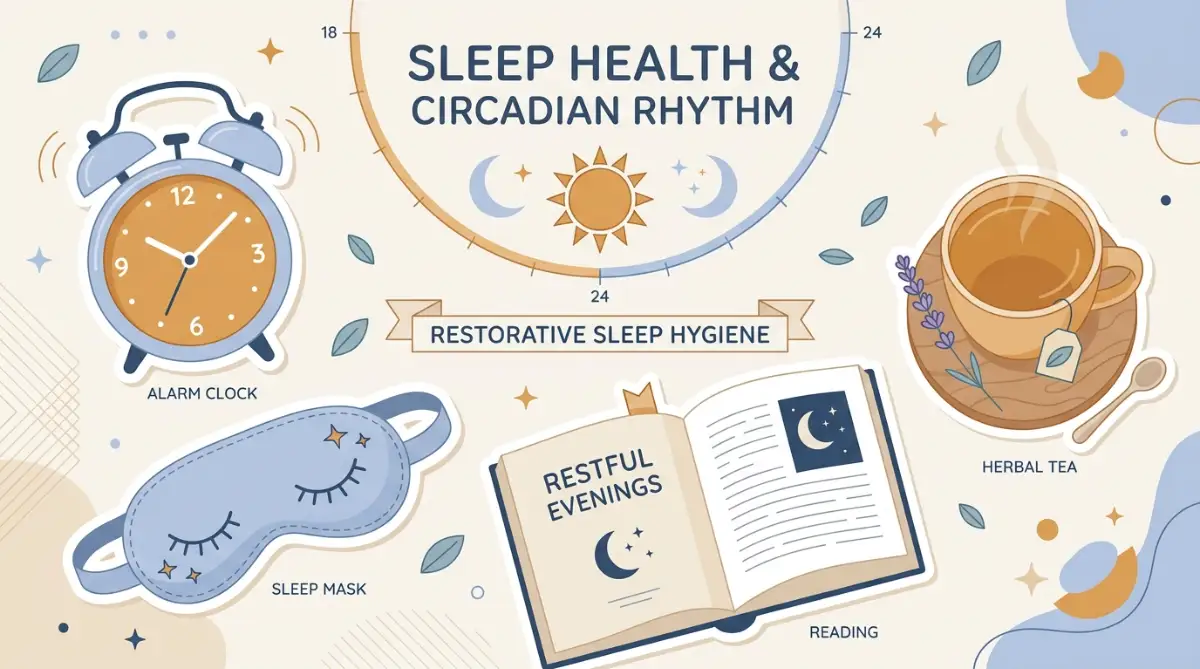
My Personal Pro Tip
Whenever I find myself struggling to wind down at night, I strictly enforce a zero-screen rule and use a 10-minute progressive muscle relaxation routine in dim lighting. I have found that consciously releasing tension from my toes up to my jaw serves as an instant trigger for my nervous system to switch into deep rest mode. This simple boundary completely eliminated my late-night restlessness.
Watch this informative video breakdown covering expert tips on optimizing your rest and lifestyle medicine strategies:
3. Seven Actionable Habits to Transform Your Nightly Rest
Incorporate these evidence-based micro-habits into your routine to upgrade your sleep quality:
- Get Morning Sunlight: Step outside within 30 minutes of waking up to anchor your internal clock.
- Cut Off Caffeine Early: Avoid coffee and energy drinks after 12:00 PM to ensure stimulants clear your system by bedtime.
- Implement the 20-Minute Rule: If you cannot fall asleep within 20 minutes, get out of bed and do a quiet activity until drowsy.
- Establish a Wind-Down Routine: Create a 30-minute buffer of reading or stretching before getting into bed.
- Exercise Regularly: Physical activity deepens sleep, provided intense workouts finish at least 3 hours before bed.
- Manage Nighttime Fluids: Limit large fluid intake close to bedtime to prevent waking up during the night.
- Reserve Bed for Sleep Only: Never work or watch television in bed so your brain forms a strong sleep association.
To learn more about organizing your daily living environment without added worry, check out our guide on choosing home insurance without stress.
4. Common Mistakes and Pitfalls in Sleep Routines
A frequent mistake people make is trying to radically change their sleep schedule overnight rather than adjusting it in gradual 15-minute increments. Another pitfall is relying on weekend "sleep catch-up" sessions, which actually disrupts circadian stability and causes social jet lag.
Furthermore, consuming alcohol right before bed under the assumption that it helps relaxation is a major trap. While alcohol causes initial drowsiness, it fragments sleep architecture and ruins recovery quality during the second half of the night.

5. Identifying Clinical Sleep Disorders and Final Thoughts
While behavioral sleep hygiene fixes most rest issues, persistent fatigue despite spending 8 hours in bed may indicate a clinical condition like sleep apnea or chronic insomnia requiring professional evaluation.
To learn how to streamline digital tools for personal health tracking, review our insights on easy AI website builders.
Reflecting on my own wellness journey, I want to leave you with this final thought: protecting your rest is not a sign of laziness, but the ultimate act of self-care. Whenever life feels overwhelming, remember to honor your body's need for recovery, guard your nighttime boundaries, and step confidently into a healthier future!
Frequently Asked Questions
How many hours of sleep do adults actually need?
Most adults require between 7 to 9 hours of quality, uninterrupted rest per night for optimal physical and cognitive function.
Why does blue light disrupt sleep?
Artificial blue light from screens suppresses the brain's production of melatonin, the primary hormone responsible for inducing drowsiness.
Is napping during the day beneficial?
Short power naps of 15 to 20 minutes can boost alertness, but long afternoon naps can interfere with your ability to fall asleep at night.
How does caffeine affect nighttime rest?
Caffeine has a long half-life, meaning even afternoon cups of coffee can linger in your system and block deep sleep stages.
What should I do if I wake up in the middle of the night?
If you cannot fall back asleep within 20 minutes, get out of bed into dim light and read a book until you feel sleepy again.
Disclaimer
The information provided in this article is for educational purposes only and should not be construed as medical advice. If you suffer from chronic sleep disturbances or suspect a sleep disorder, consult a qualified physician or sleep specialist.