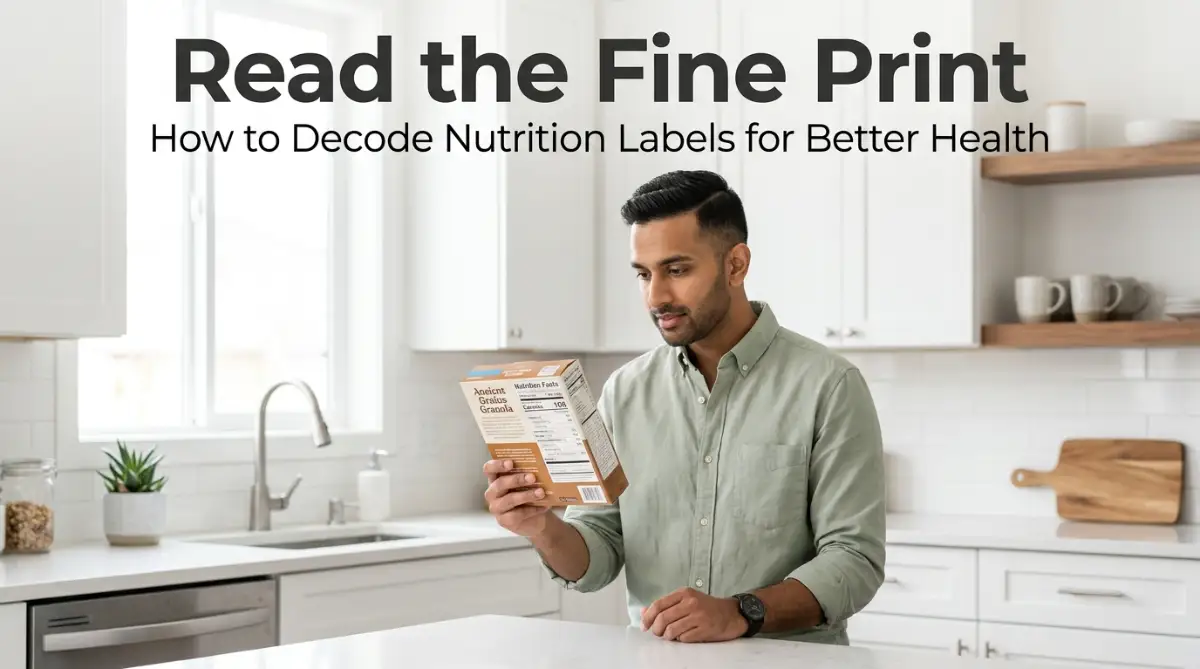
Breaking Free From Fad Diets and Restrictive Eating
In my journey through managing heavy professional workloads and everyday responsibilities, I used to fall straight into the trap of aggressive, short-term fad diets every single January. Whenever I felt sluggish, I would instantly purge my kitchen, buy expensive meal replacements, and commit to severely restrictive eating plans that left me miserable. This exhausting cycle always backfired, leading straight to intense food cravings, evening binge episodes, and a deep sense of personal failure. I felt trapped in an endless loop where food controlled my thoughts and my energy levels plummeted. Realizing that my physical health and mental peace were severely compromised, I knew I had to make a fundamental change in my mindset. I stopped looking for quick fixes and began building small, sustainable daily eating habits that honored my body instead of punishing it. Now, I want to share those exact lessons with you so you can transform your relationship with food.
Every year, millions of people embark on ambitious dietary transformations driven by New Year's resolutions or sudden health wake-up calls. They buy specialized meal supplements and commit to aggressive, highly restrictive meal plans. Yet, behavioral health studies show that nearly 95% of traditional fad diets fail within six months to a year. Most individuals end up regaining all the weight they lost while suffering from increased food anxiety and metabolic disruption.
The fundamental flaw of the modern dieting industry is its reliance on extreme restriction and temporary rules. True health and long-term metabolic vitality are not achieved through short-term diets; they are built through sustainable, daily eating habits that fit seamlessly into your lifestyle. Sustainable nutrition is about mastering small, consistent micro-habits that nourish your body for decades. In this comprehensive guide, we explore the psychology of dietary change and share practical strategies to help you build healthy eating habits that last.
1. The Psychology of Nutrition: Why Diets Fail and Habits Succeed
To break free from short-lived diets, you must understand the psychological and biological mechanisms that govern human eating behaviors. When you abruptly slash calories or eliminate entire food groups, your body perceives a state of famine.
This triggers powerful biological survival mechanisms:
- Hormonal Imbalance: Your stomach increases production of ghrelin while decreasing leptin, causing intense, constant food cravings.
- Metabolic Adaptation: Your basal metabolic rate slows down as your body conserves energy, making further weight loss difficult.
- The "What-the-Hell" Effect: Strict rules create cognitive rigidity, leading to complete plan abandonment after a single slip-up.
Building long-term eating habits, by contrast, relies on neuroplasticity and small-step behavioral modification. By introducing subtle, manageable dietary improvements over time, you bypass your brain's fear response. To examine broader healthcare spending metrics and preventative wellness benefits, read our comprehensive analysis on federal vs private student loans.
2. The Four Pillars of Sustainable Nourishment
A lifelong healthy relationship with food is grounded in four foundational nutrition principles rather than complex calorie equations. Understanding these pillars helps you focus on addition rather than restriction.
Instead of stressing about what foods to eliminate, focus on crowding out junk food by actively adding nutrient-dense whole foods. When you fill your plate with fresh greens, berries, legumes, and lean proteins, you naturally feel fuller for longer. To learn more about organizing your daily living environment without stress, check out our guide on choosing home insurance without stress.
My Personal Pro Tip
Whenever I feel an afternoon sugar crash creeping up on me during a busy workday, I pause and drink a full glass of cold water mixed with a pinch of sea salt, followed by a handful of raw almonds. I have found that this simple habit instantly quenches phantom sugar cravings and stabilizes my focus without needing any sugary snacks. Protecting your daily energy starts with simple pantry swaps.
Watch this insightful medical video breakdown featuring board-certified physicians discussing sustainable nutrition and lifestyle medicine:
3. Seven Actionable Micro-Habits for Lasting Nutrition
Transforming your diet does not happen overnight. Incorporate these seven actionable habits into your daily routine one by one:
- Start Your Day with Protein and Fiber: Swap sugary pastries for a high-protein breakfast like eggs or Greek yogurt topped with chia seeds.
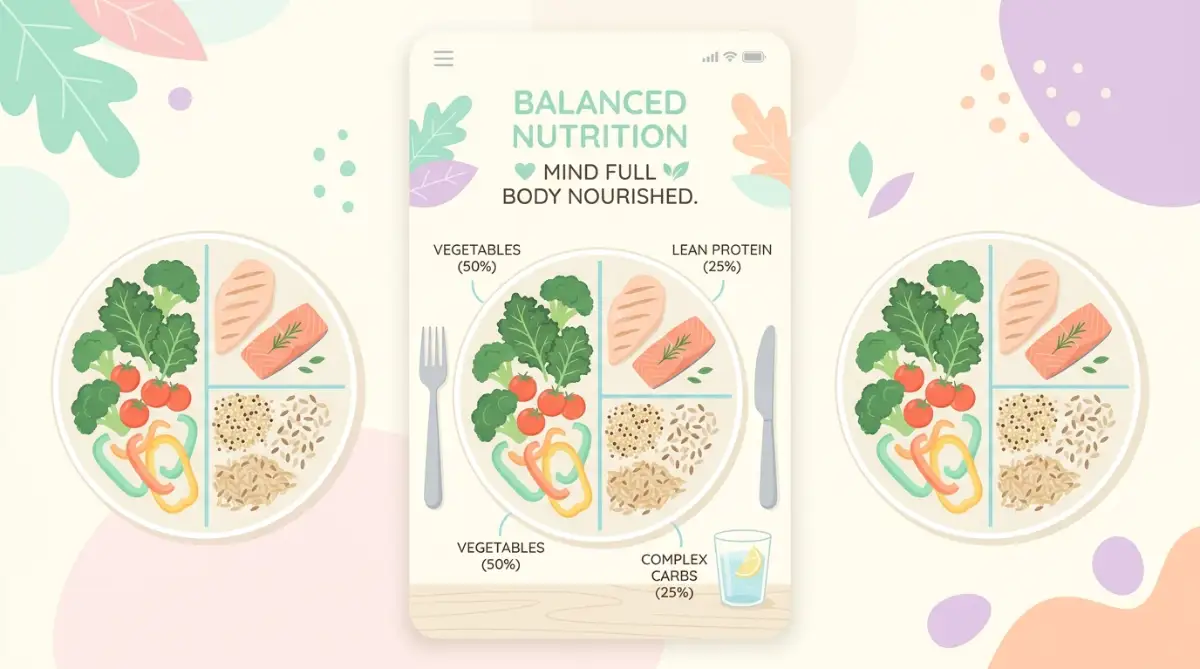
- Make Half Your Plate Vegetables: At lunch and dinner, visually divide your plate and fill half of it with colorful non-starchy vegetables.
- Practice Mindful, Slow Eating: Give your stomach 20 minutes to signal satiety to your brain by chewing thoroughly and putting your fork down between bites.
- Hydrate Before Meals: Drink a full glass of water 15 to 30 minutes before eating to avoid confusing thirst with hunger.
- Keep Healthy Snacks Visible: Store fresh fruit and nuts at eye level while keeping processed treats out of sight.
- Batch Cook Staple Ingredients: Prepare bulk quantities of versatile base ingredients like brown rice and roasted vegetables on weekends.
- Practice the 80% Full Rule: Stop eating when you feel comfortably satisfied rather than completely stuffed.
For more insights on building balanced routines and managing personal goals, explore our resource on easy AI website builders and affordable education options.
4. Common Mistakes and Pitfalls in Dietary Changes
A frequent error people make when trying to eat healthier is attempting an entire kitchen overhaul on day one, which quickly leads to burnout. Another common pitfall is adopting an all-or-nothing mindset where a single indulgent meal is viewed as total failure, triggering unnecessary binge eating cycles.
Additionally, relying exclusively on liquid cleanses or eliminating entire macronutrient groups deprives your body of essential energy and micronutrients. True wellness is achieved through sustainable moderation and realistic adjustments rather than extreme deprivation.
5. Overcoming Real-World Challenges and Final Thoughts
Building healthy eating habits requires navigating real-world scenarios like tight budgets, restaurant menus, and emotional stress. By focusing on budget-friendly staples like lentils, oats, and frozen produce, healthy eating remains accessible to everyone.
Reflecting on my own wellness path, I want to leave you with this final thought: building lasting health is not an overnight race or a harsh punishment. Whenever you feel overwhelmed by conflicting nutrition advice, remember to show yourself grace, focus on small daily additions, and take things one nourishing meal at a time.

Frequently Asked Questions
Why do most traditional diets fail long-term?
Traditional diets rely on extreme restriction and temporary rules that trigger biological survival mechanisms, leading to increased cravings and eventual burnout.
What is the 80/20 rule in nutrition?
The 80/20 rule involves eating nutrient-dense whole foods 80% of the time while leaving 20% flexibility for social treats and favorite foods.
How can I eat healthy on a tight budget?
You can save money by purchasing budget-friendly staples like dry beans, brown rice, oats, and nutrient-dense frozen fruits and vegetables.
How does mindful eating help with weight management?
Eating slowly allows your brain enough time to receive fullness signals from your stomach, preventing accidental overeating during meals.
What should I do after a dietary slip-up?
Acknowledge it without guilt, abandon the all-or-nothing mindset, and simply return to your normal healthy routine with your very next meal.
Disclaimer
The information provided in this article is for educational and informational purposes only and should not be construed as individualized medical or dietary advice. Always consult with a qualified physician or registered dietitian before making significant changes to your diet.