How to Lower Your Utility Bills: Simple Home Energy Upgrades, DIY Weatherization, and Smart Appliance Efficiency
Are you tired of opening your monthly electric, gas, and water bills only to feel a wave of financial anxiety? Rising utility rates make it harder than ever to keep your home comfortable, but building data shows that more than 30% of household energy is completely wasted through unsealed cracks, drafty doors, and phantom power draws. In this comprehensive guide, we reveal practical, low-cost DIY energy upgrades, weatherization tactics, and smart appliance habits that can permanently slash your utility bills by 20% to 40% over a single weekend. Take back control of your household budget and start saving today!
Opening the monthly electric, heating gas, and municipal water bills has become a source of significant financial anxiety for millions of American households. Driven by rising energy demand, aging electrical grid infrastructure upgrades, and fluctuating fuel prices, residential utility rates across the United States have increased by 15% to 35% in recent years. In many states, average single-family households routinely pay $250 to $500+ every single month simply to keep their homes illuminated, heated, cooled, and supplied with hot water. When I first watched my own monthly utility bills climb higher and higher despite our best efforts to conserve energy, I felt completely helpless against utility company rate increases. Every month, as heating and cooling loads peaked, our bills felt like an unmanageable tax on simply keeping our home comfortable. Like many homeowners, I worried about what would happen if energy rates continued rising unchecked year after year. I knew I needed to explore a practical, cost-effective way to plug thermal leaks without spending thousands of dollars on professional contracting work. Taking time to learn basic DIY weatherization and appliance efficiency habits completely changed our household budget, providing immediate relief on our very next billing cycle.
However, building performance data from the US Department of Energy reveals a striking fact: more than 30% of the energy consumed in standard American homes is completely wasted.
Unsealed window cracks, drafty exterior doors, uninsulated hot water pipes, vampire standby power electronics, and clogged HVAC air filters quietly drain hundreds of dollars from household bank accounts every year. The encouraging reality is that lowering your monthly utility bills does not require spending tens of thousands of dollars on complete home overhauls or expensive solar roof installations. By executing targeted, low-cost, DIY energy upgrades and establishing smart appliance habits over a single weekend, you can plug thermal leaks, optimize energy consumption, and permanently slash your monthly utility bills by 20% to 40%. In this comprehensive guide, we reveal practical, step-by-step home energy upgrades, DIY weatherization tactics, smart thermostat optimizations, and appliance efficiency hacks that keep your hard-earned money in your pocket.
1. Tier 1: DIY Air Sealing & Weatherization (Stopping Thermal Leaks)
The single fastest and least expensive way to lower heating and cooling bills is stopping unwanted air infiltration. Drafty homes act like open windows, allowing heated winter air to escape into the attic while pulling freezing outdoor air inside through basement crevices.
- Foam Outlet & Switch Gaskets ($0.25 each): Electrical cutouts on exterior walls permit cold air drafts to flow directly into living spaces. Unscrew outlet cover plates and insert pre-cut foam insulating gaskets behind the plates. For related financing help, review our guide on managing educational loans and smart family budgeting.
- Exterior Door Sweeps & Rubber Weatherstripping ($10–$25): Replace worn, cracked rubber weatherstripping around front, back, and garage entry doors. Install adjustable aluminum door sweeps along the bottom threshold to block cold drafts.
- Clear Thermal Window Film Kits ($15 per kit): Shrink-wrap clear plastic film over older single-pane or leaky windows during winter months to create an insulating dead-air space that stops glass heat transfer.
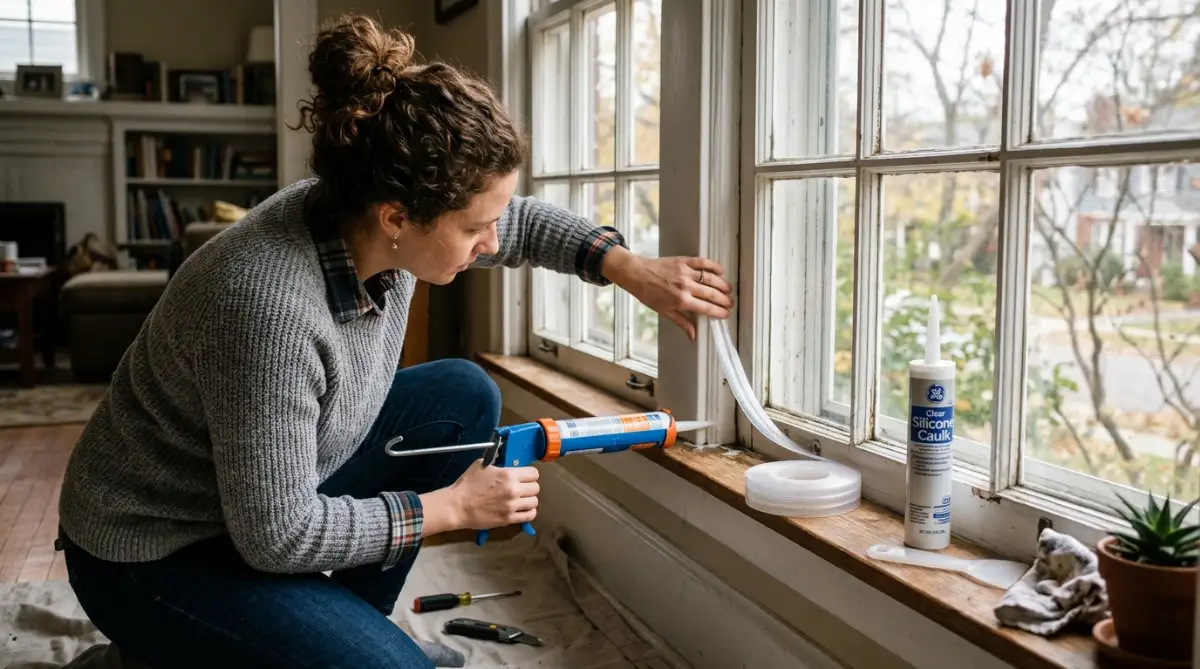
- Silicone Caulk Around Baseboards & Window Trim: Apply clear, paintable silicone caulk along exterior window frames, baseboard gaps, and outdoor pipe penetrations.
To analyze broader consumer spending economics and home energy technology budgeting strategies, explore our comprehensive analysis of consumer financial planning and green energy economics.
2. Tier 2: Heating & Cooling Optimization (HVAC Hacks)
Heating and air conditioning account for over 50% of total energy consumption in a typical American home. Minor operational adjustments to your HVAC system yield immediate financial relief:
My Personal Pro Tip: Whenever I install weatherstripping or door sweeps, I always perform the dollar-bill test to check the seal. In my experience, if you can pull a dollar bill easily out from a closed door without resistance, your weatherstripping is too loose and cold air is leaking right through.
Watch this video guide for an expert video walkthrough detailing simple, no-investment daily habits and vampire electronic audits:
3. Tier 3: Water Heating & Phantom Load Reduction
Water heating represents the second-largest energy cost in most homes, accounting for roughly 18% of total utility spending:
- Lower Water Heater Temperature to 120°F (50°C): Most factory water heaters are set to 140°F by default. Lowering the dial to 120°F slows standby heat loss, prevents scalding, and saves $40 to $80 per year. Learn how to protect your personal finances by reading our guide on improving your credit score before applying for financial products.
- Wrap Hot Water Pipes & Storage Tank: Install inexpensive pre-slit foam pipe insulation around hot water supply lines leaving your water heater to retain heat. You can also explore how to protect your household investments by reading our guide on choosing a home insurance policy without stress, or check out our suggestions on simple website building tools for small businesses if you manage a remote side venture.
- Slay Vampire Electronics with Smart Power Strips: TVs, desktop computers, and gaming consoles draw continuous standby power when plugged into standard outlets. Smart power strips automatically cut electricity supply when devices are turned off.
4. Common Pitfalls to Avoid When Saving Energy
Even though DIY energy upgrades are straightforward, homeowners can make mistakes that limit their savings. A common pitfall is setting programmable thermostats too aggressively, causing auxiliary heating strips in heat pumps to kick on and spike electricity bills. Another mistake is ignoring clogged HVAC air filters, which force blower motors to consume 15% more electricity. Always maintain clean filters and balanced thermostat schedules.
5. The Master 6-Step Weekend Energy Upgrade Checklist
Transform your home energy profile this weekend using this step-by-step checklist:
- Step 1: Perform the Hand Draft Test: On a windy day, feel around window frames, exterior door edges, and baseboards for cold air currents.
- Step 2: Seal Cracks with Silicone Caulk & Foam Gaskets: Apply caulk along drafty window trim and install foam gaskets behind wall switch plates.
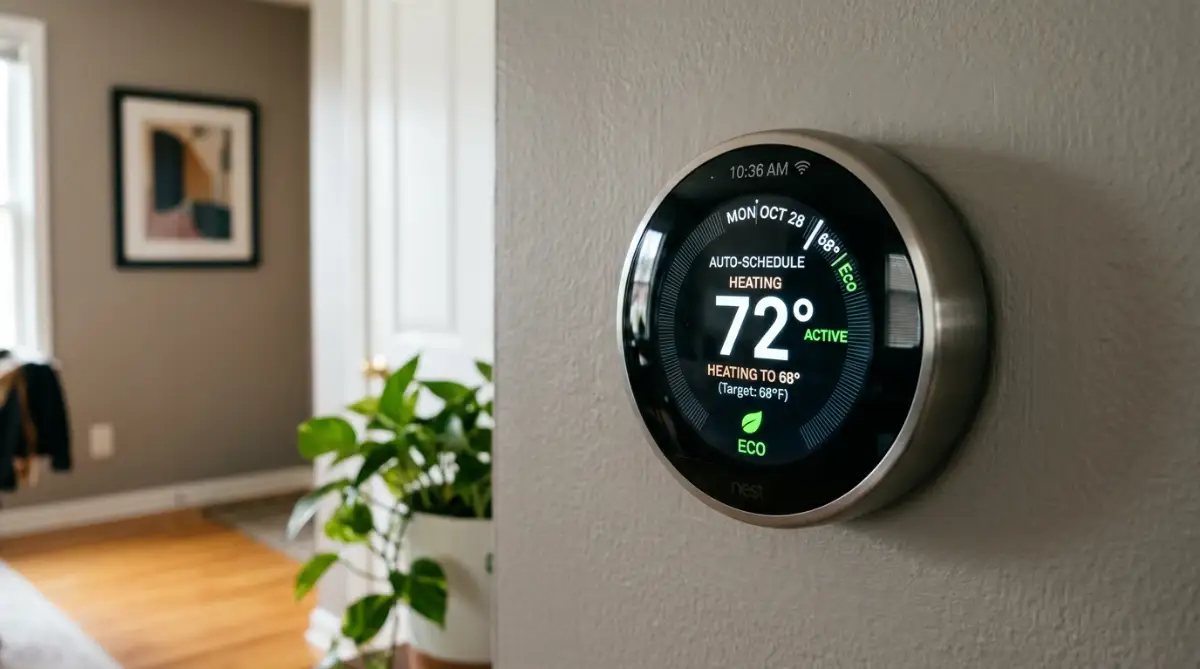
- Step 3: Install a Smart Thermostat: Program temperature setbacks and set up smartphone geofencing.
- Step 4: Lower Water Heater to 120°F: Adjust your water heater thermostat dial and insulate accessible hot water pipes.
- Step 5: Swap Incandescent Bulbs for LEDs: Replace high-use light fixtures with energy-efficient LED bulbs.
- Step 6: Deploy Smart Power Strips: Plug TV setups and computer gear into smart power strips to eliminate phantom vampire loads.
6. Final Thoughts and Moving Forward
Lowering your household utility bills is not about sacrificing personal comfort, freezing in the winter, or living in the dark. It is about eliminating thermal waste, upgrading outdated technology, and taking control of how your home consumes electricity, gas, and water.
In my own home, taking a single weekend to weatherize doors, seal windows, and install a smart thermostat resulted in immediate, noticeable drops in our monthly utility statements. Take charge of your household budget today. Execute basic DIY air sealing, install a smart thermostat, adopt smart energy habits, and step confidently into an affordable, energy-efficient, and comfortable home!
7. Frequently Asked Questions
What is the easiest way to find air leaks in a house?
On a windy day, hold a lit incense stick or your hand near window frames, exterior doors, electrical outlets, and baseboards to feel for moving air drafts.
How much can a smart thermostat save on annual heating and cooling bills?
A smart thermostat typically cuts annual heating and cooling bills by 10% to 15% by automatically adjusting temperatures when you are asleep or away.
What are vampire power loads and how do I stop them?
Vampire loads are electricity consumed by electronics while plugged in and turned off. You can stop them by plugging entertainment centers and office gear into smart power strips.
Should I wash clothes in cold water to save energy?
Yes, roughly 90% of a washing machine's energy is used to heat water. Switching to cold water washing saves over $100 annually on energy bills.
How often should I replace my HVAC air filter?
Replace standard residential HVAC air filters every 30 to 60 days during peak summer and winter operating seasons to maintain airflow efficiency.
8. Home Energy & Financial Disclaimer
The information provided in this article is for educational, informational, and general consumer guidance only and does not constitute formal electrical engineering, contracting, legal, or tax advice. Utility bill savings estimates, equipment efficiencies, local electricity tariffs, and appliance performance vary based on geographic location, house age, square footage, local climate extremes, and individual household usage habits. Homeowners and renters are encouraged to review local utility rebate programs and consult certified contractors before undertaking major home modifications.