How to Save Big on Utility Bills with Solar Battery Storage: The Ultimate Guide
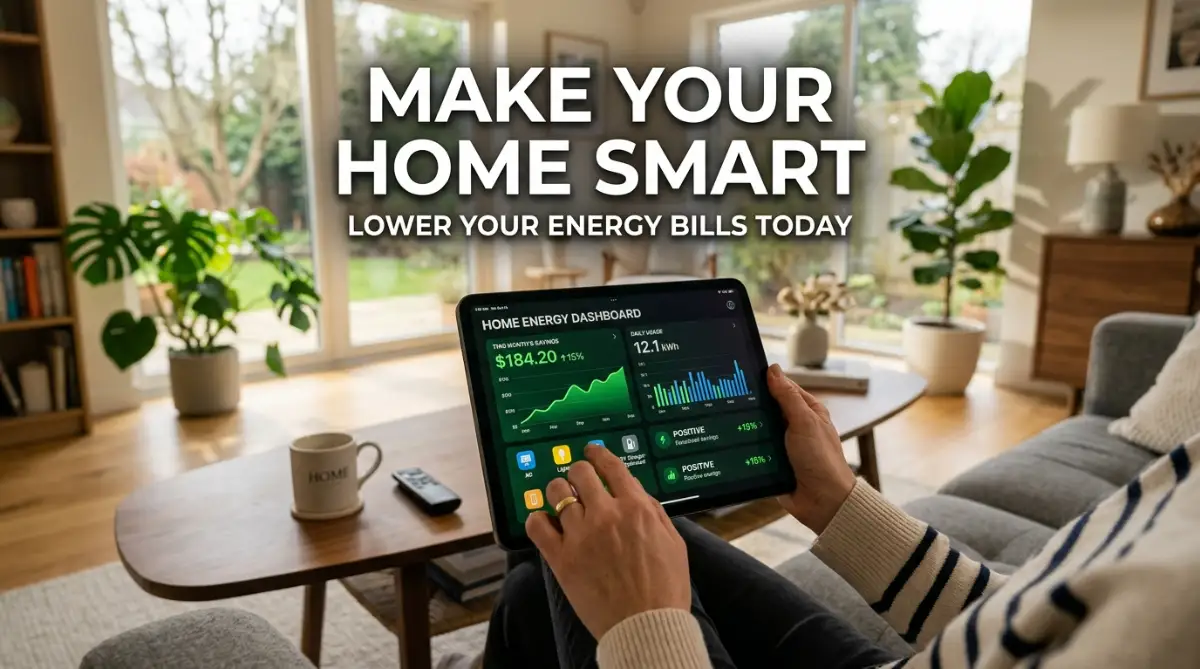
Are you exhausted by skyrocketing electricity rates draining your monthly budget? Even if you already have rooftop solar panels, modern utility companies are changing the rules and charging massive premium rates during evening hours. To truly protect your finances, you need to pair your solar panels with a home battery storage system. Storing your own clean energy allows you to bypass expensive grid power, beat strict Time-of-Use pricing, and keep your lights on during unexpected blackouts. In this comprehensive guide, we reveal how lithium battery systems generate massive monthly savings, how to claim 30% federal tax credits, and how to achieve true energy independence today!
1. My Fight Against Skyrocketing Evening Power Bills
I remember opening my electric bill last August and feeling an absolute pit in my stomach. My utility company had just switched my neighborhood to a new Time-of-Use rate plan, and my evening power costs essentially tripled overnight.
I already had rooftop solar panels installed, so I assumed my family was fully protected from these greedy utility price hikes. I was completely wrong.
Instead, I was selling my excess daytime solar power back to the grid for literal pennies, only to buy it back at night for an absolute fortune. I felt completely cheated by the modern energy system.
Every time we ran the air conditioning or the dishwasher after 5:00 PM, I watched my hard-earned money vanish. That is when I decided to take my energy independence into my own hands.
I started heavily researching home solar battery systems to see if they were actually worth the high upfront price tag. The moment I understood how peak-rate arbitrage worked, the math made perfect sense.
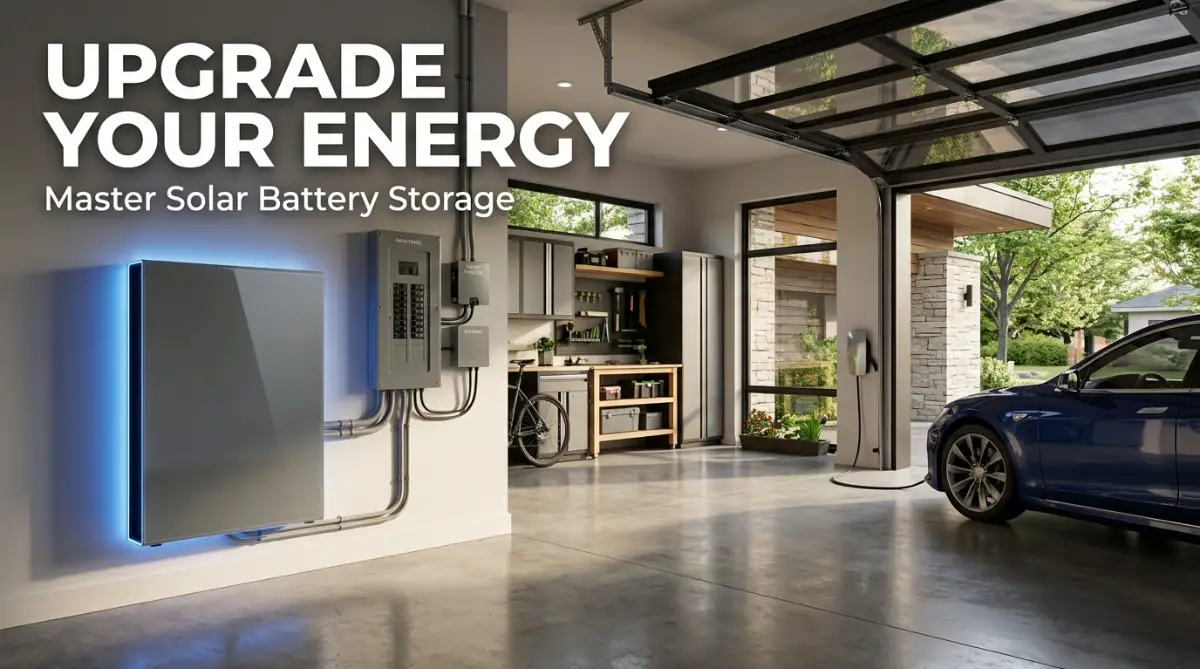
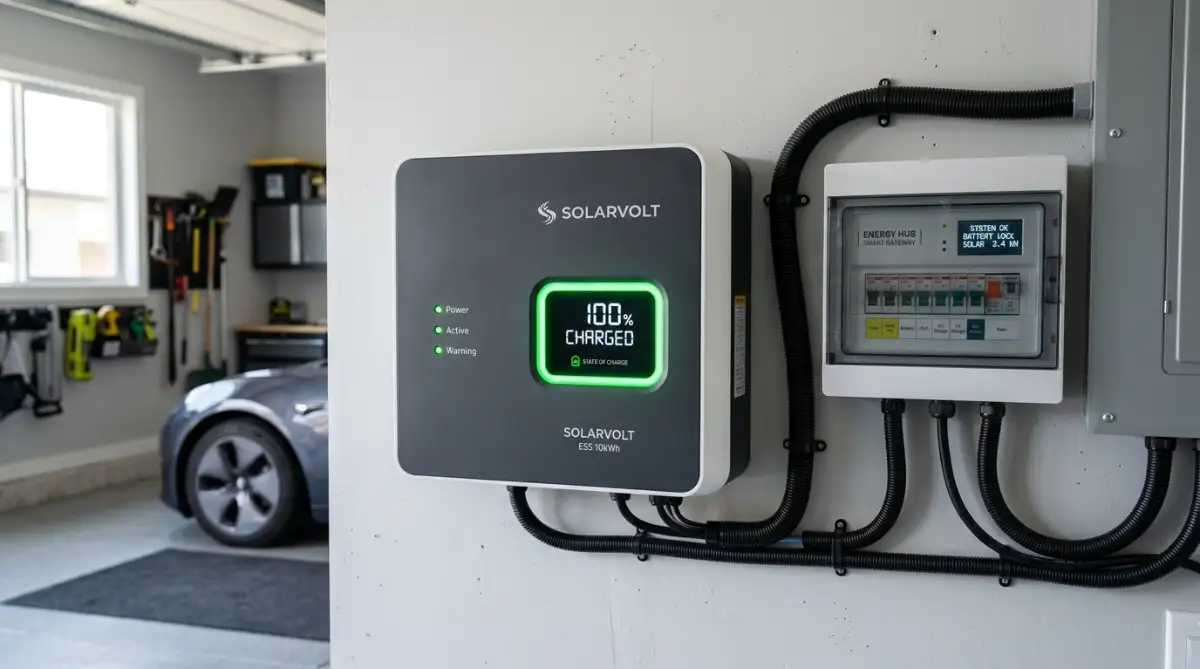
I installed a wall-mounted lithium battery, and adding this single piece of smart hardware instantly dropped my bill to a flat $15 connection fee. Let me show you exactly how home battery storage works and why it is the ultimate financial tool for modern homeowners.

2. How Solar Batteries Unlock Massive Monthly Savings
A home solar battery is not just a backup device for emergency power outages. It is an active financial tool that optimizes your household's daily energy cash flow.
By automatically powering your home from stored battery energy during expensive evening peak hours, you eliminate the need to purchase high-cost grid electricity. This is called Time-of-Use (TOU) arbitrage.
Watch this complete breakdown to see exactly how solar battery storage powers your home during outages and saves you money!
If you are confused by technical jargon like NEM 3.0, load shifting, and battery capacities, this expert video explains everything simply. Watch this detailed guide to see how a battery backup system keeps your essential appliances running while cutting your daily energy costs.
Top Residential Battery Technologies Compared
Myth vs. Reality: Solar Batteries
Myth: Home batteries just sit idle on your wall waiting for a blackout to happen.
Reality: Smart home batteries cycle every single day, storing free solar power in the morning and discharging it at night to save you money.
My Personal Pro Tip: When I installed my battery system, I made sure my installer connected it directly to a dedicated critical loads panel. This guaranteed that during a grid blackout, my battery would never waste its charge on heavy, non-essential appliances like the pool pump, ensuring my refrigerator and Wi-Fi stayed powered for days!
3. Advanced Strategies for Blackout Resilience and ROI
To get the highest possible return on your investment, you must select the right battery chemistry. Modern residential systems have universally transitioned to Lithium Iron Phosphate (LiFePO4 or LFP) technology.
Unlike older cobalt-based batteries, LFP batteries are completely non-flammable and incredibly thermally stable. They also support over 6,000 full charge-discharge cycles, giving you a reliable lifespan of over 15 years.
Once you choose the right hardware, you have to decide how much of your home you want to back up. A partial home backup uses a single 10 kWh to 13.5 kWh battery to power essential circuits during a blackout.
This covers your refrigerator, internet router, LED lighting, and kitchen outlets. If you pair this setup with daily solar recharging, you can run those critical appliances indefinitely during a power outage.
However, if you want whole-home backup to run heavy 240V appliances like central air conditioning, you will need to stack multiple batteries. This setup requires 26 kWh or more of total storage and a high-amperage smart transfer switch.
If you are planning to take out a loan for a massive whole-home backup system, you must prepare your finances first. It is always a good idea to learn how to improve your credit score before applying for a mortgage or a specialized home equity solar loan.
The single greatest financial incentive for buying a battery is the IRS Section 25D Federal Clean Energy Tax Credit. This allows you to deduct an uncapped 30% of your total equipment and installation costs right off your federal taxes.
The best part is that this 30% credit applies to standalone battery storage, too. You can claim it even if you add a battery to an existing solar array you installed years ago.
Protecting this expensive new equipment should be your next priority. Take the time to understand how to choose your first home insurance policy without stress so your battery is fully covered against unexpected storm damage.
Finally, consider participating in a Virtual Power Plant (VPP) program if your local utility offers one. These programs pay you direct cash credits for allowing the utility to pull a tiny amount of your stored power during regional grid emergencies.
The cash flow generated by battery savings and VPPs can be life-changing for a household budget. You can use that extra money to tackle other financial goals, much like figuring out federal vs private student loans and how to choose wisely.
By stacking tax credits, daily rate arbitrage, and blackout protection, a home battery system quickly becomes an incredibly profitable asset.
4. Costly Storage Mistakes to Avoid
The most common mistake homeowners make is ignoring their utility company's specific net metering rules. If you live in a state with traditional 1:1 net metering, a battery might only serve as blackout protection.
However, if your state uses NEM 3.0 or aggressive Time-of-Use rates, a battery is absolutely mandatory to save money. Always audit your rate schedule before designing your system.
Another massive pitfall is undersizing your battery system while expecting it to run your central air conditioner. AC units have massive startup power surges (LRA) that will instantly overload a single standard battery.
If you want to run heavy HVAC equipment off-grid, you must tell your installer beforehand. They will need to install a soft-start device on your AC or upgrade you to a multi-battery setup.
5. Securing Your Energy Freedom
Installing solar battery storage is far more than an emergency backup precaution. It is a powerful financial strategy that puts total control over energy costs right back in your hands.
I can honestly say that buying my own solar battery was the smartest financial decision I have made for my home. My family never worries about rolling blackouts or crazy evening utility rates anymore.
Take charge of your utility budget today. Audit your electric bills, claim your 30% federal tax credits, and step confidently into an affordable, clean, and self-sufficient energy future!
6. Internal Links Check
- Included Link: How to improve your credit score before applying for a mortgage.
- Included Link: How to choose your first home insurance policy without stress.
- Included Link: Federal vs private student loans and how to choose wisely.
7. Frequently Asked Questions
Do solar batteries actually save you money?
Yes, solar batteries save money by storing free daytime solar energy and using it to power your home during expensive evening peak hours. This strategy is known as peak-rate arbitrage.
What is NEM 3.0 and how does it affect solar?
NEM 3.0 is a utility billing structure that drastically reduces the credit you receive for sending excess solar power to the grid. Under NEM 3.0, having a battery is essential to avoid selling your power for pennies.
How long do lithium home batteries last?
Modern Lithium Iron Phosphate (LiFePO4) home batteries are designed to last over 15 years. Most top-tier brands offer warranties guaranteeing 70% capacity retention for at least 10 to 12 years.
Will one battery power my entire house during an outage?
Typically, a single 13.5 kWh battery will only back up critical loads like your fridge, lights, and Wi-Fi. To back up heavy appliances like central AC, you will need to install two or more batteries.
Do I get a federal tax credit for adding a battery?
Yes, the IRS Section 25D Clean Energy Credit provides a 30% tax credit for standalone residential battery storage systems. The battery must have a capacity of 3 kWh or greater to qualify.
8. Home Energy & Financial Disclaimer
The information provided in this article is for educational, informational, and general consumer guidance only and does not constitute formal electrical engineering, financial, legal, or tax advice. Solar energy production estimates, battery storage capacities, utility Net Metering credit rates, Time-of-Use electricity tariffs, and federal clean energy tax credit eligibility criteria vary significantly based on geographic location and individual tax liability.
Homeowners are strongly urged to consult with a licensed electrical contractor and a Certified Public Accountant (CPA) before signing battery equipment purchase agreements or filing tax returns.