Empower Your Home: The Ultimate Guide to Energy Independence with Rooftop Solar and Battery Tech
Are you tired of skyrocketing utility bills and vulnerable to unpredictable electrical grid blackouts? Achieving true home energy independence is no longer a futuristic dream—it is a smart, accessible reality. In this comprehensive guide, we explore how combining high-efficiency rooftop solar panels, advanced lithium battery storage, net metering, and the 30% federal tax credit can transform your house into a self-sustaining power plant. Take control of your household energy, protect your family from outages, and lock in predictable savings for decades to come!
In recent years, American homeowners have faced an unprecedented dual crisis regarding their household energy supply: skyrocketing utility electricity rates and increasing electrical grid fragility. According to energy economics reports, residential electricity rates across the United States have increased at nearly double the rate of general inflation, with some regions experiencing rate hikes of 15% to 30% in a single year. Simultaneously, severe weather events—ranging from extreme winter ice freezes and summer heat waves to hurricanes and wildfires—have exposed the vulnerability of aging centralized power grids, leaving millions of families trapped in unexpected, multi-day electrical blackouts. When I first watched my monthly electricity bill climb higher and higher despite our best efforts to conserve energy, I felt completely helpless against utility company rate increases. Every summer, as cooling loads peaked, our utility bills felt like an unmanageable tax on simply keeping our home comfortable. Like many homeowners, I worried about what would happen during a major grid failure when storms knocked out power for days. I knew I needed to explore a permanent, self-reliant solution to secure our power supply. Taking time to study rooftop solar technology and lithium battery backup systems completely changed our household energy future, giving us absolute control over our power.
Faced with unpredictable utility bills and power outages, American homeowners are increasingly seeking a permanent solution: Home Energy Independence. Achieving energy independence does not mean living like a survivalist off in a wilderness cabin.
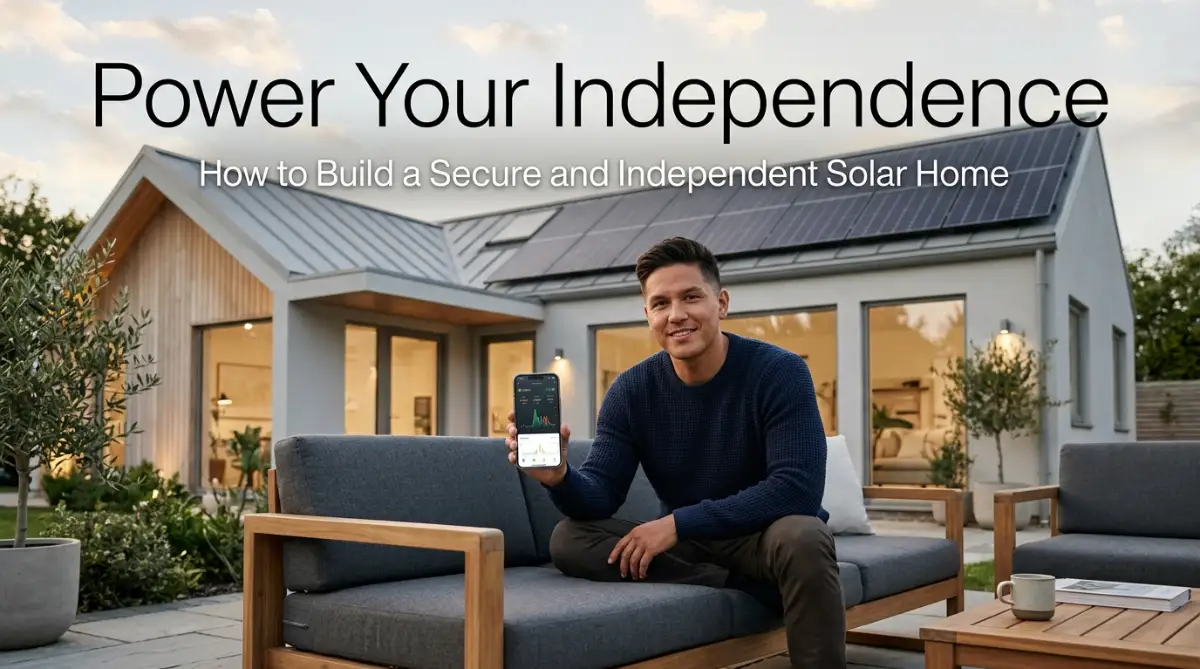
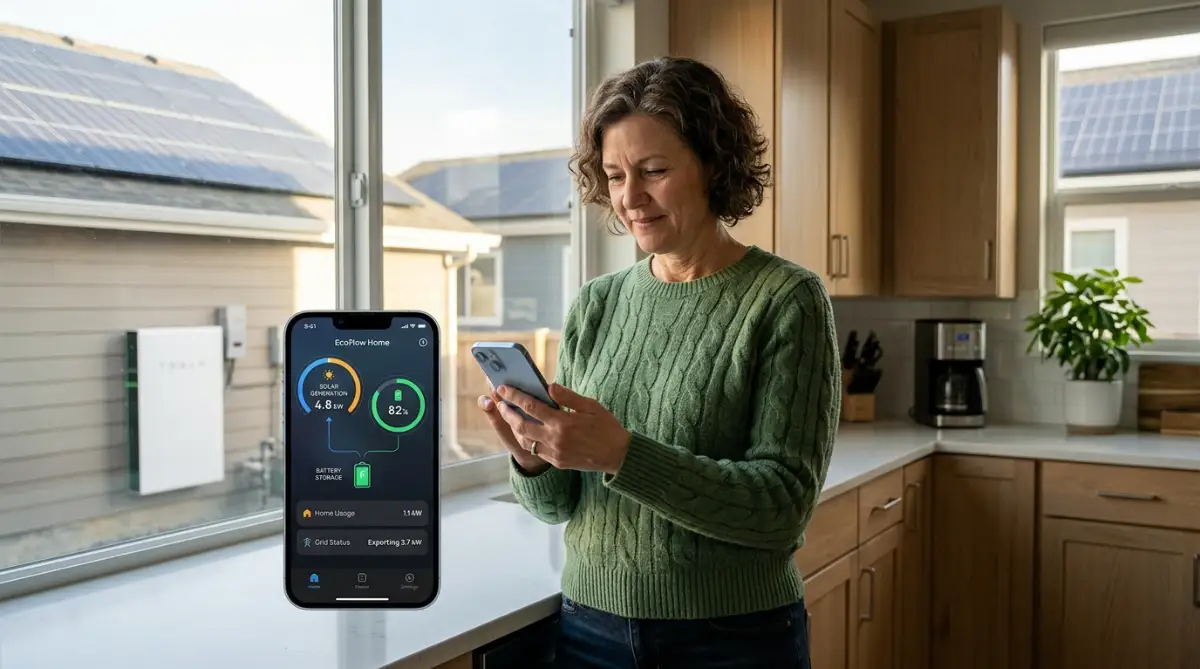
Rather, modern energy autonomy means transforming your home into a self-sustaining power plant equipped with advanced rooftop solar photovoltaic panels, high-capacity lithium iron phosphate battery storage, smart micro-inverters, and automated home energy management systems. By generating and storing your own clean electricity onsite, you protect your family from grid blackouts, eliminate expensive utility bills, and lock in predictable energy costs for decades. In this comprehensive guide, we unpack the step-by-step path to home energy independence, evaluating solar technology components, battery storage mechanics, time-of-use utility rate arbitrage, and federal IRS tax credits.
1. The Four Technical Pillars of Modern Residential Solar Tech
To achieve true home energy resilience, a solar system must be designed as an integrated ecosystem where generation, conversion, storage, and management operate in perfect harmony:
- High-Efficiency Solar PV Panels (Top con & Monocrystalline): Modern monocrystalline N-type panels achieve efficiency ratings above 22%, capturing maximum solar irradiance even on overcast days. Premium panels come with 25-year performance warranties guaranteeing 85%+ power output after a quarter-century. For related financial guidance, review our guide on managing educational loans and smart family budgeting.
- Advanced Solar Inverters (Microinverters vs. Hybrid String): Solar panels generate Direct Current electricity, which must be converted into Alternating Current for household appliances. Microinverters attach to individual panels, ensuring shading on one panel does not reduce the entire roof's power production.
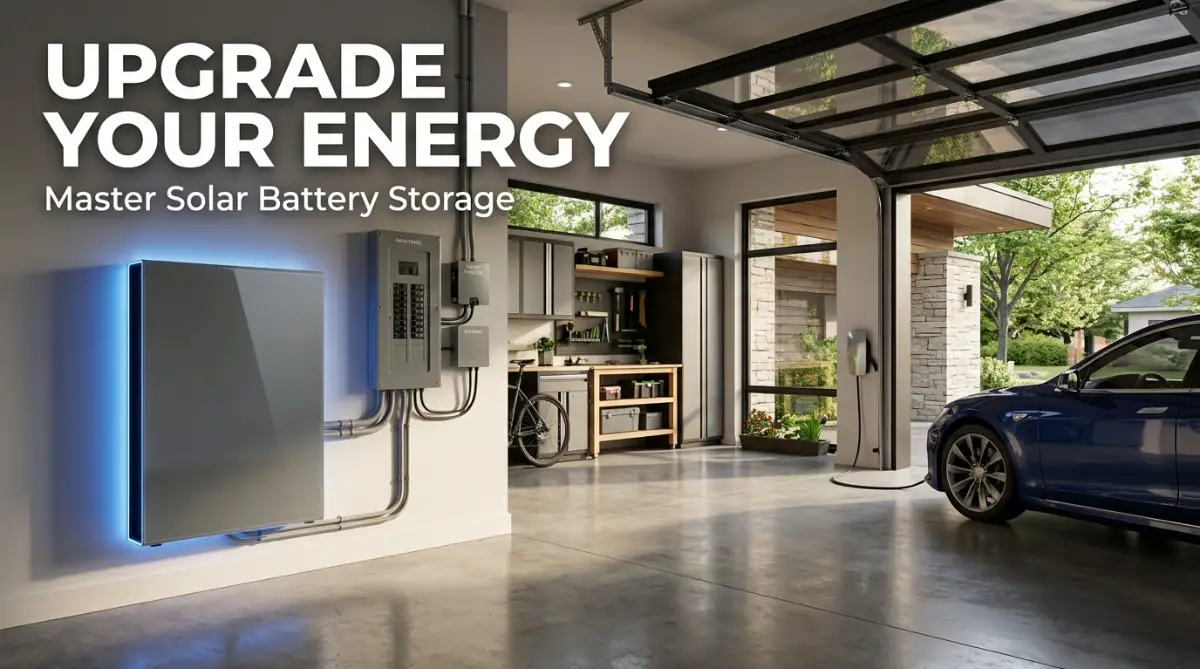
- High-Voltage Battery Energy Storage (LiFePO4): Modern home batteries utilize Lithium Iron Phosphate chemistry, which is inherently non-flammable, non-toxic, and supports over 6,000 to 10,000 full charge-discharge cycles lasting 15 to 20 years.
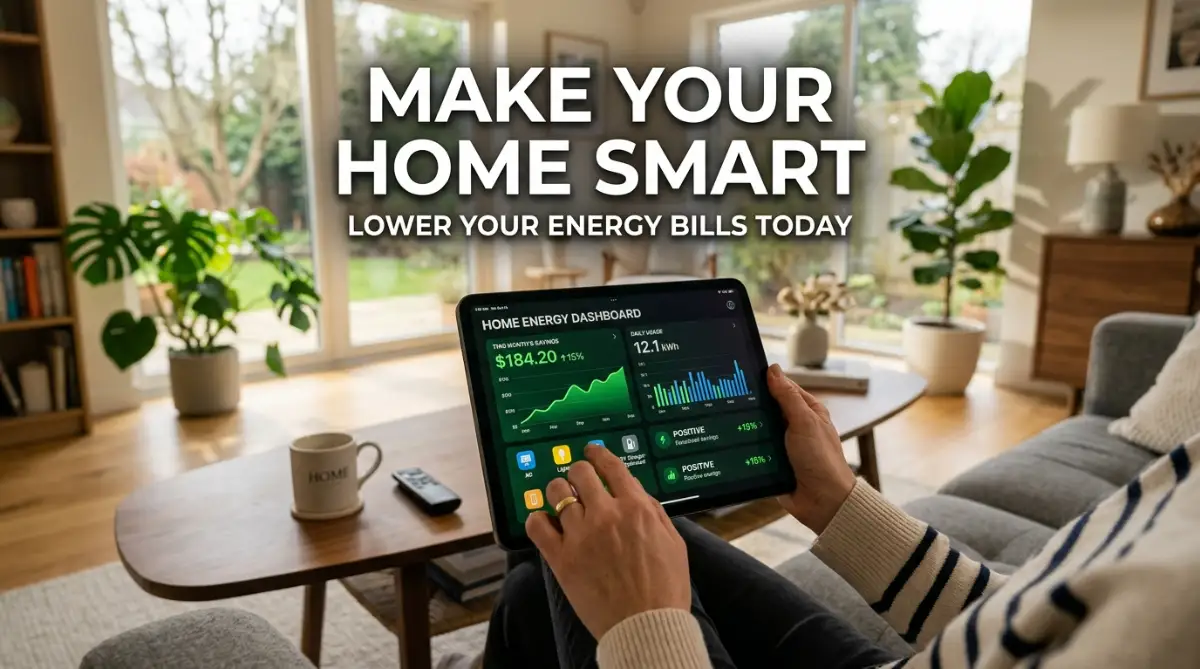
- Smart Home Energy Management Panels: Intelligent circuit panels monitor real-time energy consumption, allowing homeowners to customize which essential appliance circuits receive battery power during extended blackouts via smartphone apps.
To analyze broader consumer spending economics and renewable technology budgeting strategies, explore our comprehensive analysis of consumer financial planning and green energy economics.
2. System Architecture: Grid-Tied vs. Hybrid Battery vs. Off-Grid
Choosing the correct system architecture dictates how your home interacts with the local electric utility company during normal operation and grid outages:
My Personal Pro Tip: Whenever I talk to homeowners considering solar, I always stress that standard grid-tied solar panels will automatically shut off during a blackout unless paired with a physical battery storage unit. In my experience, if your primary goal is blackout protection, you must invest in a hybrid inverter and lithium battery bank from day one.
Watch this video guide for an expert video breakdown explaining how residential solar panels paired with battery storage backup systems operate:
3. Maximizing Financial ROI: Net Metering 3.0 & Federal Tax Credits
Navigating the financial payback period of a residential solar-plus-storage investment requires leveraging federal tax policy and utility rate structures:
- The Federal IRS Section 25D Clean Energy Tax Credit (30%): Under US federal tax law, homeowners who purchase and install residential solar panels and battery storage systems qualify for a 30% Federal Investment Tax Credit. This uncapped tax credit applies directly against your federal income tax liability. Learn how to protect your personal finances by reading our guide on improving your credit score before applying for financial products.
- Net Metering Evolutions and Battery Storage Necessity: Historically, utility companies purchased excess daytime solar power sent back to the grid at full retail rates. However, under updated utility regulations, utilities have drastically reduced export compensation rates. This regulatory shift makes battery storage essential for storing clean power locally. You can also explore how to protect your household investments by reading our guide on choosing a home insurance policy without stress, or check out our suggestions on simple website building tools for small businesses if you manage a remote side venture.
4. Common Pitfalls to Avoid When Going Solar
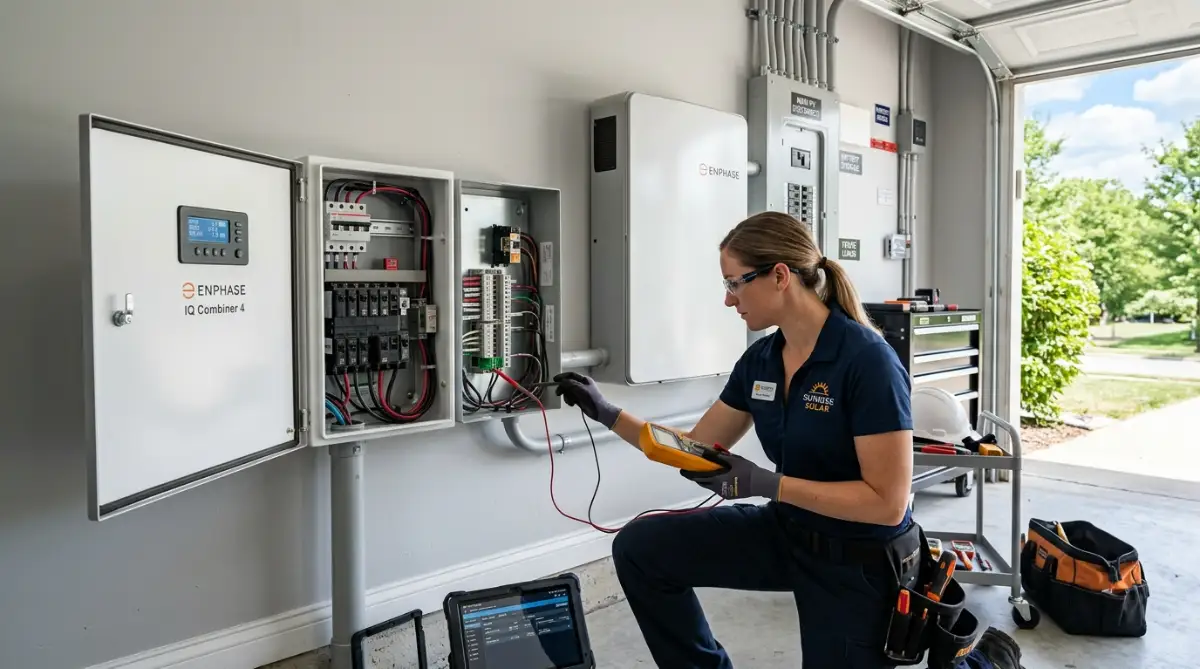
Even though residential solar tech offers tremendous benefits, homeowners must watch out for predatory sales practices and technical oversights. A common mistake is buying or leasing a solar system without checking your roof's actual age; if your shingles are over 15 years old, replacing the roof after solar installation results in thousands of dollars in panel removal and reinstallation fees. Another pitfall is working with unverified door-to-door sales contractors who inflate energy production estimates. Always choose local, certified installers with established track records.
5. The Master 5-Point Home Solar Readiness Checklist
Before signing a solar installation contract, complete this 5-point readiness audit:
- Audit Roof Age: If your roof shingles are over 15 years old, replace the roof before installing solar panels.
- Size Battery Storage for Essential Loads: Decide whether your battery must back up your whole house or focus on critical loads.
- Verify Warranty Guarantees: Ensure panels carry a 25-year output warranty and batteries carry a 10-year capacity guarantee.
- Understand Local Utility Interconnection Rules: Ensure your installer handles all municipal permits and utility agreements.
- Calculate Net System Payback Period: Target a net system payback timeline between 5 and 8 years.
6. Final Thoughts and Moving Forward
Transitioning your home toward energy independence is one of the most proactive, empowering investments you can make as a homeowner. By combining high-efficiency rooftop solar panels, long-lifespan lithium battery storage, smart load management, and federal tax incentives, you gain permanent relief from utility price hikes and total security during electrical grid failures.
In my own home, installing solar and battery backup turned our anxiety about rolling blackouts into absolute peace of mind. Take charge of your home energy today. Audit your electric bills, consult with certified solar professionals, claim your tax credits, and step confidently into a clean, autonomous, and energy-independent future!
7. Frequently Asked Questions
Do solar panels work during a power outage?
Standard grid-tied solar panels automatically shut off during a blackout for lineman safety. To keep power during an outage, you must install a hybrid inverter paired with battery storage.
How long do residential solar panels and batteries last?
High-efficiency solar panels come with 25-year performance warranties, while modern lithium iron phosphate home batteries typically last 15 to 20 years or 6,000+ cycles.
What is the federal tax credit for home solar and batteries?
Under IRS Section 25D, homeowners receive a 30% federal tax credit covering the total cost of purchasing and installing both solar panels and battery storage systems.
Is it better to buy or lease a home solar system?
Buying your solar system—either with cash or a solar loan—allows you to claim the 30% tax credit and increases your home's equity, whereas leasing offers lower upfront costs but fewer financial benefits.
What happens to my solar power on cloudy or rainy days?
Solar panels continue generating electricity on overcast days, though production drops to roughly 10% to 25% of their peak sunny-day output capacity.
8. Home Energy & Financial Disclaimer
The information provided in this article is for educational, informational, and general consumer guidance only and does not constitute formal electrical engineering, financial, legal, or tax advice. Solar energy production estimates, battery storage capacities, utility Net Metering rates, local electricity tariffs, and federal tax credit eligibility criteria vary significantly based on geographic location, local utility policies, roof pitch, shading, and personal tax liability. Homeowners are strongly advised to consult with a licensed electrical contractor and a Certified Public Accountant before entering into solar equipment leases or purchase contracts.