
How to Start a Profitable Blog from Scratch: A Step-by-Step US Guide to Niche Selection, WordPress Setup, Monetization, and Traffic Scaling
In the modern digital creator economy, starting a professional blog is widely recognized as one of the most accessible, high-margin, and scalable online business models in existence. The perception of blogging has undergone a complete evolution over the past decade. What once began as informal, personal online diary keeping has transformed into a multi-billion-dollar digital media sector where independent publishers, subject-matter experts, and solopreneurs build digital media brands that generate thousands of dollars in monthly passive income.
However, many aspiring bloggers hesitate to launch their websites because they assume starting a profitable blog requires advanced computer programming skills, an existing social media audience, or thousands of dollars in startup capital. In reality, the modern web hosting and content management infrastructure allows anyone to build a professional, search-engine-optimized blog in under an hour for less than the cost of a single cup of coffee per month. A successful, profitable blog is not built on random luck or viral internet fame; it is a structured, repeatable system based on choosing a high-intent commercial niche, setting up self-hosted WordPress, publishing search-optimized articles, building organic search traffic, and stacking multiple monetization channels. In this comprehensive guide, we unpack the complete step-by-step blueprint to start a profitable blog from scratch, evaluating niche profitability, technical setup, Google SEO content strategies, ad network integrations, and passive monetization streams.
David, a corporate accountant from Ohio, spent years working 50-hour workweeks while dreaming of building a flexible second income stream. Unwilling to quit his day job prematurely, David spent his Saturday mornings building a niche blog focused on personal budgeting, credit card rewards, and debt payoff strategies. He registered a clean domain name, set up a self-hosted WordPress site, and committed to publishing two thoroughly researched 2,000-word articles every week. For six months, his traffic grew slowly. By month eighteen, his blog reached 48,000 monthly organic visitors from Google, generating over $3,400 per month in automated display ad earnings and credit card affiliate commissions. David reflects: "Starting a blog was the best $50 investment I ever made. It converted my weekend writing hobby into a digital asset that eventually gave me the freedom to step away from corporate accounting."
When I first ventured into the blogging world years ago, I made every technical mistake possible. I spent weeks trying to code custom layouts and wasted money on fancy site themes before understanding that clear writing and SEO structure matter above all else. Learning how to properly set up self-hosted WordPress and target low-competition keywords completely changed the trajectory of my online publishing journey.
Starting a professional blog has evolved from a simple hobby into one of the most accessible and scalable online business models in the digital economy. By choosing a high-intent commercial niche, setting up self-hosted WordPress, publishing search-optimized guides, and stacking multiple monetization channels, anyone can build a digital media asset that generates thousands of dollars in monthly passive income. In this comprehensive guide, we walk you through a proven step-by-step blueprint to launch, grow, and monetize your blog from scratch.
1. Step 1: Selecting a Profitable, High-Intent Niche
The single most critical decision that determines whether your blog generates passive revenue or remains an unpaid hobby is your Niche Selection. A common beginner mistake is launching a broad "lifestyle blog" covering personal thoughts, travel recipes, and daily life. To build a profitable digital media asset, you must choose a specific, high-intent topic where readers actively seek solutions to real problems.
The Top 5 Most Profitable Blogging Niches:
- 1. Personal Finance, Investing & Credit Cards: Features the highest Cost-Per-Click (CPC) ad rates and high-ticket financial affiliate referral programs.
- 2. Business, Software & B2B Technology: Recommending SaaS software tools, web hosting, and automation platforms yields high recurring monthly affiliate commissions.
- 3. Health, Wellness & Preventive Fitness: High consumer search volume for workout guides, dietary plans, meal prep, and wellness products.
- 4. Remote Work, Careers & Digital Skills: Helping job seekers build remote careers, pass professional board exams, or learn high-income skills.
- 5. Home Energy, Solar & Smart Home Upgrades: High-ticket product reviews covering rooftop solar, battery storage, and energy-efficient home renovations.
To analyze broader small business software economics and digital asset management strategies, explore our comprehensive analysis of small business software economics and digital asset management.
My Personal Pro Tip (By Md Jahangir Alam): When you pick your niche, always make sure there is an active commercial market behind it. I always advise beginners to check if brands are actively running paid Google ads for keywords in your chosen niche. If companies are spending money on ads, it proves there are buyers with real purchasing intent!
Watch this expert video walkthrough detailing blog setup, niche authority positioning, SEO content creation, and stacking multiple monetization channels:
2. Step 2: Technical Setup (Domain, Web Hosting, & WordPress.org)
To build a business asset capable of earning ad revenue and affiliate income, you must maintain 100% complete ownership of your digital platform:
A. Choosing a Clean .COM Domain Name
Select a short, brandable domain name ending in .com (e.g., smartmoneyguide.com). Keep it under 15 characters, avoid hyphens or numbers, and ensure it is easy to spell and dictate verbally.
B. Installing Self-Hosted WordPress.org
Purchase a high-speed, managed web hosting plan (from providers like Hosting ER, Blue host, or Cloud ways) featuring high-speed NVM e storage drives and a free SSL security certificate. Use the host's 1-click installer to deploy WordPress.org. Never use free website builders if your goal is long-term monetization, as ad networks (like Media Vine and AdSense) require self-hosted platforms.
Elena launched a food recipe blog on a free sub-domain website builder. After two years of hard work publishing over 100 recipes, her site grew to 30,000 monthly readers. However, when she applied to join a premium display ad network to monetize her traffic, her application was rejected because her free platform restricted third-party ad scripts and custom code. Realizing her mistake, Elena hired a developer to migrate her entire blog to a self-hosted WordPress.org site. Within three weeks of launching on WordPress, her application to a major ad network was approved, generating $1,400 in her very first month. Elena shares: "Build your blog on self-hosted WordPress from day one. Owning your digital real estate is essential if you want to turn your blog into a real business."

3. Step 3: Content Strategy & Writing Articles That Rank on Google
Traffic is the lifeblood of a profitable blog. Driving consistent organic search traffic from Google requires publishing Search Engine Optimized (SEO) Content structured around real user search queries:
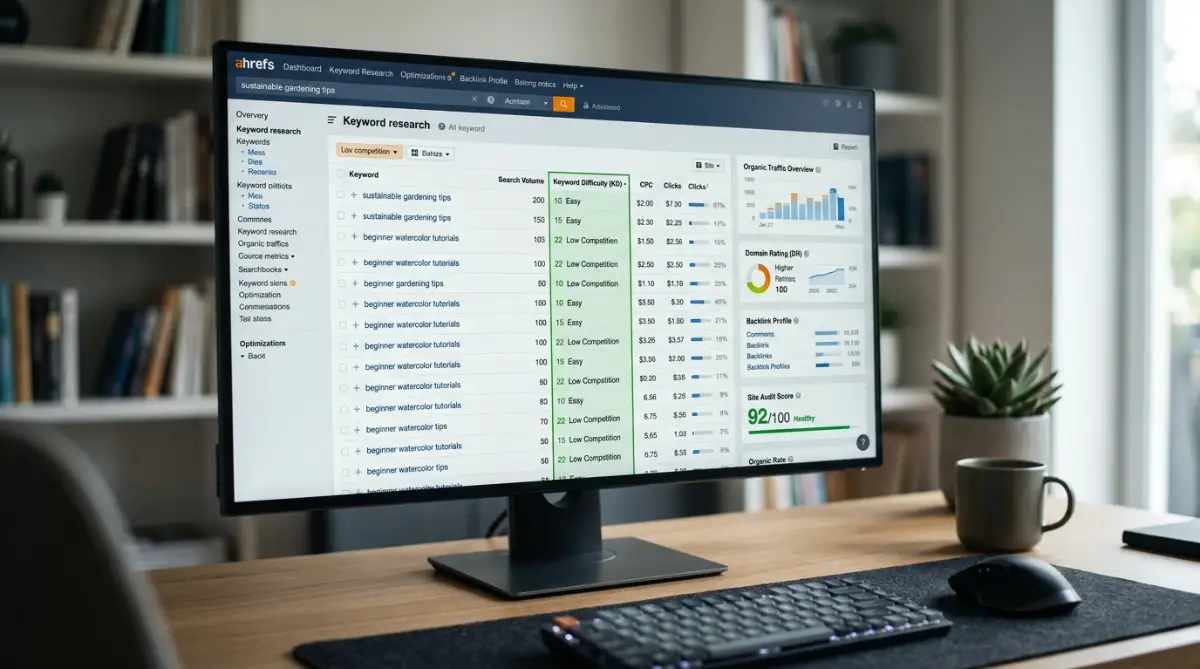
- Conduct Low-Competition Keyword Research: Use keyword research tools (like A href s, Semeru sh, or Google Keyword Planner) to find specific long-tail search queries with high monthly search volume and low competition difficulty (e.g., "Best Level 2 Home EV Chargers for Cold Weather" rather than broad "EV Chargers").
- Structure 2,000+ Word Comprehensive Guides: Write thorough, in-depth articles that answer a reader's question completely. Use clear heading hierarchies (H1 for title, H2 for main sections, H3 for sub-points), short readable paragraphs, and bulleted lists.
- Fulfill Google's E-E-A-T Quality Guidelines: Google prioritizes content that demonstrates Experience, Expertise, Authoritative ness, and Trustworthiness. Incorporate real-world personal stories, original photos, expert quotes, and actionable advice to satisfy Google's quality filters.
To discover strategies for sourcing small business grants and founder funding, read our guide on proven strategies for sourcing small business grants and founder funding.
4. Step 4: Stacking 5 Diversified Blog Monetization Streams
The most successful digital publishers do not rely on a single source of income. They stack multiple complementary revenue streams across every published article:
The 5 Core Revenue Streams for Digital Publishers:
- 1. Display Advertising Networks (Google AdSense, Journey by Media Vine, Raptive): Placing automated banner and video ad units on your site. Premium ad networks pay $15 to $45+ RPM (revenue per 1,000 page views), yielding $1,500 to $4,500/month for a 100k page view blog.
- 2. High-Ticket Affiliate Marketing: Recommending software tools, financial products, or consumer gear using contextual referral links. You earn 10% to 50% commissions every time a reader purchases through your link.
- 3. Selling Your Own Digital Products: Authoring downloadable PDF guides, Notion templates, e-books, or Canva graphics sold directly to your readers for 95%+ gross profit margins.
- 4. Direct Brand Sponsorships: Corporate brands pay top-tier bloggers $500 to $3,000+ to write dedicated product reviews or feature their software in newsletter campaigns.
- 5. High-Value Remote Consulting & Services: Utilizing your blog's industry authority to attract 1-on-1 coaching, strategy audits, or freelance agency clients.
Learn how to optimize financial workflow automation and business banking operations in our essential guide to financial workflow automation and business banking management.
If you are exploring career opportunities in remote small business operations or system administration, review our guide to the best high-paying remote roles and digital nomad career opportunities.
Marcus ran a niche technology tutorial blog. Rather than depending exclusively on ad clicks, Marcus stacked three revenue streams on every article: display ad units from Media Vine, contextual affiliate links to web hosting platforms, and a $29 downloadable PDF guide titled "The Ultimate Server Setup Manual" sold directly on his site. During seasonal display ad rate dips in January, his digital PDF sales and software affiliate commissions kept his monthly revenue steady at $5,200. Marcus reflects: "Diversifying your blog's monetization streams turns a basic website into a resilient, crisis-proof business asset that generates income from multiple angles."
5. The Master 6-Step Profitable Blogging Launch Roadmap
Launch your profitable blog systematically using this 90-day implementation checklist:
- Step 1: Choose a High-Intent Niche & Register a .COM Domain: Select a focused topic with strong commercial affiliate demand.
- Step 2: Set Up High-Speed Managed WordPress Hosting: Install self-hosted WordPress.org on an NVMe cloud server with a free SSL certificate.
- Step 3: Install a Fast Theme & Core SEO Plugins: Install a lightweight theme (like Astra or Generate press) and an SEO plugin (Rank Math).
- Step 4: Publish 15 High-Quality 2,000+ Word Guides: Target low-competition, long-tail search keywords that answer specific user questions.
- Step 5: Build an Email Subscriber List: Offer a free 2-page PDF lead magnet using Convert kit or MailerLite to capture reader emails from day one.
- Step 6: Apply to Ad Networks & Insert Affiliate Links: Monetize traffic through AdSense/Media Vine display ads and contextual affiliate partners.
6. Final Summary & Path Forward
Starting a profitable blog from scratch is not an overnight get-rich-quick scheme; it is a structured, empowering journey of building a digital media asset. By choosing a high-value niche, building on self-hosted WordPress, publishing search-optimized guides, and stacking multiple monetization channels, you build an automated online business that generates income for years to come.
As I reflect on how much personal fulfillment and freedom blogging has provided, I encourage you to take that first step. Take charge of your digital future today by choosing your niche, setting up your self-hosted WordPress blog, publishing your first comprehensive guide, and step confidently into an empowered, scalable, and location-independent digital future!
Frequently Asked Questions
How much money do I need to start a blog?
You can launch a self-hosted WordPress blog for around $3 to $5 a month by purchasing reliable web hosting and a free .com domain name.
Do I need coding skills to run a WordPress blog?
No, WordPress uses intuitive visual page builders (like Gutenberg or Element or) that allow you to publish content without writing code.
How long does it take for a new blog to make money?
Most blogs take between 6 to 12 months of consistent SEO content publishing before generating steady organic search traffic and revenue.
Can I make money blogging without showing my face?
Yes, thousands of successful publishers run anonymous or pen-name niche authority blogs focused purely on helpful, search-optimized text content.
What are the best ways to monetize a blog?
The top monetization methods include display advertising (Google AdSense/Media Vine), affiliate marketing, and selling proprietary digital info-products.
Disclaimer
The information provided in this article is for educational, informational, and general operational guidance only and does not constitute formal financial, legal, tax, or professional business advice. Blog traffic numbers, ad RPM earnings, affiliate commission rates, and digital product sales vary significantly based on niche selection, personal execution, content quality, Google algorithm updates, and ongoing marketing efforts. Readers are strongly encouraged to perform independent market research and consult with a Certified Public Accountant (CPA) before launching commercial ventures.