Is a Home Solar System Worth It? The Ultimate Guide to Installation Costs, Savings, and Tax Credits
Are you tired of watching your monthly utility electric bills skyrocket year after year due to aging infrastructure and rising energy costs? Transitioning to rooftop solar is one of the most powerful ways to take control of your household energy, but navigating equipment quotes, net metering changes, and financing can feel confusing. In this comprehensive guide, we break down true installation costs, payback periods, cash versus loan options, battery backup security, and how to claim the uncapped 30% federal tax credit under IRS Section 25D. Discover whether going solar makes total financial sense for your home today!
For millions of American homeowners, opening the monthly electric bill has become an increasingly painful financial experience. Across the United States, utility electricity rates have surged dramatically over the past several years—driven by aging power grid infrastructure maintenance costs, rising fossil fuel volatility, and increased seasonal demand during extreme summer heat waves and winter freezes. In many states, residential electricity costs have increased by 20% to 40%, leaving average households paying $200 to $450+ every month simply to keep their lights, air conditioning, and home appliances running. When I first looked at installing rooftop solar panels on my own home, I felt overwhelmed by conflicting sales pitches and complex financial jargon. Door-to-door salespeople promised completely free panels, while online forums debated whether high equipment costs and changing utility policies made solar a risky financial gamble. Like many homeowners, I worried about sinking thousands of dollars into an unproven system or getting locked into a restrictive long-term contract. I knew I needed an objective, independent financial analysis to determine if residential solar truly delivered on its promises. Taking time to crunch the actual installation math, factoring in tax credits and real utility rates, completely cleared my confusion, showing me that home solar is one of the most reliable investments a homeowner can make.
Faced with escalating utility expenses, homeowners are asking a fundamental question: Is installing a rooftop home solar system actually worth the investment? On paper, solar energy sounds like the ultimate financial solution: transforming sunlight into free electricity, eliminating monthly utility bills, increasing home property value, and earning generous federal tax credits.
However, navigating aggressive solar sales pitches, complex equipment quotes, net metering policy changes, and long-term financing contracts can create significant confusion. Is residential solar a high-yield financial investment that pays massive dividends over 25 years, or is it an overhyped marketing trap? In this ultimate comprehensive guide, we dissect the true costs of home solar in the USA, analyze payback periods, evaluate net metering dynamics, compare cash versus loan versus lease options, and reveal when going solar makes total financial sense.
1. How Much Does a Home Solar System Cost in the USA?
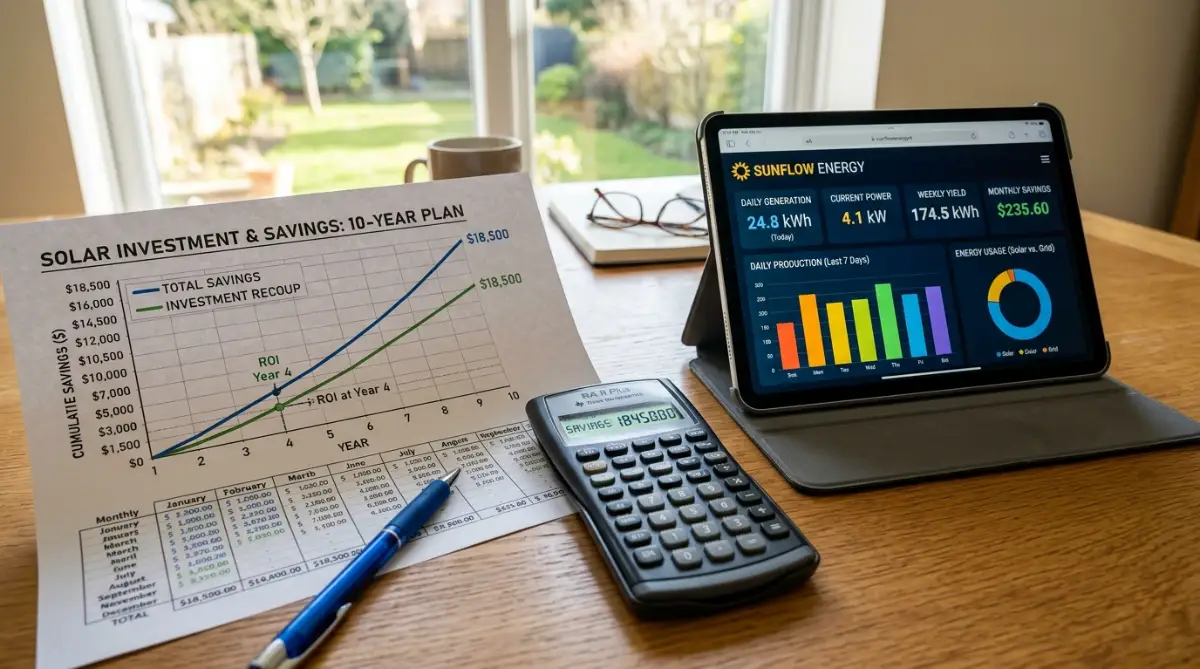
To evaluate whether solar is worth it, you must first understand current residential solar pricing benchmarks across North America. Solar equipment is priced per watt of installed capacity:
My Personal Pro Tip: Whenever I review solar proposals, I always advise homeowners to request competing cash purchase quotes from at least three local installers rather than relying on a single national brand. In my experience, local installers consistently offer lower overhead pricing, better customer service, and transparent equipment warranties without hidden dealer finance fees.
Watch this video guide for an expert video walkthrough detailing real-world residential solar installations, battery storage performance, and installer selection tips:
2. The Federal IRS Section 25D Tax Credit & Financial Incentives
The single most powerful financial mechanism accelerating residential solar adoption in the United States is the Federal Residential Clean Energy Credit under IRS Section 25D:
- Uncapped 30% Tax Credit: You receive a dollar-for-dollar tax credit equal to 30% of total system installation costs—including solar panels, micro-inverters, roof racking, wiring, battery storage, permitting, and professional labor. For related financing help, review our guide on managing educational loans and smart family budgeting.
- Rollover Protection: If your total tax credit exceeds your federal income tax liability in a single year, the remaining credit rolls over into future tax years automatically.
- Applies to Battery Storage: Standalone home battery storage systems qualify for the full 30% credit even if installed without solar panels! Learn how to protect your personal finances by reading our guide on improving your credit score before applying for financial products.
- Home Equity Value Boost: Installing rooftop solar increases home resale value by an average of 4.1%, while remaining exempt from property tax increases in most states. You can also explore how to protect your household investments by reading our guide on choosing a home insurance policy without stress, or check out our suggestions on simple website building tools for small businesses if you manage a remote side venture.
3. Calculating Your Payback Period: Cash vs. Loan vs. Lease
How you finance your solar energy system drastically alters your long-term financial Return on Investment:
- Cash Purchase: Yields the highest total financial return by eliminating finance interest charges, allowing you to claim 100% of the federal tax credit, and achieving payback in 5 to 8 years.
- Solar Ownership Loans: Allows you to own the equipment with zero down payment, where your new monthly loan payment is typically lower than your old electric bill, generating instant cash-flow savings.
- Solar Leases & Papas: A third-party company owns the panels on your roof, and you pay them a monthly fee. Warning: Leases hand the 30% tax credit to the leasing company and can complicate selling your home. For educational and professional training resources, see our guide on affordable educational options and professional training.
4. Common Pitfalls to Avoid When Going Solar
Even though home solar systems offer fantastic long-term returns, homeowners must watch out for deceptive marketing claims. A common pitfall is signing a solar lease or power purchase agreement with an aggressive annual escalator clause that increases your monthly payment every year. Another mistake is ignoring roof condition; installing solar panels over an old roof requires paying expensive panel removal fees when the roof eventually needs replacement. Always evaluate your roof age and financing terms carefully.
5. The Master 6-Step Solar Decision Checklist
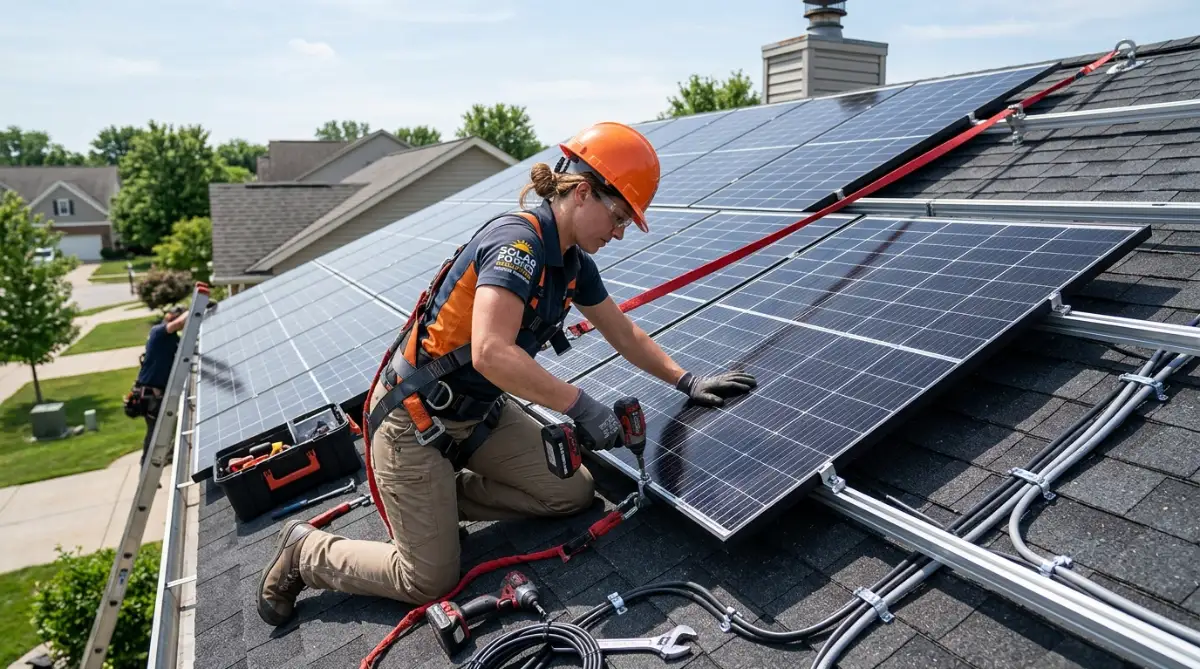
Determine whether solar is right for your home using this step-by-step audit checklist:
- Step 1: Audit 12 Months of Electricity Bills: Confirm your average monthly electric bill exceeds $120/month.
- Step 2: Inspect Roof Age & Shading: Ensure your roof is under 12 years old and has unshaded exposure.
- Step 3: Request 3 Quotes from Certified Installers: Choose NABCEP-certified installers using Tier-1 panels.
- Step 4: Insist on Cash Price Transparency: Identify hidden dealer finance fees before evaluating loan options.
- Step 5: Verify Local Utility Net Metering Rules: Understand your utility export credit rates and battery needs.
- Step 6: File IRS Form 5695 at Tax Time: Claim your 30% federal clean energy tax credit.
6. Final Thoughts and Moving Forward
So, is a home solar system worth it? For the vast majority of American homeowners who live in areas with high utility electric rates, possess unshaded roofs, and own their homes, the answer is a resounding yes. Rooftop solar is one of the rare home improvements that pays for itself, shields your family from utility inflation, and generates tens of thousands of dollars in net financial savings.
In my own home, going solar turned our unpredictable utility bills into a fixed, predictable asset while securing our power supply against blackouts. Take charge of your home energy expenses today. Audit your electric bills, request transparent quotes from certified installers, claim your 30% federal tax credit, and step confidently into an affordable, clean, and energy-independent future!
7. Frequently Asked Questions
Do solar panels work during a power outage?
Standard grid-tied solar panels automatically shut off during a blackout for lineman safety. To keep power during an outage, you must install a hybrid inverter paired with battery storage.
How long do residential solar panels and batteries last?
High-efficiency solar panels come with 25-year performance warranties, while modern lithium iron phosphate home batteries typically last 15 to 20 years.
What is the federal tax credit for home solar and batteries?
Under IRS Section 25D, homeowners receive a 30% federal tax credit covering the total cost of purchasing and installing both solar panels and battery storage systems.
Is it better to buy or lease a home solar system?
Buying your solar system—either with cash or a solar loan—allows you to claim the 30% tax credit and increases your home's equity, whereas leasing offers lower upfront costs but fewer financial benefits.
What happens to my solar power on cloudy or rainy days?
Solar panels continue generating electricity on overcast days, though production drops to roughly 10% to 25% of their peak sunny-day output capacity.
8. Home Energy & Financial Disclaimer
The information provided in this article is for educational, informational, and general consumer guidance only and does not constitute formal electrical engineering, financial, legal, or tax advice. Solar energy production estimates, payback periods, utility Net Metering credit rates, electricity tariffs, home value increases, and federal tax credit eligibility criteria vary significantly based on geographic location, local utility policies, roof pitch, shading, and personal income tax liability. Homeowners are strongly advised to consult with a licensed solar contractor and a Certified Public Accountant before signing solar equipment agreements or filing tax returns.