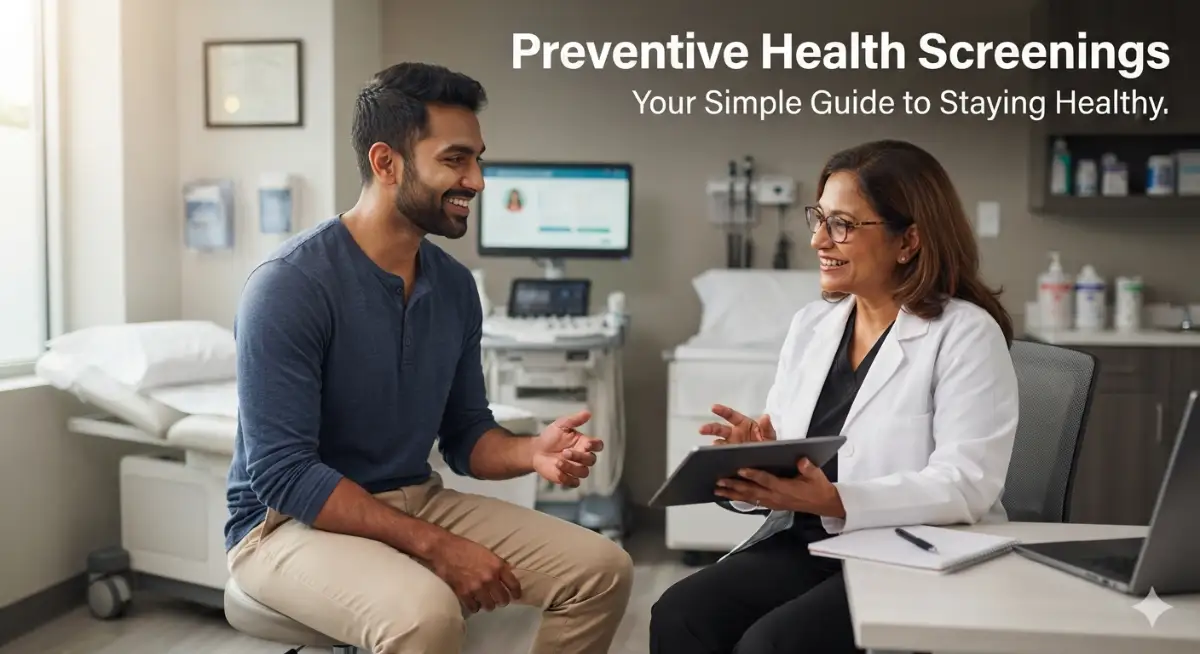
The Four Pillar Benefits of Preventive Healthcare Screenings
Modern medical science has fundamentally reshaped how we understand health and longevity. For generations, healthcare was primarily reactive—people visited a physician only when they felt sick, experienced severe pain, or suffered an obvious injury. Today, healthcare professionals recognize that waiting for physical symptoms to appear is often waiting too long. Many of the most dangerous chronic medical conditions—including high blood pressure, type 2 diabetes, high cholesterol, osteoporosis, and early-stage cancers—develop silently inside the body for years without producing a single warning sign. When I look at how easily these silent conditions can progress undetected, it becomes clear that adopting a proactive mindset is essential for long-term survival.
This is where preventive health screenings play a life-saving role. Preventive screenings are diagnostic tests, physical examinations, and laboratory panels conducted on asymptomatic individuals to catch potential health risks, cellular abnormalities, or metabolic imbalances before they progress into serious diseases. By prioritizing routine, age-appropriate health checkups, adults can take proactive control of their well-being, significantly reduce future medical expenses, and add years of high-quality life to their journey. In my own life, keeping up with regular preventive checks has given me absolute clarity and peace of mind regarding my biological baseline.
Understanding why preventive screenings are essential requires shifting our mindset from sickness management to proactive wellness management. Regular screenings deliver profound medical, psychological, and financial benefits. To examine the broader economic metrics surrounding healthcare spending and preventive care savings, read our comprehensive analysis of healthcare economics and preventive medical savings.
Core Benefits of Proactive Health Checks
- Early Detection Saves Lives: Catching a medical condition in Stage 0 or Stage 1 vastly improves treatment success rates and overall survival statistics compared to late-stage diagnoses.
- Massive Cost Savings: Managing early-stage hypertension or prediabetes through lifestyle modifications and low-cost preventive care costs pennies compared to advanced medical care.
- Establishing Personal Health Baselines: Annual blood work and vital sign tracking create a historical medical baseline, allowing your physician to spot subtle trend shifts early.
- Peace of Mind and Empowerment: Living with the knowledge that you are actively managing your health eliminates health anxiety and empowers informed lifestyle choices.

2. Essential Screenings for Young Adults (Ages 20 to 39)
Young adulthood is often characterized by a feeling of invincibility. However, establishing a strong foundation of preventive health in your 20s and 30s prevents metabolic and cardiovascular damage from quietly accumulating over time.
My Personal Pro Tip
When preparing for an annual screening, I always organize my health history and questions into a digital folder on my phone. In my experience, having an itemized summary of previous lab values helps me track trends and communicate much more effectively with my physician.
Watch: Essential Health Screenings You Shouldn't Skip
To gain expert medical perspectives on age-based checkups, preventative care protocols, and how early detection saves lives, watch this insightful summary featuring leading health contributors:
To discover lifestyle strategies that complement routine screening schedules, read our guide on proven wellness strategies for managing stress and academic health.
3. Specialized Screenings for Middle-Aged and Senior Adults (Ages 40+)
As the human body ages, cellular turnover changes and family genetic predispositions become more pronounced. Expanding your screening portfolio in your 40s, 50s, and 60s is vital for cancer prevention and organ function monitoring.
A. Colorectal Cancer Screenings (Starting at Age 45)
Colorectal cancer is one of the leading causes of cancer-related deaths worldwide, yet it is also one of the most preventable through routine screening. Medical guidelines recommend that all adults of average risk begin regular colorectal cancer screenings at age 45.
B. Mammograms and Breast Health (Starting at Age 40)
For women, annual or biennial screening mammograms are recommended starting between ages 40 and 45 depending on individual risk factors and family history. Mammography can detect micro calcifications and tiny tumors long before they can be felt manually.
C. Prostate Cancer Screening (Shared Decision-Making at Age 50)
Men aged 50 and older, or age 45 for African American men and those with a family history of prostate cancer, should engage in shared decision-making with their physician regarding PSA blood testing.
D. Bone Density Testing (Dex a Scan)
Osteoporosis causes bones to become weak, fragile, and prone to severe fractures. A non-invasive Dex a scan measures bone mineral density and is recommended for women aged 65 and older to prevent debilitating hip and spine fractures.
Learn how to navigate health insurance policies and manage your personal medical records in our essential guide to health insurance navigation and medical record management.
4. How to Prepare for Your Annual Wellness Exam
Maximizing the value of your preventive health appointments requires thoughtful preparation. Going to your appointment organized ensures that no critical diagnostic test is overlooked.
- Document Your Family Medical History: Gather accurate records regarding diseases in your immediate family, including heart disease, stroke, diabetes, and cancers.
- Compile an Updated Medication List: Bring an accurate list of all current prescription medications, over-the-counter drugs, vitamins, and supplements.
- Write Down Your Specific Health Questions: Prepare a written list of questions regarding sleep quality, energy levels, or digestive changes to review with your doctor.
- Verify Insurance Coverage Under the ACA: Most commercial health insurance plans and Medicare cover USPSTF Grade A and B preventive screenings at 100% with no copays.
If you are exploring career opportunities in preventive medicine or allied health fields, review our guide to high-paying healthcare careers and wellness support roles.

5. Making Prevention a Lifelong Priority
Your health is your most valuable asset, and protecting it requires a proactive, lifelong commitment. Preventive health screenings are not merely administrative check marks on a calendar; they are powerful diagnostic tools designed to safeguard your vitality, protect your family's future, and grant you peace of mind.
I always urge my readers not to wait for pain or illness to force a medical visit. In my own personal wellness journey, prioritizing preventive schedules transformed my approach to long-term health. Schedule your annual wellness physical today, review your screening guidelines with your primary care provider, and take confident ownership of your longevity!
6. Additional Resource Navigation
To further support your long-term wellness planning and personal financial readiness, review our recommended guide:
7. Frequently Asked Questions
What qualifies as a preventive health screening?
A preventive screening is a medical test performed on an individual without symptoms to detect hidden health risks or early-stage disease.
Are preventive screenings covered by health insurance?
Yes, under the Affordable Care Act, most in-network preventive services recommended by the USPS TF are fully covered with zero copays or deductibles.
At what age should adults begin regular cholesterol testing?
Baseline lipid panel evaluations are generally recommended for all adults starting at age 20, and repeated every 4 to 5 years depending on personal risk.
Why is routine colorectal cancer screening so important?
Routine screening detects and removes precancerous polyps before they have any opportunity to develop into malignant colorectal cancer.
How often should I schedule a comprehensive physical exam?
An annual wellness visit with your primary care physician is recommended to track vital sign baselines, update labs, and review screening schedules.
8. Disclaimer
The information provided in this article is for educational and informational purposes only and should not be construed as professional medical advice, diagnosis, or treatment. Always seek the advice of your physician or qualified health provider with any questions you may have regarding a medical condition or specific screening schedule. Never disregard professional medical advice or delay in seeking it because of something you have read in this article.