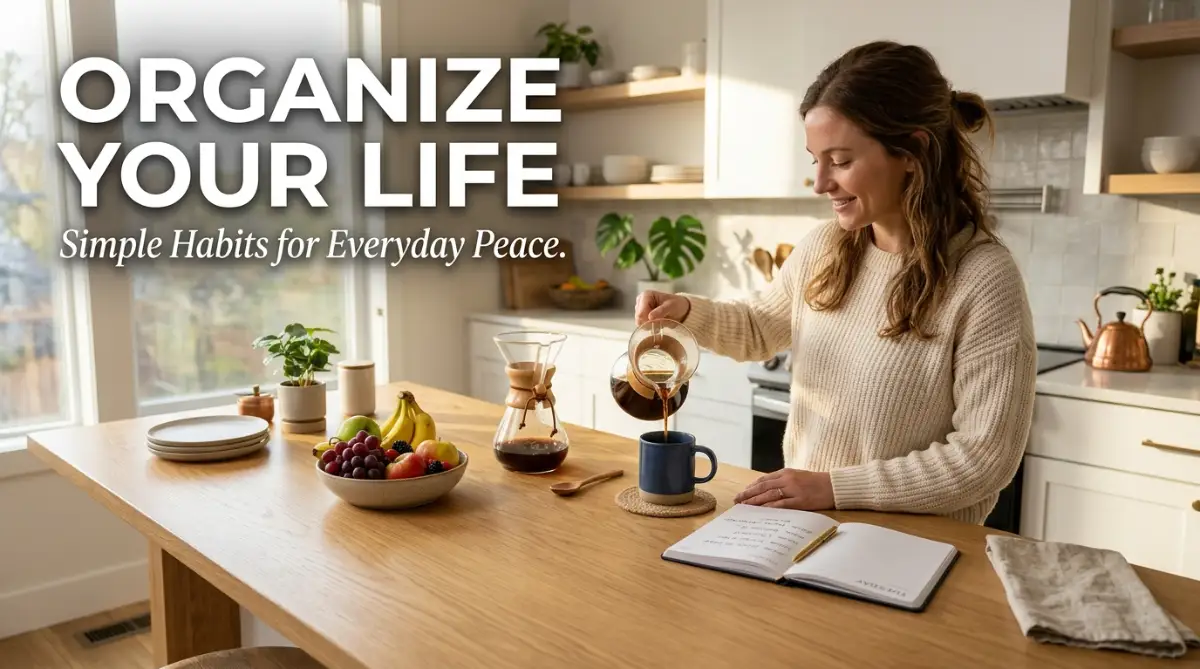
How Disorganization Almost Ruined My Health and Happiness
I remember waking up on a random Tuesday morning two years ago and feeling an instant, crushing wave of panic. My alarm had failed to go off, my phone battery was completely dead, and my house keys were nowhere to be found. I frantically ran around my messy living room, digging through piles of unopened mail and dirty laundry just to find a clean shirt.
By the time I finally rushed out the front door, I had skipped breakfast and forgotten my important work laptop on the kitchen counter. I spent my entire commute gripping the steering wheel, completely consumed by anxiety and frustration. That single morning felt like a terrifying metaphor for my entire existence at the time.
I was constantly running behind schedule, apologizing for missed appointments, and paying expensive late fees on forgotten bills. The physical mess in my home had slowly created an intense mental fog that I could not escape. I felt like a passenger in my own life, just reacting to daily emergencies instead of actually living.
The breaking point hit when my doctor warned me that my chronic stress levels were causing severe sleep deprivation and high blood pressure. My chaotic lifestyle was no longer just a minor inconvenience; it was actively destroying my physical health.
That scary medical reality forced me to completely rethink how I managed my daily responsibilities. I realized that getting organized was not about buying fancy planners or achieving flawless perfection.
It was simply about building reliable, low-friction systems that protected my energy and reduced my daily decisions. I decided to start small, focusing entirely on simple ways to make everyday life easier and more organized.
Building a Frictionless Daily Routine
Creating an organized life requires a solid foundation of reliable daily habits. You cannot simply clean your house once and expect your life to magically stay in order forever.
Organization is an ongoing practice of being kind to your future self. By implementing small, strategic changes today, you remove massive roadblocks from tomorrow's schedule.
Let us break down the exact, step-by-step methods you can use to streamline your daily tasks. These are the exact habits I used to completely turn my chaotic routine around.
Step 1: Implement the 15-Minute Nightly Reset
Your morning actually begins the night before, while your house is quiet and your day is winding down. Waking up to a messy kitchen and a chaotic living room instantly triggers your brain's stress response.
To fix this, commit to a strict 15-minute cleaning sprint right before you go to bed. Wipe down the kitchen counters, load the dishwasher, and place your shoes by the front door.
You should also lay out your clothes for the next day and pack your work bag in advance. This eliminates morning decision fatigue, allowing you to start your day peacefully.
Step 2: Master the "Two-Minute Rule"
Procrastination is the ultimate enemy of an organized and peaceful life. When we put off tiny chores, they slowly accumulate into massive, overwhelming projects that consume our weekends.
The "Two-Minute Rule" states that if a task takes less than two minutes to complete, you must do it immediately. If you finish reading a piece of junk mail, throw it in the recycling bin right then and there.
If you drop a shirt on the floor, take sixty seconds to hang it back up in the closet. Productivity experts explain that these micro-habits prevent small messes from becoming heavy mental burdens.
Step 3: Centralize Your Digital Brain
Trying to remember every single doctor's appointment, grocery item, and work deadline in your head is a guaranteed recipe for failure. The human brain is designed for creating new ideas, not for storing long lists of random information.
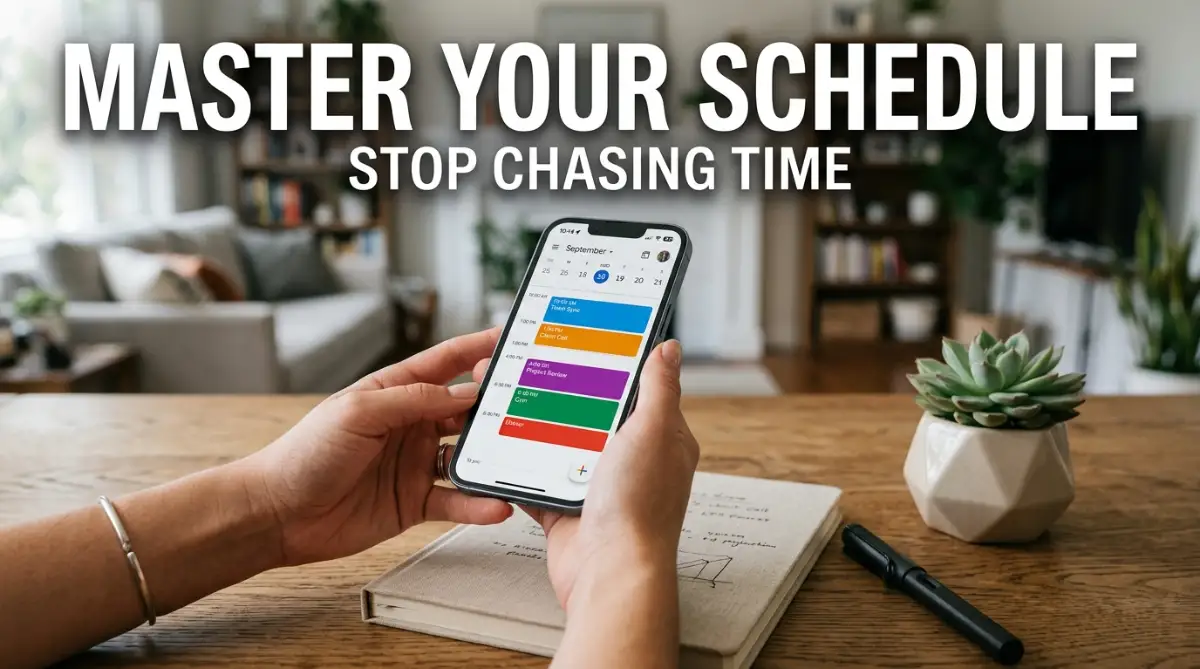
You need to pick one single digital calendar app and commit to using it for everything. Sync this calendar across your smartphone, computer, and tablet so you always have access to your schedule.
Whenever someone asks you for a favor or schedules a meeting, put it into your calendar immediately. Never trust your memory when a digital tool can handle the heavy lifting for you.
Step 4: Automate Your Basic Finances
Financial disorganization causes some of the highest levels of anxiety for modern adults. Missing a payment not only results in painful late fees, but it can also severely damage your credit history.
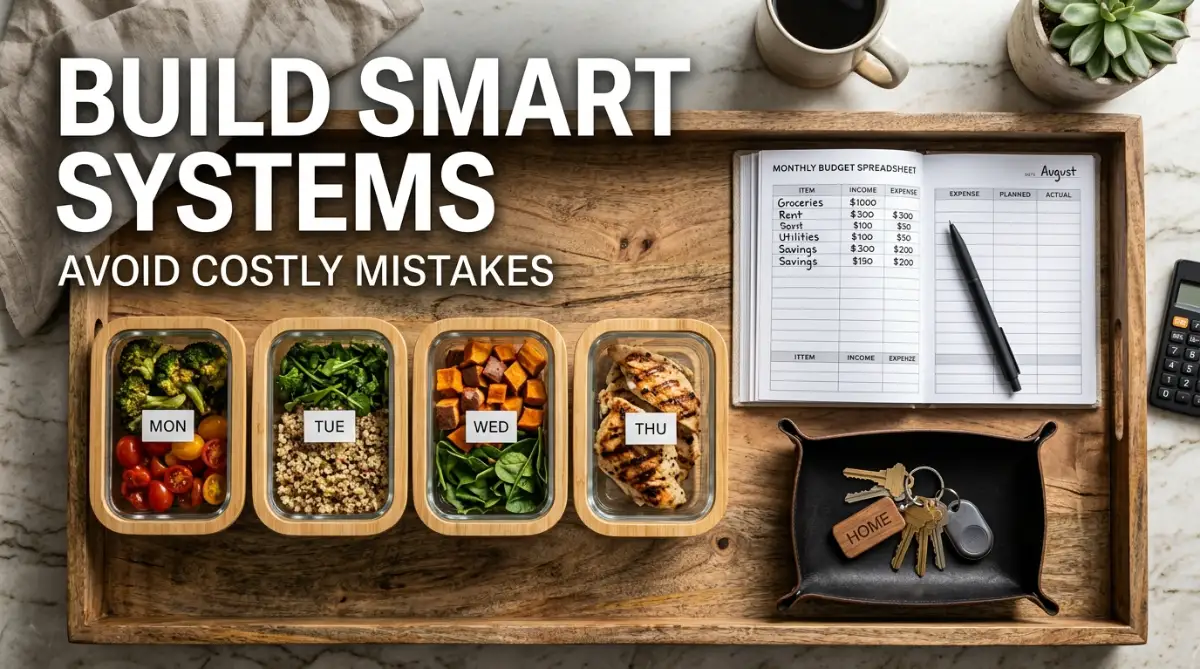
Take one hour this weekend to log into your bank account and set up automatic payments for your recurring bills. This includes your rent, electricity, internet, and basic utility services.
Once your bills are automated, your mental load decreases dramatically. You will never have to wake up in a cold sweat wondering if you remembered to pay the water bill.
Step 5: Embrace Sunday Meal Prepping
Deciding what to eat after a long, exhausting day of work often leads to expensive and unhealthy fast food choices. The "what is for dinner" question is a daily drain on your willpower.
Spend one hour on Sunday afternoon chopping vegetables, cooking grains, and preparing protein sources for the week. Store these ingredients in clear glass containers in your refrigerator so you can easily see what you have.
When you come home tired on a Wednesday evening, assembling a healthy dinner will only take ten minutes. This simple routine saves you hundreds of dollars a month and keeps your energy levels high.
Watch the Daily Organization Masterclass
Sometimes, seeing how these habits fit into a real-world scenario is the best way to understand them. Watching a visual walkthrough of a structured day can provide the exact inspiration you need.
Watch this comprehensive video guide below to see exactly how these simple life organization systems work in real time:
Daily Habits Comparison Overview
Understanding the difference between a chaotic approach and an organized approach makes changing your habits much easier. Here is a clear breakdown of how simple shifts change your daily outcomes.
Myth vs Reality: Life Organization
- Myth: Being organized means your house looks like a perfect museum every single day.
- Reality: Organization simply means you have a fast, efficient system to clean up the inevitable messes of daily life.
- Myth: You need an expensive, leather-bound planner to manage your time properly.
- Reality: A free digital calendar app on your phone is much more reliable because it sends you active push notifications.
- Myth: Highly organized people are just born with a special personality trait.
- Reality: Organization is an entirely learnable skill built through repeated, simple daily actions and routines.
My Personal Pro Tip:
I highly recommend setting a daily alarm on your phone for 8:00 PM labeled "Shutdown Sequence." When that alarm rings, I put my phone in another room, do my 15-minute house reset, and transition completely into relaxation mode. This strict boundary stops my work stress from bleeding into my personal evening time!
Advanced Strategies for Long-Term Organization
Once you master the basic daily habits like meal prepping and nightly resets, it is time to look at the bigger picture. True life organization involves optimizing your long-term goals and managing your mental energy effectively.
If you only focus on cleaning your house, you might still feel overwhelmed by your digital life or career trajectory. Let us explore some advanced concepts that will completely future-proof your peace of mind.
First, you must address your digital clutter with the same aggressive energy you use for your physical home. A smartphone flooded with unread emails, useless apps, and constant push notifications will drain your dopamine rapidly.
Take time this weekend to unsubscribe from promotional retail emails that tempt you to spend money impulsively. Delete applications that you have not opened in the last three months to free up storage space and visual clutter.
Modern psychologists suggest turning off all non-essential notifications to regain control of your attention span. Your phone should be a tool that serves your schedule, not a slot machine that demands your constant focus.
Next, start practicing the concept of "Habit Stacking" to introduce new positive routines effortlessly. Habit stacking involves taking a new habit you want to build and attaching it directly to a habit you already do automatically.
For example, if you want to start taking daily vitamins, place the vitamin bottle directly on top of your coffee maker. Because you already make coffee every morning without thinking, you will naturally remember to take your vitamins at the exact same time.
Another powerful strategy is learning how to perform a "Weekly Brain Dump" every Friday afternoon. Throughout the week, our brains accumulate hundreds of random worries, ideas, and pending tasks.
Take a blank sheet of paper and spend ten minutes writing down absolutely everything that is on your mind. Getting these abstract thoughts out of your head and onto physical paper dramatically reduces subconscious anxiety.
Finally, understand the power of saying "No" to unnecessary commitments and social obligations. The most organized calendar in the world cannot save you if you constantly overcommit your limited time.
Protecting your weekend rest is highly important for maintaining high performance during the workweek. A truly organized life leaves plenty of empty white space on the calendar for spontaneous joy and deep relaxation.
Costly Mistakes That Ruin Your Organization Goals
I have made plenty of embarrassing and expensive mistakes while trying to get my life together over the years. Some of these errors cost me hundreds of dollars and caused a massive amount of unnecessary burnout.
My biggest blunder was falling victim to the "Fresh Start Illusion" and trying to change my entire life overnight. I once decided that on a single Sunday, I would clean my whole house, prep all my meals, and restructure my finances.
By 3:00 PM, I was completely exhausted, cranky, and ended up ordering expensive takeout while ignoring my budget. I learned the hard way that trying to build ten new habits at once guarantees that none of them will stick.
You must introduce changes slowly, focusing on mastering one single routine before moving on to the next. Consistency over a long period always beats short, aggressive bursts of unsustainable motivation.
Another terrible mistake I made was buying complicated organizational tools before actually decluttering my space. I spent over a hundred dollars on fancy acrylic storage bins thinking they would magically organize my messy bathroom.
Instead, I just stuffed my expired medicines and empty shampoo bottles into pretty containers. The clutter was still there, it was just slightly more expensive to look at.
The truth is that you can never out-organize an excessive amount of junk. You must ruthlessly throw away, donate, or sell items you no longer use before you buy a single storage bin.
I also deeply regret neglecting my personal energy cycles when planning my daily tasks. I used to schedule my hardest, most complex writing projects for 4:00 PM, right when my brain was naturally exhausted.
Moving my most difficult work to 9:00 AM, when my focus was sharpest, completely transformed my productivity. You have to align your daily schedule with your natural biological rhythms, not fight against them.
Embracing a Calmer, Streamlined Future
Transforming your daily routine from chaotic to peaceful is a personal journey that requires immense patience and self-forgiveness. You are going to have messy days where the laundry piles up and your calendar falls apart, and that is perfectly okay.
The goal of organization is not rigid perfection; it is simply about creating a safety net for when life gets overwhelming. By implementing these simple, low-effort systems, you give yourself the freedom to actually enjoy your free time without feeling guilty.
I really hope my past struggles and current strategies help you design a daily flow that brings you genuine peace. I can confidently say that taking the time to structure my life was the greatest act of self-care I ever performed!
Read More Useful Guides
If you are looking to organize other major areas of your life, check out these helpful resources below:
- Federal vs Private Student Loans: How to Choose Wisely
- How to Choose Your First Home Insurance Policy Without Stress
- Easy AI Website Builders for Small Businesses: Simple Setup Guide
- How to Improve Your Credit Score Before Applying for a Mortgage
- Best Community Colleges in the USA for Affordable Education
Frequently Asked Questions
How do I start organizing my life when I feel overwhelmed?
Start with the smallest, most visible task to build immediate momentum and confidence. Doing a 15-minute speed clean of your kitchen counter or making your bed takes almost no energy but provides a huge mental boost. Do not attempt to organize your entire house in one day.
What is the most effective daily habit for staying organized?
The 15-minute nightly reset is widely considered the most powerful foundational habit. Preparing your clothes, packing your bags, and clearing the sink the night before ensures you wake up to a peaceful environment. This completely eliminates morning decision fatigue.
How can I stop procrastinating on small household chores?
Implement the "Two-Minute Rule" immediately. If a task, like hanging up a coat or answering a brief email, takes less than two minutes, do not put it on a list. Do it right in that exact moment to prevent tiny tasks from accumulating into overwhelming mountains of work.
Is a digital calendar better than a paper planner?
For most busy adults, a digital calendar is far superior because it can send active push notifications to your phone. It also syncs across multiple devices, ensuring you never leave your schedule at home. However, paper planners are still excellent for journaling and daily brain dumps.
How do I keep my digital life organized and stress-free?
Turn off all non-essential push notifications from social media and shopping applications to protect your focus. Dedicate one hour a month to clearing your computer's desktop, emptying your digital trash bin, and unsubscribing from useless promotional emails.
Category Disclaimer:
The information provided in this article is for educational and self-improvement purposes only. Individual results with productivity techniques may vary. Always consult with a licensed mental health professional if chronic stress or anxiety is severely impacting your daily life.