Navigating US Regulations and Finding Low-Fee Platforms
I still remember my very first $1,000 crypto purchase four years ago. I opened a popular mobile app, clicked the big blue instant buy button, and placed the order. Only after reviewing my transaction receipt did I realize the app had charged me a $29.90 processing fee plus a 1.5% hidden spread markup! I lost nearly $45 instantly before my coins even entered my account. That expensive mistake forced me to learn the difference between basic consumer apps and professional order books—a simple discovery that has saved me thousands of dollars in trading fees ever since.
Navigating the cryptocurrency market as an investor residing in the United States presents a unique set of opportunities and regulatory challenges. While global crypto traders often utilize offshore exchanges with unregulated leverage, American investors operate under strict federal and state oversight enforced by regulatory bodies and individual state banking licenses.
Because major global platforms restrict access to US IP addresses, American investors must select from fully licensed, US-compliant cryptocurrency exchanges. However, choosing the right platform isn't just about finding a place to press a buy button. The exchange you choose determines your trading fee overhead, access to specific digital assets, customer service quality, fiat bank deposit speeds, and most importantly, the security of your digital wealth.
From high-fee consumer apps to professional low-fee order books and institutional-grade cold storage vaults, no two US crypto platforms are built the same. Let us conduct a comprehensive, side-by-side comparison of the top cryptocurrency exchanges for US investors so you can select the perfect platform for your investment goals!
What Makes a Crypto Exchange Great for US Investors?
Evaluating cryptocurrency platforms requires analyzing several critical regulatory and operational benchmarks before depositing your hard-earned USD:
- US Regulatory Compliance & State Licensing: The platform must be registered as a Money Services Business with FinCEN and hold individual state money transmitter licenses across operating territories.
- Transparent Maker/Taker Fee Schedules: Top exchanges offer tier-based maker/taker fee structures on advanced trading views, whereas simple instant buy widgets charge exorbitant convenience fees per trade.
- Proof of Reserves & Cold Storage Ratios: Industry-leading exchanges store the vast majority of customer digital assets in offline, geographically distributed cold storage hardware vaults backed by third-party audit attestations.
- Fiat On-Ramps & ACH Bank Transfer Speeds: Seamless integration with US banking systems via free Automated Clearing House transfers and wire options ensures fast liquidity when buying or selling.
Top-Tier US Exchanges at a Glance
My Personal Pro Tip
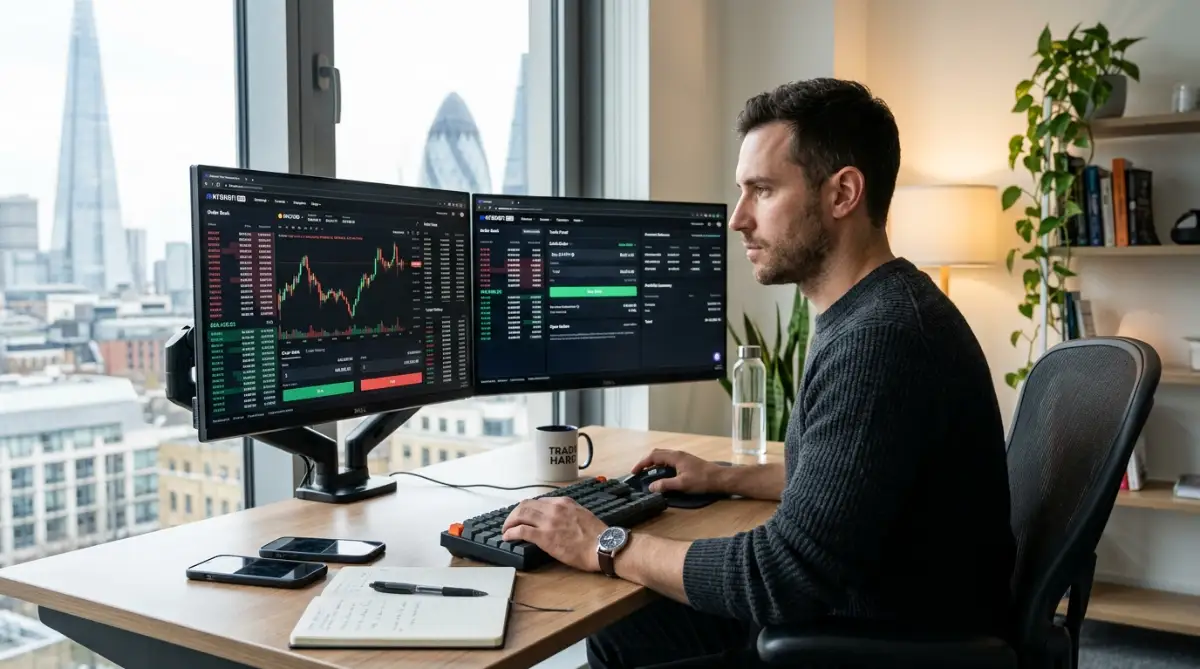
When I trade on US platforms, my personal pro tip is to always use limit orders instead of market orders on advanced trading panels. Placing limit orders ensures you act as a market maker or taker with predictable, lower fee tiers, completely avoiding the steep hidden spreads tacked onto standard consumer purchase interfaces.
Visual Insight: Top Crypto Exchanges Compared
Watch this detailed, practical video guide to compare top cryptocurrency trading platforms, analyze maker/taker fee structures, and learn how to select the lowest-cost exchange for your needs!
Top 5 US Crypto Exchanges Compared
We evaluated leading US-regulated platforms across security standards, trading fees, asset availability, and mobile app quality. Here is how the top US crypto exchanges stack up:
1. Coinbase / Coinbase Advanced (Best Overall for US Investors)
Coinbase is the premier, publicly traded cryptocurrency exchange in the United States. While its standard mobile app interface charges higher convenience fees for beginners, switching to Coinbase Advanced unlocks professional order books, deep market liquidity, and competitive maker/taker fees scaling down significantly with trading volume.
2. Kraken / Kraken Pro (Best for Lowest Trading Fees & Security)
Kraken is world-famous for its flawless security track record and industry-leading customer support. Kraken Pro offers some of the lowest baseline trading fees in the US market, making it the top recommendation for cost-conscious investors and active traders looking to maximize capital efficiency.
3. Gemini (Best for Regulatory Compliance & NY Bit license)
Founded by the Winkle Voss twins, Gemini prioritizes institutional compliance and security. Gemini was among the first exchanges to obtain a New York Bit license and holds robust SOC security certifications. Using Gemini Active trader grants access to low-fee order books and reliable API integrations.
4. Crypto.com App (Best Mobile Ecosystem & Crypto Rewards)
Crypto.com delivers a sleek, mobile-first trading experience for US users. It offers a massive selection of altcoins, automated recurring buy options, an integrated decentralized wallet ecosystem, and popular crypto rewards Visa cards.
5. Robinhood Crypto (Best for Commission-Free Stock & Crypto Integration)
Robinhood allows US investors to manage traditional stock portfolios and cryptocurrency side-by-side. Robinhood offers commission-free crypto trades, automated recurring purchases, and full support for transferring digital assets to non-custodial external wallets.
When setting up these accounts, following a disciplined security checklist is paramount. Always complete identity verification promptly, enable hardware-based authentication keys rather than vulnerable text messages, and keep your long-term wealth protected in cold storage wallets. Furthermore, keeping your household budget organized by reviewing guidelines like federal vs private student loans ensures that your everyday monetary obligations never interfere with your investment allocations.
Maintaining strong credit health and financial readiness is equally important when managing active brokerage and exchange accounts. To keep your financial profile in top shape, check out resources on how to improve your credit score. Additionally, protecting your broader personal assets through reliable planning—such as learning how to choose your first home insurance policy—creates a secure financial perimeter around your household.
 Common Mistakes and Pitfalls to Avoid
Many traders run into avoidable financial traps when interacting with digital asset exchanges due to oversight or lack of preparation:
- Using Default Instant Buy Buttons: Relying on simplified home screen purchase options instead of pro order books means paying hidden retail spreads and high flat fees.
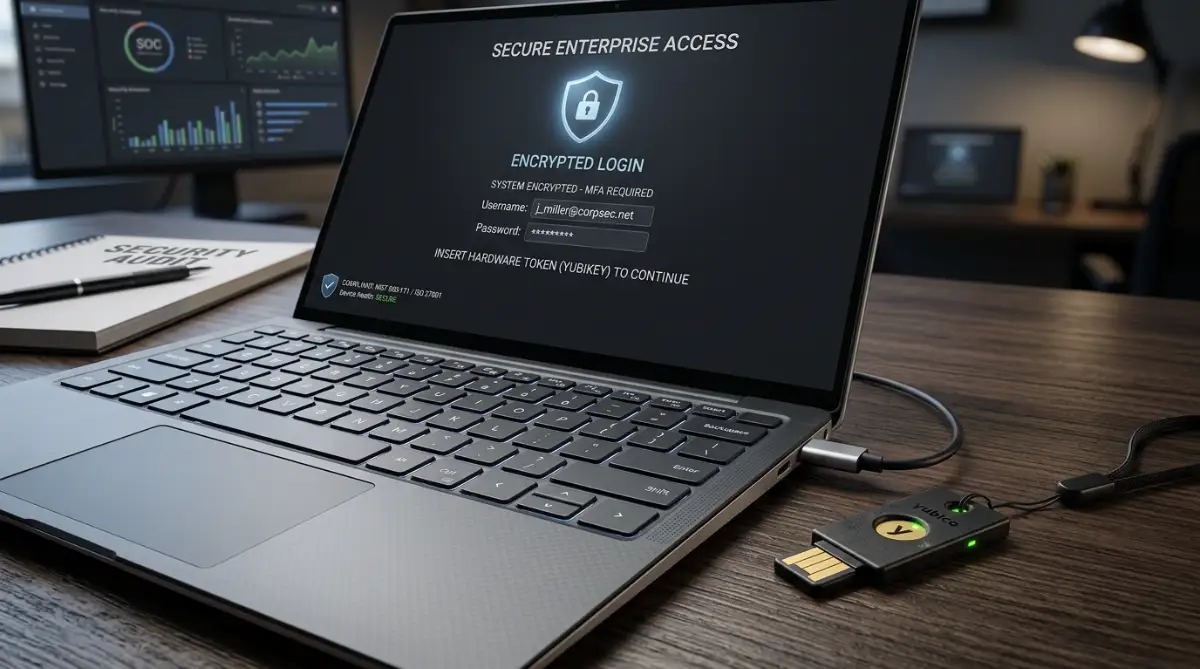
- Neglecting Account Security: Failing to set up app-based or hardware-key 2FA leaves exchange accounts vulnerable to unauthorized SIM-swap attacks.
- Leaving Long-Term Capital on Exchanges: Storing large cryptocurrency balances indefinitely on hot exchange wallets rather than transferring them to personal cold storage exposes you to platform counterparty risks.
- Failing to Track Transaction History: Not exporting CSV trading logs or connecting APIs to tax software creates major headaches when filing annual capital gains reports.
Ensuring your wider financial education and community background remain strong helps keep your trading habits grounded. If you are exploring ways to build professional digital skills or manage education funds economically, reviewing details on best community colleges in the usa for affordable education provides cost-effective pathways for personal growth without taking on unnecessary financial strain.
Building Wealth on a Solid Foundation
At the end of the day, selecting a top US crypto exchange isn't about chasing flashy trading bonuses—it is about securing a trustworthy, transparent gateway into the future of global finance. When you choose a regulated exchange, enable hardware security, and switch to low-fee order books, you take total control of your financial destiny. You can invest with clarity, build digital wealth safely, and sleep soundly knowing your assets are protected.
Reflecting on my own progression from paying steep retail fees to executing precision limit orders on regulated platforms, I encourage you to take your time evaluating platforms. Prioritize security, minimize your fee overhead, and establish a disciplined routine that serves your long-term goals.
US Crypto Exchange Do's and Don'ts
Frequently Asked Questions
What is the safest cryptocurrency exchange for US investors?
US-regulated platforms like Coinbase, Kraken, and Gemini are widely considered the safest choices for American investors due to strict state licensing and robust cold storage practices.
How can I lower my trading fees on US crypto exchanges?
You can lower your fees by using advanced trading interfaces (such as Kraken Pro or Coinbase Advanced) and executing limit orders instead of using consumer instant-buy widgets.
Are international exchanges legal for US residents?
Most major international exchanges block US IP addresses and do not hold the required state money transmitter licenses, making them non-compliant for residents living in the United States.
Do I need to verify my identity to use a US exchange?
Yes, federal KYC regulations require all legitimate US-compliant cryptocurrency exchanges to verify user identities using a government-issued ID and proof of address.
Should I keep my cryptocurrency on the exchange after buying?
For long-term holding, it is strongly recommended to transfer your digital assets from exchange hot wallets to a personal self-custody hardware cold wallet for maximum security.
Disclaimer: This article is published exclusively for educational and informational purposes. It does not constitute formal financial, legal, or investment advice. Cryptocurrency markets carry inherent price volatility and regulatory risks. Always consult with a certified financial planner, tax professional, or licensed investment advisor prior to purchasing digital assets or opening exchange accounts.