Top Eco-Friendly Home Upgrades That Deliver Long-Term Savings
Are you tired of watching your hard-earned money vanish into high monthly electricity and natural gas bills? Transitioning to a sustainable home doesn't have to mean breaking the bank; modern green renovations represent high-yield financial investments that pay direct monthly dividends. In this comprehensive guide, we explore how cold-climate heat pumps, high-performance attic insulation, smart home automation, and ENERGY STAR windows can slash your utility expenses by 30% to 50% while unlocking up to $3,200 in annual federal tax credits. Discover how to future-proof your living space, eliminate drafty rooms, and turn recurring utility costs into long-term home equity today!
For millions of American homeowners, managing monthly household expenses has become an increasingly difficult balancing act. Between rising inflation, escalating electric utility tariffs, and higher natural gas prices, the cost of heating, cooling, and powering a home has reached historic highs. According to energy economics studies, the average American household spends over $2,400 per year on utility energy bills—with nearly 50% of that energy wasted due to inefficient insulation, outdated HVAC heating systems, drafty single-pane windows, and old home appliances. When I first looked at our family's climbing winter heating bills, I felt completely trapped by utility companies that raised their rates year after year with no warning. Our old fossil fuel furnace ran constantly, yet our living spaces still felt drafty and cold during freezing weather, making our monthly heating bills an enormous financial burden. I knew I needed to find a reliable way to make our living space more energy efficient without gambling our savings on unproven gadgets. Taking time to study whole-home weatherization and modern heat pump technology completely transformed our home comfort, slashing our energy bills in half while making our house cozy year-round.
Historically, going green or making sustainable home improvements was viewed as an expensive luxury reserved for eco-conscious enthusiasts willing to accept poor financial returns. Today, however, the paradigm has shifted entirely.
Modern eco-friendly home upgrades represent high-yield financial investments that pay direct monthly dividends. By replacing energy-wasting legacy hardware with high-efficiency heat pumps, blown-in attic insulation, smart climate controls, and water-saving fixtures, homeowners can slash utility expenses by 30% to 50%, enhance daily indoor comfort, boost real estate market value, and eliminate drafty rooms. Furthermore, with landmark legislation under the Inflation Reduction Act offering up to $14,000 in direct federal rebates and 30% IRS tax credits, funding sustainable home renovations has never been more accessible. In this ultimate guide, we evaluate the top eco-friendly home upgrades that deliver long-term savings, analyze return-on-investment timelines, examine federal incentive programs, and share a practical implementation plan to future-proof your living space.
1. Whole-Home Air Sealing and High-Performance Attic Insulation
Before buying expensive solar panels or high-tech heat pumps, the most cost-effective, high-ROI energy upgrade any homeowner can perform is Whole-Home Air Sealing and Attic Insulation.
- Blown-In Cellulose Insulation: Made from 85% recycled newspaper treated with non-toxic borate fire retardant, cellulose fills small gaps between joists, offering R-3.5 to R-3.8 per inch at budget-friendly costs. For related financing help, review our guide on managing educational loans and smart family budgeting.
- Spray Foam Insulation (Closed-Cell): Provides an impenetrable moisture and air barrier with an industry-leading R-6.5 per inch, ideal for unvented roof rafters, basements, and exterior walls.
- Mineral Wool Batts: Non-combustible, dense basalt rock fiber providing superior soundproofing, fire resistance, and moisture repulsion for interior walls and crawlspaces.
To analyze broader consumer spending economics and home energy technology budgeting strategies, explore our comprehensive analysis of consumer financial planning and green energy economics.
2. Cold-Climate Electric Heat Pumps (HVAC & Water Heating)
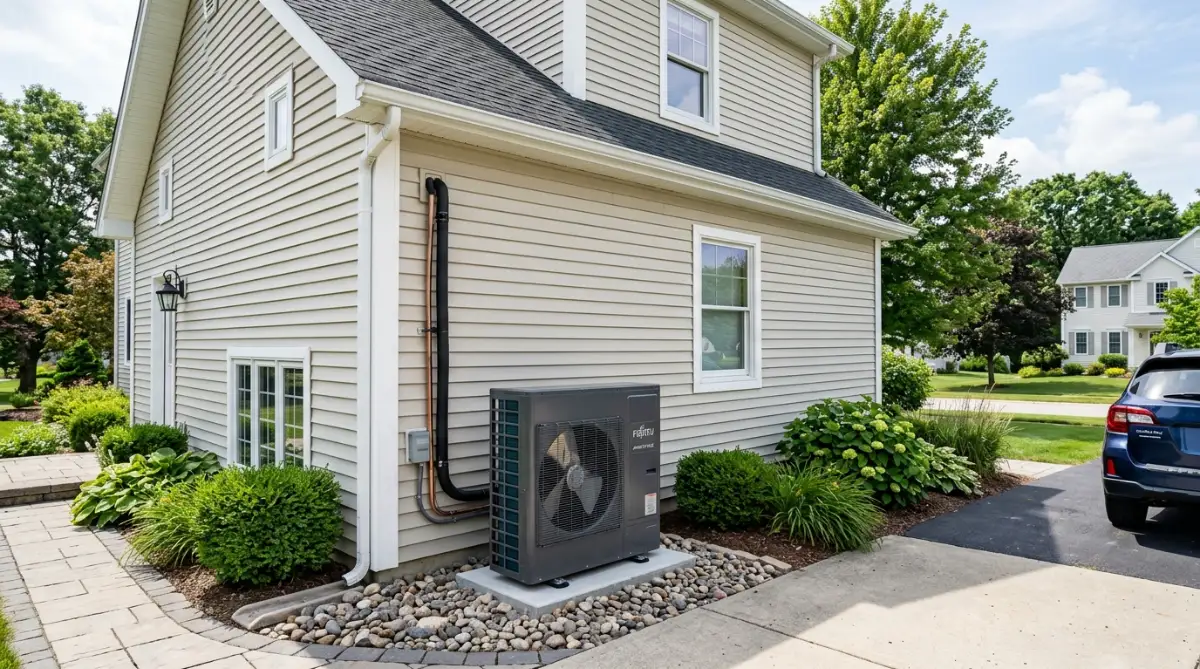
Traditional heating systems burn fossil fuels or run inefficient electric resistance coils to produce heat. Modern Cold-Climate Heat Pumps represent a quantum leap in thermodynamic efficiency:
My Personal Pro Tip: Whenever I look at heating and cooling upgrades, I always advise homeowners to prioritize sealing attic air leaks and adding insulation *before* sizing a new heat pump. In my experience, tightening your home's thermal envelope first allows you to install a smaller, less expensive heat pump system while maintaining absolute indoor comfort.
Watch this video guide for an expert video walkthrough detailing sustainable renovation choices and high-performance thermal insulation:
3. Smart Home Automation & Water Conservation Tech
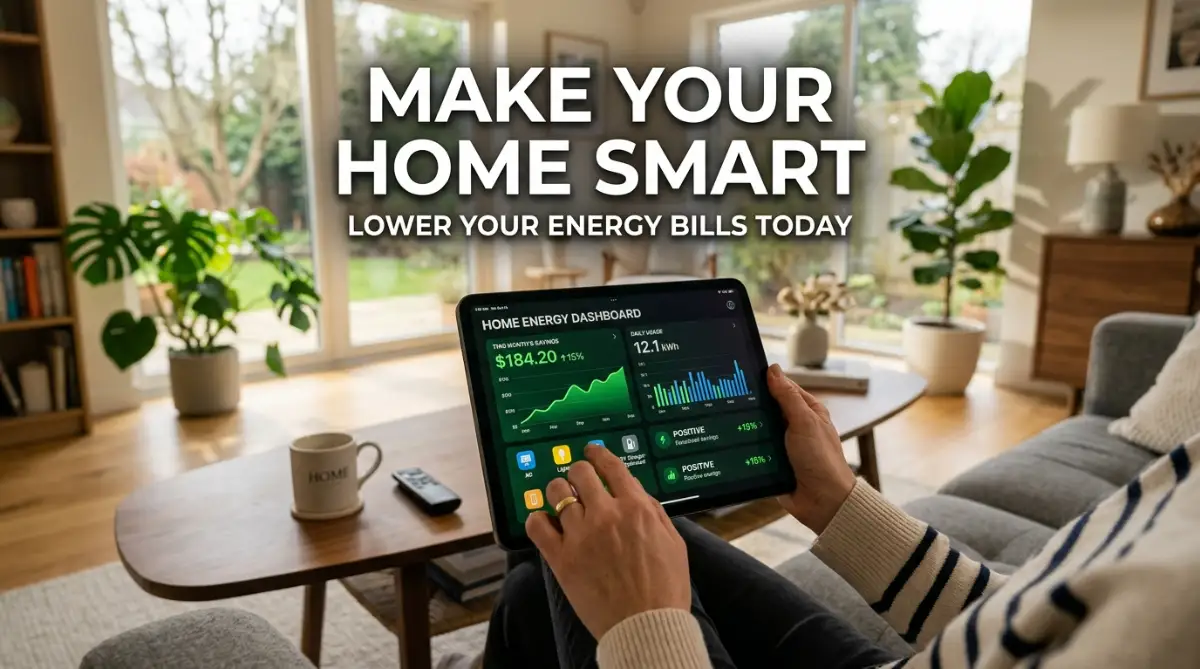
Optimizing daily energy and water usage no longer requires manual vigilance; automated smart devices monitor and optimize resource consumption in real-time:
- Smart Learning Thermostats: Utilize remote room temperature sensors and occupancy algorithms to eliminate over-heating or over-cooling unoccupied rooms, saving 10%–15% on annual climate bills. Learn how to protect your personal finances by reading our guide on improving your credit score before applying for financial products.
- Automated Water Leak Detectors & Shut-Off Valves: Placed on main water supply lines, these smart meters detect microscopic pipe leaks and automatically shut off water main valves during catastrophic pipe bursts, protecting homes from $20,000+ water damage repair bills. You can also explore how to protect your household investments by reading our guide on choosing a home insurance policy without stress, or check out our suggestions on simple website building tools for small businesses if you manage a remote side venture.
4. Common Pitfalls to Avoid When Greening Your Home
Even though eco-friendly home upgrades offer fantastic financial returns, homeowners must avoid common planning mistakes. A common pitfall is rushing to buy new windows or solar panels before checking whether your attic insulation and exterior wall sealing are up to standard; tightening the thermal envelope should always come first. Another mistake is hiring unqualified contractors who fail to pull municipal building permits, which can disqualify you from claiming federal IRS tax credits or local utility rebates. Always work with certified energy professionals.
5. The Master 5-Step Green Renovation Action Plan
Maximize your financial energy savings by following this step-by-step implementation roadmap:
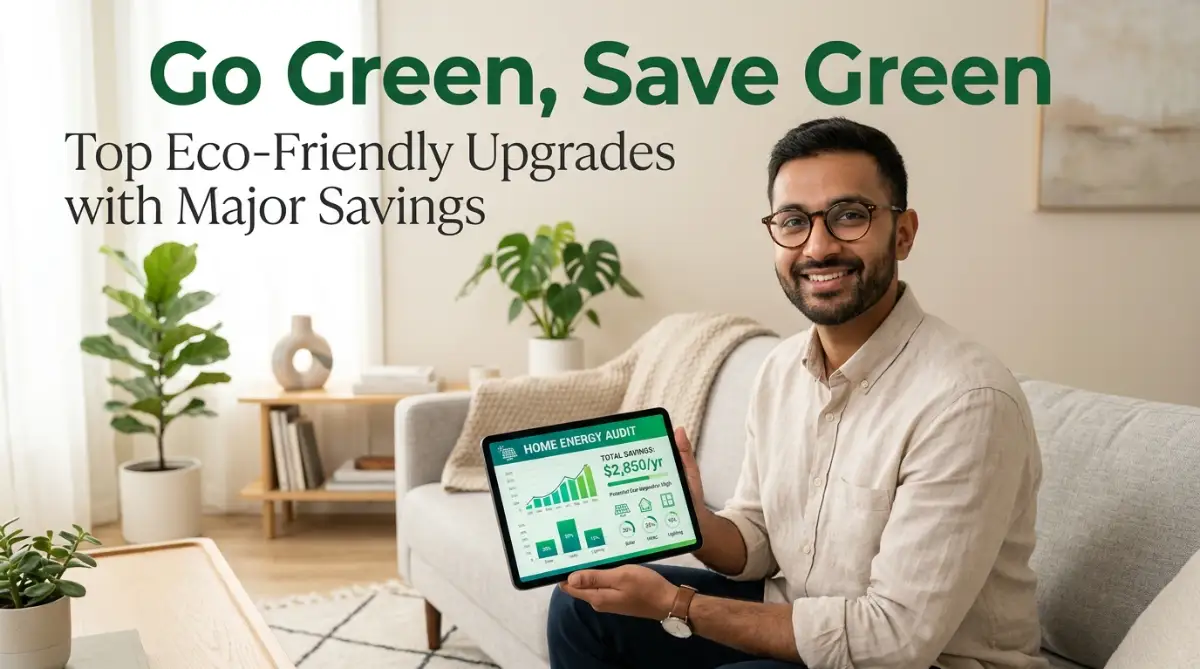
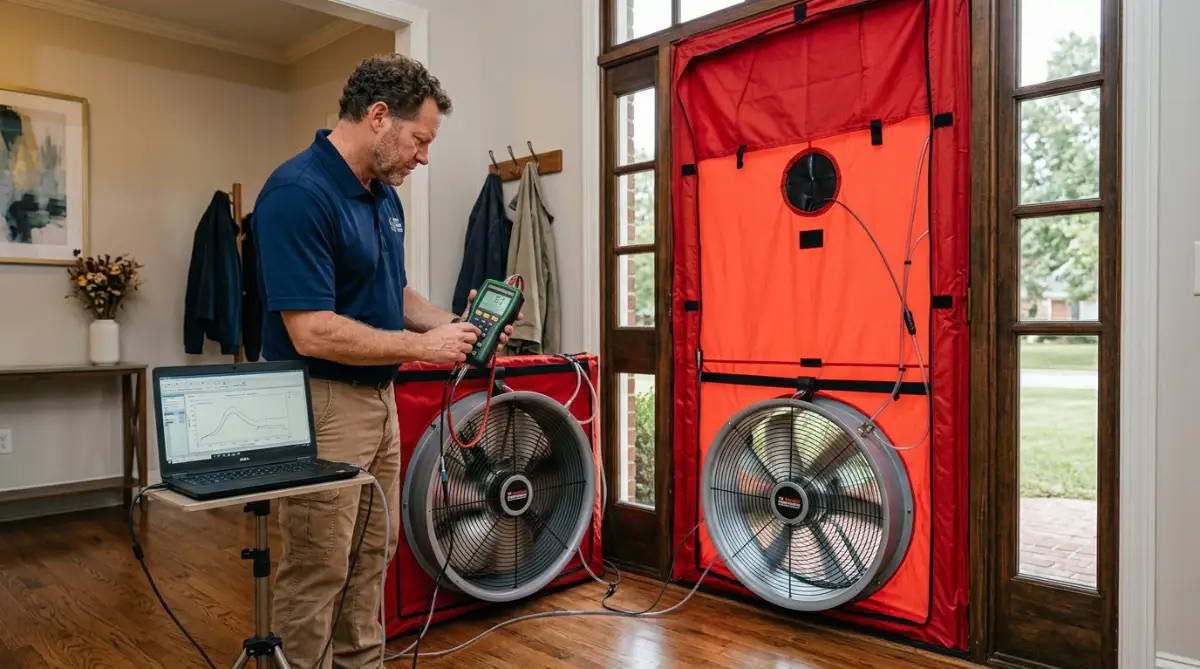
- Step 1: Schedule a Professional Home Energy Audit: Hire a certified BPI auditor to perform a blower-door test and infrared scan.
- Step 2: Complete Air Sealing and Attic Insulation First: Seal attic bypasses and blow in cellulose insulation up to R-49/R-60 standards.
- Step 3: Upgrade Water Heating & HVAC to Heat Pumps: Replace aging fossil fuel furnaces and electric water heaters with modern heat pumps.
- Step 4: Install Smart Thermostats & Low-Flow Fixtures: Deploy Wi-Fi smart climate controls and low-flow showerheads.
- Step 5: Claim Federal IRS Tax Credits on Form 5695: Work with a CPA to claim up to $3,200 annually under Section 25C.
6. Final Thoughts and Moving Forward
Eco-friendly home upgrades represent a fundamental shift in how smart homeowners manage personal finances. Rather than continuously sending high monthly utility payments to electric and gas companies, energy-efficient home renovations allow you to convert recurring operating expenses into permanent home equity, enhanced living comfort, and long-term financial freedom.
In my own home renovation journey, upgrading our insulation and installing a cold-climate heat pump completely turned our drafty house into a comfortable, energy-efficient sanctuary while slashing our bills. Take charge of your home energy today. Schedule a professional energy audit, prioritize high-ROI insulation and heat pump upgrades, claim federal tax credits, and step confidently into a comfortable, sustainable, and highly affordable living space!
7. Frequently Asked Questions
What is the single most cost-effective eco-friendly home upgrade?
Whole-home air sealing and upgrading attic insulation to R-49 or R-60 standards is universally recognized as the highest-ROI energy upgrade with the fastest financial payback.
Do cold-climate heat pumps actually work when outdoor temperatures drop below freezing?
Yes, modern cold-climate heat pumps utilize advanced inverter compressors that extract ambient thermal energy efficiently even in sub-zero winter temperatures down to -15°F.
What federal tax credits are available for green home upgrades in the US?
Under IRS Section 25C, homeowners can claim a 30% tax credit covering up to $2,000 annually for heat pumps and water heaters, plus up to $1,200 for insulation and windows.
Are hybrid heat pump water heaters loud to operate?
Hybrid water heaters produce a soft hum similar to a modern kitchen refrigerator during heat-pump operation, which is quiet enough to install in utility rooms or basements.
Should I get a home energy audit before remodeling?
Yes, hiring a certified BPI energy auditor to perform a blower-door test is essential because it identifies exact air leaks and inefficiencies before you spend money on upgrades.
8. Home Energy & Financial Disclaimer
The information provided in this article is for educational, informational, and general consumer guidance only and does not constitute formal engineering, contracting, legal, or tax advice. Utility bill savings estimates, equipment efficiencies, home energy audit results, and federal/state rebate program rules vary significantly based on geographic location, home square footage, local climate extremes, contractor labor costs, and individual household tax liability. Homeowners are strongly encouraged to consult with certified BPI energy auditors, licensed HVAC contractors, and Certified Public Accountants before undertaking major home renovations or filing tax returns.