
Cut Your Monthly Utility Bills with the Best Smart Home Energy Gadgets
Discover how high-ROI smart home devices like learning thermostats, automated water shut-off valves, and whole-home energy monitors can slash your electricity and water bills by up to 35% while protecting your home from unexpected damage.
Managing monthly household operating budgets has become an increasingly stressful challenge for my family and me over the last few years. Every time my utility bill arrived, I felt a sharp wave of anxiety seeing electricity and gas tariffs climb steadily higher without any change in our daily habits. I realized my home was leaking cash silently through unmanaged heating schedules, hidden standby power draws, and unmonitored appliances running constantly in the background. Feeling desperate to break this cycle of escalating household expenses, I decided to overhaul our utility strategy by installing smart home automation devices. Within the very first billing cycle after installing my first smart thermostat and intelligent power strips, my monthly expenses dropped noticeably. I learned firsthand that taking control of home energy consumption does not require living in discomfort; it simply requires smart automation that stops wasting money when rooms are empty.
Managing monthly household operating budgets across North America has become an increasingly challenging task. Driven by rising energy demand, aging electrical grid infrastructure maintenance, and fluctuating fossil fuel prices, residential electricity, heating gas, and municipal water tariffs have escalated by 15% to 35% in recent years. In many states, standard single-family households pay $250 to $500+ every month simply to keep their living spaces illuminated, climate-controlled, and supplied with hot water.
However, many homeowners dismiss smart home technology as an unnecessary novelty—assuming that smart gadgets are limited to gimmick voice-activated color lightbulbs or expensive motorized appliances. The truth is that modern, high-ROI smart home energy gadgets represent high-yield financial investments designed specifically to eliminate household waste. According to building science data, over 30% of energy consumed in traditional homes is wasted due to unmonitored vampire standby power, improper heating/cooling schedules, running sprinklers during rainstorms, and undetected water leaks. By deploying targeted smart home technology—such as learning climate thermostats, smart power plugs, automated water shut-off valves, and real-time electrical panel monitors—you transform your living space into a self-optimizing home. These devices operate quietly in the background, slashing monthly utility expenses by 15% to 35% with zero compromise on daily living comfort. In this ultimate guide, we evaluate the top smart home gadgets that actually save money and energy, examine Return on Investment timelines, explore utility cash rebates, and share a practical setup roadmap for homeowners.
David and Sarah, homeowners in Ohio, watched their monthly winter heating and summer cooling bills peak at an agonizing $380 per month. Feeling financially strained, David installed a smart learning thermostat and plugged his living room entertainment center into a $25 energy-monitoring smart plug strip. He set up an automated rule: the thermostat automatically lowered heating temperatures by 7 degrees when his smartphone left his neighborhood, and his smart plug killed power to his cable box and gaming console when turned off. In his very first month, his utility bill dropped by $115, paying off the smart devices in less than ninety days. David reflects: "Smart home gadgets aren't gimmicks—they are automated financial guardians that stop your home from burning money in the background."
1. Smart Climate Control: The #1 Money-Saving Upgrade
Heating and cooling account for over 50% of total energy consumption in a typical American home. Installing smart climate controls delivers the single highest financial Return on Investment of any home automation project.
How Smart Thermostats Slash Utility Bills:
- Geofencing Technology: Smart thermostats (such as the Ecobee Smart Thermostat Premium, Google Nest Learning Thermostat, or Honeywell Home) communicate with your family's smartphones. When everyone leaves the house, the system automatically shifts into Eco-Mode, saving 10% to 15% on heating and cooling costs.
- Remote Room Sensors: Instead of measuring temperature at a single hallway wall, remote sensors prioritize climate comfort in rooms you are actually occupying, such as the home office during the day or bedrooms at night.
- Time-of-Use Rate Optimization: Smart climate algorithms automatically pre-cool or pre-heat your home during cheap off-peak utility hours, backing off HVAC usage during expensive 4 PM to 9 PM peak rate windows.
- Instant Utility Cash Rebates: Most US electric and gas utilities offer instant $50 to $100 cash rebates when you register a qualifying smart thermostat on their website. To analyze broader business operations and digital asset management, explore our comprehensive guide on easy AI website builders for small businesses.
2. Smart Plugs & Whole-Home Monitors: Slaying Vampire Power
Electronics, appliances, and chargers draw continuous standby electricity—known as vampire power or phantom load—even when turned off. The US Department of Energy estimates that phantom power accounts for 10% of total residential electricity bills.
Image Here-----------------
A. App-Controlled Smart Plugs (Kasa, Wyze, Emporia)
Plugging TV setups, desktop computers, coffee makers, and garage tools into smart Wi-Fi power strips allows you to set automated power schedules. Program your living room entertainment center to shut off power completely between 11:00 PM and 6:00 AM, instantly eliminating $15 to $25 in monthly phantom electricity charges.
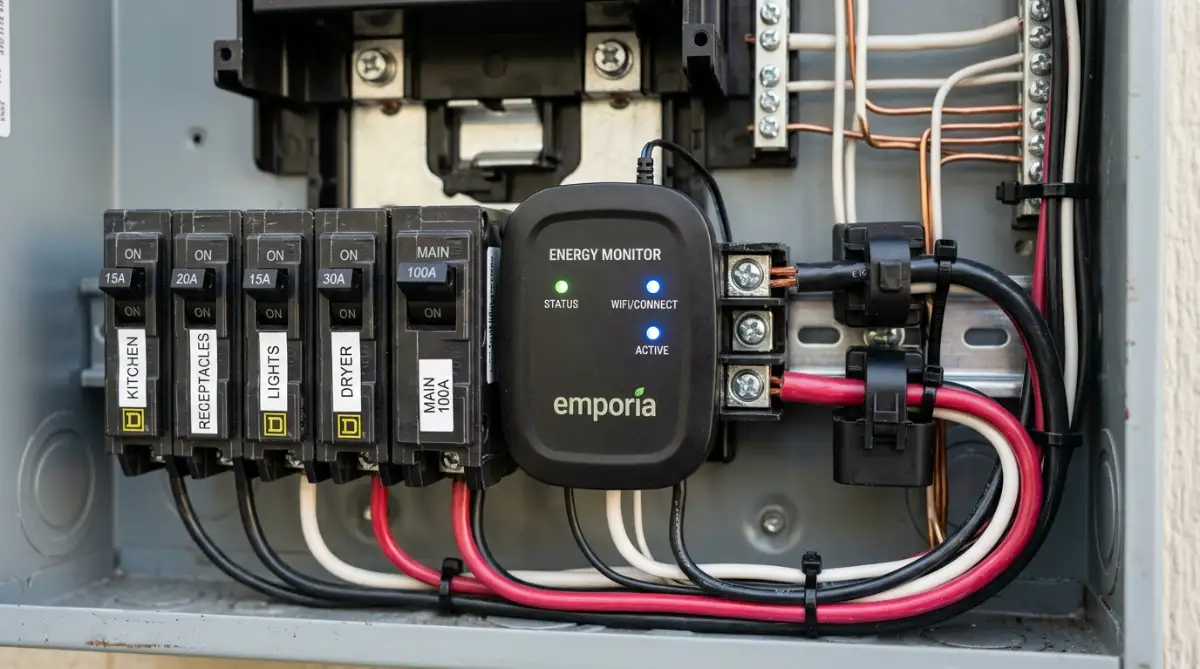
B. Whole-Home Energy Monitors (Emporia Vue / Sense)
Whole-home energy monitors connect small sensors directly to your main electrical panel's circuit breakers. The device tracks real-time kilowatt-hour draw, identifying exactly which appliances, such as an aging secondary garage refrigerator or a misconfigured water heater, are hogging electricity.
My Personal Pro Tip for Energy Monitoring
When I first installed my whole-home energy monitor, I discovered that my basement freezer was cycling continuously due to a worn door seal, wasting nearly $20 of electricity every month. My personal tip is to use real-time circuit monitoring during your first week to hunt down hidden phantom loads like old secondary refrigerators, heated towel racks, or network switches left running in empty rooms.
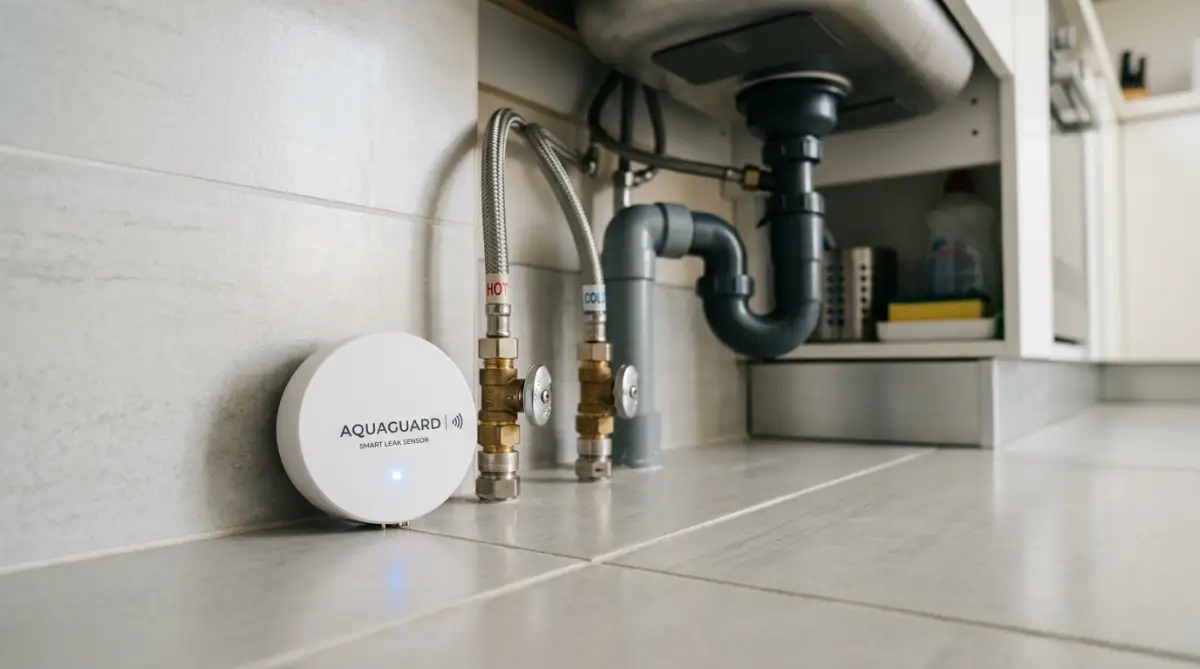
Elena, a working mother, returned home from a weekend trip to discover a pinhole plumbing leak had burst under her kitchen sink, ruining her hardwood floors and causing $8,500 in water damage repairs. Determined to protect her home from future plumbing disasters, she installed an automated smart water leak detector and shut-off valve on her main water supply line. Two years later, a washing machine supply hose began leaking while she was at work; the smart valve detected the sudden pressure drop and shut off her home's main water supply in 15 seconds, sending an emergency alert to her phone. Elena shares: "Smart water gadgets don't just lower your municipal water bill—they are the ultimate insurance policy that saves you from devastating home repair bills."
Watch this expert video breakdown testing top money-saving smart home gadgets, evaluating energy monitoring apps, and calculating real-world ROI:
3. Smart Water Management: Protecting Your Home and Wallet
Water utility rates have increased dramatically across the United States. Smart water conservation gadgets reduce utility costs while providing critical structural insurance protection.
- Smart Weather-Aware Sprinkler Controllers (Rachio 3 / Orbit B-hyve): Traditional lawn timers run sprinklers on rigid schedules—even during heavy rainstorms. Smart sprinkler controllers integrate with hyper-local weather forecasts, automatically pausing irrigation during rain or freezing weather, saving 30% to 50% on outdoor water bills.
- Smart Water Leak Detectors & Automated Main Shut-Off Valves (Flo by Moen / YoLink): Placed near water heaters, sinks, and toilets, these smart sensors monitor real-time flow rates, alerting your smartphone to micro-leaks and automatically cutting off the main water valve during pipe bursts.
- Smart Water Heater Timers: Program electric resistance or hybrid heat pump water heaters to heat water only during cheap off-peak utility hours, avoiding expensive mid-day heating cycles. To discover strategies for funding and budget planning, read our guide on how to improve your credit score before applying for a mortgage.
4. Smart Shading, Lighting, and Utility Cash Rebates
Completing your smart home energy ecosystem involves automating visual and lighting environments.
A. Smart Motorized Window Blinds & Shading
Windows are major sources of radiant heat gain during summer afternoons. Automated smart blinds like Lutron or Aqara can be programmed to close automatically between 1:00 PM and 5:00 PM when sunlight hits room windows, keeping interior spaces up to 6 degrees cooler and reducing central AC cooling loads by 15%.
B. Smart LED Lighting & Motion Sensors (Philips Hue / Kasa)
Combining high-efficiency LED bulbs with smart motion sensors ensures lights automatically power down when rooms remain unoccupied for 10 minutes, eliminating wasted electricity in children's bedrooms and basements. Learn how to optimize household budgeting and financial workflow management in our essential guide to choosing your first home insurance policy without stress.
Marcus, a remote worker whose home office faced direct afternoon sunlight, noticed his room became uncomfortably hot every afternoon, forcing his central air conditioner to run continuously. He installed smart motorized window shades programmed to lower automatically during peak sunlight hours. Blocking the harsh afternoon sun kept his home office comfortable while lowering his summer electric bill by $45 a month. Marcus reflects: "Automating our window shades turned a hot, uncomfortable room into a productive home office while cutting our energy costs effortlessly."
5. The Master 5-Step Smart Energy Upgrade Roadmap
Build your money-saving smart home systematically using this 5-step checklist:
- Step 1: Install a Smart Thermostat First: Claim your local utility’s $50–$100 instant rebate and set up automated geofencing temperature setbacks.
- Step 2: Plug Entertainment Centers into Smart Power Strips: Schedule phantom power cutoffs for TVs, gaming consoles, and soundbars overnight.
- Step 3: Upgrade Lawn Irrigation to a Smart Sprinkler Controller: Connect a smart timer to pause watering automatically during rain.
- Step 4: Install Smart Water Leak Detectors: Place leak sensors near water heaters, washing machines, and refrigerator ice-maker lines.
- Step 5: Monitor Circuit-Level Energy with a Panel Monitor: Use real-time energy apps to spot hidden energy waste and optimize daily habits.
Upgrading your living space with energy-saving smart home gadgets is one of the smartest, highest-yielding investments you can make as a homeowner. By automating climate setbacks, slaying vampire standby power, preventing catastrophic water leaks, and managing irrigation, you turn energy conservation into an effortless background process that protects your monthly household budget. I personally look at my smart energy dashboard every week now, and seeing those numbers drop brings genuine peace of mind. Take charge of your utility expenses today, choose high-ROI smart home gadgets, claim your local utility rebates, automate your energy savings, and step confidently into an affordable, comfortable, and self-optimizing home future!
Tech & Energy Financial Disclaimer: The information provided in this article is for educational, informational, and general consumer guidance only and does not constitute formal electrical engineering, smart home contracting, legal, or tax advice. Utility bill savings estimates, appliance energy reductions, local utility rebate amounts, and smart device performance metrics vary significantly based on geographic location, house size, local utility tariffs, climate extremes, and individual usage habits. Homeowners are strongly encouraged to check local utility rebate portals and consult with certified contractors before installing electrical or plumbing hardware.