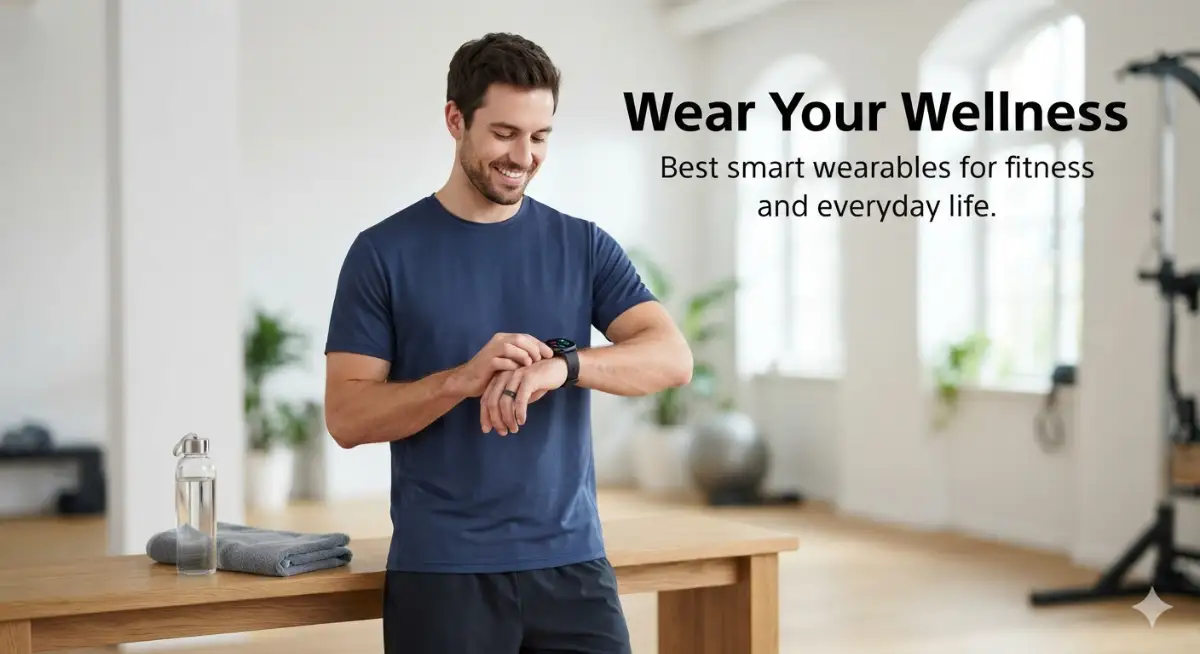
How to Choose the Best Health Wearable: Smartwatches, Sports Bands & Smart Rings
Understanding your daily biometric data—from resting heart rate to overnight sleep stages—takes the guesswork out of personal wellness. Modern optical sensors now detect early illness, track athletic readiness, and measure physical stress with impressive accuracy. Discover how top wearables compare in battery life, sensor precision, and phone compatibility to help you build healthier habits every day.
Section 1: The Biometric Revolution and My Personal Wake-Up Call
Two years ago, I found myself constantly exhausted, running on four cups of coffee a day, and wondering why I felt so drained every single afternoon. My daily routine was an endless cycle of desk work, poor sleep, and mounting stress that I simply brushed off as normal life. I ignored the warning signs until my resting heart rate began creeping upward, leaving me anxious and physically depleted before the workday even finished.
I realized that guessing about my wellness was slowly destroying my energy and physical health. So, I strapped on a modern health watch to track my daily sleep cycles, resting heart rate, and overnight recovery scores. That simple choice gave me real-time feedback that opened my eyes, helped me build healthier habits, and gave me complete control over my daily well-being.
Modern health wearables have transformed from basic step counters into pocket-sized personal health laboratories on your wrist. Today, smartwatches, dedicated athletic fitness bands, and screenless smart rings track complex biological signals around the clock.
These devices monitor Heart Rate Variability (HRV), analyze sleep stages, track skin temperature shifts, and even detect irregular heart rhythms. Whether you are an athlete training for a race or simply looking to sleep better, modern tech can make a noticeable difference.
Understanding how these wearable sensors work helps you choose a device that truly fits your lifestyle. You do not need to buy the most expensive gadget to see meaningful improvements in your daily energy.
Let us look at the top wearable options, their core tracking sensors, and how to select the right device for your wellness goals.
Section 2: Comparing Full Smartwatches, Sports Bands, and Smart Rings
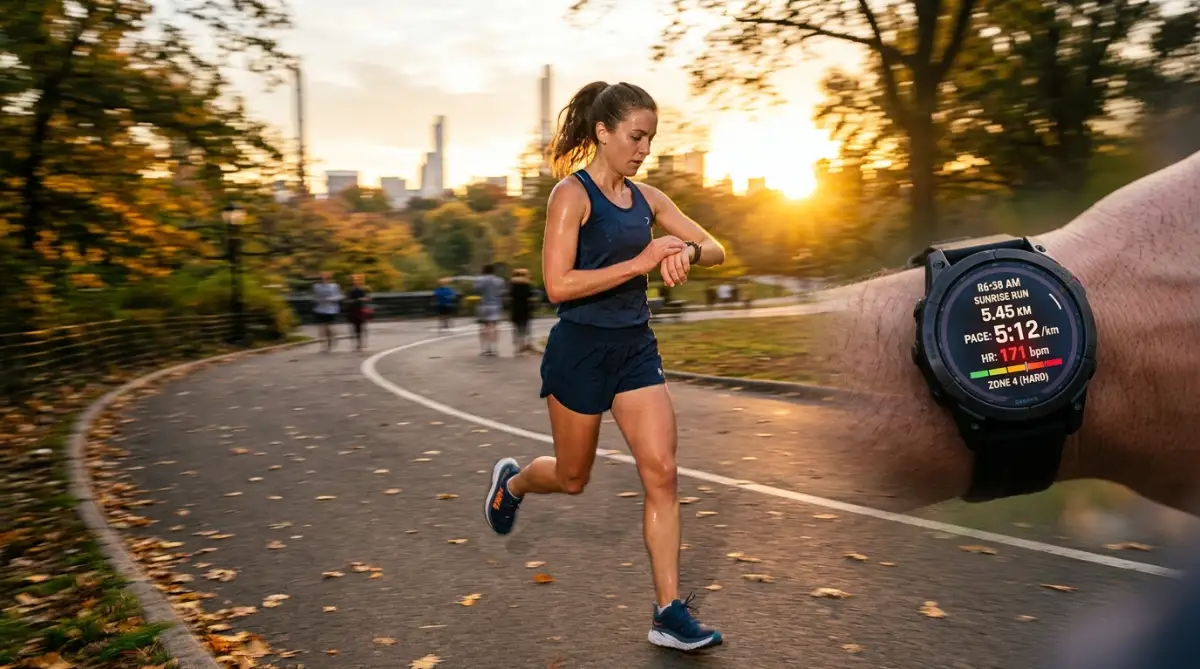
Choosing the right wearable starts with understanding the main device categories on the market today. Full-featured smartwatches prioritize smartphone notifications, calls, and mobile apps alongside daily health tracking.
In contrast, dedicated sports watches and screenless smart rings focus on deep recovery metrics, multi-day battery endurance, and sleep monitoring.
Wearable Myths vs Reality
- Myth: Smartwatches replace the need for professional medical checkups.
- Reality: Consumer wearables are wellness tools designed for daily trend awareness, not clinical diagnostic equipment.
- Myth: A wearable must have a bright color screen to provide deep health insights.
- Reality: Screenless smart rings and fabric recovery bands collect rich physiological data while eliminating screen glare and battery drain.
My Personal Pro Tip: When evaluating my daily recovery, I never obsess over single-day heart rate spikes. Instead, I monitor my 7-day rolling baseline for Heart Rate Variability (HRV) and resting heart rate, which tells me if my body is truly recovered or fighting off early fatigue.
Watch this video guide to discover the best smartwatches and fitness wearables reviewed in detail:
If you are a personal trainer or wellness creator building a digital platform to share fitness routines, you can set up your site using easy AI website builders for small businesses in just a few clicks.
Section 3: Advanced Sensor Metrics, Athletic Recovery, and Smart Rings
To get the most value from your wearable, you must understand what your biometric data actually means. Modern optical sensors measure blood pulse waves beneath your skin to calculate Heart Rate Variability.
A higher HRV score indicates a flexible, well-rested nervous system ready for challenging physical workouts. A sudden drop in your baseline HRV often signals high stress, dehydration, or an oncoming cold before you even feel sick.
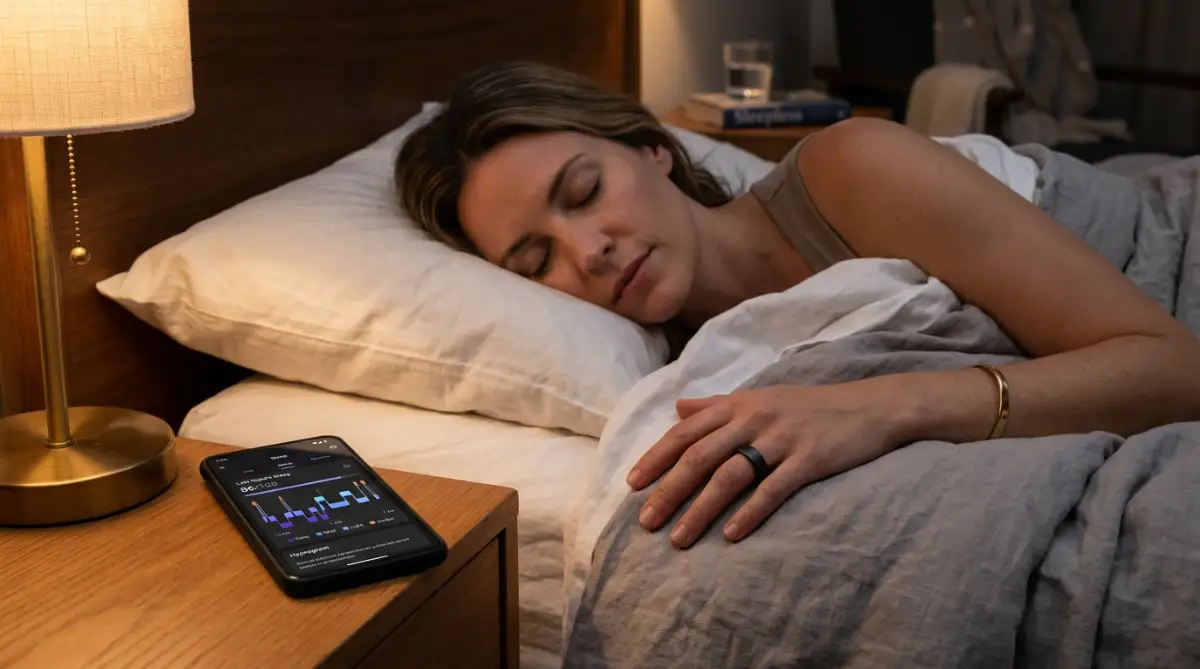
Sleep tracking has also advanced beyond basic movement detection. Modern devices combine skin temperature sensors, pulse oximeters, and motion algorithms to map your deep, light, and REM sleep phases.
Tracking these stages shows you how lifestyle habits affect your sleep quality. For example, eating heavy meals or consuming caffeine late in the evening directly reduces restorative deep sleep.
Smart rings have emerged as a fantastic choice for people who dislike wearing bulky watches to bed. These lightweight titanium bands house micro-sensors that rest snugly against your finger, capturing accurate body temperature and heart signals without screen distractions.
Students balancing heavy study schedules and athletic training can look into the best community colleges in the USA for affordable education while keeping their wellness routines consistent.
Managing your health tech investments wisely is just as practical as tracking your daily steps. Many smart devices require ongoing monthly subscriptions to unlock full data trends, which can add up over time.
Factoring hardware costs and subscription fees into your household budget keeps your finances healthy. You can also explore how to improve your credit score before applying for a mortgage as you build healthy long-term financial habits.
Section 4: Common Mistakes and Pitfalls to Avoid
One common mistake is buying a wearable that is incompatible with your smartphone operating system. Apple Watches work exclusively with iPhones, while specific Wear OS watches require an Android device for full functionality.
Always verify phone compatibility before purchasing to avoid losing access to core features. Universal brands like Garmin, Fitbit, and Oura Ring connect smoothly across both mobile platforms.
Another frequent trap is treating daily calorie burn estimates as absolute mathematical facts. Wearables estimate calorie expenditure using generalized heart rate algorithms, which can vary depending on workout type and skin contact.
Use calorie numbers as a general guideline rather than an exact diet target. Focus on long-term trends in active minutes and resting heart rate instead.
Wearing your device too loosely can also cause inaccurate sensor readings. An optical sensor requires consistent, gentle contact against your skin to measure pulse signals accurately.
In addition, remember to secure your home workspace and valuable electronics by learning how to choose your first home insurance policy without stress.
Section 5: Final Summary and Your Wearable Action Plan
Choosing the right smart wearable is about finding a tool that supports your personal lifestyle without creating added digital stress. Whether you select a full smartwatch, a dedicated sports tracker, or a minimalist smart ring, the goal is building positive self-awareness.
I know how much difference tracking my daily biometric trends has made in my own life. Having clear data on my wrist helped me replace guesswork with healthy habits, and I want you to experience that same energy and clarity.
Your 5-Step Smart Wearable Buyer's Checklist
- Step 1: Check Phone Compatibility: Ensure the device works seamlessly with your current smartphone operating system.
- Step 2: Define Your Main Goal: Decide whether your priority is daily phone connectivity, endurance sports tracking, or screen-free sleep analysis.
- Step 3: Review Battery Tolerances: Choose between daily charging smartwatches or multi-week endurance sports watches.
- Step 4: Check Subscription Fees: Confirm whether the device requires an active monthly membership for full data access.
- Step 5: Verify Water Resistance: Look for at least a 5 ATM rating if you plan to track swimming or wear your device in the shower.
Section 6: Internal Links Integration Check
- easy AI website builders for small businesses - Integrated naturally in Section 2 regarding fitness creator platforms.
- best community colleges in the USA for affordable education - Integrated naturally in Section 3 regarding student health budgeting.
- how to improve your credit score before applying for a mortgage - Integrated naturally in Section 3 regarding personal finance wellness.
- how to choose your first home insurance policy without stress - Integrated naturally in Section 4 regarding tech asset protection.
Section 7: Frequently Asked Questions
Are smart ring sensors as accurate as wrist-based smartwatches?
Yes, smart rings provide highly accurate readings for resting heart rate, skin temperature, and sleep stages. The blood vessels in the fingers are close to the surface, making them ideal for overnight tracking.
How often should I clean the optical sensors on my fitness tracker?
You should wipe down the sensor glass and strap with a damp cloth at least twice a week. Removing sweat, sunscreen, and skin oils ensures the optical sensors maintain clear contact with your skin.
Do I need a continuous GPS watch if I carry my phone while running?
If you carry your phone during workouts, a connected-GPS fitness band can borrow your phone's location signal. Dedicated multi-band GPS is mainly necessary for runners who prefer working out without carrying a bulky phone.
Can smartwatches accurately detect heart arrhythmias like AFib?
Many modern smartwatches feature FDA-cleared ECG sensors that can detect signs of Atrial Fibrillation during resting spot checks. However, they should always be confirmed by a licensed medical professional.
What is the benefit of tracking Heart Rate Variability (HRV)?
HRV measures the subtle time differences between heartbeats to assess your autonomic nervous system. Tracking this metric helps you identify physical recovery, stress levels, and readiness for exercise.
Section 8: Professional Disclaimer
Tech & Medical Disclaimer: The information provided in this guide is for educational, informational, and general consumer awareness purposes only. Smartwatches, fitness trackers, and smart rings are consumer electronics, not certified medical diagnostic devices. Always consult a licensed healthcare provider or physician before starting a new exercise regimen or if you experience concerning cardiac or respiratory symptoms.