
Why Your Home Insurance Claim Got Denied and How to Appeal It
Imagine standing in your home after a devastating winter storm, looking at water pouring from a damaged roof or water pooling in your living room floor. Your heart races, but you take a deep breath and tell yourself, "It's okay, I have paid my homeowners insurance premiums faithfully for years." You take photos, contact your insurance company, and file your claim with complete trust that your policy will cover the costly structural repairs.
Then, two weeks later, an official envelope arrives in your mail. You open it expecting a settlement check, only to find a cold, formal rejection notice. The insurance company informs you that your claim has been denied due to "pre-existing wear and tear," "unreported policy exclusions," or "lack of timely maintenance." You feel an immediate, suffocating wave of anger, confusion, and helplessness.
Receiving an insurance denial letter after a property disaster is one of the most frustrating experiences a homeowner can go through. But here is the most important truth every policyholder needs to know: An initial insurance denial is not the final word—it is merely the opening position in a negotiation. Understanding why claims get rejected and knowing how to execute a formal appeal can help you overturn the denial and secure the full payout your family deserves.
I still remember the sick feeling in my stomach when I opened a denial letter from my home insurer after a windstorm blew several shingles off my roof. The adjuster claimed the damage was caused by "roof age" rather than the 60-mph storm winds. I felt completely betrayed—I had paid over $1,500 every year for a safety net that evaporated the second I needed help. But instead of accepting the denial and paying $6,000 out of pocket, I hired an independent contractor, gathered weather data, and wrote a formal appeal letter. Three weeks later, the insurer reversed their decision and issued a full payout check. That battle proved to me that insurance companies expect you to give up, but arming yourself with facts changes everything.
The Top 5 Reasons Home Insurance Claims Get Denied
Insurance companies are massive corporate enterprises focused on risk management and profit preservation. Claims adjusters are trained to inspect property damage through a strict legal lens, searching for specific reasons to reject payouts or reduce settlement amounts:
- 1. Wear and Tear vs. Sudden Peril: Homeowners policies cover strictly sudden and accidental damage (like a tree branch breaking during a storm). If an adjuster decides the damage resulted from long-term neglect, aging materials, or deferred maintenance, the claim will be denied instantly.
- 2. Unreported Policy Exclusions: Standard HO-3 policies automatically exclude rising outdoor floodwaters, municipal sewer backups, earth movements (earthquakes), and mold infestation unless you specifically purchased optional endorsement riders beforehand.
- 3. Delayed Claim Reporting: Most insurance contracts require you to report property damage "promptly." Waiting weeks or months to file a claim gives adjusters a legal opening to argue that delayed repairs caused secondary damage (like mold growth) that is non-reimbursable.
- 4. Lack of Time-Stamped Documentation: Filing a claim without clear, time-stamped, high-resolution photo or video evidence makes it easy for adjusters to dispute the severity or cause of the damage.
- 5. Material Misrepresentation or Unreported Upgrades: If you failed to notify your insurer about major home modifications, high-value personal possessions, or unlisted family dog breeds, your carrier may claim your application contained inaccuracies, voiding your coverage.
The Emotional and Financial Toll of an Insurance Denial
Facing an insurance rejection creates an overwhelming wave of emotional stress and financial vulnerability for any household:
Panic over emergency out-of-pocket costs sets in when contractors require immediate deposits to fix leaking roofs or structural walls, forcing panicked owners to deplete emergency funds or take on debt. Realizing that an insurer you faithfully paid for years refuses to help creates a deep sense of cynicism and loss of trust in financial institutions.
Families are often forced to live in moldy or partially damaged rooms while fighting protracted legal disputes with claim adjusters. The hardest part of fighting an insurance denial isn't organizing the paperwork—it's the constant mental fatigue you carry into every family conversation. It's sitting in a damaged room holding an $8,000 contractor estimate while worrying if you'll have to cancel family plans or drain your life savings just to make your house livable again. But remembering that you have legal rights and that initial denials are regularly overturned gives you the strength to stand firm and demand what you are owed.
Visual Insight: How to Fight a Denied Homeowners Claim
Watch this expert video guide to learn why insurance adjusters reject property claims, how to challenge biased estimates, and step-by-step tactics to appeal a denied homeowners claim!
A Step-by-Step Blueprint: How to Appeal a Denied Claim
Do not let a rejection letter stop you. Execute these six systematic steps to challenge an unfair denial and demand a re-evaluation of your claim:
Step 1: Request a Formal Written Denial Letter
If an adjuster denies your claim verbally over the phone, immediately demand an official written Explanation of Benefits (EOB) letter. Insurance regulations require carriers to cite the exact policy clauses, policy exclusions, or endorsement limits used to justify the rejection.
Step 2: Carefully Audit Your Policy Declarations Page
Cross-reference the policy sections cited in the denial letter against your actual Declarations Page. Check whether your policy uses Replacement Cost Value (RCV) or Actual Cash Value (ACV), and verify whether optional riders (like water backup) were active on the date of loss.
Step 3: Hire an Independent Licensed Public Adjuster or Contractor
Company adjusters work for the insurer, meaning their incentive is to minimize corporate payouts. Hire an independent licensed Public Adjuster or an experienced local roofing/restoration contractor to conduct a fresh, unbiased property inspection. An independent inspection report with detailed repair estimates provides powerful leverage during an appeal.
Step 4: Gather Incontestable Time-Stamped Evidence
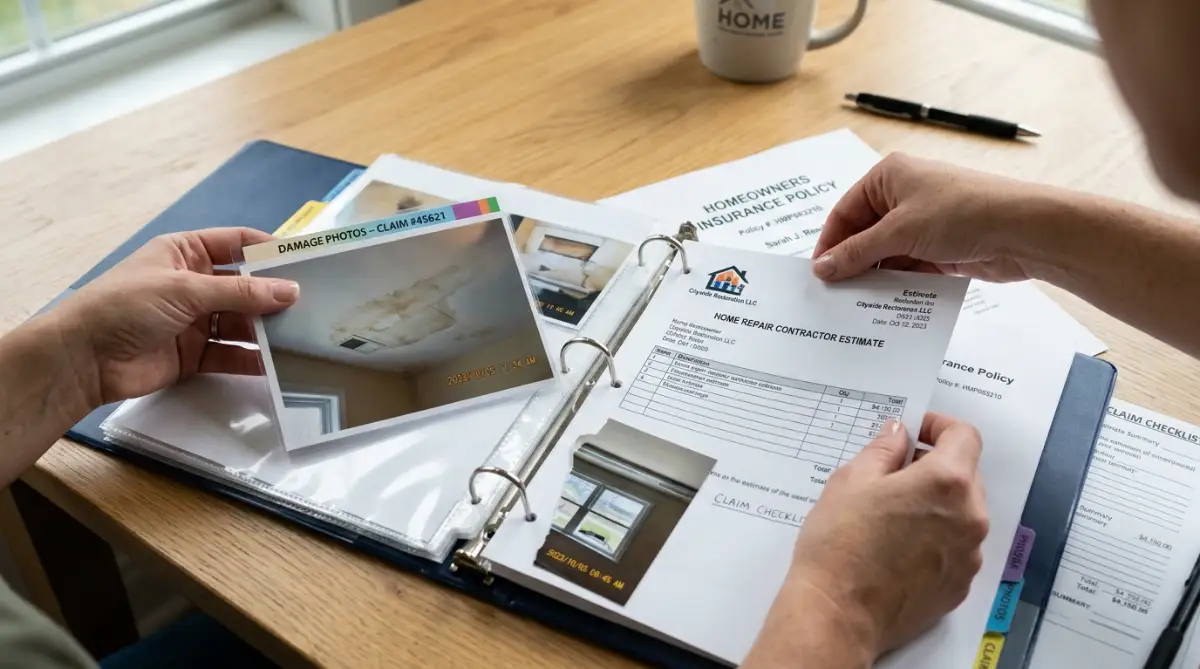
Build an undeniable evidence vault. Collect time-stamped, high-resolution photos and videos of the damage, historical weather reports showing wind speeds or hail size on the storm date, home maintenance receipts proving prior roof condition, and contractor labor estimates.
Step 5: Draft a Formal Written Appeal Letter
Submit a formal, professional appeal letter addressed to the insurer’s Claims Management Department. Detail the exact facts of the loss, reference specific policy clauses supporting your claim, attach your independent contractor's report, and set a reasonable response deadline (typically 14 to 30 days).
Step 6: Escalate to Your State Insurance Commissioner
If your insurer refuses to reconsider an obviously valid claim, file an official consumer complaint with your State Department of Insurance (DOI) or Insurance Commissioner. State regulators oversee insurance practices and can investigate unfair claim settlement denials, forcing carriers to re-open files under threat of regulatory fines.
Managing Financial Health and Emergency Repair Expenses
Navigating a delayed or denied insurance claim requires careful cash management to protect your credit and family budget:
1. Maintaining Cash Buffers for Repair Delays: Because appeal disputes can take several weeks to resolve, keeping liquid cash available prevents project halts. Read our complete guide on building a bulletproof emergency fund fast to maintain an emergency cash cushion while your appeal processes.
2. Streamlining Existing Obligations During Disputes: If unexpected out-of-pocket repair costs strain your monthly budget, taking time to learn how to improve your credit score and financial standing can help you reduce monthly bills and protect your credit health.
My Personal Pro Tip: When I fought my roof claim denial, keeping my personal credit cards paid down gave me the financial leverage to hire an independent inspector upfront without panicking over debt. If you are balancing other forms of debt like student loans, checking out smart loan selection methods can keep your monthly obligations manageable.
3. Avoiding Predatory Emergency Debt: Taking out rushed personal loans to pay contractors without checking interest rates can trigger financial distress. Review standard personal loan mistakes you must avoid before taking on debt, and make sure you understand what happens if you miss a personal loan payment to safeguard your credit history during property emergencies.
For more detailed insights on property protection and initial policy setup, review our expert tips on choosing proper home coverage.

Reclaiming Your Voice and Peace of Mind
At the end of the day, your home insurance policy is a legally binding contract—you paid your premiums in good faith, and you have every legal right to demand fair coverage. Fighting a denied claim takes patience, evidence, and persistence, but standing up for your rights is how you protect your family's future. You can repair your home, recover your financial losses, and sleep soundly knowing you stood firm for your sanctuary.
I know how exhausting it feels to fight a corporate insurance carrier, but taking that first step toward a formal appeal changes the entire dynamic. Stand your ground, gather your evidence, and reclaim what is rightfully yours.
Quick Guide: Insurance Appeal Do's and Don'ts
Frequently Asked Questions on Claim Appeals
What should I do immediately after receiving a claim denial letter?
Request a formal written Explanation of Benefits (EOB) letter from your insurer detailing the exact clauses used to deny the claim, and review your policy Declarations Page immediately.
Can I hire an independent adjuster to contest my insurance company?
Yes! Hiring an independent licensed public adjuster provides an unbiased professional assessment of your property damage to challenge the carrier's lowball or rejection estimates.
How long do I have to file a formal appeal on a denied claim?
Policy appeal deadlines vary by state regulations and insurance contracts, but you typically must file your dispute or invoke appraisal within 30 to 180 days of receiving the denial notice.
What is a State Department of Insurance complaint?
It is an official regulatory complaint filed against an insurance carrier for unfair claim practices, prompting state regulators to investigate the denial and demand a file review.
Should I fix my roof before my appeal is resolved?
You should perform emergency temporary repairs (like putting a tarp over a leak) to prevent further damage, but save all receipts and take time-stamped photos before making permanent repairs.
Disclaimer: This article is published exclusively for educational and informational purposes. It does not constitute legal representation or professional insurance underwriting advice. State insurance laws, appeal procedures, and policy terms vary by region and provider. Always consult with a licensed public adjuster, insurance attorney, or certified financial advisor regarding disputed property claims.