Must-Have AI Smart Home Gadgets That Cut Your Utility Bills Fast
High electric bills and unmanaged home energy waste can quietly drain hundreds of dollars from your family budget each year. Upgrading your living space with intelligent smart devices—like learning thermostats, whole-house energy monitors, and automated security hubs—puts control back in your hands. This complete guide shows you how to automate your home, reduce phantom power draw, and enjoy effortless comfort without expensive installations.
Section 1: The Modern Energy Struggle and My Household Wake-Up Call
A few winters ago, I nearly dropped my morning coffee in shock when I opened my monthly electric bill and discovered it had jumped by over two hundred dollars. My daily routine quickly turned into a stressful cycle of running from room to room, unplugging random appliances, and constantly adjusting manual dials on my old thermostat. I felt completely overwhelmed trying to figure out why my home was bleeding money while my family still felt uncomfortable in our own living space. That painful month forced me to realize that managing a house with manual tools was costing me hundreds of dollars in hidden energy waste. I decided to replace my outdated hardware with an intelligent smart thermostat and automated energy plugs, which immediately cut our monthly power bills and gave me back complete peace of mind.
Managing an everyday household often feels like running an exhausting second job. Between climbing utility rates, never-ending cleaning tasks, and property security worries, keeping your home running smoothly takes immense effort.
Many families watch their utility expenses rise each season without understanding where their electricity actually goes. Traditional appliances run silently in the background, drawing power during peak billing hours even when nobody is in the room.
Basic timer switches lack the intelligence to adapt when your work schedule or outdoor weather patterns shift. This leaves you cooling or heating empty rooms for hours, draining your hard-earned household budget.
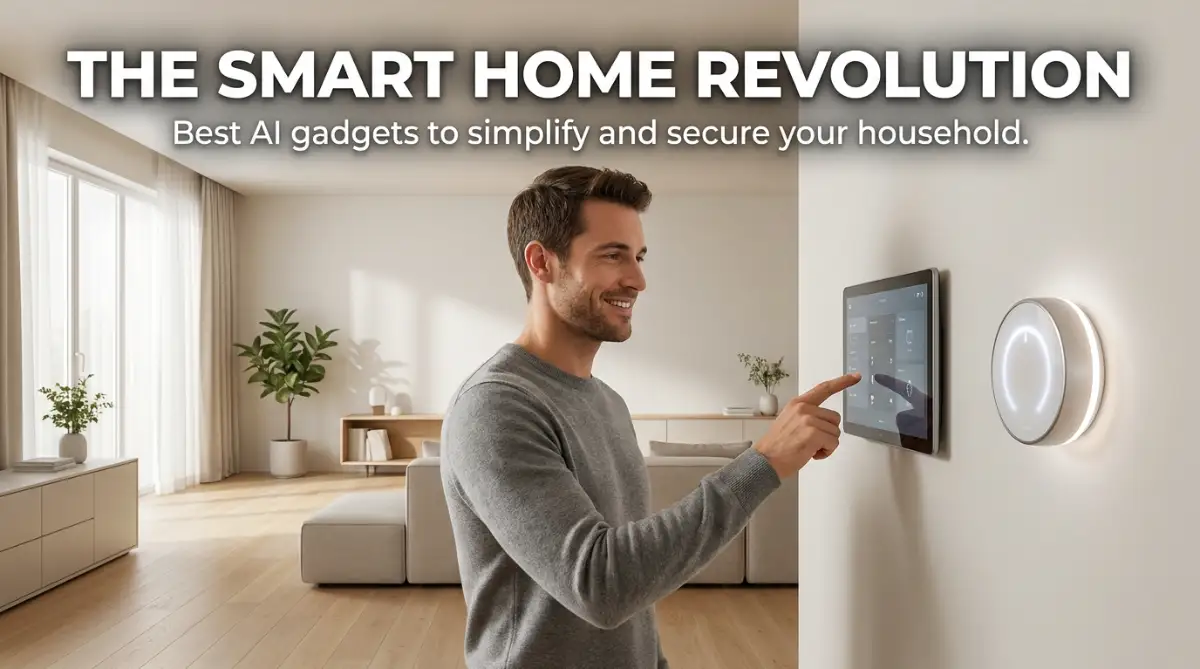
Bringing purpose-built smart devices into your living space changes that dynamic entirely. Intelligent gadgets learn your family patterns, dial down energy draw automatically, and keep your property secure without constant supervision.
Let us look at the top smart devices that reduce daily friction, cut household energy bills, and keep your home comfortable year-round.
Section 2: Top Smart Gadgets for Climate, Security, and Cleaning
Modern home automation is about creating a connected living space that manages energy waste behind the scenes. Intelligent devices use machine learning algorithms to respond to your lifestyle in real time.
The table below breaks down the most effective smart home categories and their direct benefits for your monthly budget.
Smart Home Myths vs Reality
- Myth: Smart home devices continuously record and expose private family conversations.
- Reality: Reputable smart brands use local on-device processing chips and end-to-end data encryption to safeguard your household privacy.
- Myth: Installing smart home technology requires expensive licensed electricians.
- Reality: Most modern smart thermostats, video doorbells, and plugs are engineered for simple DIY installation using step-by-step mobile apps.
- Myth: Leaving smart devices plugged in uses more electricity than they save.
- Reality: The tiny amount of standby power used by a smart plug is dwarfed by the massive energy savings gained from automated power shutoffs.
My Personal Pro Tip: When I first started automating my home, I made the mistake of buying five random gadgets from bargain websites, only to find their apps could not communicate. My advice is to choose one single central smart assistant first and strictly buy devices that carry verified compatibility badges for that platform.
Watch this video guide to discover how smart home devices target energy leaks:
If you run a home-based business or side project alongside managing your household, you can easily build your online presence using easy AI website builders for small businesses without spending weeks on web design.
Section 3: Advanced Automation, Off-Peak Scheduling, and Energy Auditing
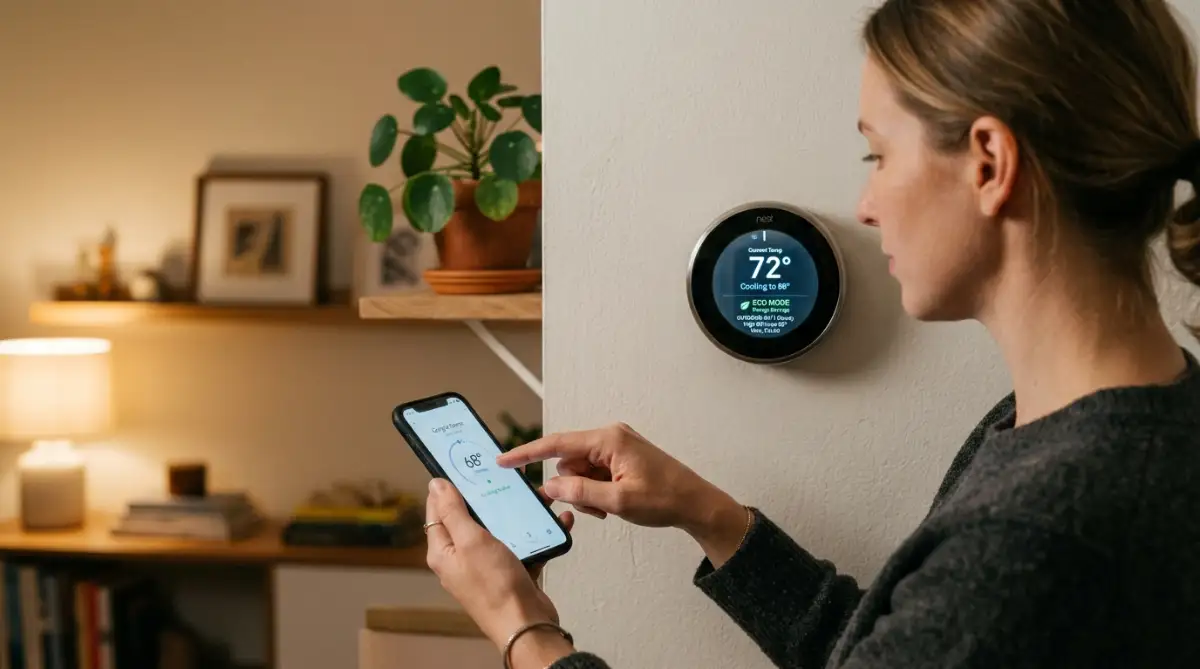
Heating and cooling represent more than half of the typical household electric bill. Smart learning thermostats use temperature sensors and phone location tracking to detect when everyone leaves the building.
The system lowers heating or cooling while the house sits empty. As you head home from work, the device adjusts the indoor climate back to your preferred comfort level automatically.
Pairing climate automation with off-peak electrical scheduling maximizes your monthly financial return. Many regional utility companies charge variable electricity rates depending on general grid demand.
Power is noticeably cheaper during late-night and early-morning hours. Using smart automation hubs allows you to schedule heavy appliances like dishwashers and water heaters to run exclusively during cheap off-peak hours.
Whole-house smart energy monitors take savings even further by clamping directly into your electrical breaker panel. These sensors recognize the electrical signature of individual appliances, showing you exactly which device draws phantom power.
Families balancing technology investments with higher education planning can explore the best community colleges in the USA for affordable education to manage overall family expenses.
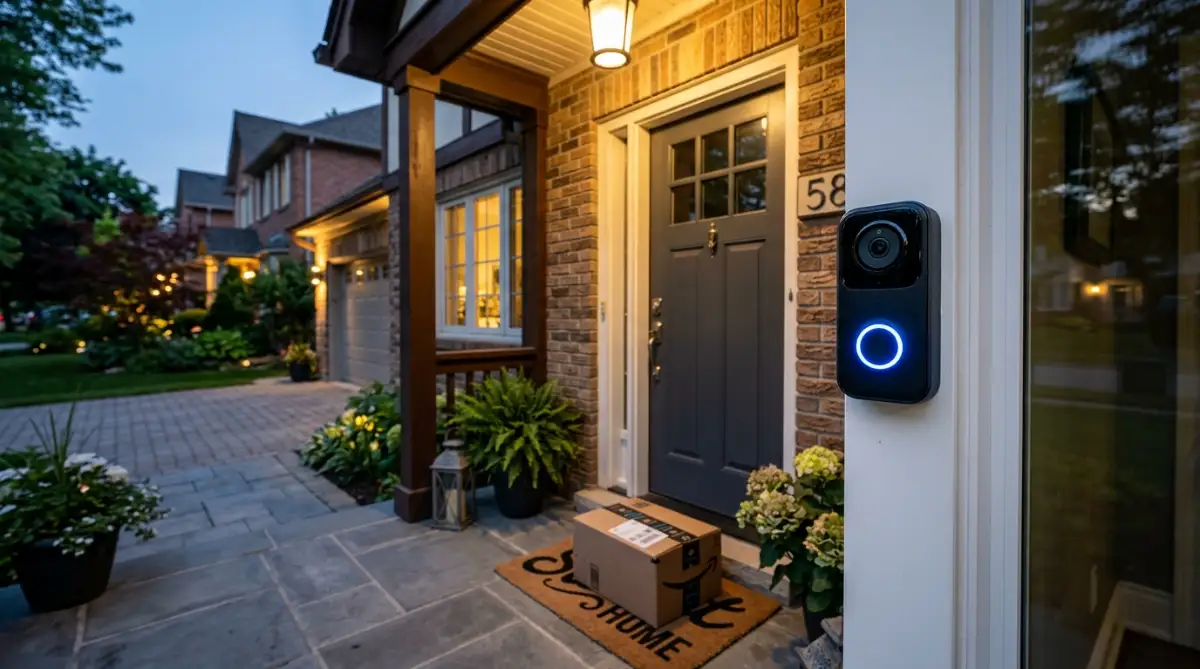
Smart video doorbells and motion-activated security floodlights also protect your physical property from package theft. Advanced computer vision identifies people, pets, and delivery couriers, sending alerts only when real activity occurs.
Investing in verified smart security systems can also help you save money on property insurance. Discover how to choose your first home insurance policy without stress to ensure your smart devices qualify for premium discounts.
Redirecting the money you save on monthly electric bills into savings builds strong financial habits. You can also review how to improve your credit score before applying for a mortgage as you plan long-term home upgrades.
Section 4: Common Mistakes and Pitfalls to Avoid
One major mistake is buying smart devices across several disconnected platforms. Having to open five different apps to turn off a light, check a security camera, and change the thermostat creates endless technological headaches.
Stick to devices that support unified standards like Matter, Apple Home, Google Home, or Amazon Alexa. A unified ecosystem lets a single voice command or automated routine control your whole house seamlessly.
Another frequent trap is financing expensive smart electronics on high-interest retail store credit cards. Paying twenty-five percent interest on credit debt completely erases the utility savings your devices generate.
Build your smart home gradually by purchasing high-ROI tools first, such as smart thermostats and energy plugs. If you are balancing household bills with college expenses, compare federal vs private student loans to choose wisely to keep your family budget balanced.
Never leave default factory passwords on smart cameras, hubs, or Wi-Fi routers. Unsecured connected devices leave your home network open to digital intrusion.
Always set strong, unique passwords and turn on two-factor authentication on every smart home application. Protecting your network keeps your home automation secure and reliable.
 Section 5: Final Summary and Your Practical Setup Checklist
Creating an energy-efficient, automated home does not require thousands of dollars or complex wiring. By installing smart thermostats, energy monitors, and connected security devices, you protect your property and cut monthly bills.
I know firsthand how much peace of mind comes from knowing your home runs efficiently on its own. Taking simple steps today will eliminate daily energy waste, lower household stress, and keep your family comfortable for years to come.
Your 5-Step Smart Home Setup Checklist
- Step 1: Choose Your Primary Platform: Select one central voice assistant or mobile ecosystem for all future gadget purchases.
- Step 2: Upgrade Your Thermostat First: Install a smart learning thermostat to start saving on heating and cooling expenses immediately.
- Step 3: Check for Utility Rebates: Visit your local power company's website to claim cash rebates on certified smart thermostats.
- Step 4: Stop Phantom Energy Draw: Plug entertainment centers and home offices into smart power strips that cut standby power.
- Step 5: Secure Your Network: Update default device passwords and enable two-factor authentication across all smart home apps.
Section 6: Internal Links Integration Check
- easy AI website builders for small businesses - Integrated naturally in Section 2 regarding home business websites.
- best community colleges in the USA for affordable education - Integrated naturally in Section 3 regarding family budgeting.
- how to choose your first home insurance policy without stress - Integrated naturally in Section 3 regarding smart security insurance discounts.
- how to improve your credit score before applying for a mortgage - Integrated naturally in Section 3 regarding financial planning.
- federal vs private student loans to choose wisely - Integrated naturally in Section 4 regarding family budget management.
Section 7: Frequently Asked Questions
Do smart thermostats work with older home heating systems?
Yes, most modern smart thermostats are compatible with standard heating and cooling systems in American homes. Many models include simple wiring adapters that allow easy installation on older two-wire setups.
How much money can a smart home setup save on electricity bills?
A well-configured setup featuring a smart thermostat, energy monitors, and automated lighting saves between twelve and twenty-three percent on heating and cooling. This translates to two hundred to five hundred dollars in annual utility savings.
What happens to my smart gadgets if the home Wi-Fi disconnects?
Most smart devices continue their basic functions locally using manual buttons or internal schedules. However, remote smartphone notifications and cloud automation routines will pause until your internet connection returns.
Are smart video doorbells easy to install without hiring an electrician?
Yes, battery-powered video doorbells mount directly onto your doorframe using basic screws in under fifteen minutes. Hardwired versions connect easily to existing mechanical doorbell chime wires.
How do whole-home energy monitors identify individual appliances?
Energy monitors use high-frequency sensors clamped inside your electrical panel to read the unique electrical signatures of appliances. Within a few days, the system identifies distinct devices like water heaters, refrigerators, and dryers.
Section 8: Professional Disclaimer
Tech & Smart Home Disclaimer: The information provided in this guide is for educational, informational, and general consumer technical guidance only. Energy savings, utility company rebate eligibility, and hardware compatibility vary based on geographic location, home square footage, utility rate structures, and individual household usage habits. Always review manufacturer wiring documentation and consult a licensed electrician or certified HVAC technician before modifying electrical breaker panels or heating systems.