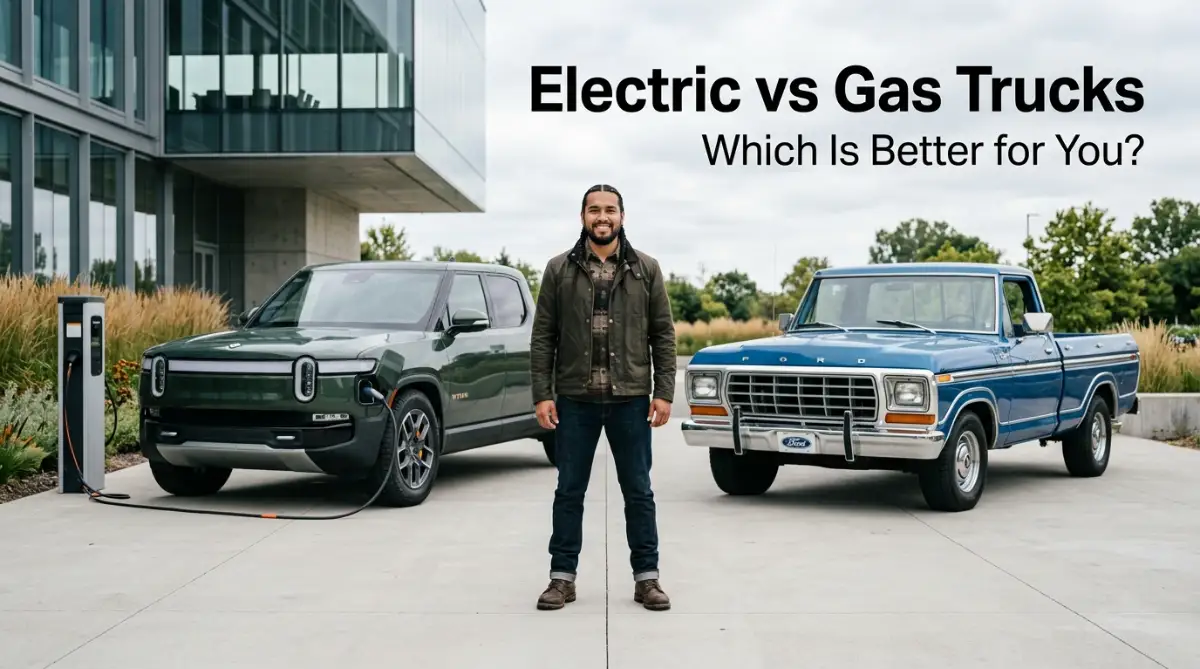
Electric Trucks vs. Gas Trucks: The Ultimate Guide to Towing, Cost, and Real-World Range
Are you trying to decide whether to stick with a dependable V8 gasoline engine or make the leap into the future with an all-electric pickup truck? The American truck market is undergoing its biggest transformation in a century, bringing fierce competition between raw pulling endurance and instantaneous electric torque. In this comprehensive guide, we compare electric trucks versus gas trucks across real-world towing capacity, total cost of ownership, winter performance, and home charging economics. Discover which platform truly fits your lifestyle and job site needs today!
In the United States, the full-size pickup truck is far more than a simple vehicle; it is an iconic cultural symbol, a versatile family hauler, and an indispensable commercial tool. For over four decades, full-size pickup trucks like the Ford F-150, Chevrolet Silverado, and Ram 1500 have consistently topped American automotive sales charts. American truck owners rely on their vehicles to haul heavy construction equipment, tow travel trailers across state lines, navigate harsh winter snowstorms, and transport families comfortably on daily commutes. When I first looked at transitioning my own work fleet toward electric pickup trucks, I felt deeply skeptical about whether battery power could match the raw endurance of a traditional V8 engine. My local driving routes involved heavy highway miles and frequent hauling, leaving me worried about losing time to public charging stations. I realized I needed a clear, fact-based breakdown of how electric torque and range penalties actually behave under heavy loads compared to gasoline engines. Taking time to study real-world towing numbers and home charging economics completely transformed my perspective on modern truck ownership.
However, the American truck market is currently undergoing its most profound transformation in a century. The arrival of all-electric pickup trucks—including the Ford F-150 Lightning, Chevrolet Silverado EV, Rivian R1T, Tesla Cybertruck, and GMC Sierra EV—has ignited a passionate debate across job sites, rural ranches, and suburban driveways.
On one side stand traditional gasoline and diesel internal combustion engine trucks, praised for their long driving ranges, rapid 5-minute fuel stops, and proven mechanical history. On the other side stand electric trucks, offering instantaneous torque, zero tailpipe emissions, massive front trunks, built-in job site power generation, and low daily operating costs. In this ultimate comparative guide, we evaluate electric trucks versus gas trucks across real-world towing capacity, total cost of ownership, winter performance, charging infrastructure, and long-term utility to help you decide which truck platform best fits your lifestyle.
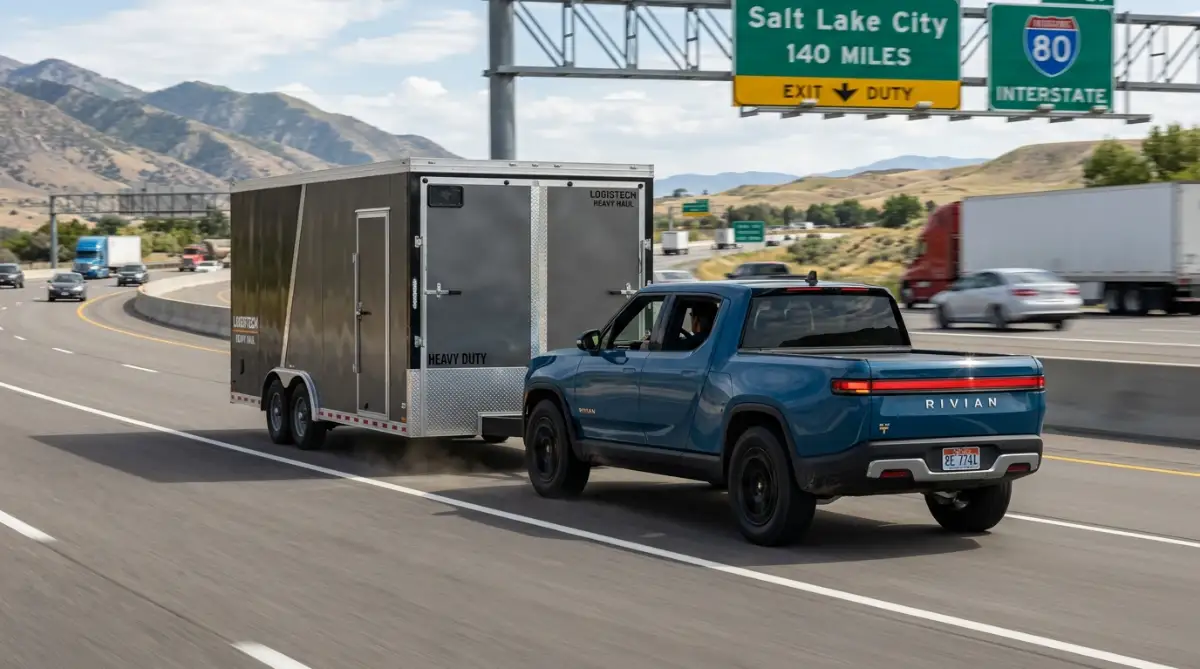
1. Towing Performance and Physics: Instant Torque vs. Range Penalty
When comparing towing performance between electric and gasoline trucks, the physics of electric propulsion creates a fascinating contrast between raw pulling power and energy efficiency:
- Instant Launch Torque: Gasoline and diesel engines must rev up to 2,000–4,000 RPM to reach peak torque output. Electric motors deliver 100% of their maximum torque instantly from zero RPM, providing effortless acceleration when launching heavy trailers on steep inclines.
- Low Center of Gravity and Sway Control: Electric trucks house their heavy high-voltage battery packs flat beneath the cabin floor. This low center of gravity significantly reduces trailer sway, giving drivers unparalleled stability and control during highway towing.
- The Aerodynamic Towing Penalty: Towing a large boxy trailer creates massive aerodynamic drag. While a gas truck's fuel economy drops by roughly 35% to 45% while towing, an electric truck experiences a 45% to 55% reduction in total driving range.
To analyze broader consumer spending economics and automotive ownership budgeting strategies, explore our comprehensive analysis of consumer financial planning and green energy economics.
2. Total Cost of Ownership (TCO): Gas Station Bills vs. Home Electricity
Evaluating the financial comparison between electric and gas trucks requires looking beyond the initial window sticker price and calculating long-term operating expenses over 100,000 miles.
My Personal Pro Tip: Whenever I advise fleet owners or truck buyers transitioning to electric models, I emphasize that home Level 2 charger installation is non-negotiable. In my experience, waking up every morning with a full battery completely eliminates public charging anxiety for 90% of daily driving needs while maximizing financial savings.
Watch this video guide for an expert video demonstration comparing a gasoline V8 truck against an all-electric pickup truck on a real-world efficiency loop:
3. Range, Charging Infrastructure, and Winter Climate Realities
The practical everyday usability of a truck depends heavily on how easily it can be refueled or recharged under varying weather conditions:
- Home Charging Convenience: 90% of electric truck charging occurs overnight at home. Waking up every single morning with a full tank of 300+ miles of range eliminates daily gas station detours entirely.
- Public DC Fast Charging Access: With the industry adopting the North American Charging Standard, non-Tesla electric trucks now gain access to thousands of reliable Tesla Supercharger stations nationwide.
- Cold Weather Range Reduction: In sub-zero winter temperatures, lithium-ion battery chemistry becomes less efficient, and energy must be diverted to heat the cabin and condition the battery pack, resulting in a temporary 20% to 30% range drop.
To learn how consumers can secure clean energy vehicle incentives and consumer rebates, explore our guide on improving your credit score before applying for financial products. You can also explore how to protect your household investments by reading our guide on choosing a home insurance policy without stress, or review our suggestions on simple website building tools for small businesses if you run a remote side venture.
4. Unique Utility Features: Pro Power Onboard and Front Trunks
Electric architecture enables innovative utility features that traditional gasoline trucks simply cannot replicate:
- The Lockable Front Trunk (Frunk): Because electric motors occupy minimal space compared to massive V8 engine blocks, electric trucks feature a massive, weatherproof, lockable front trunk offering 14+ cubic feet of secure storage for expensive tools or luggage.
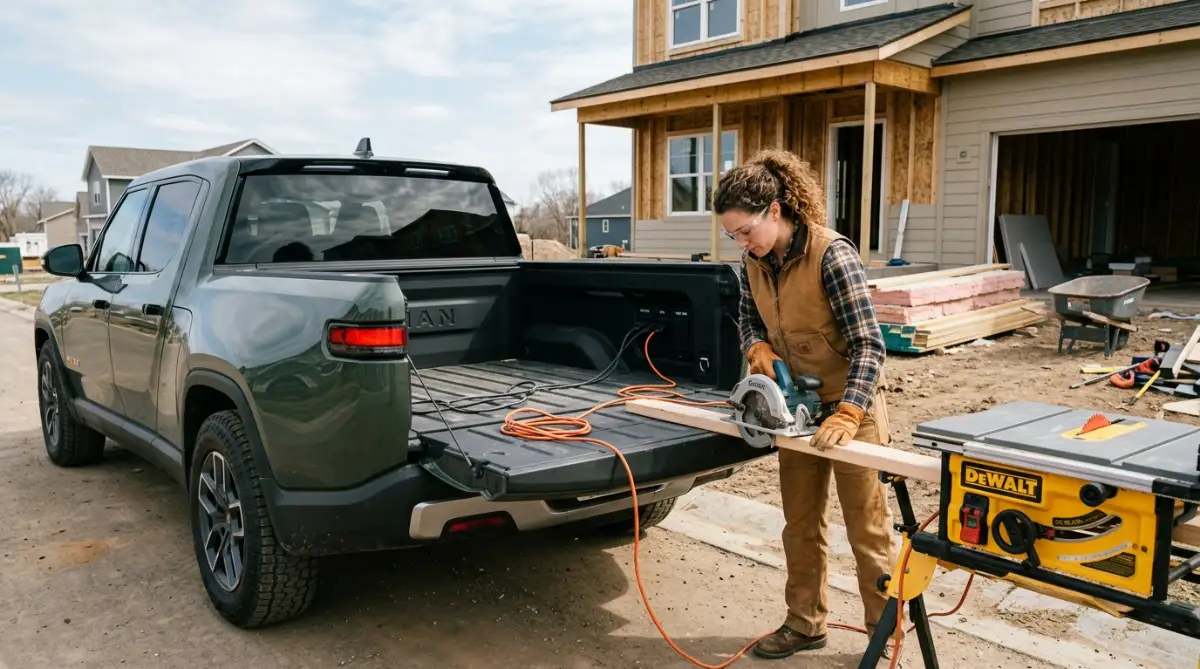
- High-Output On-Board Power Export: Electric trucks feature onboard AC power outlets delivering up to 9.6 kW or 10.2 kW of clean electricity directly from the bed and frunk outlets, eliminating noisy gas generators.
- Independent All-Wheel Drive Precision: Featuring independent electric traction motors on the front and rear axles, electric trucks adjust torque to individual wheels in milliseconds, delivering superior off-road control. Learn how to manage vehicle insurance policies and extended warranty coverage in our essential guide to automotive financing and consumer credit management.
- 5. Common Pitfalls to Avoid When Buying a Truck
Choosing between electric and gas trucks requires careful evaluation of your actual day-to-day routines. A common mistake is buying an electric truck for frequent long-distance heavy towing without realizing the impact of range penalties on charging frequency. Conversely, buying a gas truck for a short daily urban commute means wasting money on high fuel consumption and frequent oil changes. Always match your purchase to your true operational mileage and charging capabilities.
6. The Master Decision Framework Checklist
Determine whether an electric or gasoline truck is right for your driveway using this diagnostic guide:
- Choose an All-Electric Truck If: You commute under 150 miles daily, can install a Level 2 home charger, tow locally under 100 miles, and want to eliminate gas station visits.
- Choose a Gasoline or Diesel Truck If: You regularly tow heavy enclosed trailers over 300+ miles, live in an apartment without home charging, or frequently travel through remote rural corridors.
7. Final Thoughts and Moving Forward
The debate between electric trucks and gas trucks is not about choosing a winner; it is about selecting the right tool for your specific operational needs. Gasoline trucks remain the undisputed champions for long-distance, heavy-duty highway towing across rural corridors. Electric trucks represent a giant leap forward in daily commuting efficiency, instant performance, job site power export, and low operating costs.
In my own evaluation of modern work vehicles, understanding these distinct platform advantages has made choosing the right truck much simpler. Assess your daily driving miles, home charging access, and towing requirements honestly today. Whether you choose a traditional combustion workhorse or an innovative electric pickup, step confidently into a productive, powerful, and rewarding driving future!
8. Frequently Asked Questions
Do electric trucks lose more range towing than gas trucks lose fuel economy?
Yes, while towing a heavy trailer reduces a gas truck's fuel economy by about 35% to 45%, an electric truck typically experiences a 45% to 55% reduction in total driving range.
Can I charge an electric pickup truck at home using a standard wall outlet?
You can use a standard 120V outlet, but it charges very slowly (Level 1). Installing a 240V Level 2 home charger is strongly recommended to fully recharge a large truck battery overnight.
Do electric trucks qualify for federal tax credits in the US?
Many eligible North American-assembled electric trucks qualify for up to $7,500 in federal tax credits under IRS Section 30D, depending on battery sourcing and buyer income limits.
How does cold winter weather affect electric truck range?
Sub-zero winter temperatures temporarily reduce electric truck driving range by 20% to 30% due to battery chemistry efficiency drops and cabin heating power demands.
Are maintenance costs lower on electric trucks compared to gas trucks?
Yes, electric trucks require significantly less maintenance because they lack internal combustion engines, eliminating oil changes, spark plugs, timing belts, and exhaust systems.
9. Automotive & Financial Disclaimer
The information provided in this article is for educational, informational, and general consumer guidance only and does not constitute formal mechanical, financial, legal, or automotive purchase advice. Towing capacities, driving ranges, fuel economy ratings, electricity tariffs, federal tax credit eligibility criteria, and manufacturer MSRP s are subject to change over time. Buyers are strongly encouraged to conduct independent test drives, verify home electrical panel capacity, and consult official IRS guidelines before purchasing a vehicle.
![10 Cheapest EVs You Can Buy Right Now in the USA [Huge Savings]](https://martinesy.com/storage/uploads/blogs/1786111292_10-cheapest-evs-you-can-buy-right-now-in-the-usa-huge-savings.webp)