The Freezing Morning That Almost Cost Me My Job
I still vividly remember waking up to a completely frozen morning last January. The temperature outside had plummeted to a bitter ten degrees overnight. I grabbed my hot coffee, rushed into the garage, and pressed the start button on my electric vehicle.
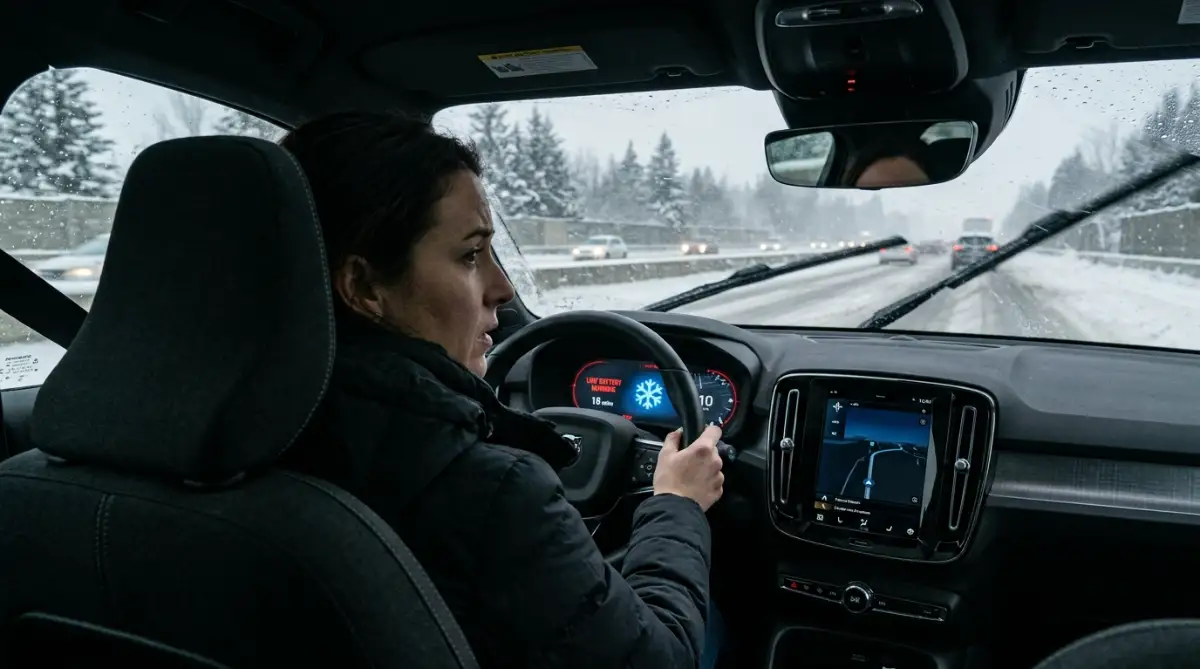
My heart instantly sank when I looked at the digital dashboard. The night before, my car promised a comfortable 220 miles of range for my upcoming trip. Now, the screen mocked me with a remaining range of just 130 miles.
I had a massive, career-defining meeting located exactly 60 miles away. Panic washed over me as I realized I might actually get stranded on the side of a freezing highway. The heavy anxiety made it hard to think straight as I gripped the freezing steering wheel.
Range anxiety is a terrifying physical stressor that millions of new electric car owners face every winter. You buy a premium vehicle expecting a smooth, reliable daily commute. Instead, you find yourself obsessively watching the battery percentage drop faster than a rock.
It feels completely unfair when the cold weather steals your hard-earned money and time. You start wondering if you made a massive financial mistake by leaving traditional gas cars behind. The constant worry about making it home safely can ruin your entire driving experience.
Fortunately, I learned that you do not have to live with this freezing winter panic. I spent months researching, testing, and understanding exactly how lithium-ion technology reacts to cold climates. Today, I am going to share everything I know so you can reclaim your peace of mind.
How Cold Weather Actually Drains Your EV Battery
To solve our winter driving problems, we first need to understand what is happening inside the car. Electric vehicle batteries rely on complex chemical reactions to store and release energy. When temperatures drop below freezing, these chemical reactions slow down significantly.
Think of your EV battery like a bottle of thick, sticky honey. At room temperature, the honey flows smoothly and quickly without any effort. But if you put that same honey in the freezer, it becomes sluggish, stubborn, and hard to pour.
The lithium ions inside your battery face this exact same physical resistance during winter. Because the ions move much slower, the battery simply cannot deliver power efficiently. This chemical sluggishness is the primary reason your available driving range drops overnight.
But the cold battery chemistry is only half of the real problem. The second massive issue is how we choose to stay warm inside the cabin. Gas engines generate massive amounts of waste heat, which gets pushed into the cabin for free.
Electric motors are incredibly efficient and produce almost zero waste heat. This means your EV must use actual battery juice to power the electric heater and warm your toes. Running a resistive cabin heater can consume up to thirty percent of your total battery capacity.
The Regenerative Braking Surprise
If you drive an electric car, you probably love the regenerative braking feature. It smoothly slows the car down while sending free energy back into the battery pack. However, cold weather severely limits how this amazing system functions.
When a battery is freezing cold, it physically cannot accept a fast, high-power charge. To protect the battery from permanent damage, your car's computer will automatically restrict regenerative braking. This means you lose that free energy recovery just when you need it the most.
You will notice your brake pedal feels different, and the car will not slow down automatically. It takes several miles of driving for the battery to warm up enough to accept regenerative energy again. Being prepared for this change keeps you safe on icy roads.
Comparing Winter Range Drops
Understanding how different vehicles handle the cold can help you plan your trips better. Some manufacturers use highly advanced thermal management systems to protect your range. Others rely on simpler designs that lose power much faster.
Here is a quick look at how freezing temperatures impact some popular electric vehicle platforms.
*Note: These numbers vary based on driving speed, cabin heater usage, and specific environmental conditions.
Debunking Winter EV Myths
There is a lot of scary misinformation circulating about electric cars and winter weather. Let us clear up some of the most common myths I hear every single day.
- Myth 1: An EV battery will instantly die if left parked in the snow.
- Reality: Your car has a built-in battery management system that constantly protects the internal cells. Once the battery warms up, a large portion of that hidden range becomes available again.
- Myth 2: You cannot charge an electric car when it is freezing outside.
- Reality: You absolutely can charge your car safely. Modern EVs manage the thermal charging process completely automatically while you stay warm inside.
- Myth 3: Electric cars are terrible for winter driving and safety.
- Reality: EVs are actually fantastic in the snow because of their heavy battery packs. The low center of gravity provides unmatched traction and stability on slippery roads.
My Personal Pro Tip: I used to freeze in my car because I was too scared to turn on the heat. Then I learned that seat heaters and steering wheel warmers use barely any battery power at all. Now, I keep the main cabin temperature low and use the seat heaters to stay incredibly comfortable without killing my range.
Just like knowing how to choose your first home insurance policy without stress protects your physical property, properly preparing your EV brings true relief and safety.
Expert Video Guide: Maximizing Winter EV Performance
Visualizing the hidden thermal management system in your electric vehicle makes these complex battery concepts incredibly easy to grasp. Watch this comprehensive video guide below to see exactly how proper thermal management saves your battery life and protects your driving range during freezing winter conditions.
Watch this comprehensive video guide to see exactly how thermal management saves your battery:
Pro Strategies to Maximize Your Range in Freezing Temperatures
Getting through the winter with an electric car requires a slightly different mindset. Once you adopt these smart habits, you will completely forget about range anxiety. The secret lies in preparation and understanding your car's hidden features.
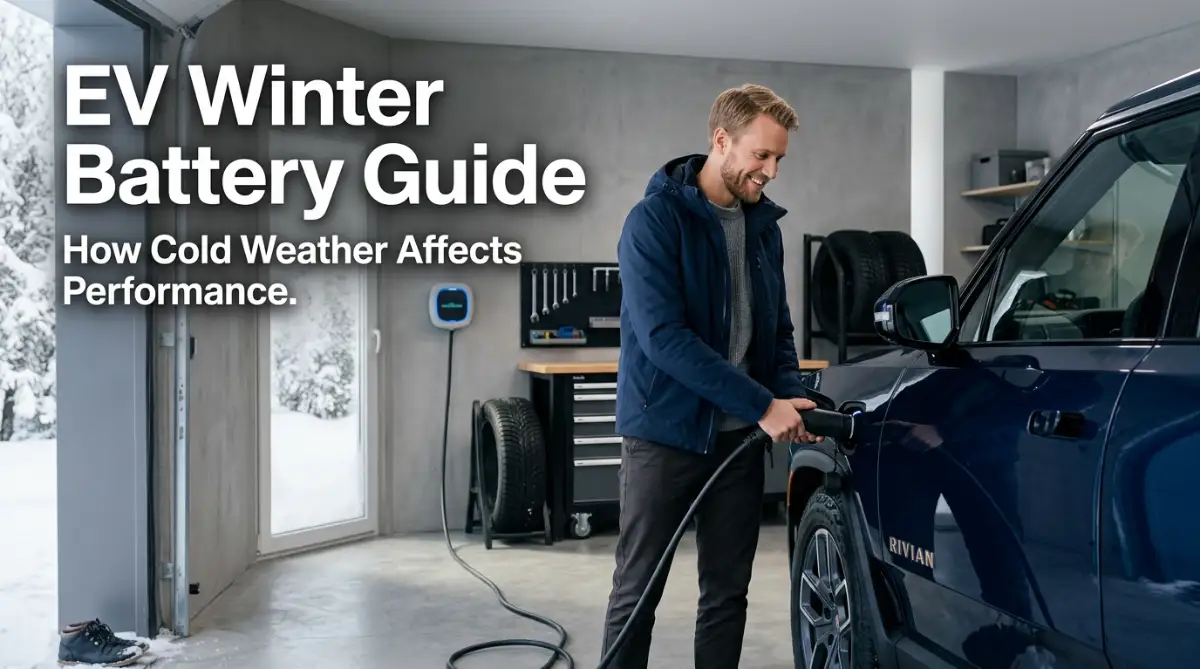
The absolute best thing you can do for your electric vehicle is keep it plugged in at home. Even if your battery is at eighty percent, plugging it into your Level 2 charger provides massive benefits. The car can pull power directly from your house to keep the battery comfortably warm all night long.
This process means your car never has to use its own stored energy to fight the freezing cold. Electric vehicles are expensive assets, and protecting your car's longevity is just as important as knowing how to improve your credit score before applying for a mortgage. Waking up to a warm battery changes everything about your morning commute.
The Magic of Preconditioning
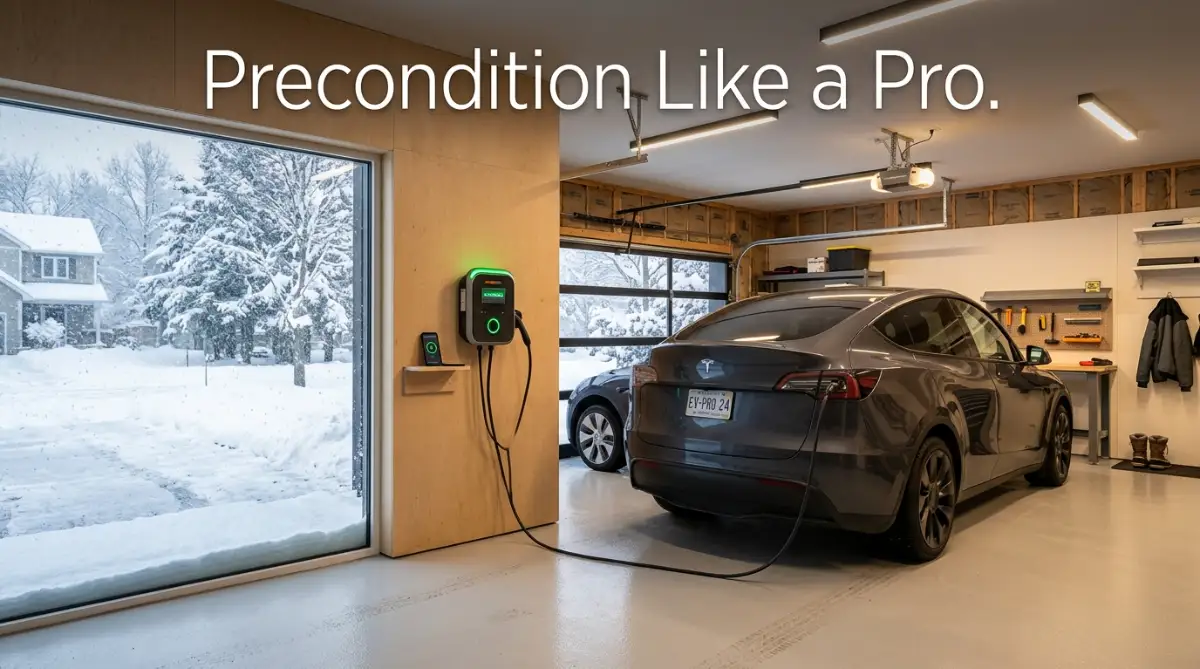
Almost every modern electric car has a feature called "scheduled departure" or "preconditioning." This is an absolute game-changer that you must start using immediately. You simply tell your smartphone app exactly what time you plan to leave for work.
About thirty minutes before your departure, the car wakes up and starts pulling power from the wall. It warms up the heavy battery pack and heats the entire cabin to your preferred temperature. When you finally step outside, you enter a toasty warm car with a fully optimized battery.
Because the car used house electricity to warm up, your battery stays completely full. You hit the icy roads with maximum range and immediate access to regenerative braking. It feels like absolute luxury, and it saves you tons of battery capacity on the highway.
Mastering Eco Mode and Heat Pumps
If your car is equipped with a heat pump, you already have a massive winter advantage. Traditional resistive heaters work like massive hair dryers, consuming huge amounts of energy. A heat pump acts like a reversible air conditioner, capturing ambient heat and moving it into the cabin efficiently.
You should also get very comfortable using your car's "Eco Mode" setting during the winter. Eco mode deliberately slows down your acceleration and restricts the massive power output to the wheels. This not only saves battery life but also prevents your tires from spinning out on hidden ice patches.
Whether you are commuting to a corporate office or driving to classes at one of the best community colleges in the USA for affordable education, Eco Mode ensures you arrive safely. It is also highly beneficial to check your tire pressure every single week during the winter to avoid unnecessary rolling resistance.
The Expensive Winter Driving Mistakes I Had to Learn the Hard Way
When I first bought my electric vehicle, I was incredibly stubborn and ignored all the winter advice. I thought I could just drive it exactly like my old gas-guzzling truck. That arrogance led to some terrifying moments that I desperately want you to avoid.
My biggest mistake was treating the cabin heater like a magic infinite heat source. During a harsh snowstorm, I cranked the climate control up to 82 degrees because I forgot my winter coat. I watched in absolute horror as my range dropped from sixty miles to twenty miles in just fifteen minutes.
I was stuck in bumper-to-bumper snowy traffic, watching the battery gauge slowly tick down toward zero. The sheer panic of realizing I might block the highway with a dead car was deeply embarrassing. I had to pull into a dark, snowy parking lot and wait forty minutes at a slow public charger just to make it home.
Another massive failure of mine was letting the battery percentage drop too low before parking overnight. I parked in my driveway with just twelve percent battery left on a freezing night. When I woke up, the extreme cold had effectively "hidden" five percent of that capacity.
Making a bad financial decision on a damaged battery can be just as burdensome as struggling with federal vs private student loans. Never park your electric vehicle outside in freezing temperatures with less than twenty percent battery. The car needs a small buffer of energy just to manage its own thermal survival.
Taking Back Control of Your Winter Commute
Driving an electric vehicle in the winter does not have to be a stressful, white-knuckle experience. You now understand exactly why the cold weather impacts your battery chemistry and daily range. The sluggish lithium ions and high heating demands are simple physics problems with highly practical solutions.
By utilizing smart features like scheduled preconditioning, you can completely neutralize the freezing temperatures. Keeping your car plugged in overnight and utilizing heated seats will protect your precious range. You can officially stop worrying and start enjoying the quiet, smooth ride of your electric car again.
I know how frustrating it feels to watch your battery drop unexpectedly in the snow. But taking a few minutes to prepare my vehicle made an absolutely massive difference for me. I highly recommend you start using these smart charging habits tonight, and I promise your morning commute will be significantly better.
Frequently Asked Questions About EVs in Winter
Do electric cars break down more in the winter?
No, electric vehicles actually have far fewer moving parts to break down than gas cars. You do not have to worry about frozen fuel lines, struggling alternators, or cold engine oil. As long as you manage your battery charge properly, they are highly reliable in winter.
Can I leave my EV outside in the snow?
Yes, you can safely park your electric vehicle outside in snowy conditions. However, if you leave it unplugged in extreme cold for several days, you will notice a temporary drop in available range. It is always recommended to keep the vehicle plugged in to maintain thermal health.
How much range will I lose at exactly 32 degrees Fahrenheit?
On average, most electric vehicles lose about 20 to 30 percent of their rated range at freezing temperatures. This loss happens because of battery sluggishness and the energy required to heat the cabin. Using a heat pump and preconditioning can significantly reduce this specific range loss.
Will turning off the radio save my battery in the cold?
No, turning off your radio, screens, or headlights will not noticeably save your battery range. The traction motors and the cabin heating system consume massive amounts of energy compared to the electronics. You should focus solely on managing your cabin heat to preserve your driving distance.
Is fast charging slower in the winter?
Yes, DC fast charging is noticeably slower when the battery pack is freezing cold. The car's computer intentionally slows down the charging speed to prevent chemical damage to the lithium cells. To fix this, you should use the car's navigation system to route to the charger, which allows the car to automatically warm the battery before you arrive.
Automotive & Safety Disclaimer
The information provided in this article is for educational and general consumer guidance only. Driving ranges, battery degradation, and thermal performance vary significantly based on vehicle model, tire conditions, and exact weather patterns. Always consult your vehicle's official owner manual and adhere to local winter driving safety regulations before operating a vehicle in extreme weather conditions.
![10 Cheapest EVs You Can Buy Right Now in the USA [Huge Savings]](https://martinesy.com/storage/uploads/blogs/1786111292_10-cheapest-evs-you-can-buy-right-now-in-the-usa-huge-savings.webp)