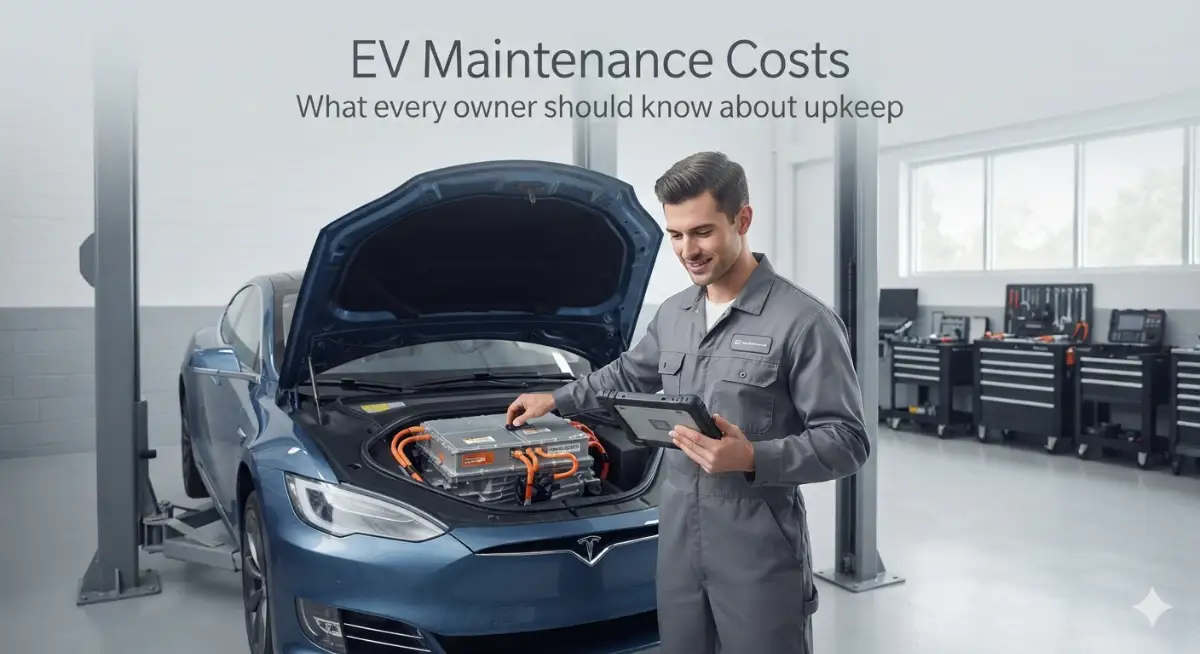
Mastering EV Maintenance Costs: What Every Electric Car Owner Needs to Know
Are you wondering if switching to an electric vehicle will actually save you money on upkeep and repairs? While electric cars eliminate hundreds of complex engine parts—say goodbye to oil changes, spark plugs, and transmission flushes—they bring unique service needs like specialized tire care and battery thermal management. In this comprehensive guide, we break down real-world EV maintenance costs, wearable parts, battery longevity, and long-term savings. Discover how to keep your electric vehicle running efficiently and enjoy stress-free, low-cost driving today!
For generations of automobile owners, maintaining a passenger car meant adhering to an endless, expensive cycle of routine mechanical maintenance appointments. Every 3,000 to 5,000 miles, internal combustion engine gasoline cars require routine oil changes, oil filter replacements, engine air filter updates, spark plug changes, timing belt replacements, transmission fluid flushes, and exhaust system repairs. Over a typical 100,000-mile vehicle operating lifespan, traditional gas-powered cars easily consume between $4,000 and $8,000 in routine mechanical maintenance and emergency repairs. When I first transitioned from a gas-powered sedan to an electric vehicle, I carried years of mechanical anxiety with me, constantly waiting for the next surprise engine light or costly oil leak. Every time I drove past a service bay, I braced myself for a high repair bill, assuming electric cars must harbor hidden expenses just like traditional vehicles. I knew I needed to look past internet rumors and examine actual long-term ownership data to understand what an electric car truly cost to maintain. Taking time to study actual EV service requirements completely washed away my mechanical worries, revealing an automotive lifestyle defined by simplicity and low service bills.
One of the primary selling points driving the global transition toward Electric Vehicles is the promise of significantly lower ongoing maintenance costs. Official data from the US Department of Energy confirms that electric vehicles cost 40% to 50% less to maintain over their operating life compared to conventional internal combustion vehicles.
However, a common misconception among new and prospective EV buyers is assuming that electric cars require zero maintenance whatsoever. While electric drivetrains eliminate hundreds of complex moving engine parts, electric vehicles introduce their own unique maintenance requirements: rapid tire wear, specialized high-voltage battery thermal coolants, brake caliper slide lubrication, 12V auxiliary battery management, and cabin air filtration. In this comprehensive guide, we unpack the real-world maintenance costs of owning an electric car, detail eliminated vs. continuing maintenance items, analyze long-term battery degradation, and share a practical 5-year ownership cost comparison.
1. What Components Are ELIMINATED in an Electric Vehicle?
To understand why EV maintenance bills are so remarkably low, one must look at the mechanical simplicity of an electric power train. A traditional gasoline engine and multi-gear transmission contain over 2,000 moving mechanical parts operating under extreme thermal and friction stress. An electric traction motor contains as few as 20 moving parts.
- Engine Oil & Oil Filters: Zero engine oil means zero $60–$120 oil change visits every few months. For related financial guidance, review our guide on managing educational loans and smart family budgeting.
- Spark Plugs, Ignition Coils & Fuel Injectors: No combustion chambers, fuel pumps, fuel lines, or carbon-clogged fuel injectors.
- Timing Belts & Serpentine Belts: Electric motors do not rely on rubber timing belts or tensioners that snap and cause catastrophic engine destruction.
- Multi-Gear Automatic Transmissions: EVs utilize single-speed direct-drive gearboxes, eliminating complex torque converters, valve bodies, and multi-clutch automatic transmission fluid flushes.
To analyze broader consumer spending economics and automotive ownership budgeting strategies, explore our comprehensive analysis of consumer financial planning and green energy economics.
2. Wearable EV Parts That DO Require Scheduled Maintenance
While the electric motor and gearbox require virtually zero maintenance, an electric vehicle remains a heavy road vehicle subject to road friction, weather, and component wear:
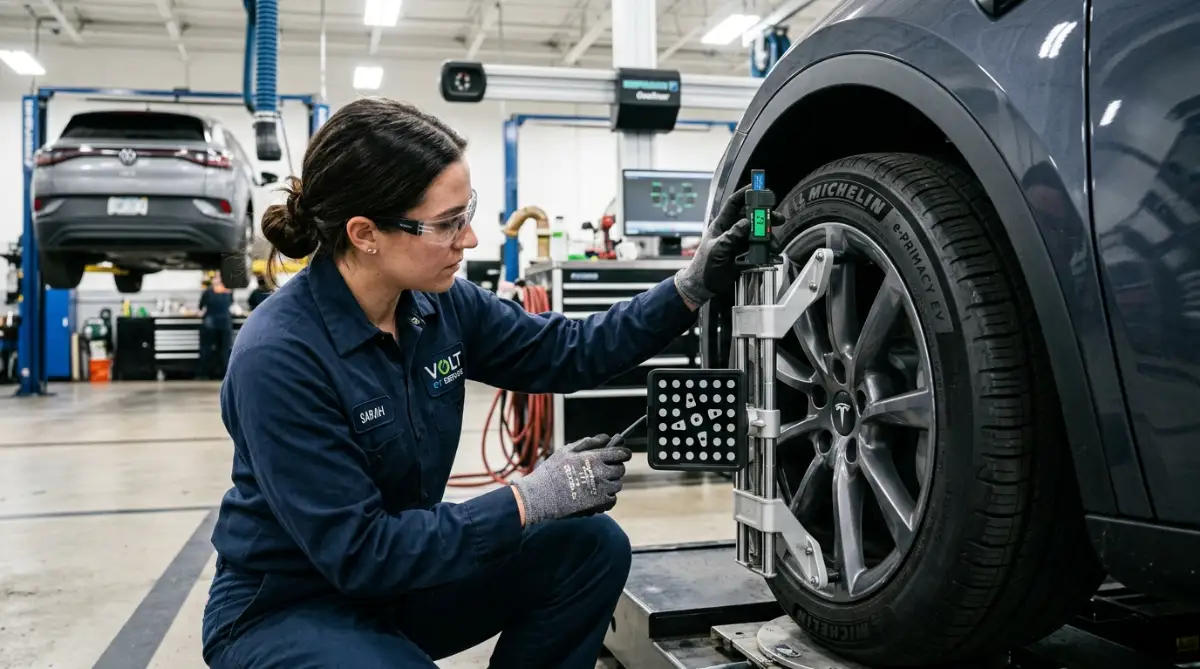
My Personal Pro Tip: Whenever I talk to new EV owners about tire maintenance, I stress the importance of sticking to a strict 5,000-mile rotation schedule. In my experience, because electric vehicles carry heavy battery weight and deliver instant torque, neglecting tire rotations will cause your rear or front tires to wear out prematurely.
Watch this video guide for an expert video review detailing long-term electric vehicle reliability rankings, real-world maintenance cost data, and battery health analytics:
3. High-Voltage Battery Longevity & Federal Warranty Protections
The single most expensive component in an electric vehicle is its high-voltage lithium-ion battery pack. Prospective buyers often fear paying $10,000+ for out-of-warranty battery replacement:
- Federal Mandatory Battery Warranties: Federal US law mandates that all automakers provide a minimum 8-year / 100,000-mile high-voltage battery warranty guaranteeing the battery will retain at least 70% of its original capacity. Learn how to protect your personal finances by reading our guide on improving your credit score before applying for financial products.
- Slow Degradation Statistics: Comprehensive fleet tracking data confirms modern liquid-cooled batteries degrade at an average rate of only 1% to 1.8% per year, routinely exceeding 200,000+ miles.
- Best Charging Practices to Preserve Health: To minimize degradation, follow the 20/80 rule for daily driving—charge to 80% for daily commutes and charge to 100% only before long highway road trips. You can also explore how to protect your household investments by reading our guide on choosing a home insurance policy without stress, or check out our suggestions on simple website building tools for small businesses if you manage a remote side venture.
4. Real-World 5-Year Maintenance Cost Comparison: Gas vs. EV
When calculating total cost of ownership over 5 years (75,000 miles), the maintenance gap between gas and electric vehicles becomes staggering:
- Gasoline Sedan 5-Year Maintenance Spend (~$4,500 total): Includes 12 oil changes, 12 tire rotations, air filters, transmission service, brake pads and rotors, spark plugs, and a new set of tires.
- Electric Vehicle 5-Year Maintenance Spend (~$1,450 total): Includes 12 tire rotations, cabin filter replacements, one set of EV tires, brake fluid test, and wiper fluid—with zero oil changes, spark plugs, or transmission services.
5. Common Pitfalls to Avoid When Maintaining an EV
Even though electric vehicles require far less service, owners can make costly mistakes if they neglect basic oversight. A common pitfall is ignoring brake fluid moisture testing; even though brake pads last 100k+ miles, brake fluid absorbs water over time and must be flushed every two years to protect ABS actuators. Another mistake is ignoring software updates, which manage critical battery thermal controls and powertrain efficiency. Stay on top of minor fluid and filter checks to protect your investment.
6. The Master EV Maintenance Schedule Checklist
Keep your electric vehicle operating at peak efficiency by following this simple maintenance checklist:
- Every 5,000 to 7,500 Miles: Rotate tires, inspect tire tread depth, and check windshield washer fluid.
- Every 12 to 24 Months: Replace cabin air filters and inspect wiper blades.
- Every 2 Years: Test brake fluid for moisture contamination and inspect brake caliper slide pins.
- Every 3 to 5 Years: Test and replace the 12V auxiliary accessory battery.
- Every 5 to 7 Years (100,000 Miles): Flush and replace high-voltage battery thermal management coolant.
7. Final Thoughts and Moving Forward
Understanding electric vehicle maintenance costs exposes one of the greatest advantages of modern electric driving: true mechanical simplicity. By eliminating engine oil changes, exhaust systems, and complex transmission services, electric cars allow owners to spend far less time in repair shops and far less money on maintenance invoices.
In my own daily driving routine, driving an electric vehicle has completely eliminated the surprise repair bills and oil change appointments that used to drain my weekends. Stay proactive with your tire rotations, practice smart 20–80% battery charging habits, replace cabin air filters on schedule, and step confidently into a clean, low-maintenance, and cost-effective driving future!
8. Frequently Asked Questions
Do electric cars need oil changes?
No, electric vehicles do not have internal combustion engines, meaning they require zero engine oil, oil filters, or periodic oil change services.
Why do EV tires wear out faster than gas car tires?
EV tires wear out about 15% to 20% faster because electric vehicles carry heavy high-voltage battery packs and deliver instant torque that puts higher friction stress on the rubber.
How often do you need to change brake pads on an electric car?
Due to regenerative braking which uses the electric motor to slow down the vehicle, original factory brake pads on an electric car routinely last past 100,000 miles.
What is the most expensive maintenance item on an electric vehicle?
The high-voltage lithium-ion battery pack is the most expensive component, though modern batteries are engineered to last the lifetime of the vehicle and are protected by a mandatory 8-year/100,000-mile federal warranty.
Do electric cars have transmissions that need fluid flushes?
Electric cars use a simple single-speed direct-drive gearbox rather than a multi-gear transmission, eliminating complex automatic transmission fluid flushes.
9. Automotive & Financial Disclaimer
The information provided in this article is for educational, informational, and general consumer guidance only and does not constitute formal mechanical, financial, legal, or automotive maintenance advice. Maintenance intervals, tire wear rates, battery warranty terms, and service costs vary significantly by vehicle make, model, driving style, climate extremes, and individual manufacturer guidelines. Vehicle owners are strongly urged to consult their official owner's manual and certified brand technicians for model-specific maintenance schedules.
![10 Cheapest EVs You Can Buy Right Now in the USA [Huge Savings]](https://martinesy.com/storage/uploads/blogs/1786111292_10-cheapest-evs-you-can-buy-right-now-in-the-usa-huge-savings.webp)